
A Day in the Life of a South Korea Homestay Host
The Korean peninsula is home to a diverse range of wildlife, including sea lion, leopards, and cranes.
The Korean peninsula is home to a diverse range of wildlife, including sea lion, leopards, and cranes.The Korean peninsula supports a variety of wildlife, including sea lion, leopard, and crane.
At 7:15 am she told me that it was already too late in Jeonju's historic village to arrive at Minjung Park's hanok guesthouse, so that's why I was there.
She was in the courtyard, wearing an apron, transferring some material in a clay pot to a ceramic bowl, and was not looking up when I came through the wooden gate.
Still stirring, "You can write whatever you want," she said. But for now, sit down first, breakfast is here.
Minjung has been welcoming guests from abroad to her 80-year-old hanok house for the past 11 years.
She has had more than 300 guests from over 40 countries including backpackers from Germany, honeymooners from India, single visitors from Brazil, and families from the United States.
By South Korean standards, this room offers modest accommodation, but by traveller standards, it's an extraordinary value, and she charges between Rs5,000 and Rs5,500 per night.
She offers more than a room for this price. As she said with absolute seriousness, "it's the right Korea."
A South Korea Homestay is worth choosing over a hotel because it offers numerous advantages.
Hotels in South Korea provide you with comfort, convenience, and a South Korea that's been sanded down for foreign visitors.
The fermented jars, the ondol floor, the 90-second-on-the-hour lesson on how to mix bibimbap, and the conversation after dinner about the Korean War is all unsmoothed, all authentic, all Minjung's home-stay.
The original (unsmoothed) version is the actual one.
Minjung waved her guests away from barley tea as they still lingered around the dinner table, saying, "People come to Korea and pay thousands of dollars to come here. Then they go to some place that may be anywhere else. I don't understand this, Neither do I."
The price of a night at Minjung's hanok is lower than staying in a business hotel in Seoul.
You can't put a price on what it provides.
Minjung wakes up at the same time every morning (5:30) without an alarm. The first task is to inspect the ondol, a traditional Korean underfloor heating system which heats the rooms from below. The question that is always asked by foreigners is "Why is the floor warm?," she said. I tell them that it's 2000 years of Korean engineering experience. They take pictures of the floor.
By 6 am she's in the kitchen, the most modern, and at the same time the most traditional room in the house, where a gas stove is complemented by fermentation jars that have been in operation for seven years. The doenjang or fermented soybean paste in them is not commercially bought. It never has been. "If I fed them out of a packet," she explained, "I'd have to shut the guesthouse down, not for the food, but for the shame." It takes about 90 minutes to prepare breakfast and on a quiet morning at least eight different dishes.
The low wooden table in the main room is laid out with a spread of food that most guests are expecting for breakfast, by 7 am. Cooking Doenjang jjigae (fermented soybean soup) in stone pot. Individual ceramic steamers filled with white rice. Kimchi, her own, fermented in November, now 5 months deep with the perfect sour taste. Japchae (glass noodles with vegetables), kongnamul (seasoned soybean sprouts), gyeran mari (rolled omelette), dried seaweed, and two kinds of kimchi, kkakdugi (radish kimchi). "Then guests come along the first morning and they're afraid," Minjung said. After the third morning, they're eating it all and asking if they can have kimchi at home. She has sent kimchi to 23 countries through carefully packed luggage of her guests. "Words of instruction I give them," she said. It must be cold, and not opened on the plane, and call me when it is consumed. Everyday you might find yourself lost, confused and unsure of your direction.You will often find yourself lost, confused and uncertain of the way forward. Minjung has breakfast ready, then sits down and talks to her guests, what she calls "the conversation", about what a guidebook doesn't tell you. The most important and most neglected by other guest houses is this part of her hosting.
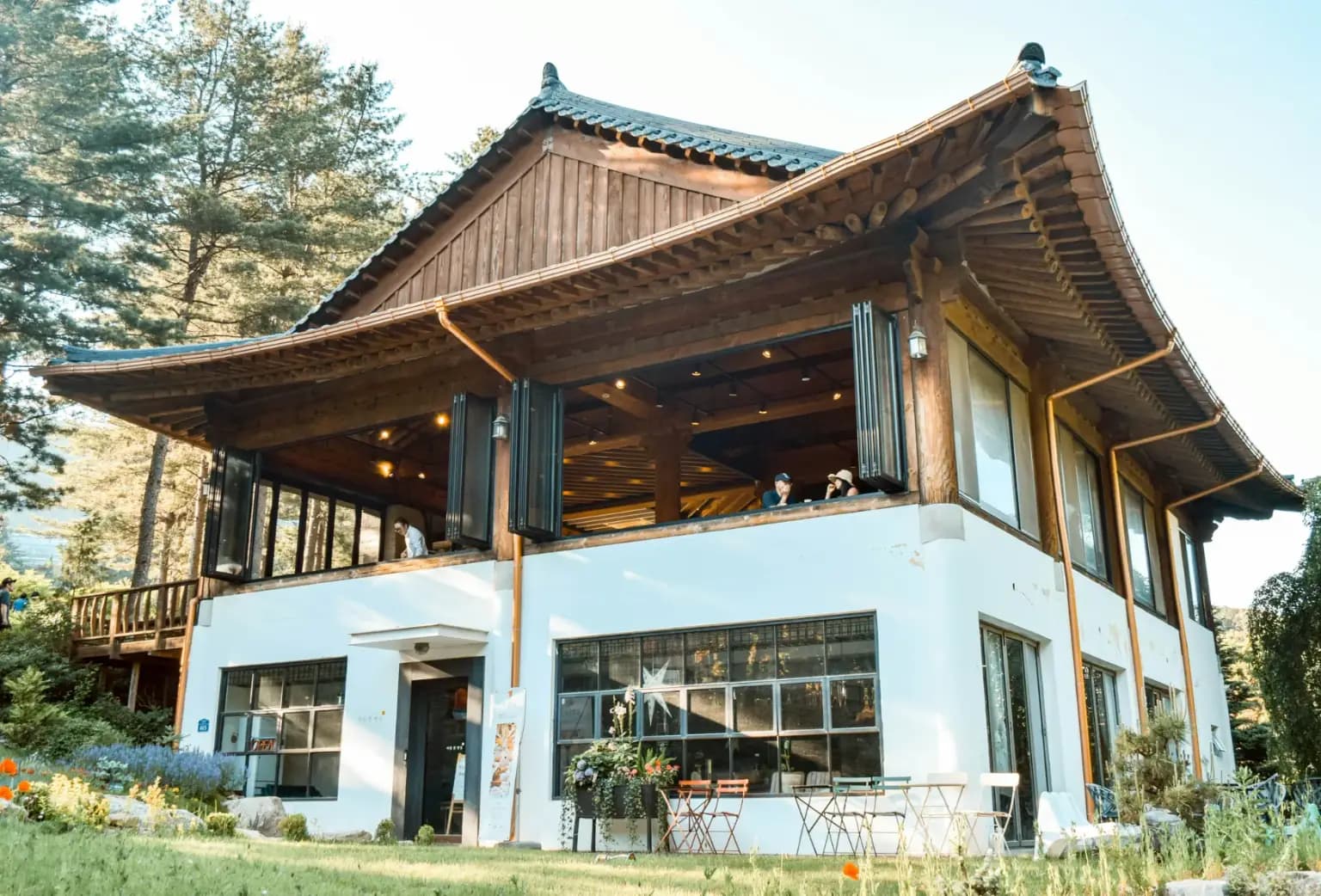
The home is built in a way that if Minjung is available or not, the home still creates curiosity among the tourists that how it is built. Hanok design elements, curved roof tiles, wooden beams, paper-screen doors (hanji) and the central courtyard, embody a philosophy of living in harmony with nature. Corporate, semi-corporate and bungalow rooms open directly on to the courtyard instead of a corridor. Is there no hallway in the western sense? "Living in a hanok, one can't get away from the sky," she said. "Every time when you go from your room to the kitchen, you go through the courtyard. There you see the weather, feel the air and you know that you are outside although you are in." People who come to stay with the idea that they're going to see a 'cute' house tend to go away with the idea of a 'philosophy of space. Some guests have shared with Minjung that the experience of living in her home has shaped their perceptions on their own homes. Another Dutch architect stayed for two nights and then returned home to revamp his architecture practice based on some of the ideas he'd seen in her garden.
Minjung also conducts a cooking class for guests every Tuesday and Thursday, where they learn how to make bibimbap. The cost is ₹1800 per person and it lasts about three hours. Her grandmother has been teaching her to make bibimbap since she was 9 years old. Jeonju is the birthplace of bibimbap and Minjung says what's offered in Seoul restaurants by that name is "a different dish with a similar name." How the food is actually structured.The structure of the food. The proper combination of gochujang (red pepper paste) and sesame oil: "Everyone uses too much gochujang. The gochujang should be there, it should not be in charge." Why it is necessary to make the rice in a stone pot (dolsot) and why the crust at the bottom isn't a fault but the best! There is an order and it is NOT arbitrary to which vegetables are put in the bowl. How to mix properly, Foreigners mix from the top. You mix from the bottom, slowly, until every grain of rice is covered. You don't want to wait 90 seconds but you have to wait 90 seconds. The reason why Jeonju bibimbap is made with raw egg yolk rather than fried egg yolk and how this affects the texture and temperature of the egg yolk.
While the room fee does not cover dinner at Minjung's house, guests are almost always invited to share it. She cooks for herself regardless and the table simply expands. How sweet is that! She said that she was not an evening restaurant owner. If I'm coming to dinner I am eating dinner; if guests are coming to dinner that's not me cooking dinner. I think that's important. This is when the cultural exchange really takes place, that is at the dinner table. Over this table, she has talked about Korean history and the Japanese colonial rule and the division of the peninsula and K-pop (interesting but loud) and the meaning of Chuseok (Korean harvest festival) endless times. She never gives lectures. She responds to questions. She explained that guests who have questions will learn Korean. Wherever you go, "If you have an answer, you learn nothing when you arrive." Basically she meant that the tourists should always ask questions regarding everything, because the curiosity of the questions makes her feel very much excited to answer the questions.
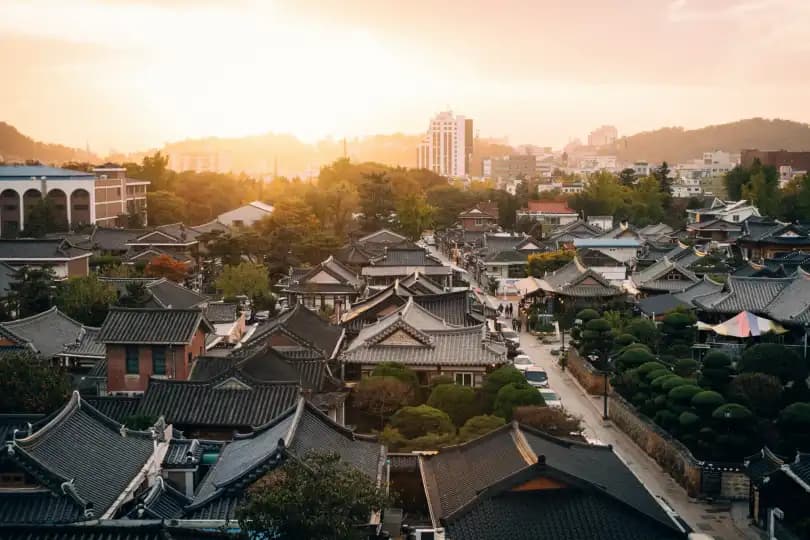
Where to shop in Jeonju and where to go that tourists wouldn't and why it's important for your wallet and your experience.
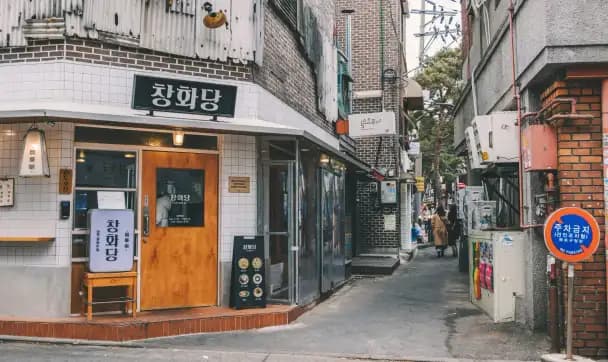
Eating at a Korean restaurant without others "Koreans eat together, but alone is OK too, all you have to know is how to talk when you enter the restaurant.
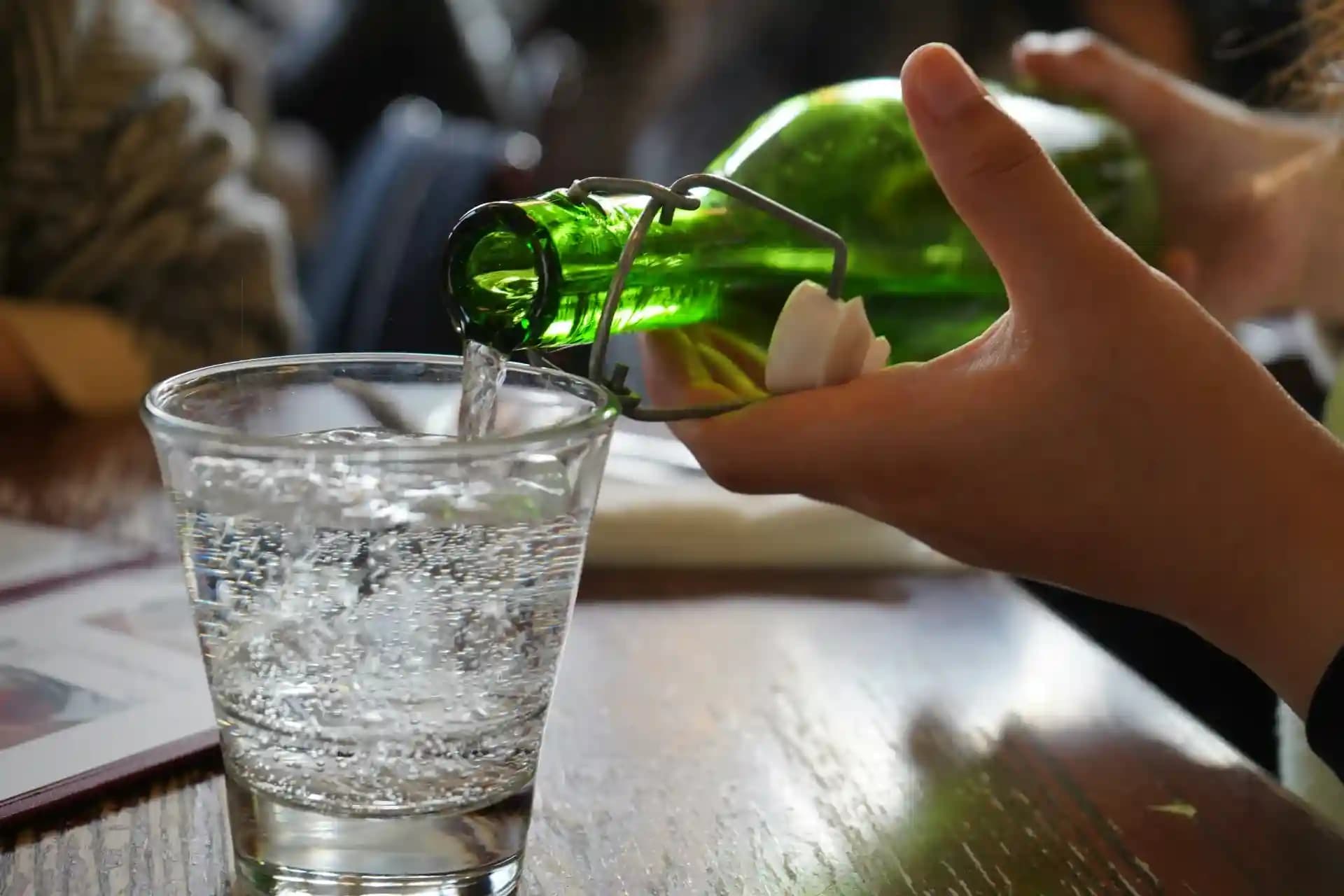
In the Korean culture the correct way to pour your drink you don't pour your own drink, you pour for others and wait for them to pour for you. Pour your own drink at a Korean table and everybody will notice. They'll notice. It must be normal for us but for them i wont say weird but yeah they will look at you.
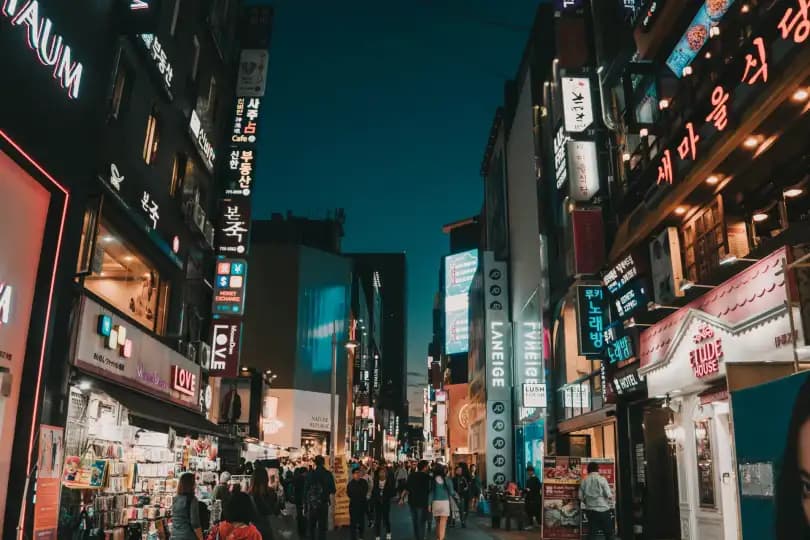
The meaning of the Korean term nunchi: reading a room and understanding what is not said. If you know nunchi, you will know Korean people, she said, It can't be translated. It can only be experienced.
It's something she does that most other people don't. She is disciplined, she has her boundaries set, that is important for her to do so because why not. why make tourist think that they can stay however they wants. I believe that every tourist place should be like at the end it just teaches the person how to be disciplined
She sees cultural education as accommodation and not an additional service. she feels like feeding guests and tourists is something where she is able to showcase her Korean culture and let the people know how things work in here.
She admits what tourists misunderstand about Korea, such as the Korean lifestyle portrayed in Korean dramas. and that is when she does her job where she actually shows her how Korean life actually works.
She lives in the house, not plays in the house. Even though she is not there you might feel someone taking care of the homestay and giving their best to make homestay feel like home. She actually shows what the normal household in Korea looks like.
She can recall all her visitors. So when I said I'd heard about her from a traveller who stayed 3 years ago, she pointed to him before I could even get the word off my tongue. and then i noticed she got a great memory, because in this big world who really remembers who, I just liked how she remembered things.
Take Shoes at the door "It's not optional, it's a boundary that she has set for the tourists that thinks wearing shoes inside the house is normal
If it looks like a strange smell the first morning, try the doenjang jjigae anyway!
Take photos of the interior of the house only after asking permission.
I live in the Hanok, she said. Not a set, you are my guest and you have to behave accordingly and all will be well.
A traditional Korean underfloor heating system which heats the rooms from below. "I tell them that it's 2000 years of Korean engineering experience. They take pictures of the floor."
Fermented soybean paste. The doenjang or fermented soybean paste in them is not commercially bought. It never has been.
Reading a room and understanding what is not said. If you know nunchi, you will know Korean people. It can't be translated. It can only be experienced.
Hanok design elements, curved roof tiles, wooden beams, paper-screen doors (hanji) and the central courtyard, embody a philosophy of living in harmony with nature.
Jeonju is the birthplace of bibimbap and Minjung says what's offered in Seoul restaurants by that name is a different dish with a similar name.
Stone pot. Why it is necessary to make the rice in a stone pot (dolsot) and why the crust at the bottom isn't a fault but the best.
Red pepper paste. Everyone uses too much gochujang. The gochujang should be there, it should not be in charge.
Common Questions
Quick, practical answers to the questions travellers ask most about South Korea.