
Kashmiri Culinary Treasures & Souvenir Masterclass: Wazwan, Kahwa & Heritage Crafts
Savoring the Regal Flavors and Artisanal Legacy of the Valley
A journey to Kashmir is incomplete without immersing yourself in its century-old culinary arts and legendary handicraft traditions. The Kashmir Valley is home to one of the world's most elaborate royal dining rituals—the multi-course feast known as Wazwan—alongside soul-warming copper cups of saffron-infused Kahwa tea. Beyond its rich flavors, Kashmir has been a world-renowned center for master craftsmanship since the 14th century, producing hand-woven Pashmina shawls, hand-knotted silk carpets, intricate walnut wood carvings, and vibrant papier-mâché art.
However, for first-time shoppers exploring busy bazaars like Srinagar's Lal Chowk or Polo View High Street, distinguishing authentic hand-loomed heritage crafts from cheap machine-made imitations requires know-how. Synthetic viscose or semi-pashmina shawls are frequently sold to unsuspecting tourists as 'pure Pashmina'. Similarly, adulterated safflower threads dyed red are sometimes passed off as genuine GI-tagged Kashmiri Saffron (*Kesar*) at inflated rates.
Having explored traditional Wazwan kitchens (*Waza* workshops) and government-certified handicraft emporiums across Srinagar and Pampore, I have created this practical 2026 field guide. Below, you will find dish-by-dish Wazwan breakdowns, exact souvenir price ranges in Indian Rupees (₹), simple on-the-spot purity testing hacks (such as the burn test for Pashmina and warm water test for Saffron), and top market picks. Before heading out to shop, check out our main Kashmir Travel Guide Master Hub to integrate your shopping and dining stops into your overall travel itinerary.
Ideal For
Who this guide is written for.
- Gourmet Foodies & Non-Vegetarian Food Lovers
- Culture & Heritage Craft Enthusiasts
- Souvenir & Pashmina Shoppers
- Couples & Family Travelers
Kashmir's Top 4 Iconic Culinary & Craft Treasures
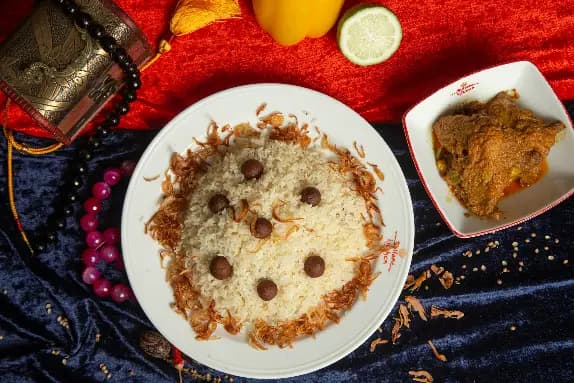
A royal 7 to 36-course banquet of slow-cooked tender mutton delicacies served ceremonially on a large engraved copper platter called a Tami.
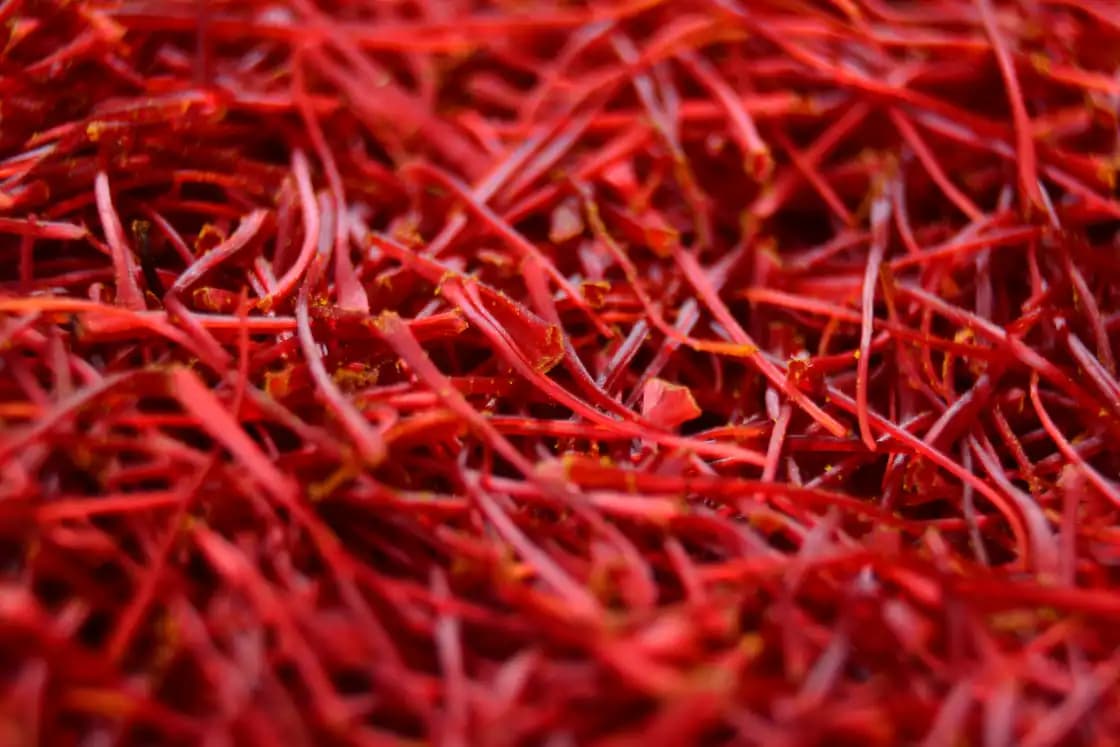
Cultivated in the alluvial soils of Pampore. World-famous for its deep crimson stigmas, intense aroma, natural coloring power, and medicinal value.
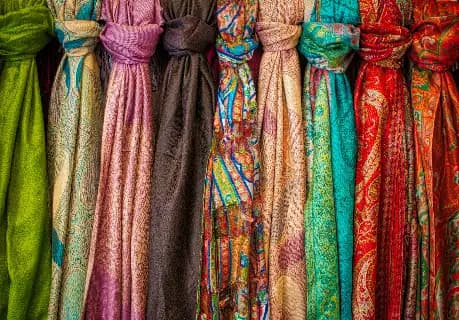
Crafted from the ultra-fine underfleece of Changthangi mountain goats (12–15 microns). Renowned for featherlight weight, extreme warmth, and Sozni needlework.
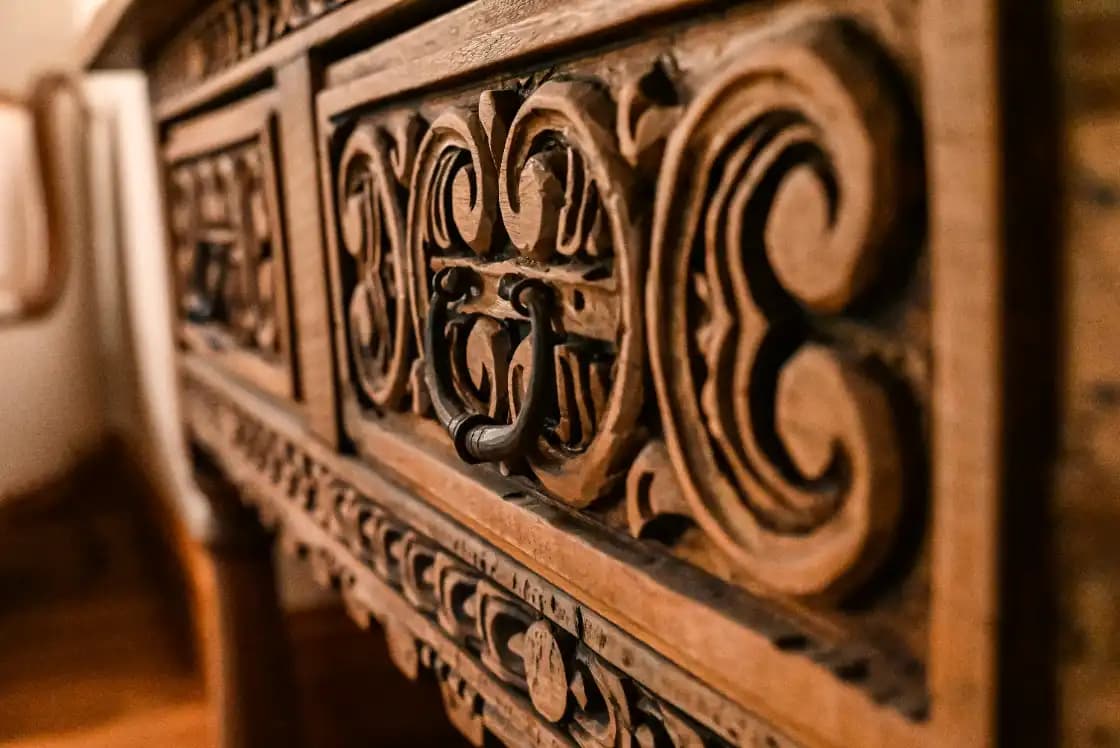
Hand-carved solid walnut furniture, bowls, and boxes featuring intricate lotus and chinar leaf motifs, alongside hand-painted papier-mâché decor.
1. Understanding Kashmiri Wazwan, Signature Dishes & Kahwa Tea
The Anatomy of a Traditional Wazwan Banquet
Wazwan is not merely a meal; it is a sacred culinary ceremony prepared by master chefs known as Vastas:
The Ceremonial Tami Platter
Guests sit in groups of four around a large copper platter (*Tami*). The feast begins with a ritual hand-washing ceremony using a mobile copper basin called a Tash-t-Nari.
Key Signature Courses
Rista: Tender poached mutton meatballs cooked in a fiery red saffron-paprika gravy. - Rogan Josh: Tender lamb shanks slow-cooked in a rich gravy flavored with Kashmiri red chilies (*Mawal*) and aromatic spices. - Tabak Maaz: Ribs of lamb simmered with milk and spices, then pan-fried in pure ghee until crispy. - Gushtaba: The grand final course! A velvety white minced mutton sphere cooked in a rich spiced yogurt gravy.
Cost
A full 7-course mini-Wazwan meal at top authentic Srinagar restaurants (Ahdoos, Mughal Darbar, or Grand Mumtaz) costs ₹800 – ₹1,400 per person.
Kashmiri Kahwa & Noon Chai (Salt Tea)
Saffron Kahwa
A green tea infusion brewed with saffron strands, cinnamon bark, cardamom pods, and crushed almonds, sweetened with honey or sugar. Served piping hot from a brass samovar (₹60 – ₹120 per cup).
Noon Chai (Pink Salt Tea)
A savory pink tea brewed with special green tea leaves, baking soda, milk, salt, and butter, traditionally enjoyed with crunchy Girda or Lassa bakery bread for breakfast.
2. Souvenir Buying Guide, GI-Tag Authentication & Market Picks
Saffron (Kesar) Purity Test & Price Guide (2026)
Pampore Saffron Pricing
Pure GI-tagged Kashmiri Saffron (Lacha or Mongra variety) costs between ₹280 and ₹380 per gram.
On-the-Spot Warm Water Purity Test
Drop 2 to 3 saffron strands into a glass of warm water or milk. Real Kashmiri Saffron slowly turns the water golden-yellow over 10 to 15 minutes while the red strands retain their original deep color. Fake/Dyed Saffron instantly turns the water dark red and the strands turn white or translucent within seconds!
Pashmina Shawl Purity Test & GI Stamp
Pure Pashmina Price Range
Plain pure hand-loomed Pashmina shawls cost ₹7,500 – ₹15,000. Intricately hand-embroidered Sozni or Kani Pashmina shawls range from ₹22,000 to ₹1,500,000+ depending on craft intensity.
How to Verify Authenticity
Look for the official GI (Geographical Indication) QR-code label / non-removable stamp issued by the J&K Craft Testing and Quality Control Laboratory. A real Pashmina feels warm to the touch immediately, lacks artificial gloss, and features subtle weave irregularities characteristic of handloom work.
Top Shopping Markets in Srinagar
Polo View High Street
Modernized pedestrian shopping precinct lined with fixed-price government emporiums, high-end Pashmina boutiques, and authentic saffron stores.
Lal Chowk & Residency Road
Bustling commercial hub for dry fruits (walnuts, almonds, dried cranberries), Kashmiri spices, cricket bats (made from authentic Kashmir willow in Sangam), and papier-mâché art.
Important Information & Legal Disclaimer
LEGAL, CULINARY & CRAFT DISCLAIMER: All souvenir price ranges, saffron rates per gram, Pashmina testing guidelines, restaurant menu costs, and market locations mentioned in this guide are provided for general informational purposes based on 2026 ground field data. Food preparation ingredients at traditional Wazwan dining venues include mutton, dairy, and spices; individuals with specific food allergies or strict vegetarian dietary preferences should inform restaurant management before ordering. GI-tag certification stamps and craft quality controls are governed by the J&K Handicrafts & Handloom Department. Travelers are advised to purchase high-value handicrafts and saffron from government-recognized emporiums or verified GI-tagged sellers. The author and platform accept no legal liability for vendor pricing disputes, craft authenticity claims, or personal dietary reactions.
Common Questions
Quick, practical answers to the questions travellers ask most about Jammu & Kashmir, India.