
Best Time to Visit Kashmir: Snowfall Season, Tulip Bloom & Seasonal Weather Guide
Decoding the Four Distinct Seasons of Paradise on Earth
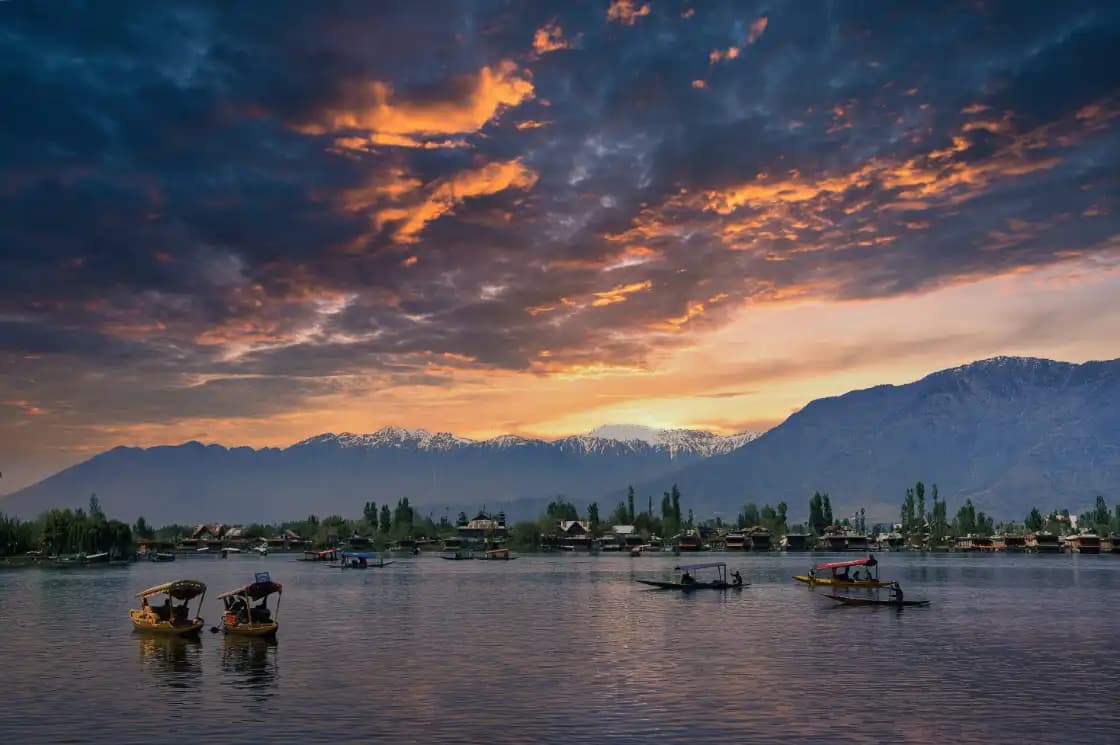
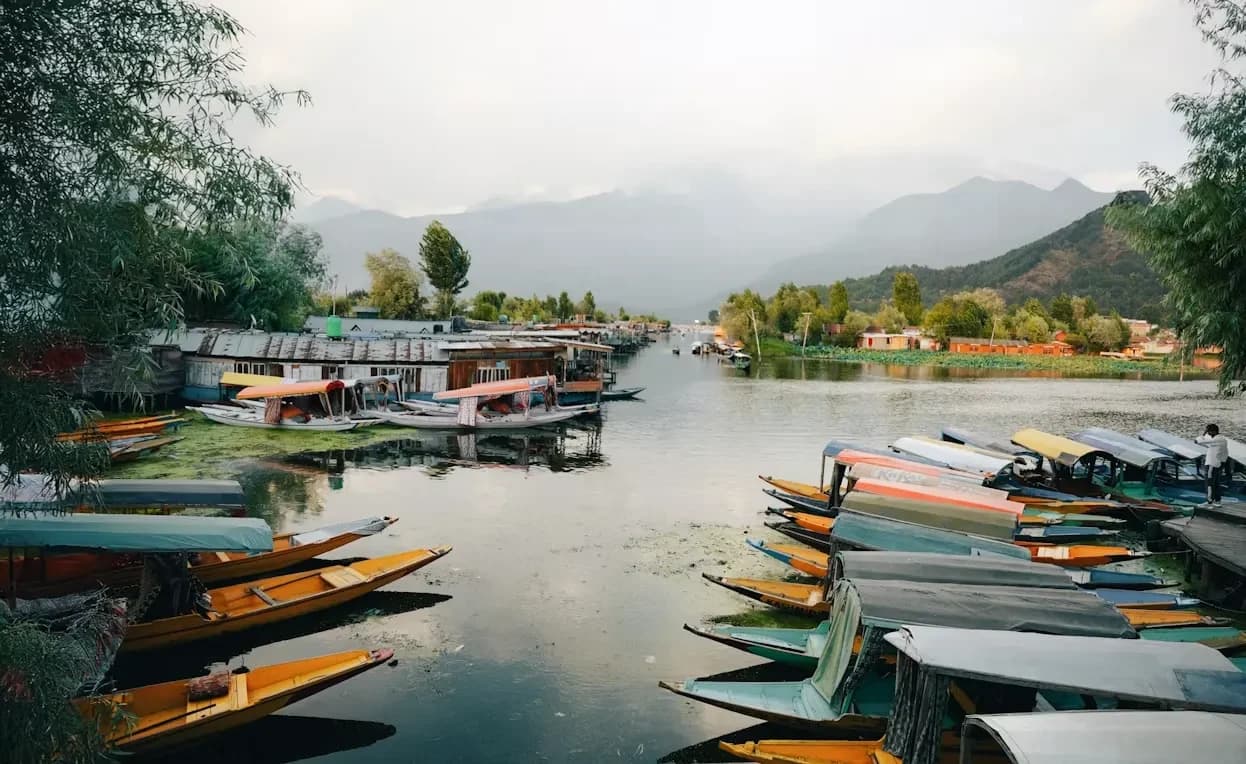
Emperor Jahangir famously declared, 'If there is a paradise on earth, it is this, it is this, it is this.' Kashmir lives up to that legendary reputation with extraordinary seasonal transformations. Unlike many hill destinations that look similar year-round, the Kashmir Valley redefines itself completely four times a year. One month you are drifting on a wooden Shikara past thousands of blooming tulips on Dal Lake, a few months later you are sipping hot saffron-infused Kahwa amidst golden-crimson Chinar leaves, and by winter, the entire valley turns into a white wonderland draped under feet of fresh powder snow.
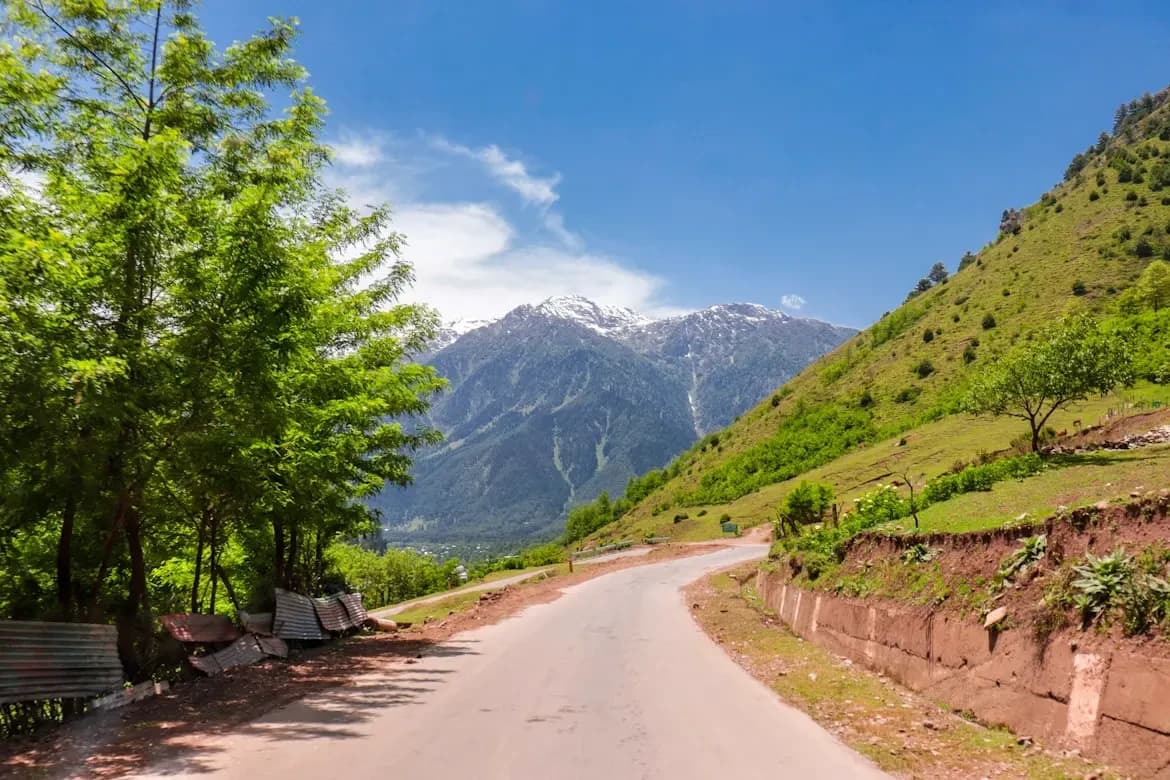
However, timing your trip incorrectly can lead to missed expectations. Visiting Gulmarg in April expecting knee-deep skiing snow, or showing up in Srinagar in May hoping to see the Tulip Garden (which remains open for just 20 to 25 days in spring) are common mistakes. Altitude and geography play major roles—while Srinagar enjoys mild spring sunshine at 1,580 meters, high mountain reaches like Apharwat Peak in Gulmarg (3,980m) and Thajiwas Glacier in Sonamarg retain glacier ice year-round.
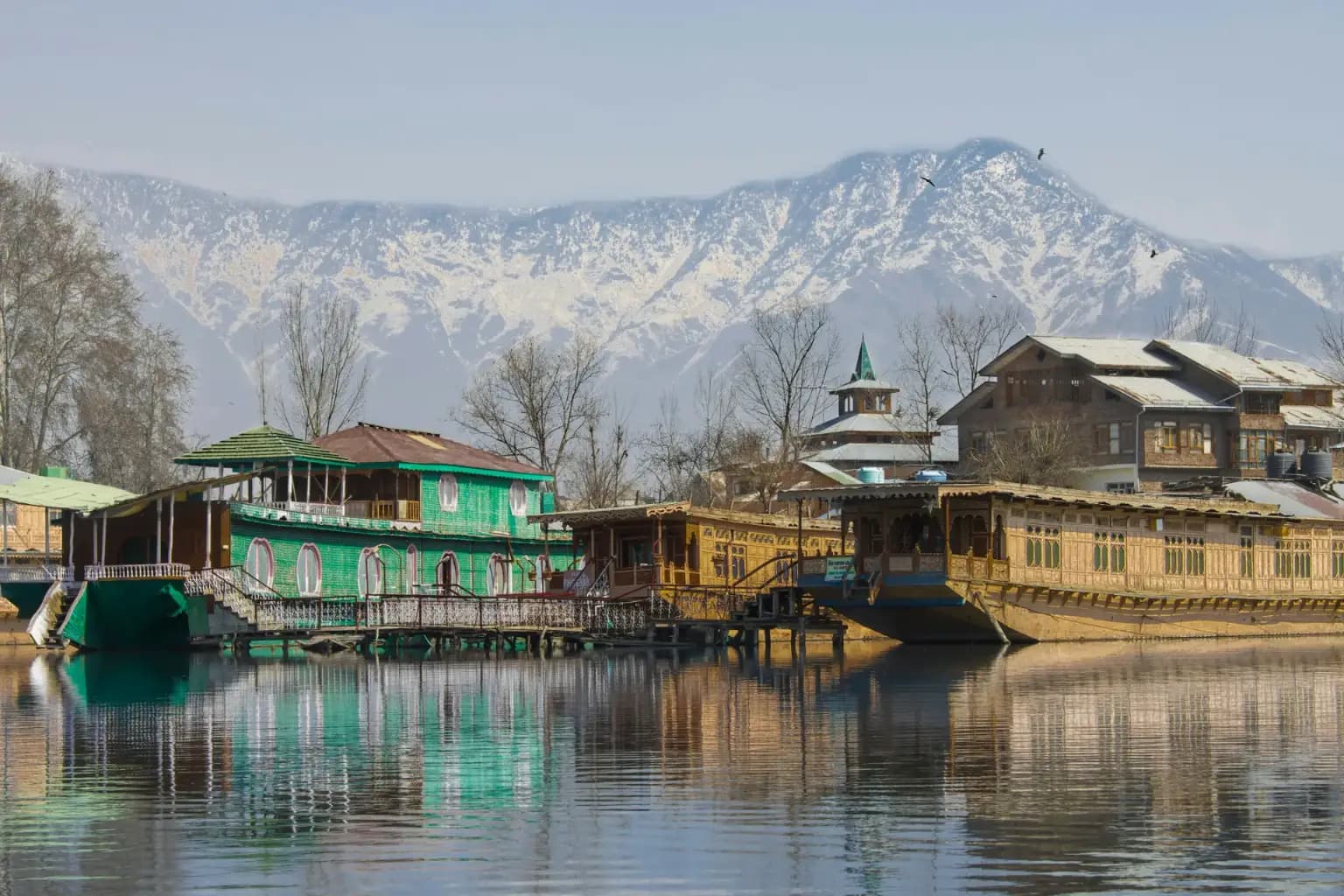
Whether your dream is skiing on world-class slopes in Gulmarg, walking through vibrant apple orchards in Pahalgam, or enjoying a cozy wooden houseboat stay on Nigeen Lake, this 2026 seasonal field guide breaks down Kashmir's weather month by month. Before locking in your flight tickets to Sheikh ul-Alam International Airport (Srinagar), explore our main Kashmir Travel Guide Master Hub to align your travel timing with local taxi union rules and houseboat bookings.
Seasonal Travelers
Who this guide is written for.
- Snow Seekers & Skiers
- Spring Flower & Tulip Lovers
- Summer Family Escapes & Trekkers
- Autumn Foliage & Photography Seekers
Kashmir Season-by-Season Comparison Matrix
December to February
Snow Wonderland: Temperatures drop from 8°C to below freezing (-10°C in Gulmarg). Heavy snowfall transforms Gulmarg, Pahalgam, and Sonamarg into skiing havens with frozen lakes and bucolic snowscapes.
March to April
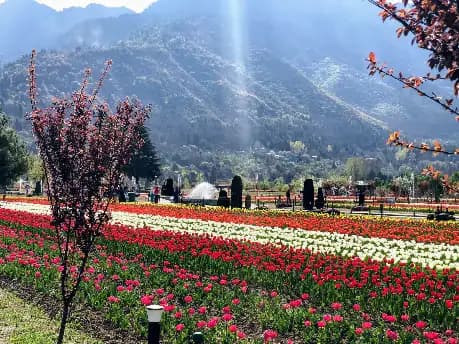
Valley in Bloom: Mild daytime temperatures (10°C to 20°C). Asia's largest Tulip Garden opens in Srinagar alongside blooming almond and cherry blossoms across Mughal Gardens.
May to August
Pleasant Valley Escapes: Temperatures range between 15°C and 30°C. Perfect weather for family houseboat stays, Lidder River rafting in Pahalgam, and Sonamarg glacier pony treks.
September to November
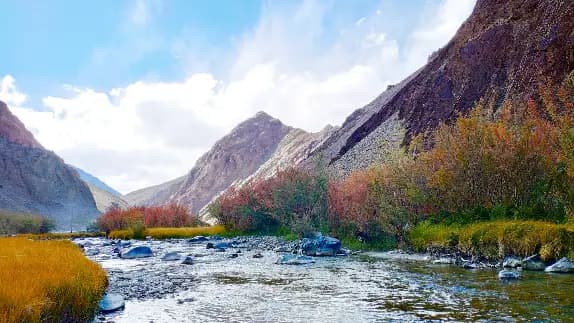
Golden Chinar Foliage: Crisp autumn air, clear mountain views, and Chinar leaves turning deep shades of fiery orange and red. Saffron harvest begins in Pampore.
Where & When to Find Peak Snowfall & The Tulip Festival
The Gulmarg Snowfall Window: Late December to February
If experiencing live snowfall or skiing is your primary priority, Gulmarg is undisputed ground zero:
Chillai Kalan (Dec 21 – Jan 31)
This traditional 40-day period of intense winter cold brings the heaviest snowfall across Kashmir. Temperatures drop well below 0°C. Srinagar's Dal Lake partially freezes along its shorelines, while Gulmarg receives 4 to 8 feet of thick snow powder.
Gulmarg Gondola Phase 1 & 2 in Snow
Taking the world's second-highest cable car up to Kongdori (Phase 1, 3,050m) and Apharwat Peak (Phase 2, 3,980m) guarantees deep snow cover from late December right through April.
February Ski Season
February provides thick, stable snowpack on the slopes with slightly milder afternoon sunshine, making it the premier month for certified skiing lessons and snowmobiling.
The Srinagar Tulip Festival Window (Late March to April)
Indira Gandhi Memorial Tulip Garden
Located at the foothills of the Zabarwan range overlooking Dal Lake, this 30-hectare garden showcases over 1.5 million tulips across 60+ vibrant varieties.
Operational Dates
The garden usually opens between March 20 and April 20 for a brief 3- to 4-week window, depending on spring soil temperatures. Entry ticket: ₹75 per adult and ₹35 per child.
Month-by-Month Weather & Hotel Budget Expectations (in INR ₹)
1. Winter Snow Season (December to February): Cold Nights & Heated Stay Tariffs
Winter requires heavy thermal preparation. Most mid-range and luxury hotels charge an additional 'heating surcharge' (electric blankets or central heating / Bughari), which may be included or billed separately.
• Hotel Budget Expectations (per night):
- Budget Guesthouse / Standard Hotel: ₹1,800 – ₹3,200 per night
- Mid-Range Deluxe Hotel / Heritage Houseboat: ₹4,200 – ₹7,500 per night
- Luxury Snow Resort (Gulmarg/Pahalgam): ₹12,000 – ₹35,000+ per night
2. Spring & Summer (March to August): Peak Tourism Window
As pleasant temperatures spread across the valley, sightseeing peaks. Houseboat stays on Dal and Nigeen lakes experience high demand.
• Budget Expectations: Deluxe houseboats average ₹3,500 – ₹7,000 per night including dinner and breakfast. Shikara rides cost ₹700 – ₹1,200 per hour (fixed government union rates).
3. Autumn Window (September to November): Saffron Harvest & Gold Chinars
Clear skies and golden landscapes make autumn ideal for budget road trips and photography, with hotel tariffs dropping 20% to 35% outside of late Diwali week.
4. Important Information & Legal Disclaimer
LEGAL, WEATHER & PRICE DISCLAIMER: All snowfall timelines, Tulip Garden opening windows, hotel room tariffs, heating surcharges, local cab union charges, and Gondola ticket costs mentioned in this guide are based on verified ground field data. Himalayan mountain weather is inherently unpredictable and subject to sudden Western Disturbances. Highway closures along the Jammu-Srinagar National Highway (NH-44) or snowfall road blockages near Tangmarg/Gulmarg can occur without prior notice. Gondola Phase 2 operations are strictly weather-dependent and subject to closure by the J&K Cable Car Corporation for safety during high wind speeds. Readers are advised to re-confirm attraction dates, permit requirements, and carrier schedules prior to travel. The author and platform accept no legal liability for weather delays, unexpected route diversions, or rate fluctuations.
Common Questions
Quick, practical answers to the questions travellers ask most about Jammu & Kashmir, India.