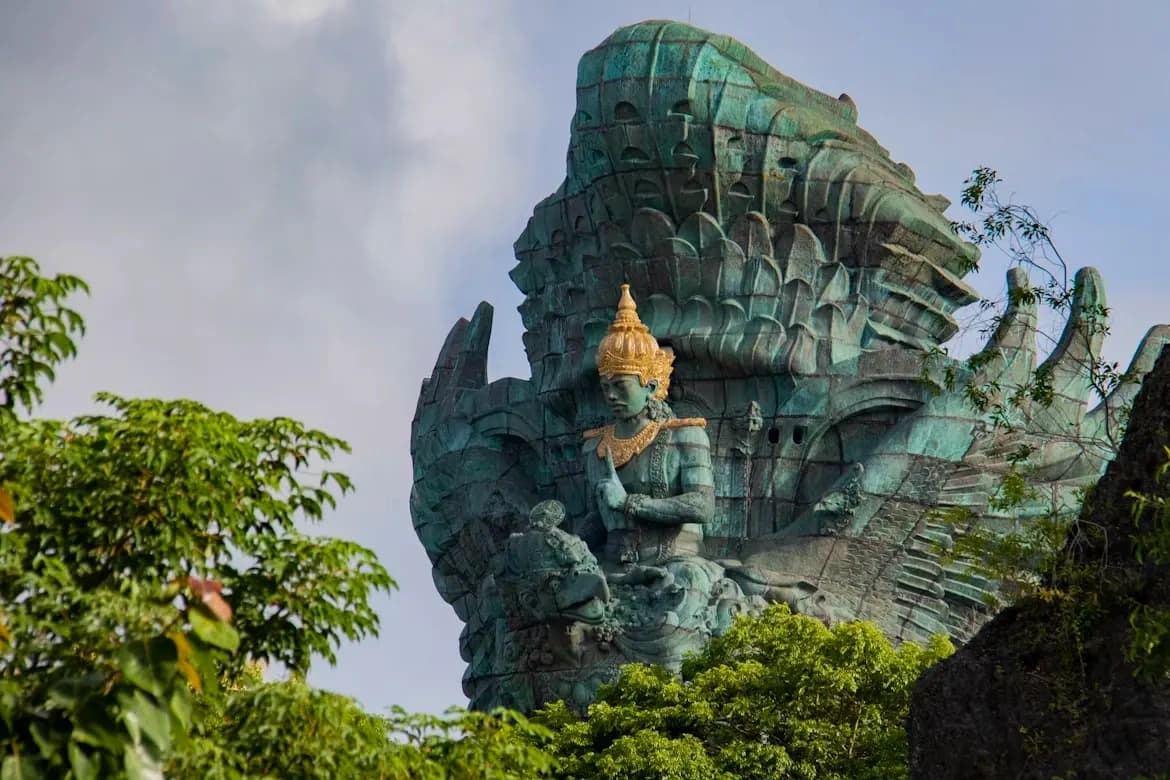
The Financial Spectrum of Modern Bali
The Financial Spectrum of Modern Bali
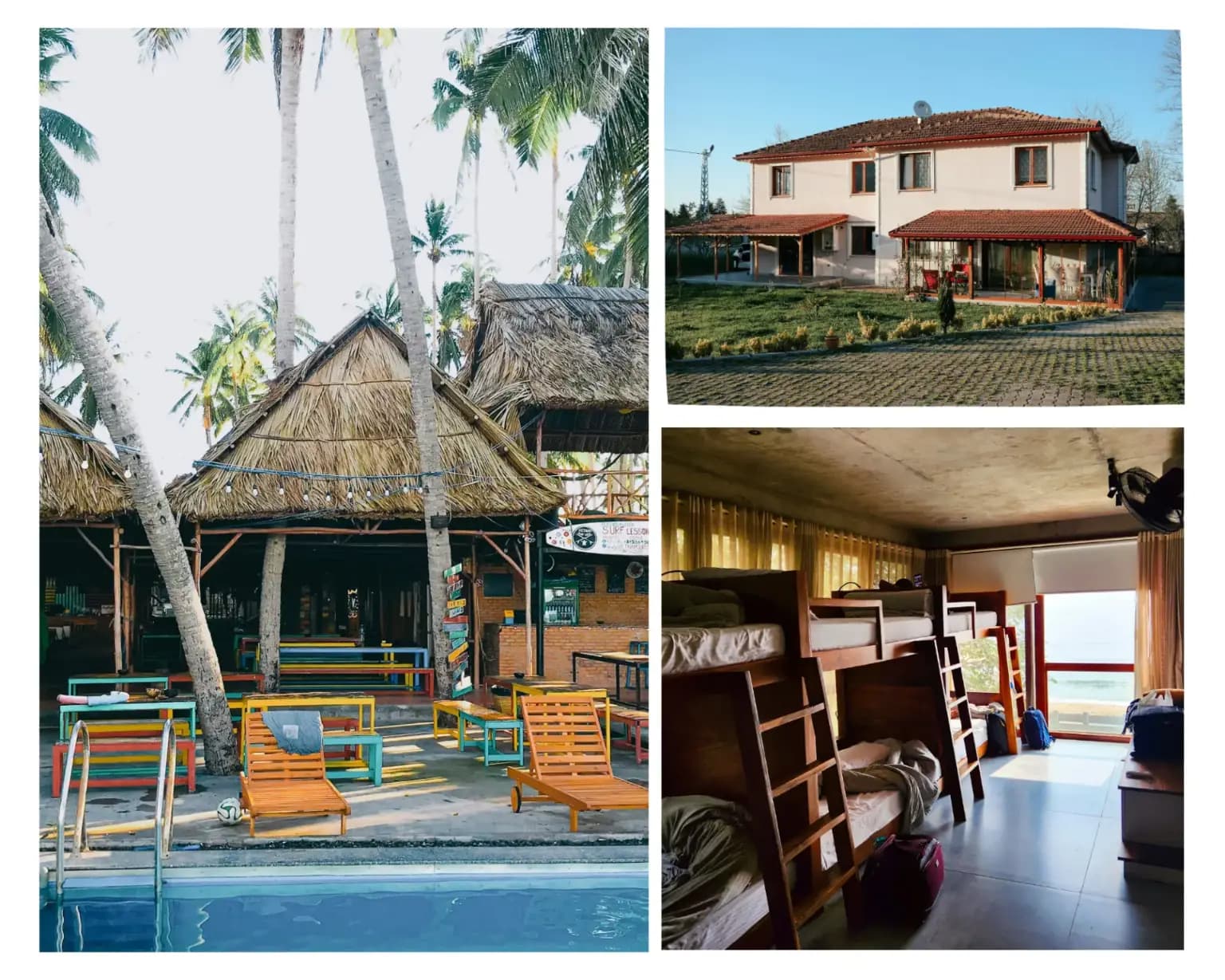
One of the most remarkable aspects of travelling in Bali is its incredible economic elasticity. It is one of the few tropical destinations on earth where a budget backpacker can comfortably survive on $35 a day, staying in tropical guesthouses and eating local street food, while right next door, luxury travellers spend $1,000 a night on cliffside villas with private butler service and fine dining. However, because Bali's tourism landscape has evolved rapidly, outdated online budget guides often paint an unrealistic picture of current ground costs.
During my extended stays across the island, I meticulously logged every single operational expense—from official government entry taxes and scooter fuel to Western cafe receipts, temple entry tickets, and foreign exchange markups. Whether you are planning a budget solo adventure, a mid-range couple's vacation, or a high-end honeymoon, this 1,200+ word financial breakdown gives you the exact, real-world numbers required to construct an accurate travel budget without unwanted financial surprises.
To see how these costs fit into full day-by-day sightseeing schedules and accommodation zones across the island, visit our Bali Travel Guide Master Hub.
Realistic Daily Spending Categories
Here is how daily operational costs break down per person across three distinct travel tiers (excluding international long-haul flight tickets).
- Clean guesthouse room or hostel dorm
- Authentic local Warung meals
- Self-driven scooter rental + gas
- Public beach visits & basic temple entry fees
- 3 to 4-star boutique hotel or shared villa
- Mix of local warungs & aesthetic Western cafes
- Grab app rides & occasional private driver
- Paid beach club access, surfing lessons, & temple tickets
- 5-star luxury resort or private pool villa
- Fine dining restaurants & premium beach club daybeds
- Dedicated private car with full-time driver
- Private boat charters, luxury spa treatments, & guided tours
Itemized Costs, Taxes, and ATM Money Hacks
1. Mandatory Government Entry Fees & Visas
Before you spend a single rupee on food or activities, set aside a budget for mandatory entry paperwork:
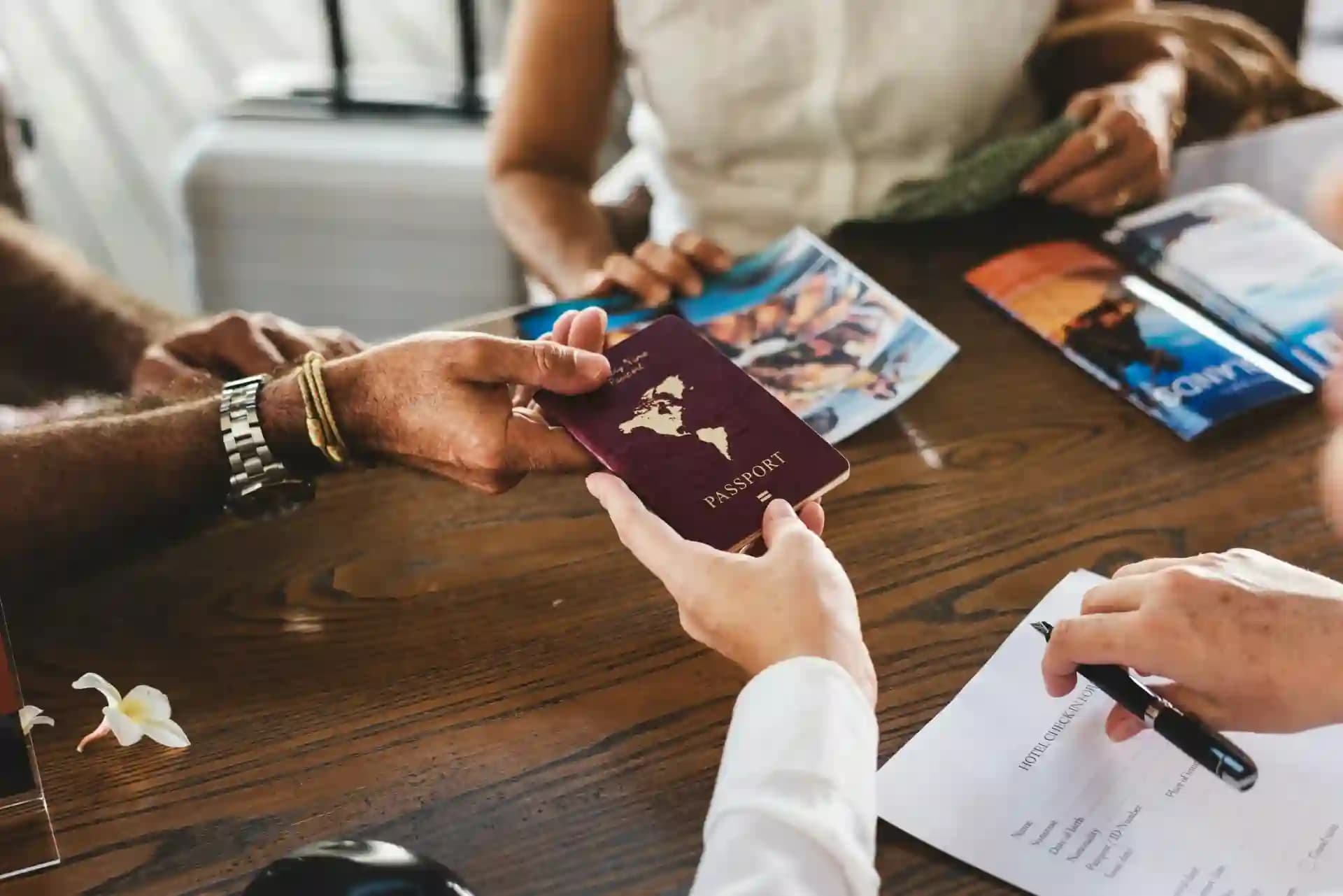
Visa on Arrival (VoA / e-VoA): All foreign tourists entering Indonesia require a 30-day Tourist Visa on Arrival, which costs IDR 500,000 (approx. ₹2,600 – ₹2,800) per person. I strongly advise applying for the electronic e-VoA on the official Indonesian immigration website prior to departure. Having your e-VoA pre-approved lets you use the automated electronic gates at Denpasar Airport, bypassing 45-minute queues at manual payment windows.
Bali Foreign Tourist Levy: Indonesia enforces an official environmental protection levy of IDR 150,000 (approx. ₹800 – ₹850) per foreign visitor. Pay this fee online through the official 'Love Bali' portal before landing to store your QR proof of payment on your phone.
2. Accommodation Price Realities
Accommodation rates fluctuate dramatically between the dry high season (July–August, December) and the wet rainy season (January–March).
Budget Guesthouses: Air-conditioned private rooms in local family compounds (Homestays) in Ubud or Sanur cost between IDR 250,000 and IDR 350,000 per night (approx. ₹1,350 – ₹1,900 per night), frequently including breakfast and high-speed Wi-Fi.
Mid-Range Boutique Hotels & Private Pool Villas: A private one-bedroom villa with a pool in Canggu or Uluwatu costs between IDR 800,000 and IDR 1,500,000 per night (approx. ₹4,200 – ₹8,000 per night).
Luxury Jungle & Ocean Resorts: World-class resorts like the Four Seasons Sayan or Bulgari Resort Uluwatu range from IDR 4,500,000 to IDR 12,000,000+ per night (approx. ₹24,000 – ₹64,000+ per night).
3. Food & Beverage: Local Warungs vs Western Cafes
Your food budget depends entirely on dining choices:
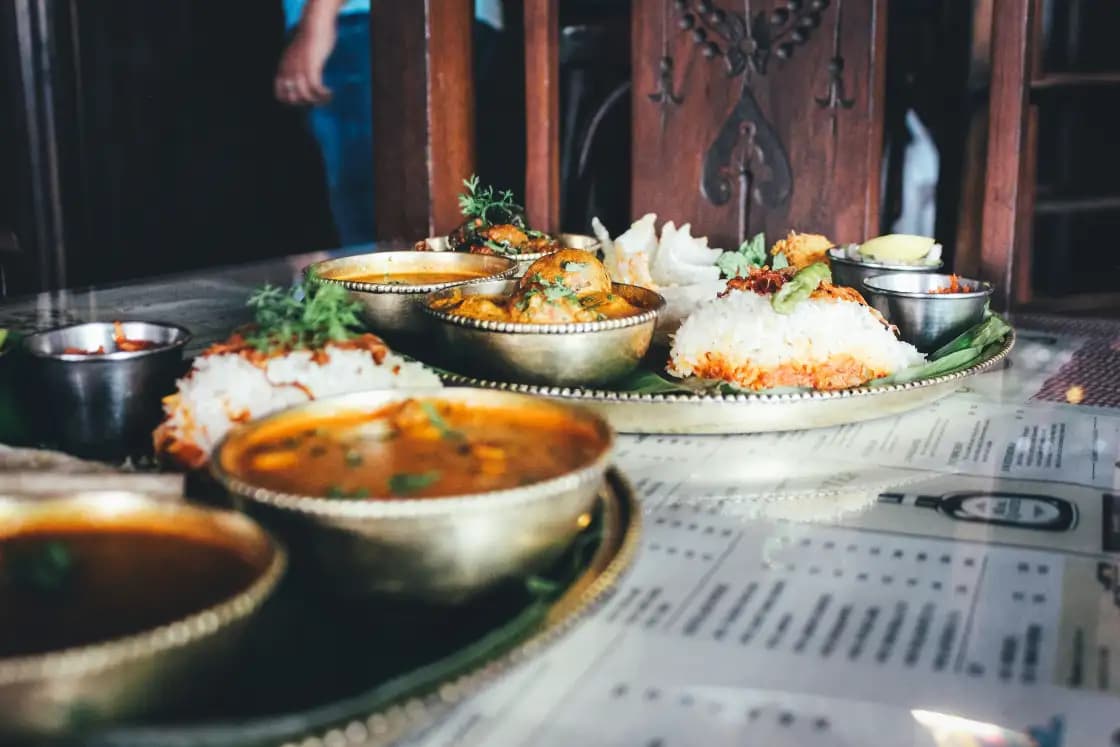
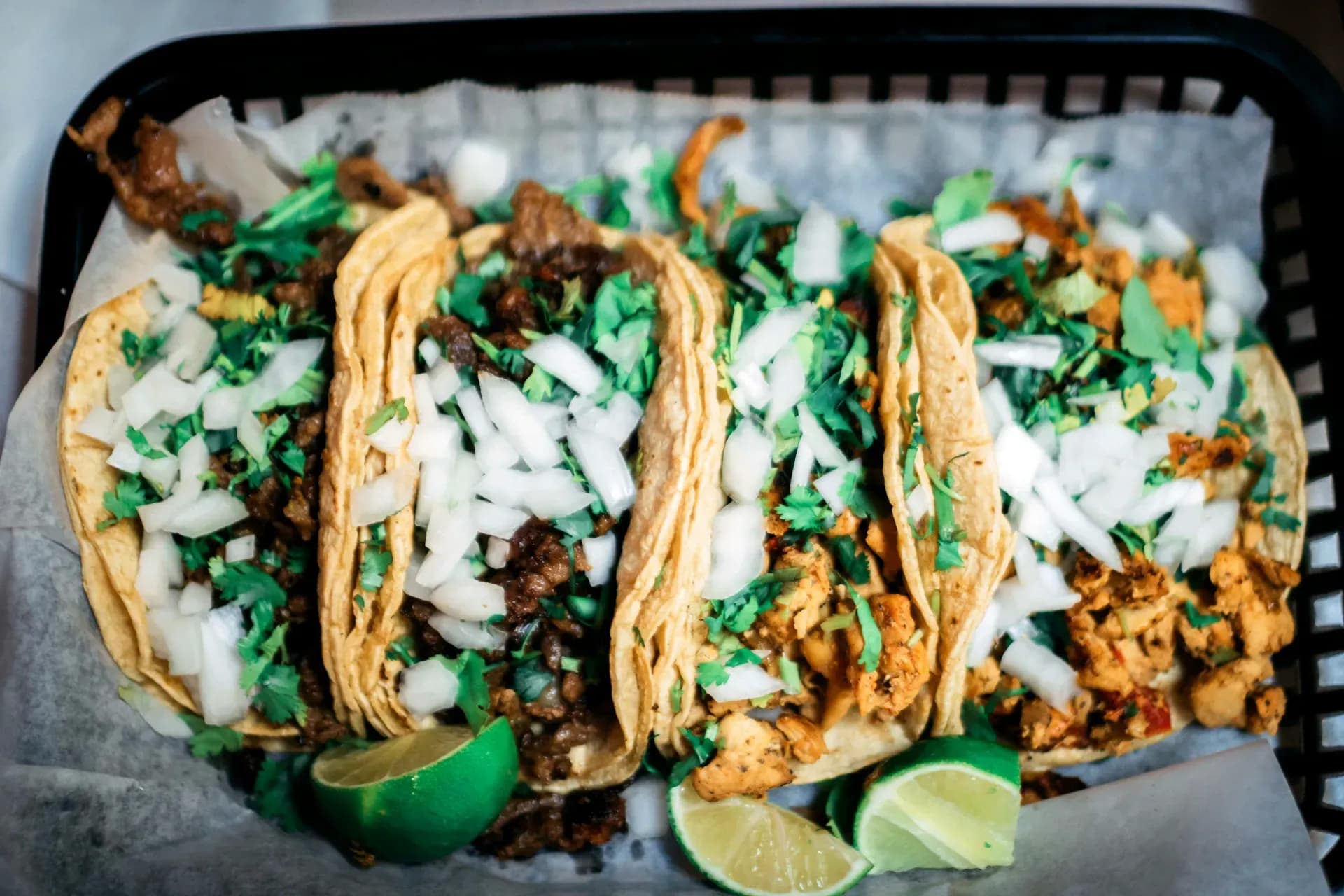
Local Indonesian Warungs: Eating at authentic local eateries like Warung Nasi Campur is incredibly cheap. A full plate of steamed rice topped with spiced chicken, fried tempeh, egg, and fresh sambal costs between IDR 25,000 and IDR 40,000 (approx. ₹130 – ₹215). Eating local twice a day keeps daily food costs under ₹500 – ₹800.
Western Aesthetic Cafes: Canggu, Seminyak, and Ubud are famous for health-conscious Western cafes. A standard brunch consisting of smashed avocado toast with poached eggs, a fresh smoothie bowl, and a speciality flat white coffee averages IDR 150,000 to IDR 210,000 (approx. ₹800 – ₹1,150) per person. Note that mid-to-high-end establishments automatically add a 10% government tax and a 5% to 7% service charge to the final bill.
4. Critical ATM Money Hacks: Avoid 7% Exchange Loss
When withdrawing local currency (Indonesian Rupiah - IDR) from ATMs in tourist towns, foreign machines present a deceptive prompt asking if you want to complete the transaction 'With Conversion' (Dynamic Currency Conversion) or 'Without Conversion'.
The Golden Financial Rule: ALWAYS select 'Without Conversion' (or 'Decline Conversion'). When you accept the local ATM's conversion rate, the Indonesian bank applies a markup fee of 5% to 8% above the official market exchange rate. Selecting 'Without Conversion' forces the transaction through your home bank's wholesale interbank rate, saving you substantial money (approx. ₹1,200 – ₹2,500+) over a multi-week vacation. Stick to official bank branch ATMs like Bank Mandiri, BCA, or BRI to eliminate card skimming risks.
Disclaimer: Please note that all prices, conversion rates (IDR to INR), and entry fees mentioned above are estimates based on current market rates. Prices for hotels, transport, and dining are subject to change depending on travel season (peak vs. off-peak), room availability, inflation, and currency exchange rate fluctuations at the time of booking