Navigating Bali's Infrastructure
The Reality of Bali's Infrastructure
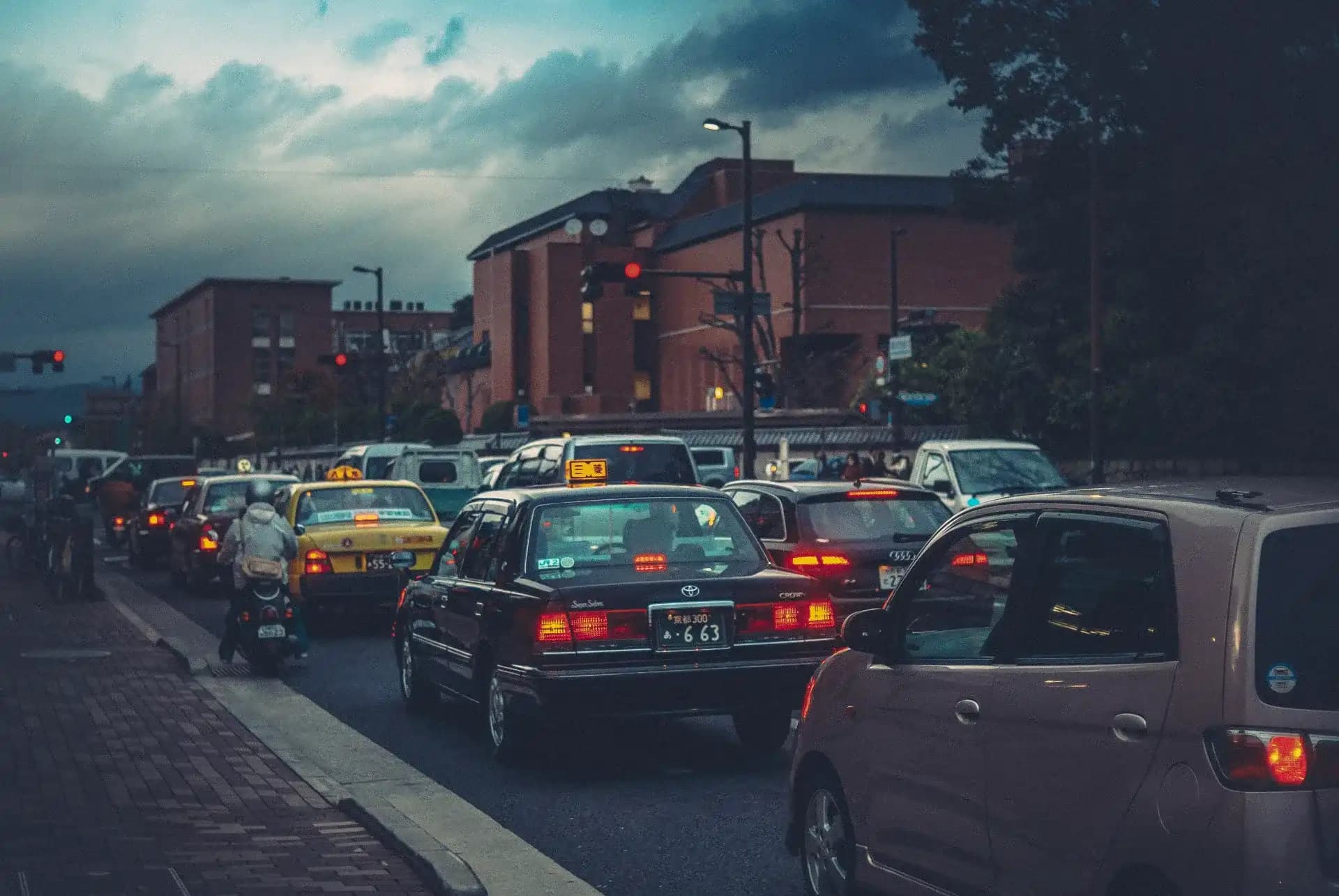
When you step out of Ngurah Rai International Airport (DPS) into the humid air of Denpasar, the immediate wall of chaotic traffic can feel overwhelming. Bali does not possess a public train system, a metro line, or an island-wide public bus network. The vast majority of roads across popular hubs like Seminyak, Canggu, Ubud, and Uluwatu were originally carved through local villages to handle agricultural carts and modest local scooter traffic. Today, these exact same narrow lanes carry millions of international tourists, delivery trucks, ride-hailing cars, and private vans every single day.
As a result, transit strategy isn't just a minor logistical detail in Bali—it literally makes or breaks your daily itinerary. A distance of just 12 kilometres between Seminyak and Canggu can take 20 minutes on a Sunday morning or an agonising 1 hour and 45 minutes during late afternoon peak hours. Over multiple extended trips across every corner of the island, I have navigated torrential monsoon downpours on a 125cc scooter, negotiated with local traditional taxi unions in village ban zones, and logged thousands of kilometres with private local drivers. This comprehensive field manual breaks down every transport mode so you can move around Bali safely, legally, and efficiently.
If you are currently mapping out your full trip itinerary, weather windows, and top attractions alongside your transport plan, make sure to explore our main Comprehensive Bali Travel Guide for a complete island breakdown.
Transport Modes Covered
- Scooter & Motorbike Rentals
- Ride-Hailing Apps (Grab & Gojek)
- Private Hired Drivers & Cars
- Metered Taxis & Airport Transfers
Detailed Transport Breakdown
1. Renting a Scooter: Absolute Freedom vs High Physical Risk
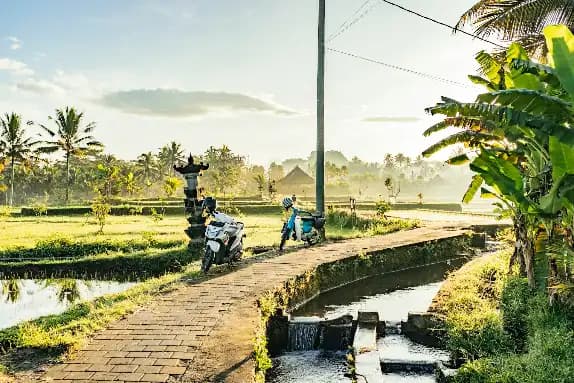
Renting a scooter is the most popular choice for solo travellers and young couples staying in high-density areas like Canggu, Seminyak, or central Ubud. Because two-wheelers can filter through stalled lines of cars and take shortcut lanes through rice paddies (such as the infamous Canggu Shortcut), a scooter often cuts travel times in half.
Daily Rental Rates & Vehicle Types: Expect to pay between IDR 80,000 and IDR 100,000 per day (~$5 to $7 USD) for a basic 125cc scooter like a Honda Vario or Scoopy. Larger, more comfortable models like the Yamaha NMax or Honda PCX cost between IDR 130,000 and IDR 180,000 per day (~$8 to $12 USD). Long-term monthly rentals drop rates down to IDR 1,200,000 – IDR 2,200,000 per month.
The Legal & Insurance Checkpoint Trap: This is where many tourists suffer severe financial penalties. Indonesian law strictly requires foreign drivers to carry their national home driving license alongside a valid International Driving Permit (IDP) featuring an explicit motorcycle endorsement. Local police conduct daily routine traffic checkpoints along major roads in Uluwatu, Sunset Road, and Canggu. If you are pulled over without an IDP with a two-wheeler stamp, you will face on-the-spot cash fines. More importantly, if you get into an accident, international travel insurance companies will instantly reject your medical claims if you were operating a scooter without the legal licensing required in Indonesia.
Road Hazards & 'Bali Tattoos': Road surfaces across Bali are notorious for sudden potholes, unpaved drainage grates, and fine layers of loose volcanic sand on sharp turns down to southern cliff beaches. Scrapes and burns from minor crashes are so common that locals call them 'Bali Tattoos.' Always wear a strapped, full-coverage helmet, avoid riding in heavy monsoon rain when roads flood, and never operate a two-wheeler under the influence of alcohol.
2. Ride-Hailing Apps: Grab and Gojek (And How to Handle Ban Zones)
Smartphone apps have transformed transport across Indonesia. The two dominant platforms are Grab and Gojek. Both apps allow you to request motorcycle taxis (GrabBike / GoRide) for quick solo hops or four-wheeler vehicles (GrabCar / GoCar) for comfort and luggage transfers.
Pricing & Usability: Pricing is fixed upfront inside the app, eliminating the need to haggle with unmetered drivers. A short scooter ride across town costs between IDR 15,000 and IDR 35,000 ($1 to $2.50 USD), while car rides range from IDR 50,000 to IDR 150,000 depending on distance and surge pricing.
Navigating Local Traditional Taxi Union Restricted Zones: In various regions of Bali—most notably Central Ubud, Uluwatu cliff zones, Tanah Lot, Canggu main hubs, and Sanur Port—traditional local taxi associations ('Pangkalan') enforce strict ban zones against digital ride-hailing platforms. You will see large wooden signs declaring 'Grab and Gojek Pick-Up Prohibited Here.' These unions aim to protect the livelihoods of local drivers who charge higher fixed fares.
Field Workaround: Digital drivers are almost always allowed to drop off passengers inside these zones without conflict. However, if you need a pick-up in a restricted zone, simply walk 200 to 300 meters away from the designated local taxi stand or hotel lobby onto a main arterial road outside the union's boundary before requesting your ride.
3. Hiring a Private Car with Driver: Best Choice for Day Sightseeing
If you are traveling as a family, in a group of three or more, or planning a multi-stop day trip across waterfalls, temples, and rice terraces, hiring a private vehicle with a local driver is the safest, most comfortable, and surprisingly cost-effective option.
Daily Rates & Inclusions: A standard 7-seater Toyota Avanza or Suzuki APV with an English-speaking driver costs between IDR 600,000 and IDR 800,000 (~$40 to $55 USD) for a full 10 to 12-hour day. This rate almost always includes vehicle fuel and driver service, though small parking fees (IDR 5,000 to 20,000 per sight) and toll road fees are paid directly by the passenger.
Why a Local Driver Adds Value: Local drivers double as informal cultural guides, know hidden back-country shortcut roads to bypass main highway standstills, manage parking headaches at overcrowded attractions, and keep your luggage safely locked inside the air-conditioned car while you hike waterfalls or explore temples.
4. Metered Blue Bird Taxis vs Street Taxis
When you need a quick metered ride without using an app, look specifically for Blue Bird Taxis (light blue cars with a bird logo on the roof light and driver uniforms). Blue Bird is Indonesia's most reliable metered taxi company. Ensure the driver turns on the meter ('Agro') upon entry. Beware of independent street taxis painted in similar shades of blue that attempt to negotiate inflated fixed rates before you get in.
Disclaimer: Please note that all prices, conversion rates (IDR to INR), and entry fees mentioned above are estimates based on current market rates. Prices for hotels, transport, and dining are subject to change depending on travel season (peak vs. off-peak), room availability, inflation, and currency exchange rate fluctuations at the time of booking.