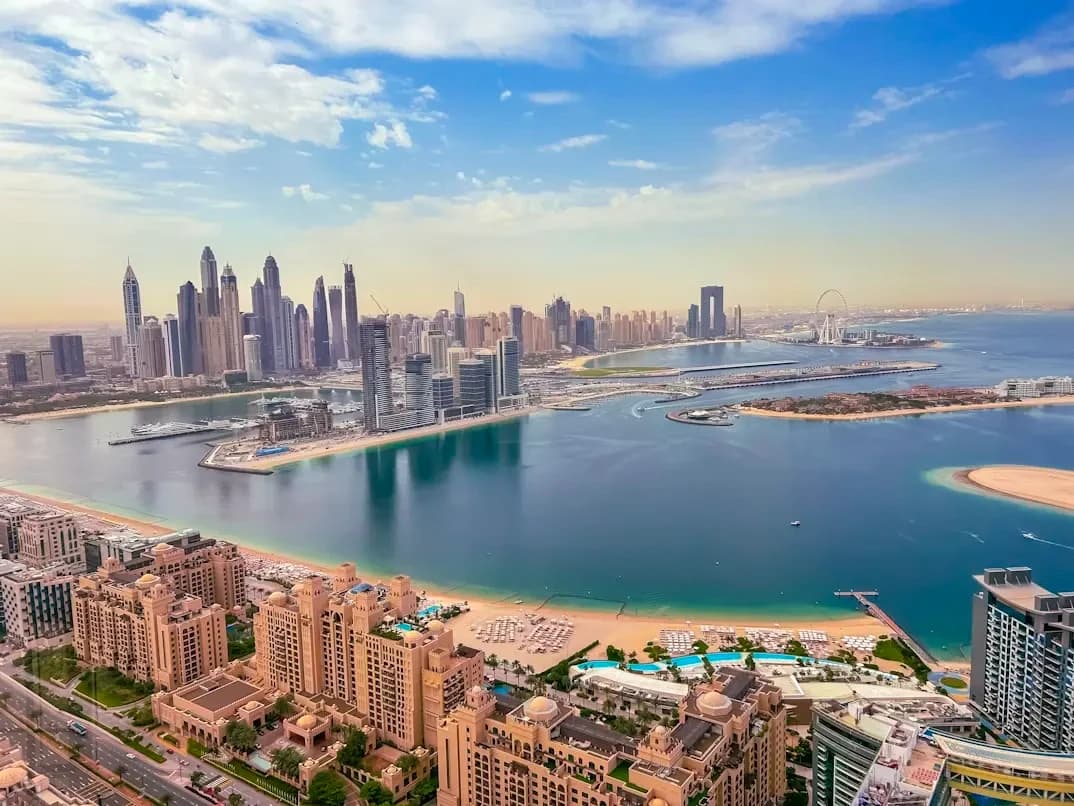
Best Time to Visit Dubai: Month-by-Month Weather, Festival Guide & Seasonal Hacks
The Reality of Planning a Trip to Dubai
When most travellers think of Dubai, they picture glittering skyscrapers, endless luxury shopping malls, sweeping golden desert dunes, and opulent beach resorts. However, many first-time visitors make a critical mistake when booking their flights: failing to account for the extreme seasonal temperature swings of the Arabian desert. Dubai essentially operates under two distinct seasons—a delightfully mild, sun-drenched winter and an intensely scorching, high-humidity summer.
Having travelled to and navigated Dubai across peak winter festivals, shoulder seasons, and the blistering heat of mid-July, I can tell you firsthand that visiting in January versus July offers two entirely different travel experiences. A temperature shift from 24°C in January to 45°C in August completely changes what you can comfortably do outdoors. Walking along the Dubai Marina Promenade or taking an evening walk through Global Village becomes impossible in mid-summer unless you adapt your daily schedule.
In this comprehensive, field-tested 1,300+ word seasonal guide, I will break down Dubai's weather month-by-month, detail major shopping festivals, analyse accommodation price shifts, and share my proven survival hacks for exploring the city during any month of the year. If you are currently mapping out your full trip itinerary, top attractions, and travel budget alongside your timing plan, make sure to explore our main Comprehensive Dubai Travel Guide Master Hub for a complete city breakdown.
Dubai Season-by-Season Comparison
November to February
The Gold Standard: Crisp blue skies and daytime temperatures averaging 20°C to 28°C. Perfect for desert safaris, outdoor theme parks, beaches, and the Dubai Shopping Festival (DSF). Expect higher flight and hotel rates.
March to April & September to October
The Sweet Spot: Moderate weather ranging from 28°C to 35°C. Great balance between warm beach days, reasonable hotel prices, and manageable crowd levels.
May to August
Extreme Heat & Big Discounts: Temperatures climb between 40°C and 48°C with high humidity. Outdoor sightseeing is limited, but 5-star luxury resorts drop rates by 50% to 70% with indoor attractions fully air-conditioned.
Month-by-Month Climate, Shopping Festivals & INR Prices
1. Peak Winter Season: November to February (The Gold Standard)
The winter months represent the absolute prime time to visit Dubai. During this period, the scorching desert heat recedes, giving way to crisp blue skies, comfortable daytime breezes, and cool evenings. Temperatures average between 20°C and 28°C during the day, dropping to a refreshing 14°C to 18°C at night.
What to Expect: This is the ideal window for outdoor adventures. You can spend full afternoons walking through the Miracle Garden, enjoying al fresco dining at Souk Madinat Jumeirah, lounging at JBR Beach, or embarking on evening desert safaris without breaking a sweat. December and January also mark the famous Dubai Shopping Festival (DSF), filling the city with fireworks, outdoor pop-up markets, live concerts, and massive retail discounts.
The Trade-Off (Crowds & Costs): Because weather conditions are perfect, winter is Dubai's peak tourist season. Flight prices from major Indian hubs increase significantly, and luxury to mid-range hotel rates double or triple compared to summer levels. Popular attractions like the Burj Khalifa At The Top observatory, Museum of the Future, and Atlantis Aquaventure waterpark require advance online ticket bookings weeks in advance to secure preferred time slots.
2. Spring & Autumn Shoulder Seasons: March to April & September to October
If you want to balance pleasant weather with moderate crowd levels and reasonable hotel pricing, the shoulder months offer the sweet spot for smart travellers. Daily temperatures average between 28°C and 35°C.
Spring (March & April): March offers ideal beach and pool weather, with seawater temperatures hovering around 23°C to 25°C. By late April, daytime heat begins to climb toward 38°C, but early mornings and late evenings remain pleasant for outdoor sightseeing. It is also a fantastic time for water sports along Kite Beach or visiting outdoor theme parks before they close for summer.
Autumn (September & October): September marks the transition out of summer. While daytime temperatures remain hot (36°C to 39°C) with high sea humidity, October brings a noticeable drop in heat. By mid-October, outdoor venues like Global Village and Dubai Miracle Garden reopen their doors for the winter season, making it a great time to snatch early-season accommodation deals before the November rush.
3. Summer Season: May to August (Extreme Heat & Big Discounts)
Summer in Dubai is characterised by relentless heat and intense coastal humidity. Daytime temperatures frequently spike between 40°C and 48°C, accompanied by humidity levels reaching 80% to 90% along the coast. Outdoor walking for more than 10 to 15 minutes during the daytime becomes physically unsafe due to heat exhaustion risks.
Why Consider Summer Travel? While outdoor sightseeing is limited, Dubai is purpose-built to operate entirely indoors during summer. Every shopping mall, metro station, taxi, hotel, indoor theme park, and restaurant is equipped with heavy-duty air conditioning. Furthermore, luxury 5-star hotels cut their room rates by 50% to 70%, offering incredible luxury deals. During the annual Dubai Summer Surprises (DSS) festival, major attractions offer 'Kids Go Free' promotions, and shopping malls host massive indoor sales events.
Real Flight & Hotel Budget Ranges (per night / per person in INR ₹ & AED)
Peak Winter Season (Nov – Feb):
• 3/4-Star Hotels: AED 450 – AED 950 (approx. ₹10,200 – ₹21,500 per night)
• 5-Star Luxury Resorts: AED 1,400 – AED 4,500+ (approx. ₹31,500 – ₹1,02,000+ per night)
• Round-trip Flights from India: approx. ₹22,000 – ₹38,000 per person
Shoulder Season (Mar – Apr & Sep – Oct):
• 3/4-Star Hotels: AED 280 – AED 550 (approx. ₹6,300 – ₹12,500 per night)
• 5-Star Luxury Resorts: AED 850 – AED 2,200 (approx. ₹19,200 – ₹49,800 per night)
• Round-trip Flights from India: approx. ₹17,500 – ₹26,000 per person
Summer Off-Peak Season (May – Aug):
• 3/4-Star Hotels: AED 150 – AED 300 (approx. ₹3,400 – ₹6,800 per night)
• 5-Star Luxury Resorts: AED 450 – AED 1,100 (approx. ₹10,200 – ₹24,900 per night)
• Round-trip Flights from India: approx. ₹13,500 – ₹19,500 per person
Pro Survival Hacks for Visiting Dubai in Summer
1. Master the Indoor Ecosystem: You can spend an entire day exploring world-class attractions without ever walking outside in the sun. For example, you can take an air-conditioned metro directly into the Dubai Mall metro link, explore the Dubai Aquarium & Underwater Zoo, ski indoors at Ski Dubai (Mall of the Emirates), visit the indoor rainforest at The Green Planet, and watch the La Perle acrobatic show at Al Habtoor City—all inside climate-controlled environments.
2. Reverse Your Daily Schedule: Plan all outdoor activities (like brief photoshoops or walks along the Dubai Marina) for after sunset. Dubai comes alive at night during summer, with air-conditioned night markets, midnight shopping hours, and illuminated beach clubs operating well past 2:00 AM.
3. Hydration & Indoor Waterparks: Drink at least 3 to 4 liters of water daily. If you want to swim, visit indoor/climate-controlled pools or waterparks like Atlantis Aquaventure or Wild Wadi early in the morning at opening time (10:00 AM) when water temperatures are chilled and managed.
PRICE & SEASONALITY DISCLAIMER: Please note that all prices, flight estimates, currency conversion rates (AED to INR), and weather averages mentioned in this guide are subject to change. Rates for hotels, local transport, and attraction tickets vary based on booking seasonality (peak vs off-peak), room availability, major national events, inflation, and live foreign exchange rate fluctuations at the time of your booking.
Common Questions
Quick, practical answers to the questions travellers ask most about Dubai, UAE.