
Best Time to Visit Italy: Decoding Seasons, Crowd Waves & Regional Weather
Finding the Sweet Spot Across the Mediterranean Peninsula
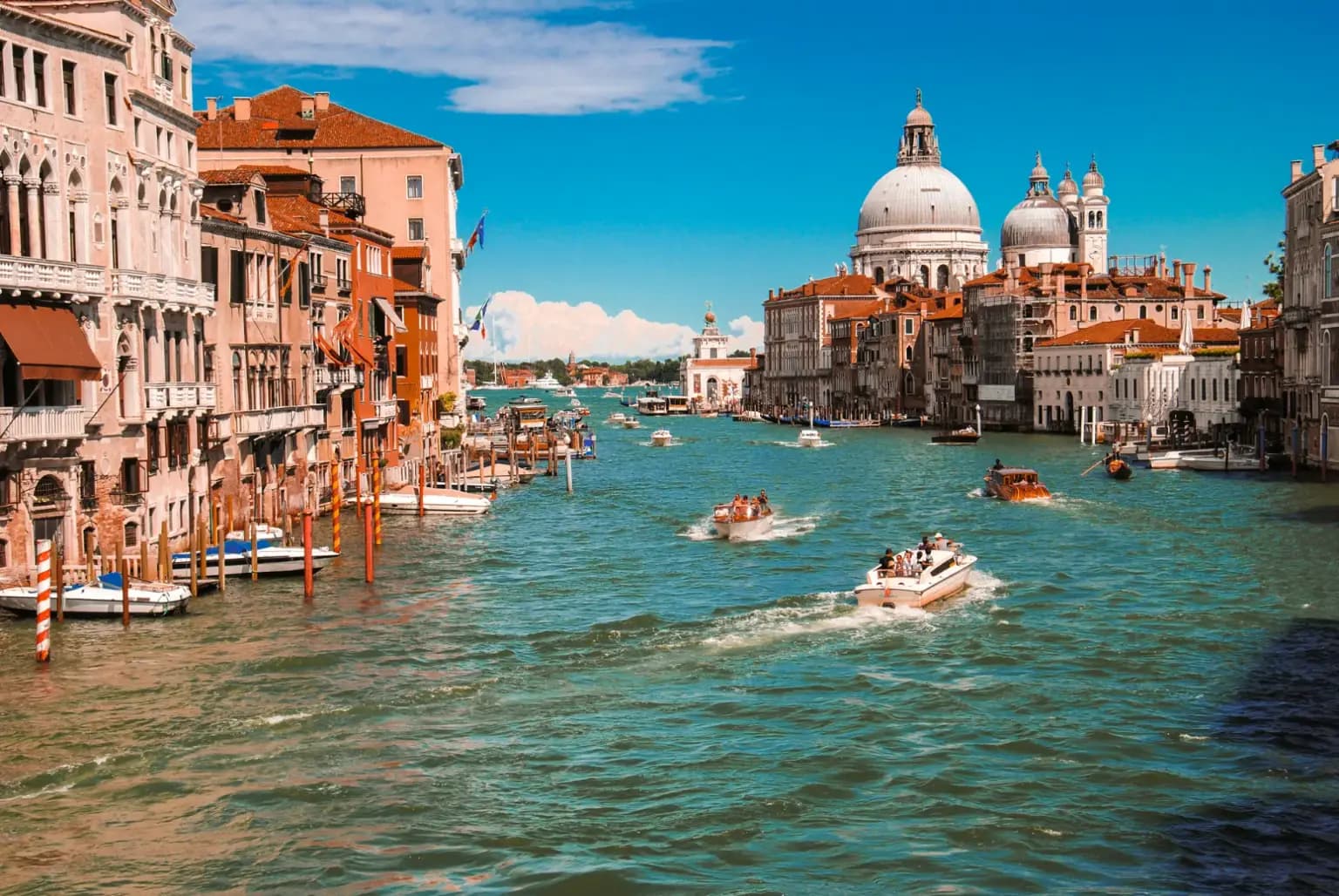
Italy is one of the world's most romantic and culturally rich destinations. From exploring the ancient Colosseum in Rome and admiring Renaissance masterpieces in Florence to drifting down Venice's Grand Canal and soaking in dramatic cliffside vistas along the Amalfi Coast, Italy offers a captivating blend of history, art, and landscapes. However, because Italy attracts tens of millions of international travelers annually, timing your visit carefully is essential for a memorable, stress-free holiday.
Visiting during the peak summer months of July and August can lead to challenging conditions: scorching 38°C heat in Rome, long museum queues under direct sun, packed beach clubs along Amalfi, and elevated peak-season hotel rates. Conversely, traveling during the winter months (November to February) brings lower hotel rates and empty museums, though coastal regions like Amalfi and Positano quiet down significantly, with many seasonal hotels and boat ferries pausing operations until spring.
The secret to experiencing Italy at its best lies in the Shoulder Seasons: Spring (April to June) and Autumn (September to October). During these ideal windows, you will enjoy mild temperatures (18°C to 25°C), blooming Tuscan landscapes or wine harvest festivals, manageable crowds, and full ferry and attraction schedules. Before locking in your flight tickets, explore our main Italy Travel Guide Master Hub to align your regional itinerary with optimal weather windows and Schengen visa applications.
Seasonal Travelers
Who this guide is written for.
- Shoulder Season Sightseers
- Amalfi Coast Beach Lovers
- Tuscan Wine & Harvest Enthusiasts
- Budget Travelers & Art Lovers
Italy's 3 Main Travel Seasons Compared
April – June | September – October
Ideal Weather & Moderate Crowds: Perfect daytime temperatures (18°C to 25°C). Ideal for walking through Rome, Tuscan wine tasting, and coastal Amalfi boat rides with pleasant weather.
July – August
Hot & Bustling: High temperatures (30°C to 38°C+). High tourist demand across major cities. Coastal beach clubs and islands (Capri/Sardinia) operate at full peak capacity.
November – March (excl. Holidays)
Crisp & Quiet: Cool to cold weather (5°C to 12°C). Short attraction queues in Rome and Florence, up to 40% lower hotel rates, though coastal Amalfi ferries pause operations.
When to Visit for the Amalfi Coast, Tuscany & Venice Water Phenomena
Amalfi Coast & Capri: Optimal Coastal Window (May to September)
Exploring Amalfi, Positano, and Ravello requires active boat ferries and pleasant sea conditions:
Prime Beach & Boat Window (May to June & September)
Warm, sunny weather with clear blue waters. Passenger ferries operate smoothly between Salerno, Amalfi, Positano, and Capri without the heavy August holiday crowds.
Winter Coastal Shutdown (November to March)
Most coastal ferry routes pause operations, and many cliffside boutique hotels and seasonal restaurants close for winter renovations.
Tuscany Wine Harvest (*Vendemmia*): September to October
The Grape Harvest
Autumn brings cool breezes and vibrant autumn colors to the rolling hills of Chianti and Val d’Orcia. September and October mark the traditional wine grape and olive harvest (*Vendemmia*), featuring local food festivals (*Sagre*).
Venice Acqua Alta (High Water Phenomenon): November to December
High Tide Fenomena
During late autumn and winter, seasonal high tides occasionally flood lower areas of Venice (such as St. Mark's Square) for a few hours at a time. The city places raised wooden elevated walkways (*Passerelle*), and the MOSE barrier system keeps major flooding managed.
Month-by-Month Weather & Hotel Budget Expectations (in EUR € & INR ₹)
1. Shoulder Seasons (Spring & Autumn): The Golden Window
Pleasant weather makes spring and autumn the prime choice for walking tours and regional train travel across Italy.
• Budget Expectations (per night):
- Budget Guesthouse / B&B: €70 – €120 (₹6,300 – ₹10,800) per night
- Mid-Range 3/4-Star Boutique Hotel: €150 – €320 (₹13,500 – ₹28,800) per night
- Luxury Heritage Hotel / Cliffside Resort: €550 – €1,400+ (₹49,500 – ₹1,26,000+) per night
2. Summer Peak (July & August): High Demand in Coastal Zones
Summer brings hot days across Southern Europe. Booking hotels and high-speed train tickets 2 to 4 months in advance is essential to secure reasonable rates.
3. Winter Low Season (November to March): Up to 40% Savings for Art Lovers
Crisp winter days offer short lines at the Vatican Museums, Uffizi Gallery, and Colosseum, alongside lower accommodation rates in Rome, Florence, and Milan.
4. Important Information & Legal Disclaimer
LEGAL, CLIMATE & PRICE DISCLAIMER: All regional weather breakdowns, seasonal hotel room tariffs, attraction pricing, ferry availability, and currency exchange rates (EUR/INR) mentioned in this guide are based on verified 2026 ground field data. Climate patterns across Mediterranean Europe are subject to seasonal variations and heatwaves. Coastal boat ferry operations along the Amalfi Coast, Cinque Terre, and Capri depend strictly on daily maritime weather clearances issued by local harbor authorities. Travelers are advised to verify real-time weather forecasts, high-speed train schedules, and official Schengen visa processing timelines prior to making non-refundable travel bookings. The author and platform bear no legal liability for weather disruptions, ferry cancellations, or pricing updates.
Common Questions
Quick, practical answers to the questions travellers ask most about Italy.