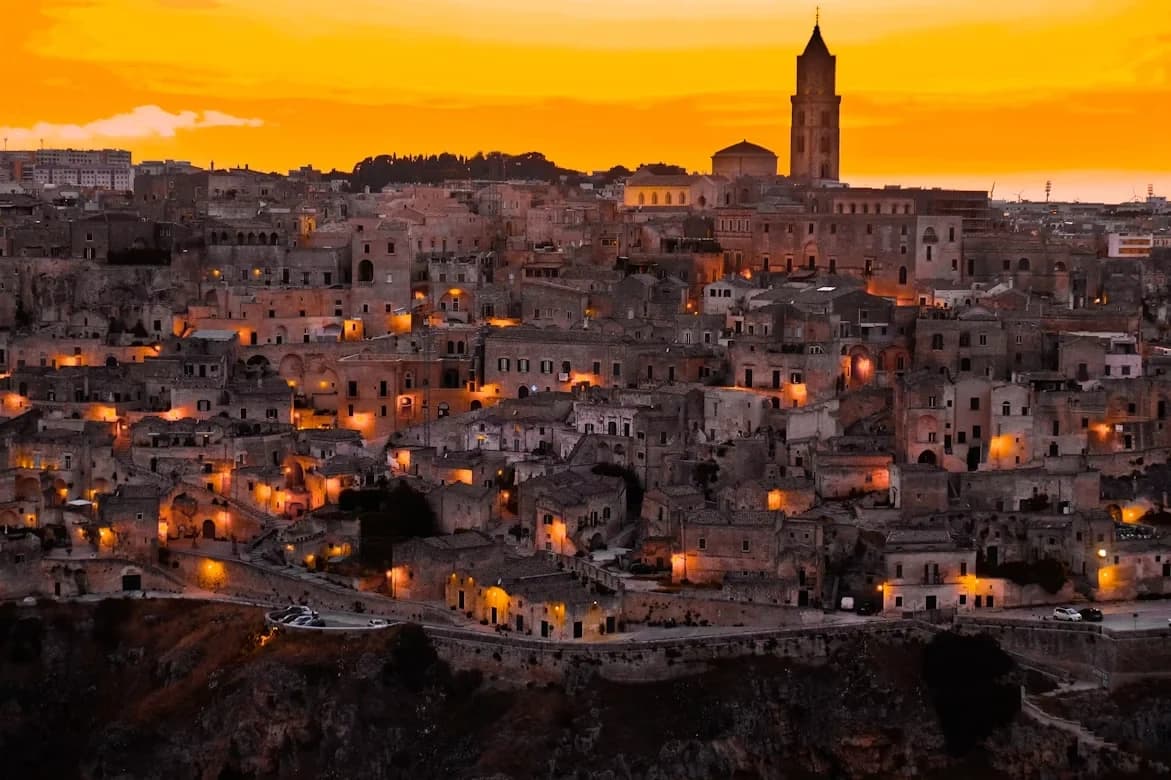

Honest review about Italy
I met Giulia Ferrante a 44 year old woman, born and raised in Rome Trastvere neighbourhood. i met her Tuesday morning at a bar near Campo de' Fiori and she told me how tourists get wrong about Italy. After when i told her to meet me in the cafe she said "Not a café" she corrected me on that immediately. "We call them bars," she said, sliding a macchiato across the counter before I'd finished asking. "The word café is French. I don't know why tourists insist on it."
She has spent the better part of three decades watching her city and her country get misunderstood by millions of visitors every year. She is not bitter about it, exactly. But she is tired. And tired people, as any journalist will tell you, make the best sources.
We spoke for nearly two hours. She drank three coffees standing up, each one lasting about forty-five seconds. By the time we were done, I had pages of notes and a very different picture of Italy than the one I had arrived with. This is what she told me.
The Cappuccino Rule Is Real — and Yes, Locals Are Judging You
Reality behind ordering a Cappuccino during unusual time.
"I know it sounds like a cliché at this point," Giulia said. "But I promise you it is not. When a tourist orders a cappuccino at 2 in the afternoon, we really do look at each other. It is not rude — we will make it, we will smile — but inside, every barista in Italy is suffering a little."
The rule, for those who don't know: Cappuccino is strictly a morning drink in Italy. The milk is heavy. You drink it before noon, ideally before 10.
After a meal, you drink espresso. After dinner, maybe an amaro or a grappa. Never a cappuccino after pasta.
"The milk sits on the food," Giulia explained. "Italians genuinely believe it disrupts digestion. We are not being snobby. Well — sometimes we are a little snobby. But mostly it is a health thing."
She added: "Latte is also not a drink here. If you ask for a latte in Italy, you will get a glass of warm milk. Which I suppose is what you ordered, technically."
You Are Eating at the Wrong Time
This is perhaps the single biggest cultural mismatch between Italian daily life and tourist behaviour.
Italians do not eat dinner at 6 pm. Or 7 pm. The average Roman sits down for the evening meal at 8:30 pm at the earliest. Nine o'clock is perfectly normal. Ten is not unusual.
"The restaurants that are full at 6:30 in the evening? Those are tourist restaurants," Giulia said plainly. "The locals are not there. Look inside: are there Italians eating with their families? If not, you are in a trap. I am sorry, but it is the truth."
The same logic applies to lunch. Italians eat lunch between 1 pm and 2:30 pm. If you show up at noon, the kitchen may technically be open, but the cook is not yet in the right frame of mind.
"Italians cook with emotion," Giulia told me, completely seriously. "If you arrive too early, the emotion is not there yet."
Her Practical Advice
Walk past the restaurants directly beside the monuments.
Go two or three streets back.
Look for handwritten menus, or for menus that don't have a photograph of every dish.
Look for tables where Italian families are arguing loudly about something unrelated to food.
Sit down after 8 pm. "That is when you will feel Italy," she said.
Tipping Is Not What You Think
Many tourists — especially those arriving from the United States — over-tip in Italy, which sounds like a compliment but can actually create awkward situations.
- Tipping is not built into Italian culture the way it is in America. Servers are paid a liveable wage.
- There is often a coperto (cover charge) already added to your bill, which covers the bread and the table.
"When an American leaves 20 percent on top of the coperto, it is a kind gesture," Giulia said. "But it is also a little confusing. Some servers don't know what to do. They think maybe you made a mistake."
- Rounding up the bill is standard.
- Leaving a few euros on the table for good service is generous and appreciated.
- Calculating percentages on a smartphone is, in Giulia's words, "a bit much."
The Aperitivo Hour Is the Best Part of the Day — and Most Tourists Skip It
Between approximately 6 pm and 8 pm — the gap before Italians eat dinner — is the aperitivo hour.
In many bars and restaurants across the country, you pay for a drink and receive, at no extra charge, a spread of small snacks: olives, chips, small sandwiches, bruschetta, sometimes full hot dishes in cities like Milan.
"It is not just a snack," Giulia said firmly. "It is a ritual. It is the time of day when work stops and life begins again. When you sit down for aperitivo, you are not in a hurry. You are not checking your phone. You are talking to the people in front of you." She looked at me pointedly. I put my phone away.
How It Looks Across Italy
Milan's aperitivo scene is more elaborate than Rome's — you can practically eat a full dinner on the free snacks alone in some Milanese establishments.
But every Italian city has its version.
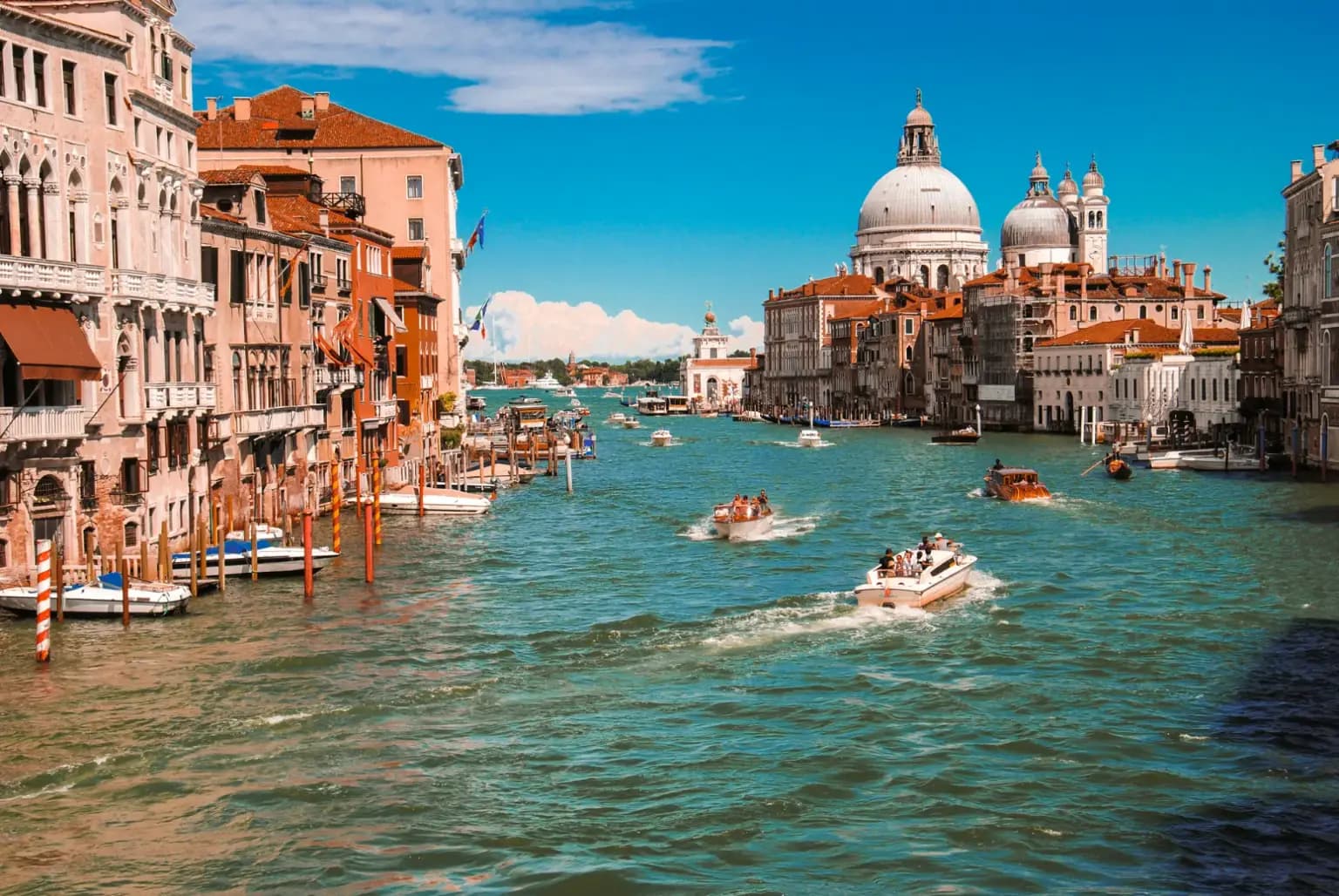
Spritz with olives in Venice.
Negroni with crostini in Florence.
Whatever the format, the principle is the same: slow down, drink something cold, and remember that the evening hasn't started yet.
Italy Is Not One Country — It Is Twenty
This is the mistake that perhaps irritates Giulia the most.
Tourists speak of "Italian food" as though it were a single, unified thing. It is not.
Italy was a collection of separate kingdoms, duchies, and city-states for most of its history. It only unified in 1861 which, in European terms, is practically yesterday.
The culinary and cultural differences between regions are profound.
"A Neapolitan and a Milanese are not the same kind of Italian," Giulia said. "Not even close. The food is different. The temperament is different. The dialect is so different that sometimes we cannot understand each other."
The "Italian Food" Tourists Know From Abroad — Does Not Exist in Italy
Creamy fettuccine Alfredo — not served in Rome.
Garlic bread as most of the world knows it — not an Italian dish.
Chicken parmesan — an Italian-American invention.
"Come with an open mind," Giulia said. "Come hungry. And please, order what the region is known for. Don't ask for a Bolognese in Naples."
August Is When Italy Goes on Vacation — From Itself
August in Italy is extraordinary — and not always in a good way.
Temperatures in Rome and Florence regularly exceed 38°C.
Many local restaurants, shops, and businesses close for the entire month as Italians themselves go on holiday.
"In August, the cities belong to tourists," Giulia said. "The locals have left. What you are experiencing is a version of Italy that Italians themselves do not experience. It is like going to someone's home when they are on vacation and deciding you know how they live."
What Tourists Get Right
"The enthusiasm is real," she said. "Tourists arrive and their faces are — it is something. You can see that Italy still does something to people. That makes me proud."
She has a soft spot for visitors who make any effort with the language.
"You don't need to be fluent. But if you say Buongiorno when you walk in and Grazie when you leave, everything changes. Everything. The whole transaction becomes warmer. We are not difficult people. We just like to be acknowledged."
Giulia's One Final Piece of Advice
Near the end of our conversation, I asked Giulia what single piece of advice she would give every tourist arriving in Italy. She thought about it for a while.
"Stop being in a hurry," she said finally. "You have flown thousands of kilometres to be here. And then you run from monument to monument with a list. Slow down. Sit somewhere. Order a coffee. Watch what the people around you are doing. Italy is not a checklist. It is a way of being. And if you slow down enough, you might actually feel it."
She finished her third coffee, set the small cup down on the counter with a precise little click, and went back to her day.
Visual journey
Italy in different fonts
Common Questions
Quick, practical answers to the questions travellers ask most about Italy.
A: As Giulia Ferrante said in her review that the average Roman sits down for dinner at 8:30 pm at the earliest. Nine o'clock is perfectly normal. Ten is not unusual. If a restaurant is packed before 7 pm, that is a clear sign it is catering to tourists rather than locals — and the food and prices will reflect that accordingly. The same principle applies to lunch: Italians eat between 1 pm and 2:30 pm. Arriving at noon is technically possible, but the kitchen is not yet in the right frame of mind.
According to the local "Giulia Ferrante" , tipping is not mandatory or culturally expected in Italy the way it is in the United States. Servers are paid a liveable wage, and most restaurant bills already include a coperto — a cover charge of €1–3 per person that covers the bread and the table service. Rounding up the bill or leaving a couple of euros for genuinely good service is generous and appreciated. Calculating a percentage tip on a smartphone is considered unnecessary and slightly awkward by Italian standards.
Not rude exactly but as the local resident said that the barista will make it and smile. But yes, locals notice, and it marks you immediately as a tourist. The reason is cultural and partly practical: Italians genuinely believe the heavy milk in a cappuccino disrupts digestion after a meal. The correct post-meal drink is espresso — short, strong, and consumed standing at the bar in about forty-five seconds. After dinner, an amaro or a grappa is the local choice.
Aperitivo is a pre-dinner ritual that takes place between roughly 6 pm and 8 pm across Italy. You order a drink — a Spritz, a Negroni, a Campari soda — and the bar provides a spread of free snacks alongside it. The format varies by city: Milan's aperitivo spread can be elaborate enough to substitute for dinner. Venice serves cicchetti at bacari wine bars. Rome is more modest — olives, chips, small sandwiches. Walk into any bar that looks lively around 6:30 pm, order a drink, and let the evening begin properly.
According to Giulia Ferrante it depends entirely on what experience you are after. Temperatures regularly exceed 38°C in Rome and Florence. Many local restaurants, shops, and businesses close for the entire month as Italians take their own summer holidays. What remains is a version of Italy populated almost entirely by other tourists — which is a genuinely different experience from what the country is like the other eleven months of the year. For a more authentic visit, April to May and September to October are significantly better windows.