
A Personal Take From Someone Who Has Been There
I went to Thailand back in 2022 and I can say that it is not less than Hawaii, I mean I wont say they both are same, they both are completely different but still they compete with each other and here are the reasons why I find Thailand better than other countries in terms of digital nomads.
4 Reasons Thailand Works So Well for Remote Workers
It is truly a decent internet speed. The average fixed broadband speed in Thailand is 230-280 Mbps in big cities. Speed tests at cafes in Chiang Mai are common and will regularly reach 80–100 Mbps, which is sufficient for video calls, heavy uploads and cloud-based work without interruption.
The cost to quality ratio is second to none in Southeast Asia. A full day at a coworking space costs between ₹600–₹1,200 (250–500 THB). Working lunch at a café where there's no threat of you being asked to leave is anywhere between ₹150 and ₹300. An entire productive working day at less than ₹1500/- is possible in Thailand.
The culture is conducive to the use of laptops. Thai café owners aren't as aggressive as some of the European cafés in the "order every hour or leave" way of doing business. Sitting with a laptop for 3 to 4 hours, while drinking one cup of coffee is normal and accepted in most places, particularly Chiang Mai and Bangkok. Isnt it much more polite and also better.
Useful time zone. For those who need to attend meetings in the afternoons in Europe, or US morning calls, Thailand Standard Time (UTC+7) allows you to plan ahead. It is the sweet middle ground for async work with western clients for many nomads.
Ideal For
Who this guide is written for.
- Remote workers and freelancers on long stays
- Digital nomads looking for affordable coworking
- Content creators needing reliable Wi-Fi
- Developers and designers working with Western clients
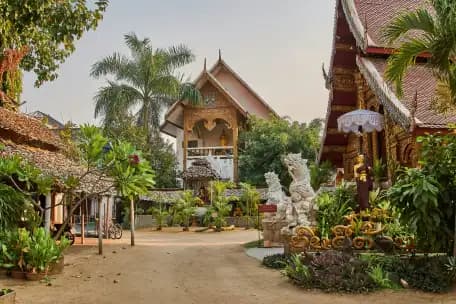
Thailand's digital nomad hub is unarguably Chiang Mai. Long-term rental and co-work spaces are available throughout the Old City and Nimman Road areas, while cafes are plentiful. It is quieter than Bangkok, the air quality (outside burning season March – April) is good and the cost of the living is 20 – 30% cheaper than the capital.
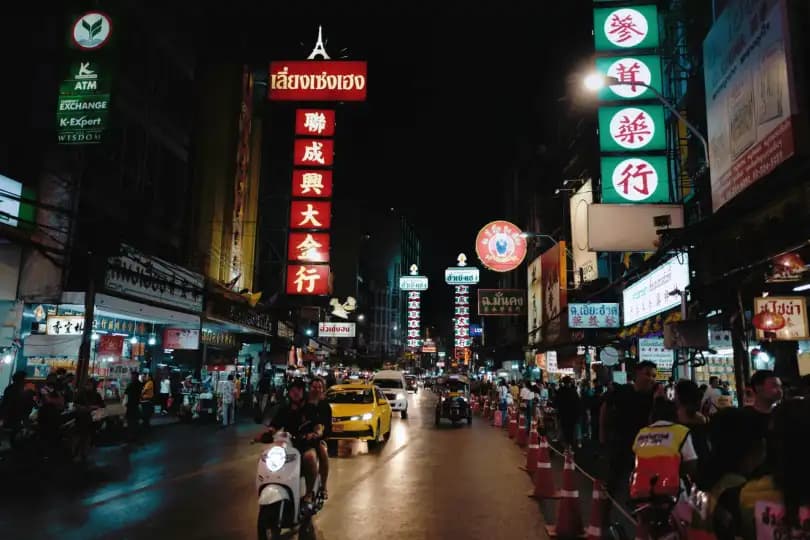
While Bangkok is a city of energy, networking, and all the amenities, it is not the ideal place for nomads to stay. Coworking in places such as Ari, Silom and Ekkamai has become well-developed and professional. If you have to attend meetings, contact clients or the creative industry, then Bangkok is the right choice.
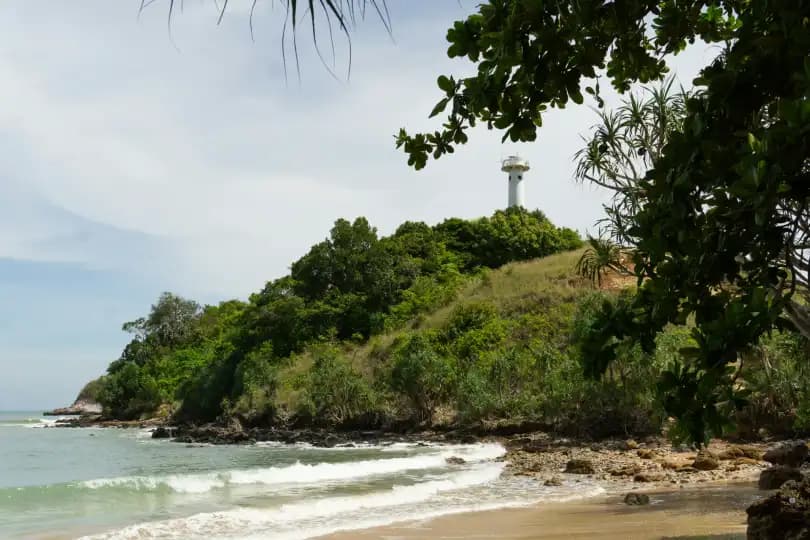
For the nomads that want a slower pace, Pai and Koh Lanta have got you covered with mountain cafes and beach coworking spots, respectively. The cities are faster and more reliable than the Internet, but both have been built up sufficiently to accommodate the individual remote worker whose needs are not too great.

There have been significant enhancements in Phuket and Koh Samui since 2022. Today both islands have their own stand-alone fibre connected coworking spaces. They are suitable for nomads who are prepared to pay a little more for their accommodation in return for a good environment.
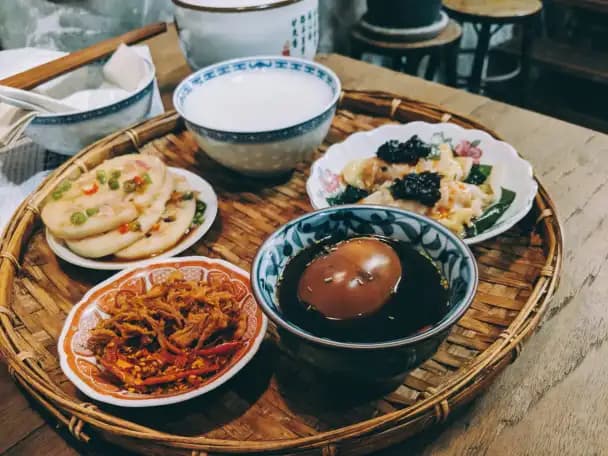
Serious coffee, strong internet (usually 60-80 Mbps), work-distraction-friendly environment, and culture of working guests. The best known nomad café in all Southeast Asia.

Spaces are bigger, there's more than one power outlet per table, ample natural light, no pressure to keep ordering. Busy in the morning after 10 AM arrive early.

Quiet, consistent WiFi, extended seating time. Appropriate for in-depth writing or development tasks.
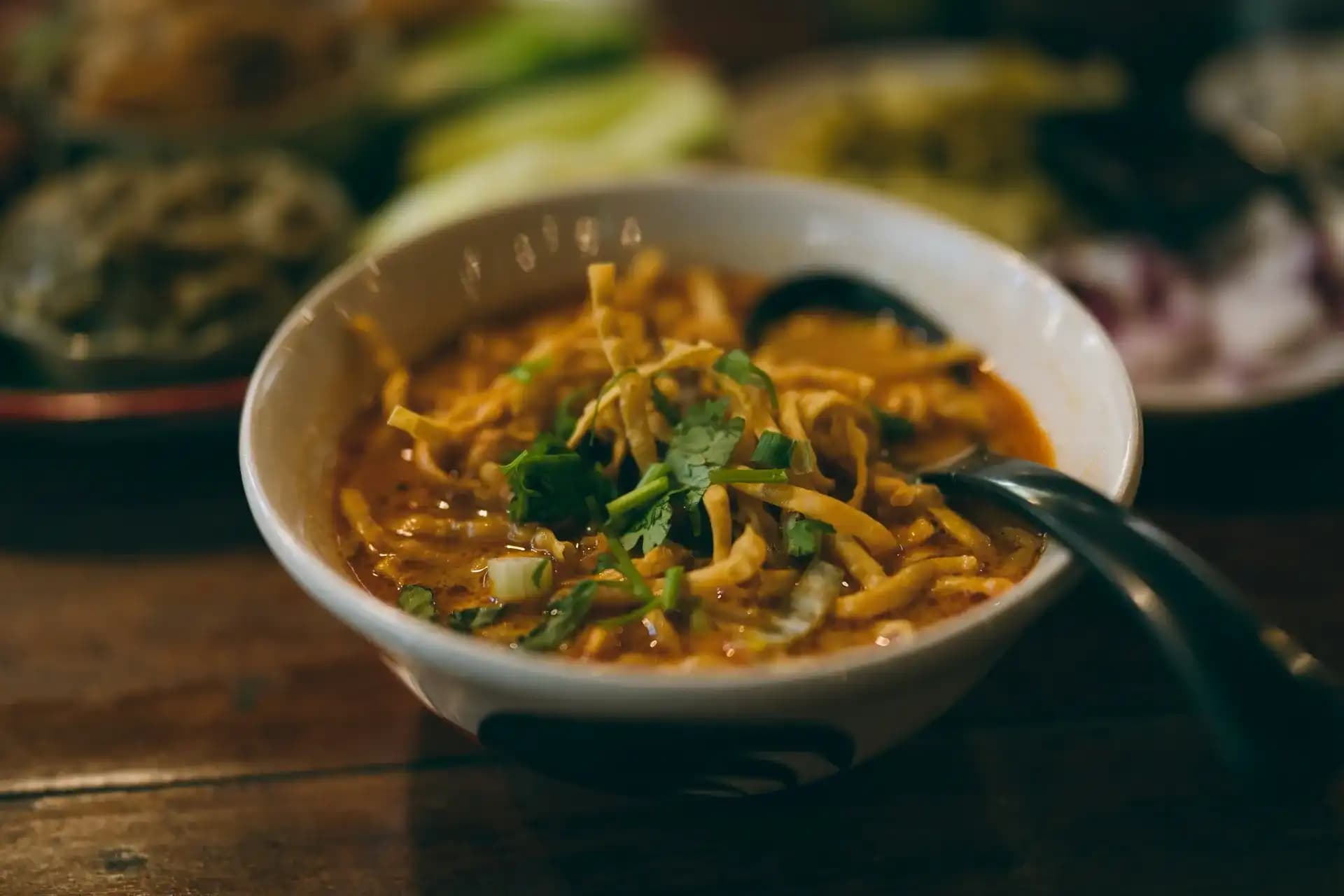
Multiple Coffee shops in Bangkok with Roots Coffee, Wi-Fi is always fast and the environment is professional enough for video conferencing.
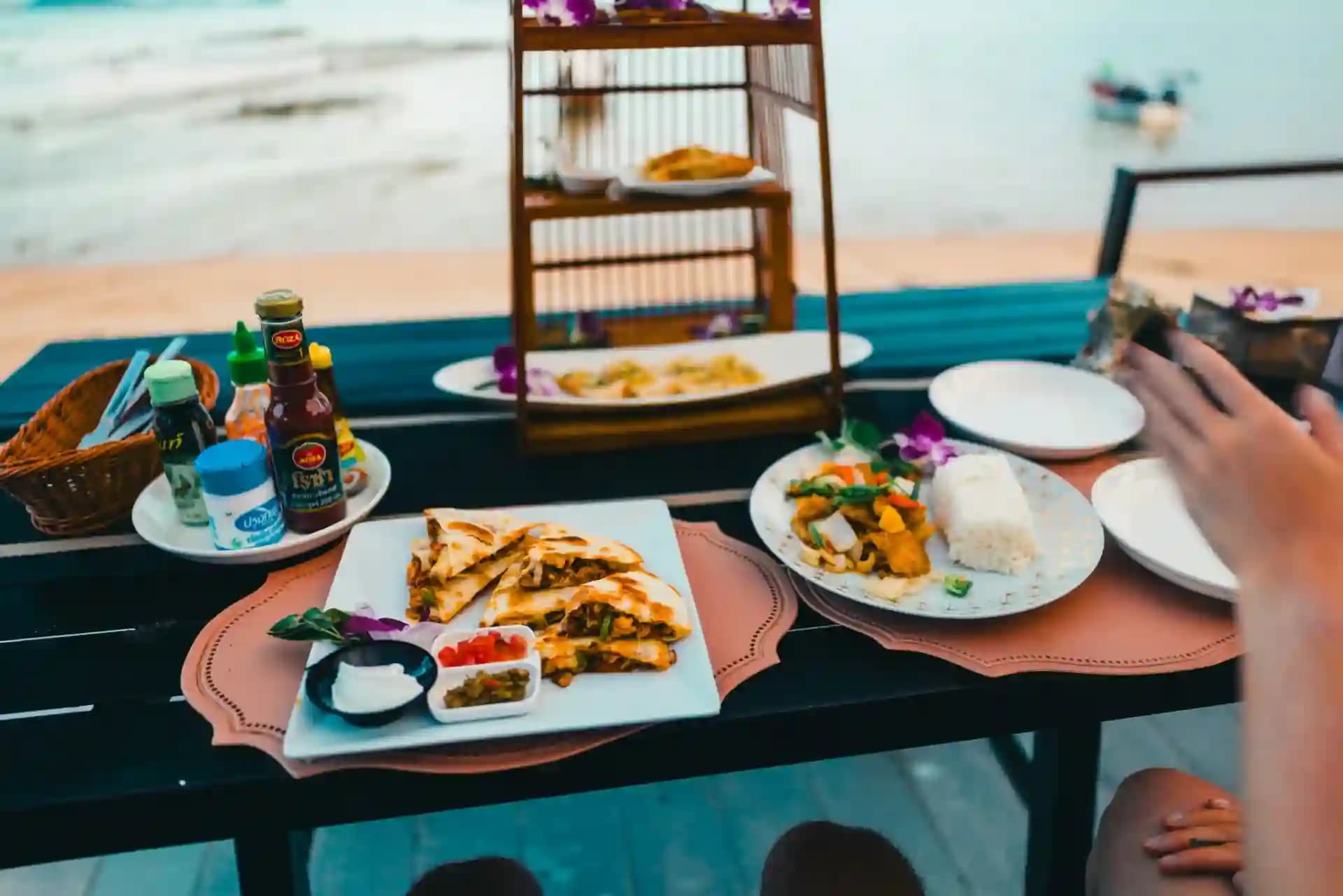
Beautifully designed and perfectly functional, Chiang Mai Woo Café. There are power outlets available and the Wi-Fi works well and the garden area can be a good place to unwind between calls.
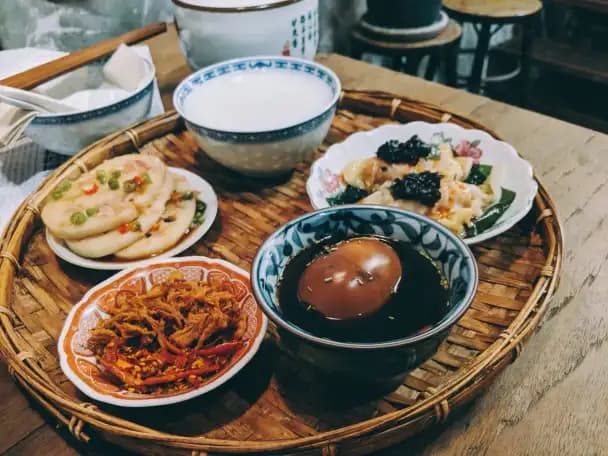
The golden rule: conduct a speed test before getting comfy, (Fast.com or Speedtest). Before ordering, look for power outlets close to seating areas for additional power requirements. When no power strips are visible in the café, your only friend is your battery.
Technically a Maya Mall café, but functions like a Coworking space. 24 hours open, WiFi connectivity with every purchase of food/drink, reliable speeds. An institution for working travellers in Chiang Mai.
Purpose-built for remote workers, and located in Chiang Mai, Thailand, MANA Coworking is a home for remote professionals. Around 200 THB per day (₹480), long-term members, long-term desks, printing, meeting rooms, and a value of meeting.
A well-rooted Bangkok coworking network Hubba-TO. Event programming, hot desks, private offices and fast fibre. Day pass around 350 THB (₹840).
The Hive, Bangkok Multiple Sites in Ekkamai & Thonglor. Well-educated, well-established and well-known in the Bangkok creative and start-up communities. Ideal for socializing while working.
The serious about coworking space on a Thailand is Koh Lanta Coworking (KLC). Stable Internet, close to the beach, dedicated desks. Carries out a nomadic community who remain together for weeks or months.
Before signing up for a day pass: Inquire in upload speed (most advertised speeds are download). Verify if there are walk-in or booking required for meeting rooms. Find out if the day pass covers printing and the number of hours.
Purchase a local SIM card when you arrive. AIS and DTAC provide 30 day unlimited data SIMs at a price of ₹600–₹800. When the café WiFi fails mid call, use it as your backup.
Do not work in tourist accommodation areas. Mark-up is genuine and the audience generally made up of leisure travellers rather than serious workers. The farther away you get from the neighbourhood, the cheaper it is and the better it gets.
The burning season in Chiang Mai is a reality (February-April). The air quality deteriorates greatly. Take advantage of the time outside the high season for breathing problems or long workdays in the indoors, when possible.
7-Eleven isn't a hoax. Besides air conditioning and some power outlets, 7-Elevens are open 24 hours a day. It has been saving a time or two in a crisis or when the power goes out.
Cafes are a bit earlier than expected. The majority of them close at 6–8 PM. Choose a workspace to do your evening work, not a café.
The thing that makes Thailand stand out from every other nomad destination is its attitude towards sobriety.
Thailand will not tolerate you, Thailand welcomes you. People like you are the ones who build businesses, make a living, operate cafes and run rental properties here. That is not common. Most countries take care to include nomads in their fold as an afterthought. Thailand was ahead of the curve and it shows in the infrastructure.
Most productive working day of the past four years working remotely, at a wooden table in a Chiang Mai café, while it rained outside, a 90 Mbps on the speed test and a flat white that cost ₹200. Thailand takes the work out of work.
Common Questions
Quick, practical answers to the questions travellers ask most about Thailand.