
Vegetarian Travel Survival Guide for Thailand.
Thailand is a foodie's delight; however, for vegetarians, there are a few conditions. You might think it's free of meat, but it's often packed with fish sauce, dried shrimp or oyster sauce. Often a "vegetable" curry comes in a swimming pot of shrimp paste. The good news? There is a long tradition of vegetarianism in Thailand, tracing back centuries, and once you get the hang of the right words, flags and dishes this is the best food you will eat in your life.
This guide is based on first-hand reporting from food writers who have been living in Thailand for extended periods of time, and verified by sources from the Tourism Authority of Thailand (TAT). How to truly eat healthy in Thailand without sacrificing values.
Best For
Who this guide is written for.
- Couples, Families, Honeymooners, Friends, Beach Lovers, First-Time Travellers
The two most important words in the game are "Yes" and "No.
There are two types of vegetarians in Thailand, and it is the most frequent mistake travellers make when eating vegetarian: putting fish sauce in their tofu.
The term "mangsawirat" (literally "vegetarian") is used in the Thai sense, meaning "vegetarian. Many cooks believe this to be "no visible chunks of meat". Eggs, milk, fish sauce, oyster sauce and shrimp paste are fair game.
Pronounced as in the English letter "J. For strict vegetarians/vegans, use this word instead. Jay is from the Chinese Buddhist tradition and will not eat any meat, seafood, dairy, eggs, or even garlic, onion, or shallot. If you are looking for nothing with animals, request jay food, not mangsawirat. If you love eggs and dairy at home, ordering jay in Thailand means you will be served the least fish sauce in your meal.
Words to learn:
Phom/Chan gin jay "I eat jay food" (phom = male, chan = female)
Do you have jay food?- Mee ahaan jay mai?
Don't add the fish sauce - Mai sai nam plaa.
Don't add shrimp paste - Mai sai gapi
Don't add meat - Mai sai nuea sat
Take screenshots of these in Thai characters as well. Pronunciation is difficult, and displaying the characters is better than inferring tones.
Next, search for the Yellow Flag. Then, look for the Yellow Flag.
A bright yellow flag with red Thai characters "เจ" is flown by the vegetarian food stalls throughout Thailand. The red-on-yellow colour scheme is a colouring that is national standard and you will soon become familiar with it. A flag means that the food is 100% vegetarian, meaning that the recipe contains no meat, no dairy, no eggs, and no fish sauce.
These flags are always placed on dedicated vegetarian restaurants (particularly around Chinese temples) and they multiply in number at the annual Vegetarian Festival (Tesagan Gin Jay / Nine Emperor Gods Festival). The 2026 festival is held in Phuket from October 10 to 18 (approx.) and there are parallel events in Bangkok's Yaowarat (Chinatown), Hat Yai, Trang and Pattaya. Even the 7-Elevens serves special jay instant noodles during the nine days, and whole streets become vegetarian food zones. If your travel schedule falls in the middle of October, then this is truly one of the best times of the world to be a traveling vegetarian.
These dishes are guaranteed to be vegetarian friendly, so they are perfect for all family members to enjoy.
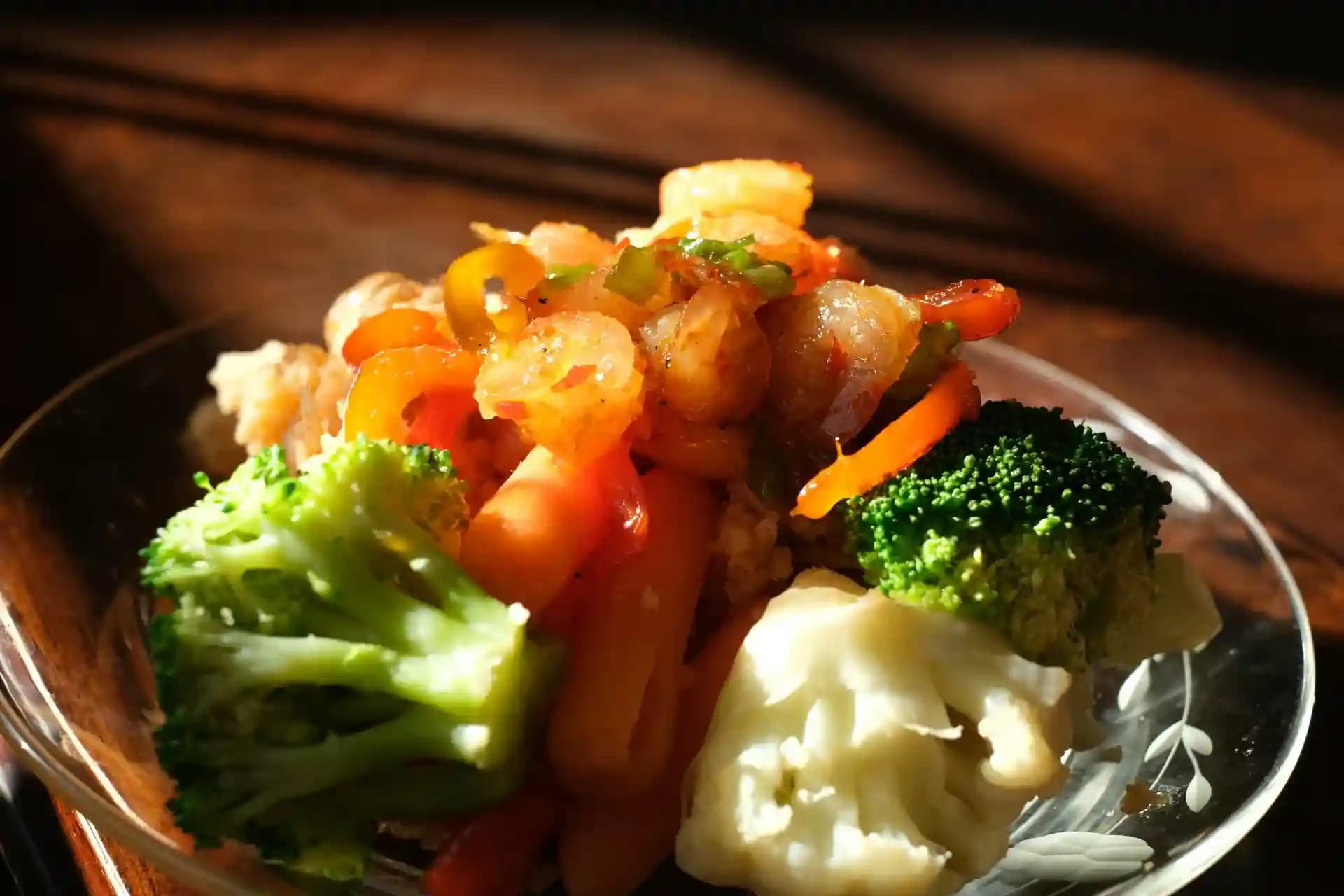
Stir fried mixed vegetables without oyster/fish sauce (specify no oyster/fish sauce)
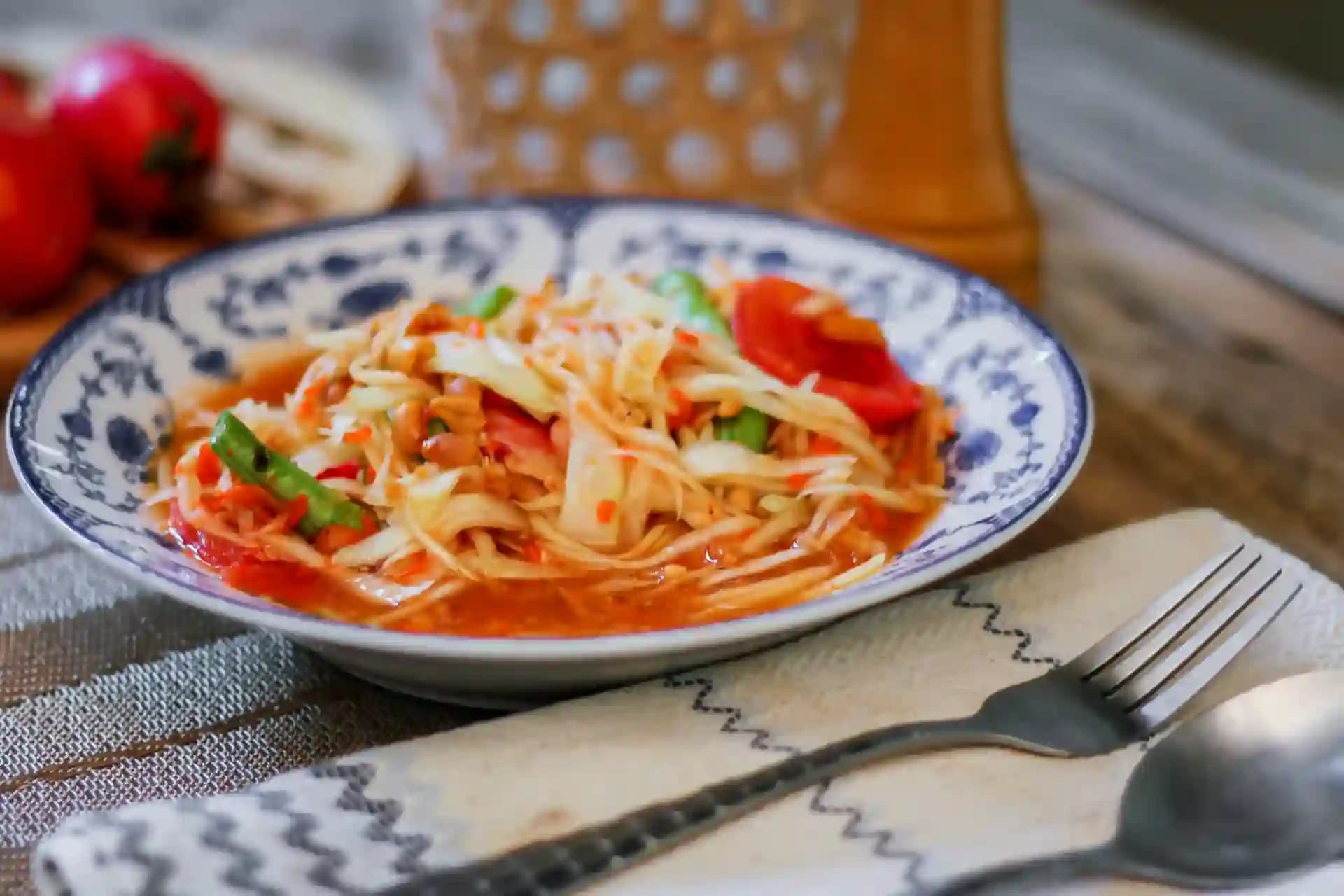
papaya salad (no dried shrimp or fish sauce)
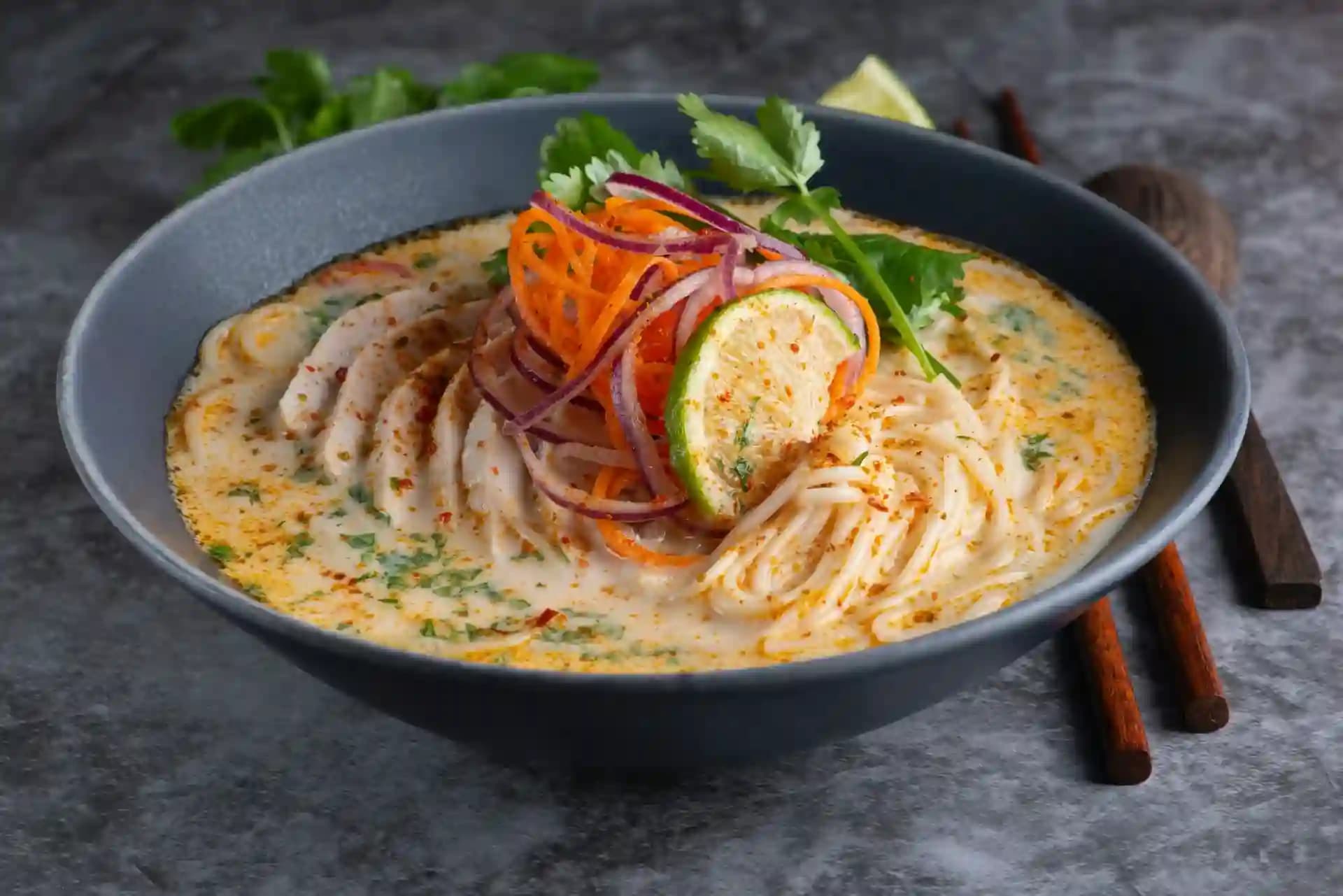
Northern coconut curry noodles (vegetarian)
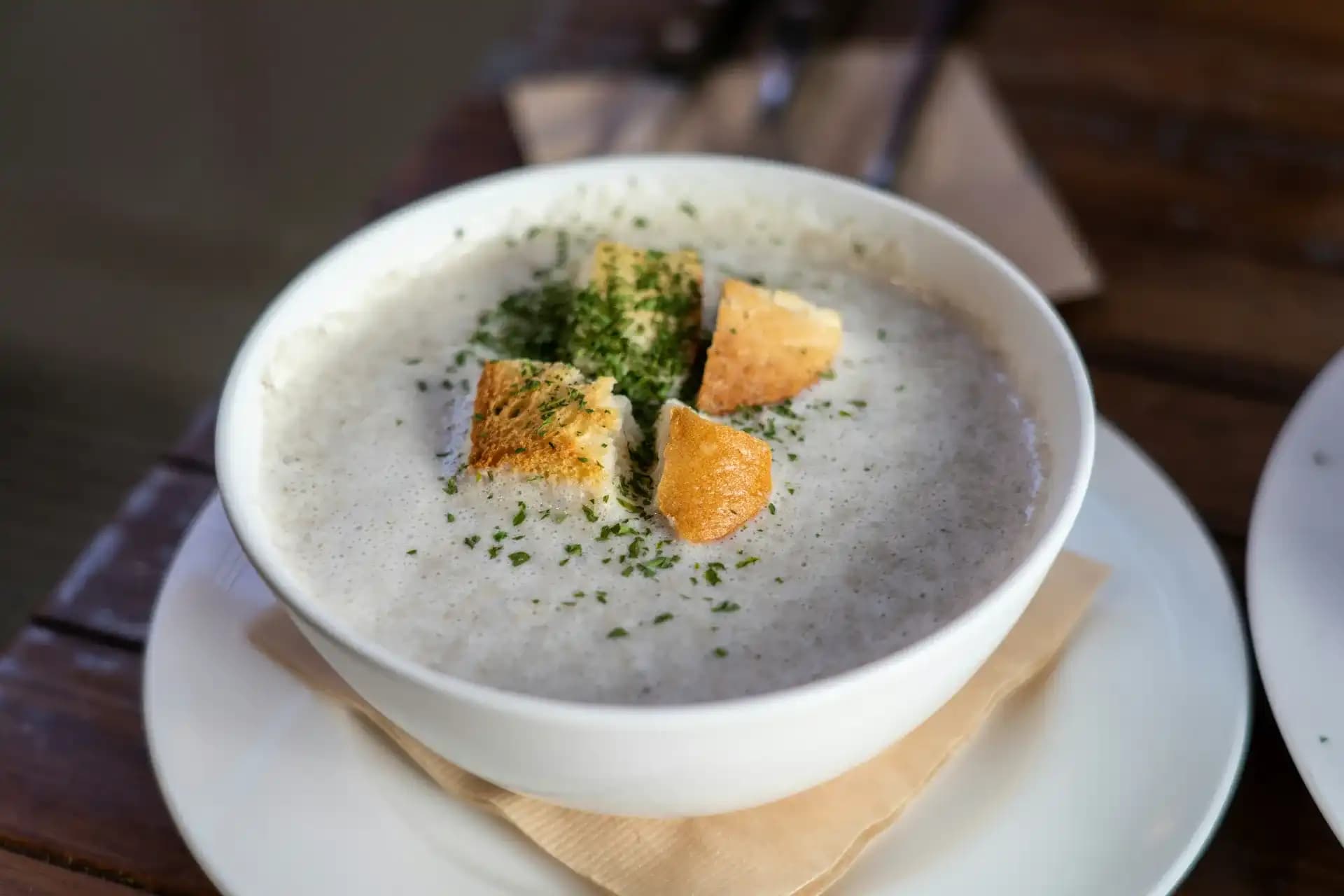
Mushroom hot-and-sour soup (vegetable broth version)
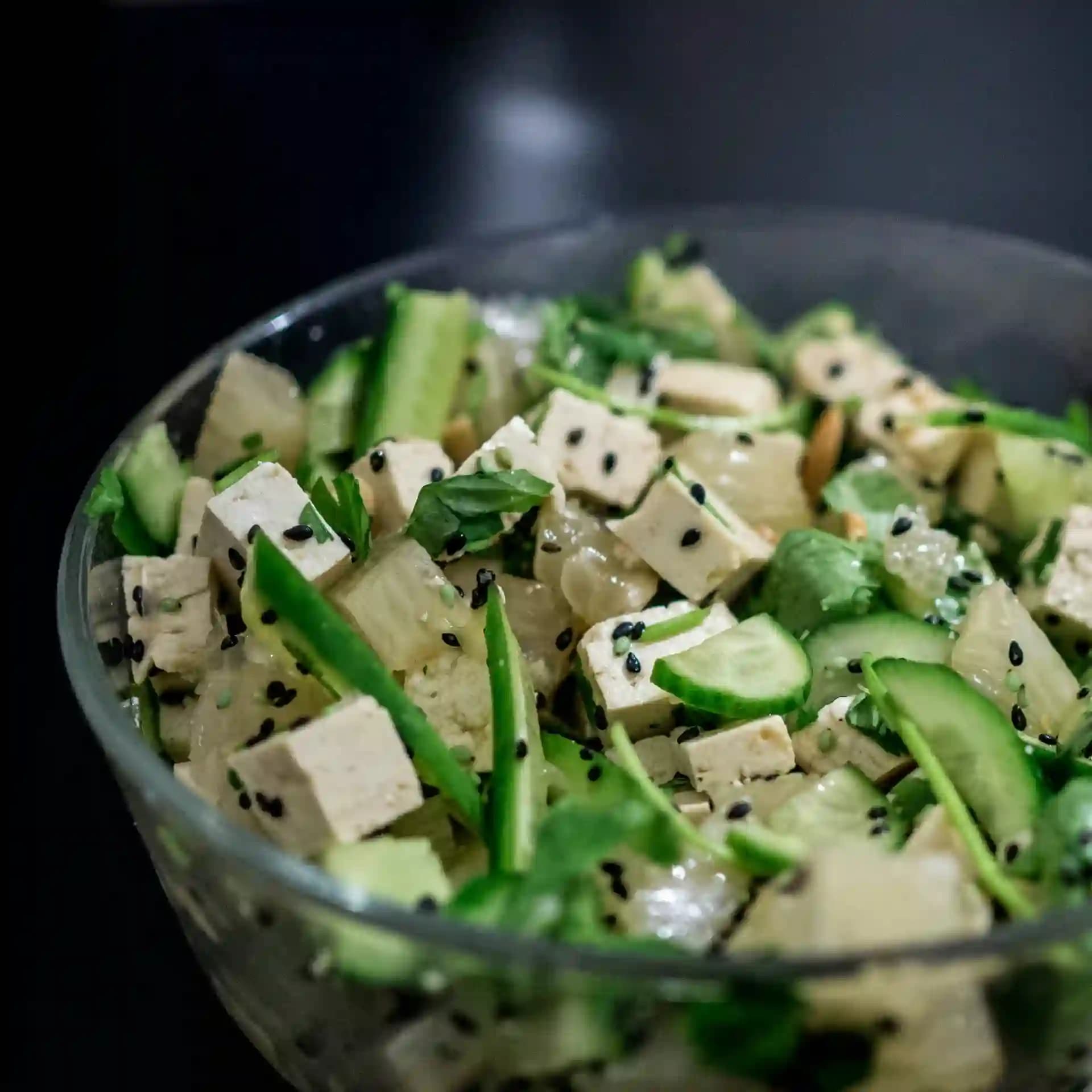
is a style of dish that features tofu, vegetables, and wide rice noodles.
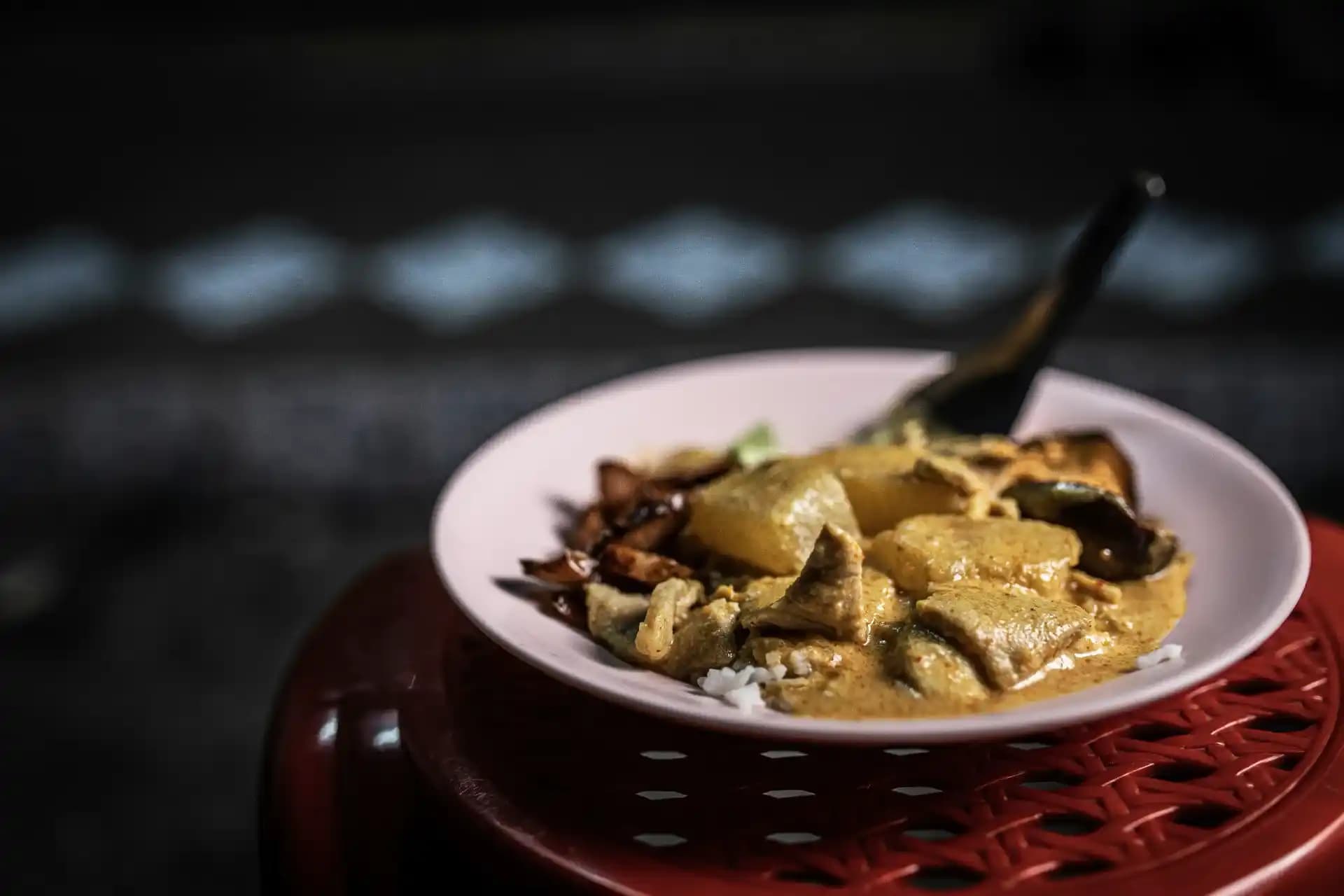
Potatoes And Peanuts With Coconut Curry.
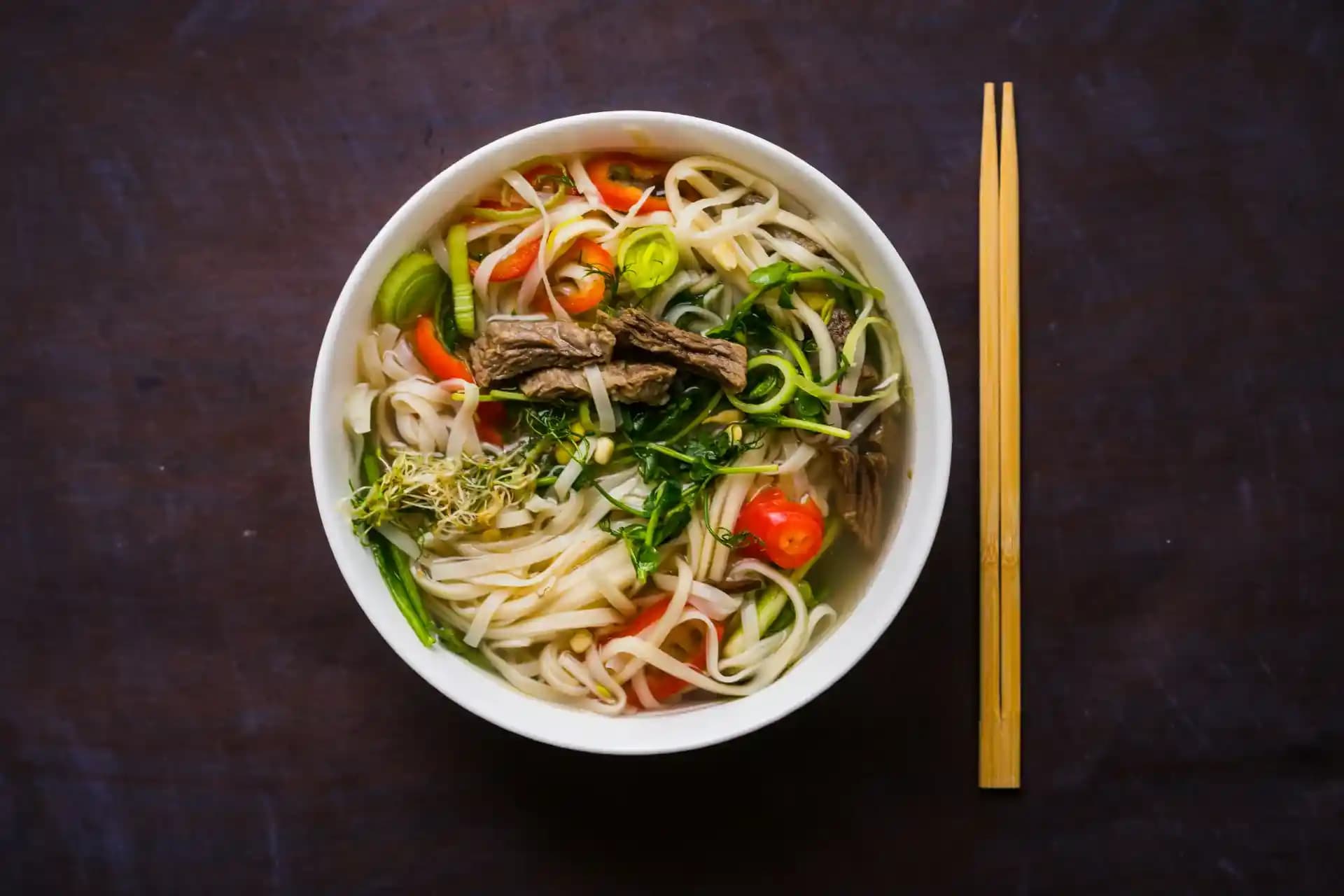
Rice noodles stuffed with a vegetarian curry
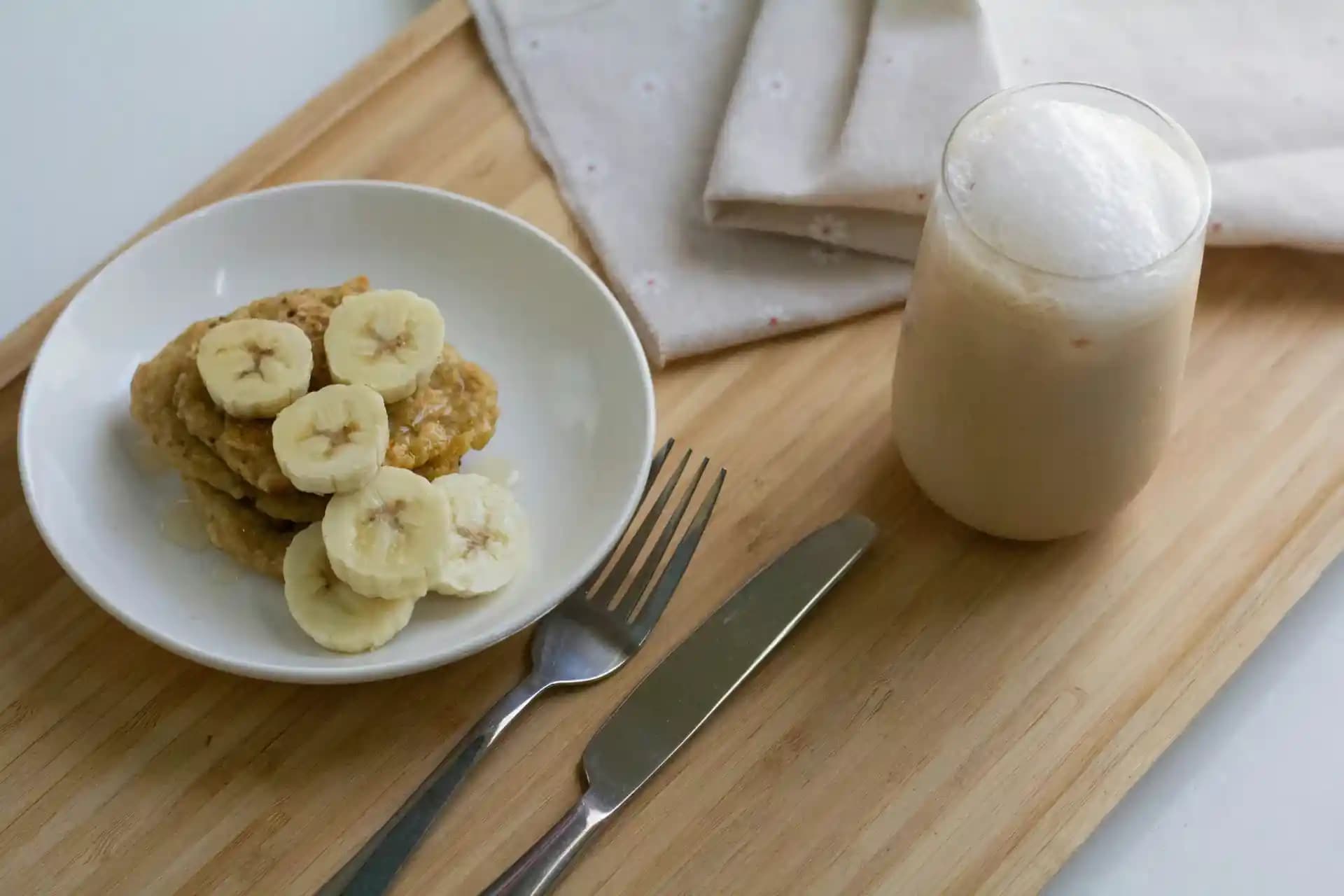
(usually vegetarian, omit the condensed milk for vegan)
Step 5 is to Pick Vegetarian-Friendly Cities
Thailand's vegetarian capital is Chiang Mai. There are several jay restaurants in the old city, and some creative establishments such as Pun Pun and Free Bird Café. Bangkok has so much to offer, from jay buffs for cheap prices around Hua Lamphong, to high-end plant-based fine dining at places such as Broccoli Revolution. Phuket Town is a must-visit during the October festival. Pai and Krabi are also well known for their vegetarian offerings to long-term travelers. It is difficult in the rural areas and small islands bring snacks with you on the outside.
A few more practical tips:
Do not forget to bring an extra passport.
There are Indian restaurants offering fully vegetarian menus and sometimes Jain menus in every major city in Thailand, where you can be sure that you're not eating any meat.
It is common for the Buddhist temples to provide free vegetarian food to visitors on religious days (wan phra) especially in northern regions. Donations are appreciated.
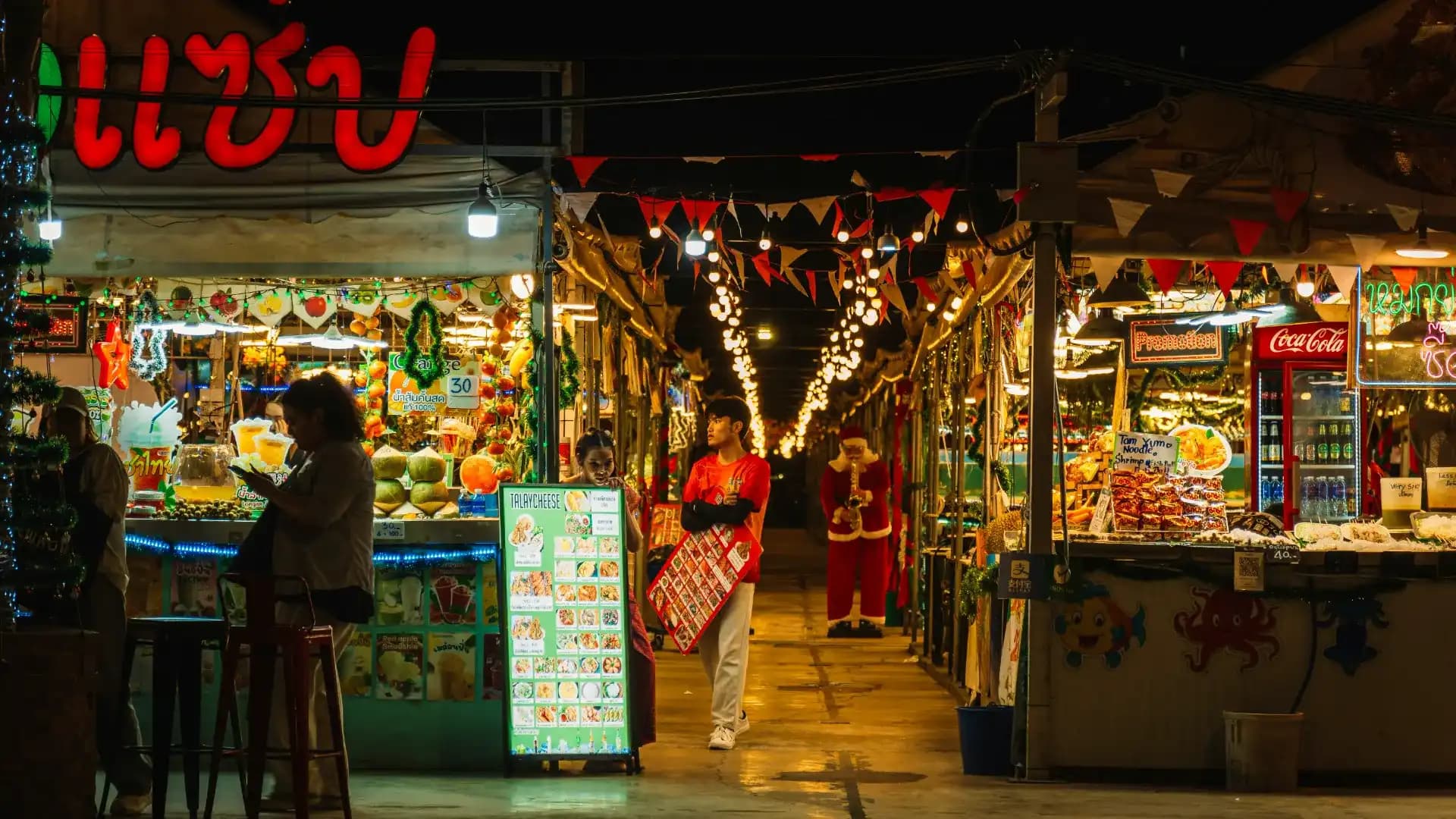
There are fruit stalls and smoothie carts everywhere, and almost all of them are safe (mango, mangosteen, rambutan, dragon fruit and pineapple are sold), both cut and in bags for about 20-40 baht.
While you're vegan, check the recipe for dairy separately; newer fusion chefs sometimes slip on jay food.
"Tip in cash for clarity. A server who has achieved your order "just right" after a complicated jay order will appreciate it if you leave 20-40 baht which will recognize their hard work and support the next vegetarian traveler."
Final Words
Thailand offers a lot of treats for those who have prepared their meatless meals. You can get fish sauce at lunch here, and jay khao soi at dinner. Read the word jay, look out for the yellow flag, take a screen shot of your jay phrases and visit around October (if possible). Then you'll be able to enjoy a healthier meal than you'll find almost anywhere in the world.
Common Questions
Quick, practical answers to the questions travellers ask most about Thailand.
Yes, Thailand is a fantastic destination for vegetarians. Major cities like Bangkok, Chiang Mai, and popular tourist islands boast countless dedicated vegan cafes and plant-based eateries.
Although less common than North Indian cuisine, South Indian vegetarian food is also available in certain parts of Bangkok. These include: Dosa (crispy fermented rice crepes) Idli (steamed rice cakes)
Thailand can actually be a vegetarian paradise for Indian travelers if you know where to look, what to say, and which places to avoid entirely.
Only about 2% to 3% of Thailand's population identifies as strictly vegetarian or vegan. However, if you include people who practice "flexitarian" diets or those who are temporarily reducing meat consumption, the number of non-meat eaters ranges between 8% and 10%.