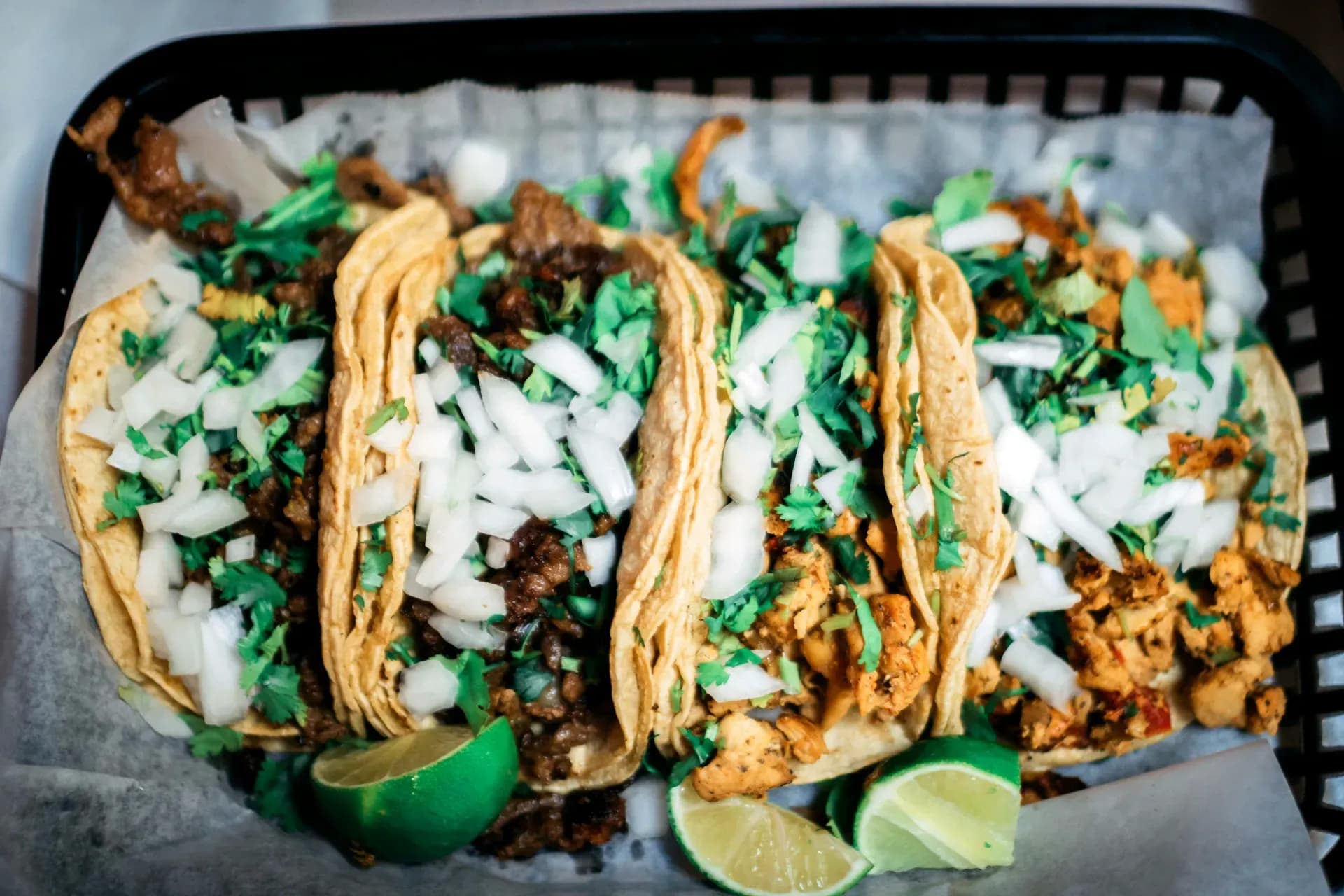

The most common tourist mistake that has been committed while in Mexico is assuming that Mexican food equals one cuisine. It isn't. The Yucatecan, Oaxacan, Pueblan, and Baja Californian foods are as alike as the keralan and the Punjabi. They have some of the same ingredients and they use the same alphabet, but the grammar is regional.
Next are 10 dishes to be sure to plan your trip around, where you get them, and how much they will cost you in Mexican Pesos.
The first rule of any Mexican recipe: the best is found in a market, not on a tourist street (and no restaurant). Mexico still eats here at the Mercado.
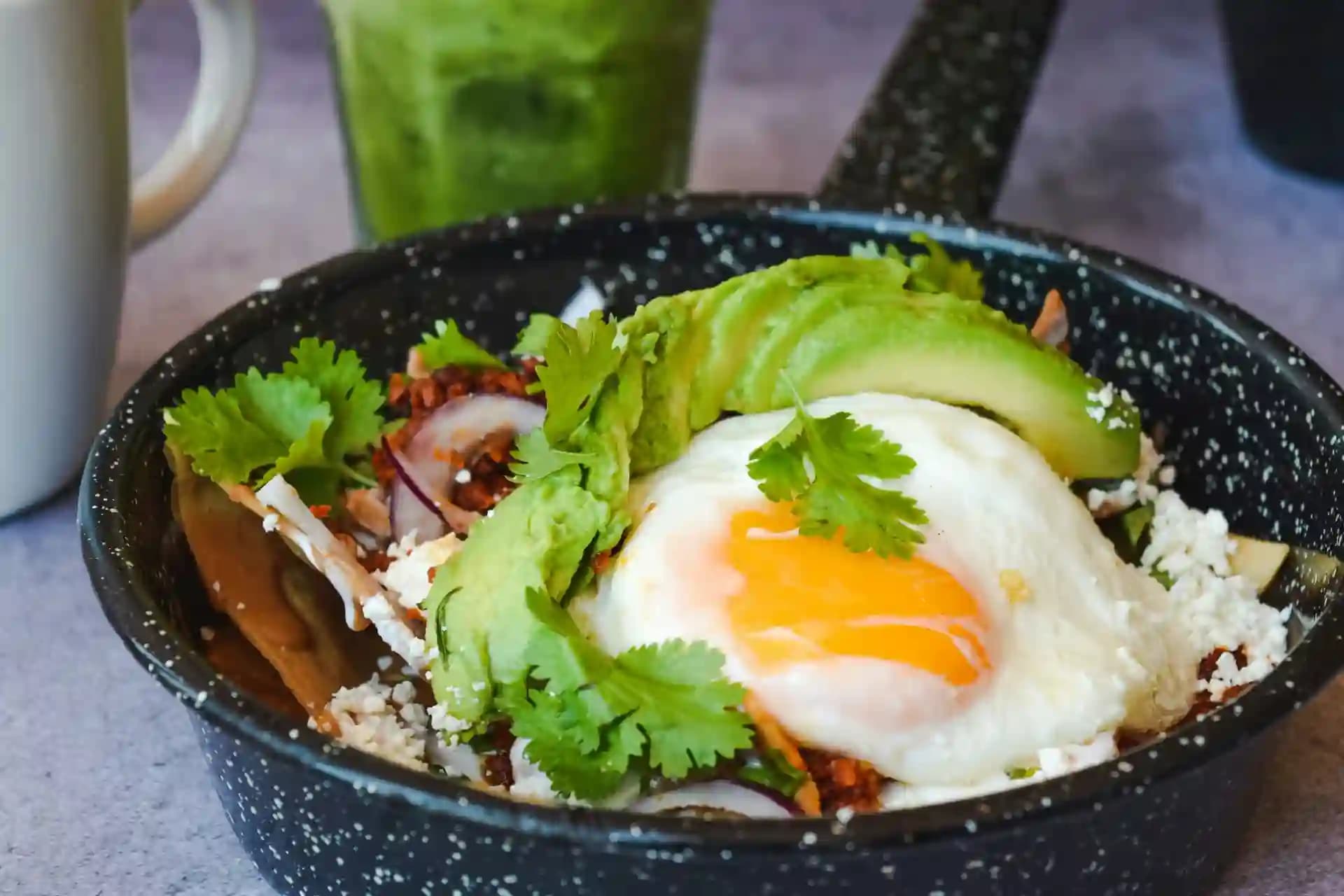
Cuisine: Mexican. Main course: Breakfast.
The little triangles of corn tortillas were cooked for a day, and then placed in either red or green salsa, deep fried, and then submerged in salsa until they softened back into half crisp, half tender. Serve with crema, cotija cheese, raw onion and eggs or shredded chicken.
The food that Mexicans have the next morning. Order them divorciados (literally, divorced) and you will receive one half red, one half green on the same plate. Funny and interesting right?
Mexico City: Fonda Margarita in Del Valle runs from 5:30 AM until 11. The locals queue starts at 7 AM. 80 MXN a plate.
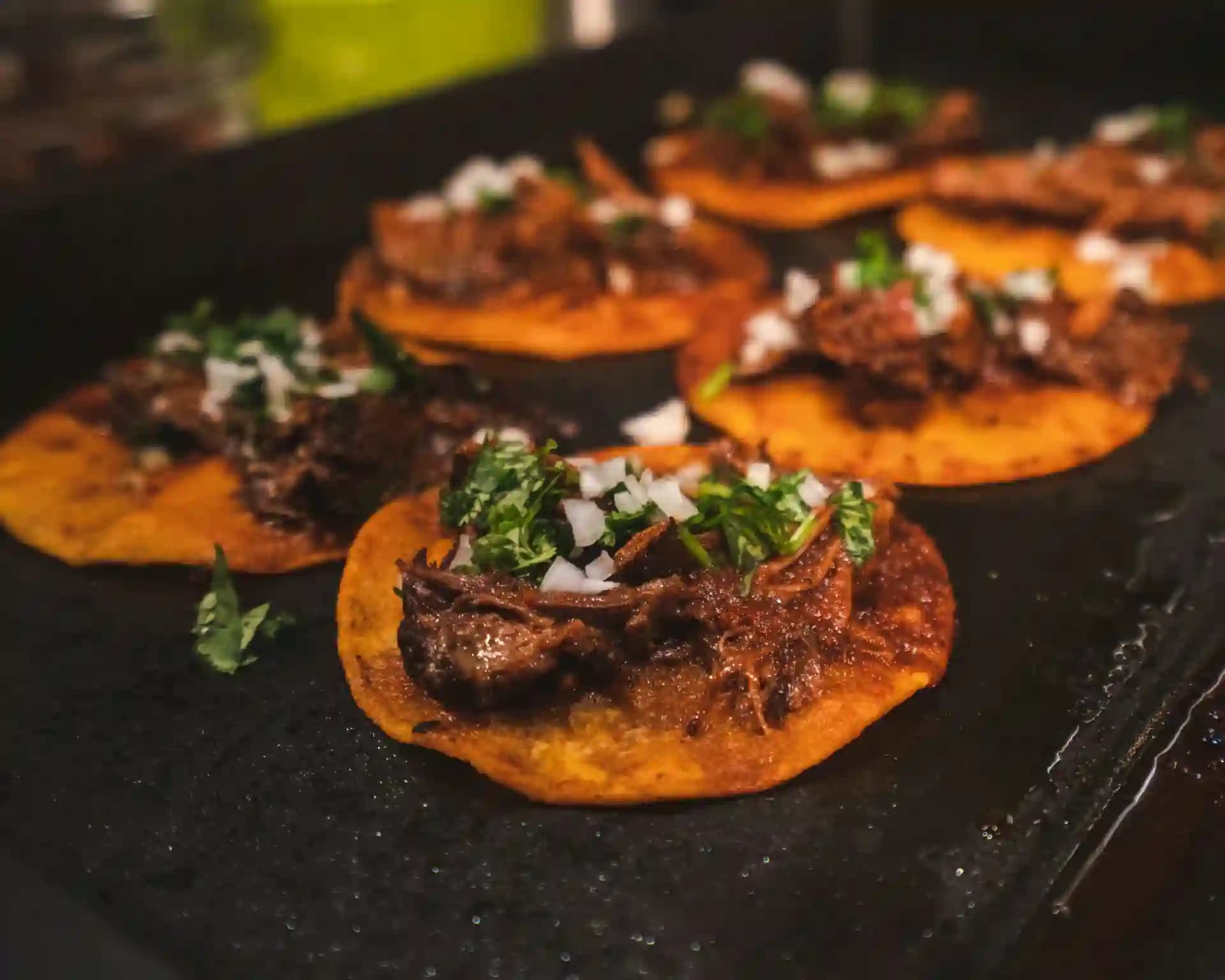
Region: Oaxaca.
It is often said to outsiders that it is Mexican pizza, which is a gross statement. A crisped 30cm corn tortilla, covered with Asesiento (unrefined pork lard), then topped with refried black beans, quesillo (Oaxacan string cheese), avocado and a selection of Tasajo (thin beef), cecina (cured pork) or chorizo. Fried at the street stalls using wood charcoal. It is one of the nation's major dishes of the region.
Where to eat them.
Oaxaca City: Tlayuda vendors set up their stands after 8 PM on Libres. The most photographed is Tlayudas Libres, but the stalls on either side are just as good and are more in demand. 80 to 130 MXN.
Region: Yucatan.
Pork is marinated in achiote (annatto seed paste), bitter orange juice and Yucatecan spices, wrapped in banana leaves and slow-roasted underground in a pib (earth oven) overnight. Served pulled, with pickled red onions and habanero salsa, inside warm tortillas.
The Yucatan version of baked beans is a popular item on Mexican menus, particularly when served outside of Yucatan, where people go out of their way to get a taste of it.
Where to eat it.
First and foremost, the porco is buried on Saturday and sold on Sunday mornings only in the Merida: La Lupita stall located in the Mercado Santiago market; the tacos are about 120 MXN and a full plate is about 180 MXN.
Region: Oaxaca.
Not the bright-red Tex-Mex chocolate sauce. Real Oaxacan black mole involves the toasting and grinding of 30 ingredients, including six types of chiles, plantains, almonds, sesame seeds, raisins, charred tortillas and Mexican chocolate, over two days. Unlike anything in the world of food, smoky, bittersweet, layered, savoury, not sweet despite the chocolate. Ideal served with turkey or chicken and rice.
Where to eat it.
LACA for the traditional version, Oaxaca: Las Quince Letras. The comedor stalls are located inside Mercado 20 de Noviembre and sell food at half the price of the market. 180 to 350 MXN.
Region: Mexico City.
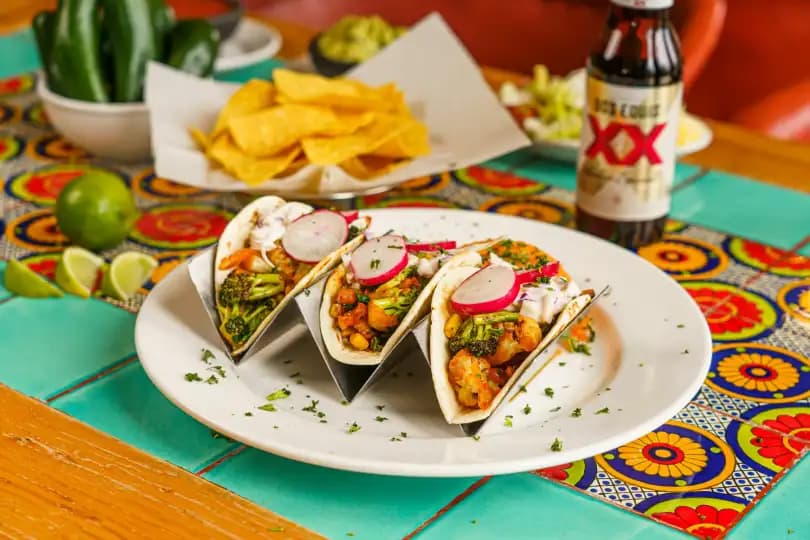
The anti-fancy taco article, you have read. They are tacos made the night before before dawn and served in a cloth and plastic lined collection basket from bicycles parked at the same spots in Mexico City on every weekday morning. The steam helps to soften the tortillas on the way. The rotation of the fillings: beans, potato with chorizo, mole, chicharron. They are virtually free and people eat them three in a row standing on the pavement.
Where to eat them.
Av. Mexico 610, Tacos de Canasta Los Especiales. 5 de Mayo, near Madero. Open 7am till the basket is emptied (typically 1pm). 12 to 15 MXN per taco.
Target audience: Mexico-wide (specifically: good Jalisco and Guerrero versions).
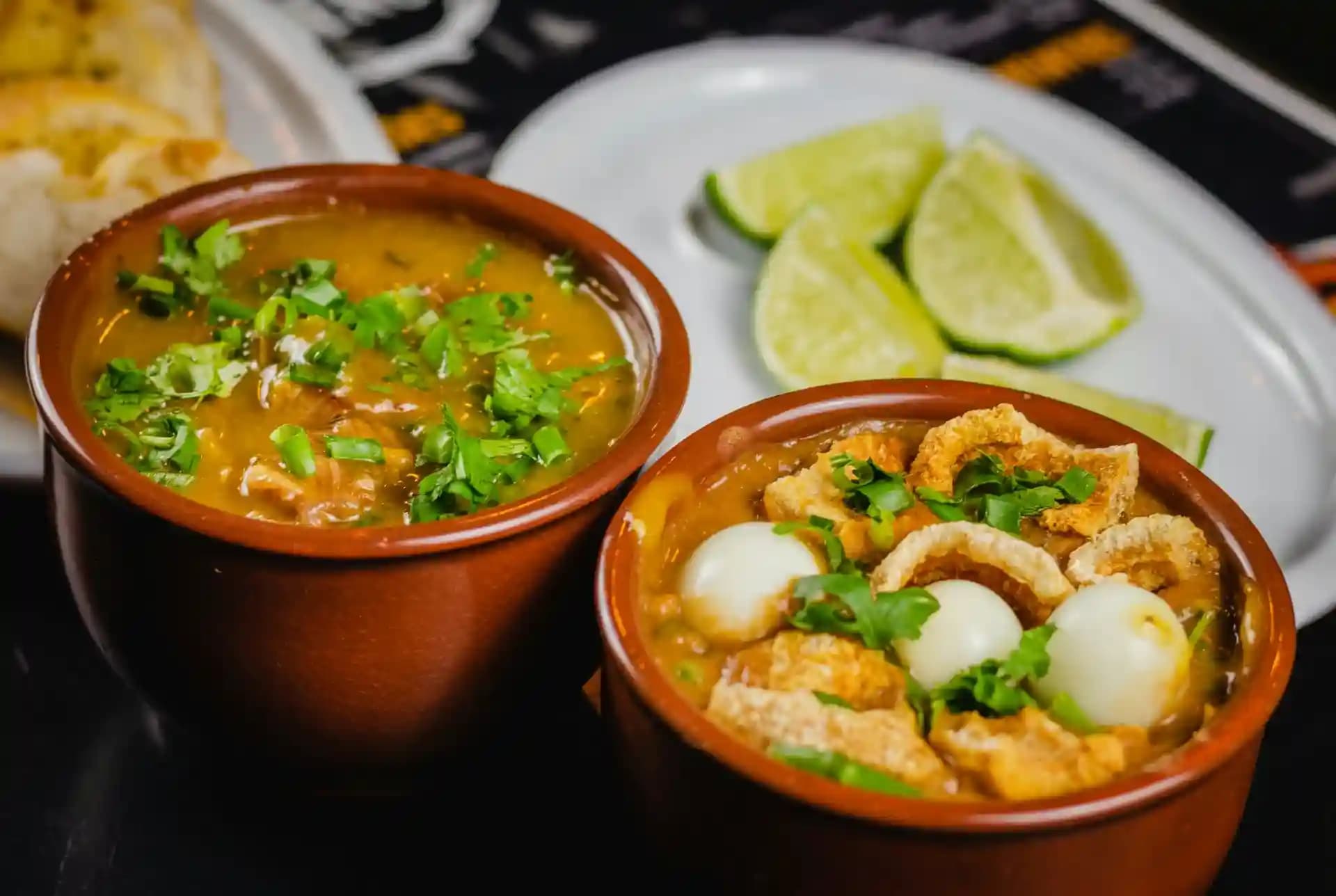
A pre-Columbian ancient stew of hominy (treated maize) swelled with limewater. Three colours: red (Jalisco style) with guajillo and ancho chiles, green (Guerrero style) with pumpkin seeds and tomatillos, and white (the plainest) with side garnishes. Add to the table: shredded cabbage, radish, raw onion, oregano, lime, chile, crema and tostadas. A tradition of 100 years that is practiced in most of central Mexico on Thursdays.
Where to eat it.
Mexico City: El Caguamo on Calle Lopez after 1 PM on Thursday. If available, try the green, which costs around 140 MXN a bowl.
Region: Michoacan.
Cooked for hours in lard, pork shoulder is caramelized on the outside, yet crumbly and full of flavor on the inside. It also may have orange peel and milk in the cooking liquid, which is not sensible until tasted, but is common in Michoacan. Order a surtido (a combination of cuts, such as rib, ear and skin) instead of maciza (lean meat) at the counter, the locals take a surtido.
Where to eat them.
Quiroga, Michoacan: town of carnitas. Sunday mornings on the main plaza at Carnitas Carmelo. Mexico City fallback: Carnitas El Bajio. 150 to 220 MXN.
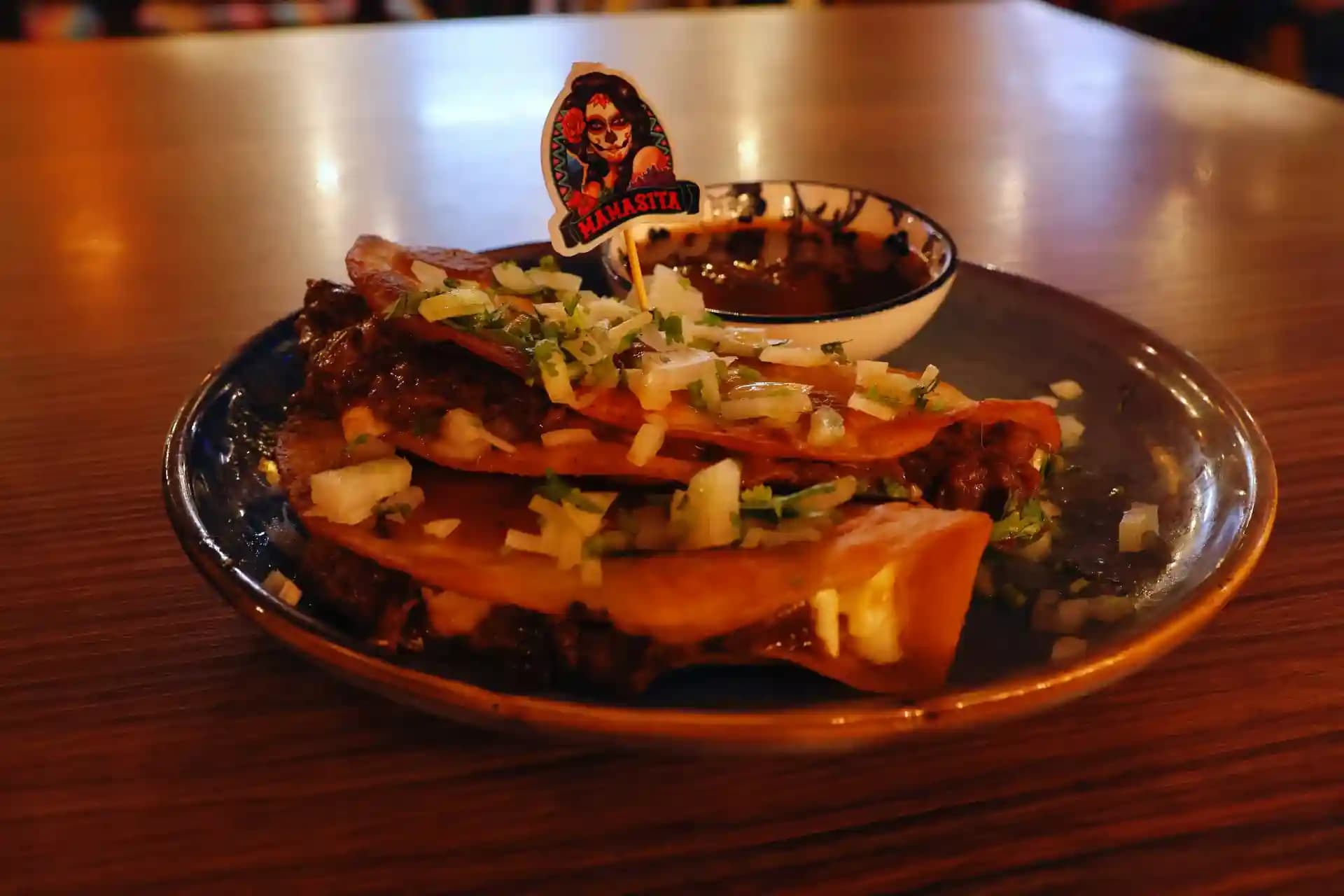
Region: Jalisco.
Slow cook goat (chivo) for hours in a chile adobo until tender. It was served in two forms: as a soupy stew with the consomme or as crispy tacos dipped in the same stew (the quesabirria version that went viral, but has been eaten in Guadalajara for 100 years). The original is in Jalisco, where the word is goat. Most non-Mexican versions use beef (which is great) but the goat version is more in depth.
Where to eat it.
Concha Madrid: Restaurant Las 9 Esquinas. El Borrego Viudo in Tacubaya, Mexico City. Consomme ordered, around 180 MXN.
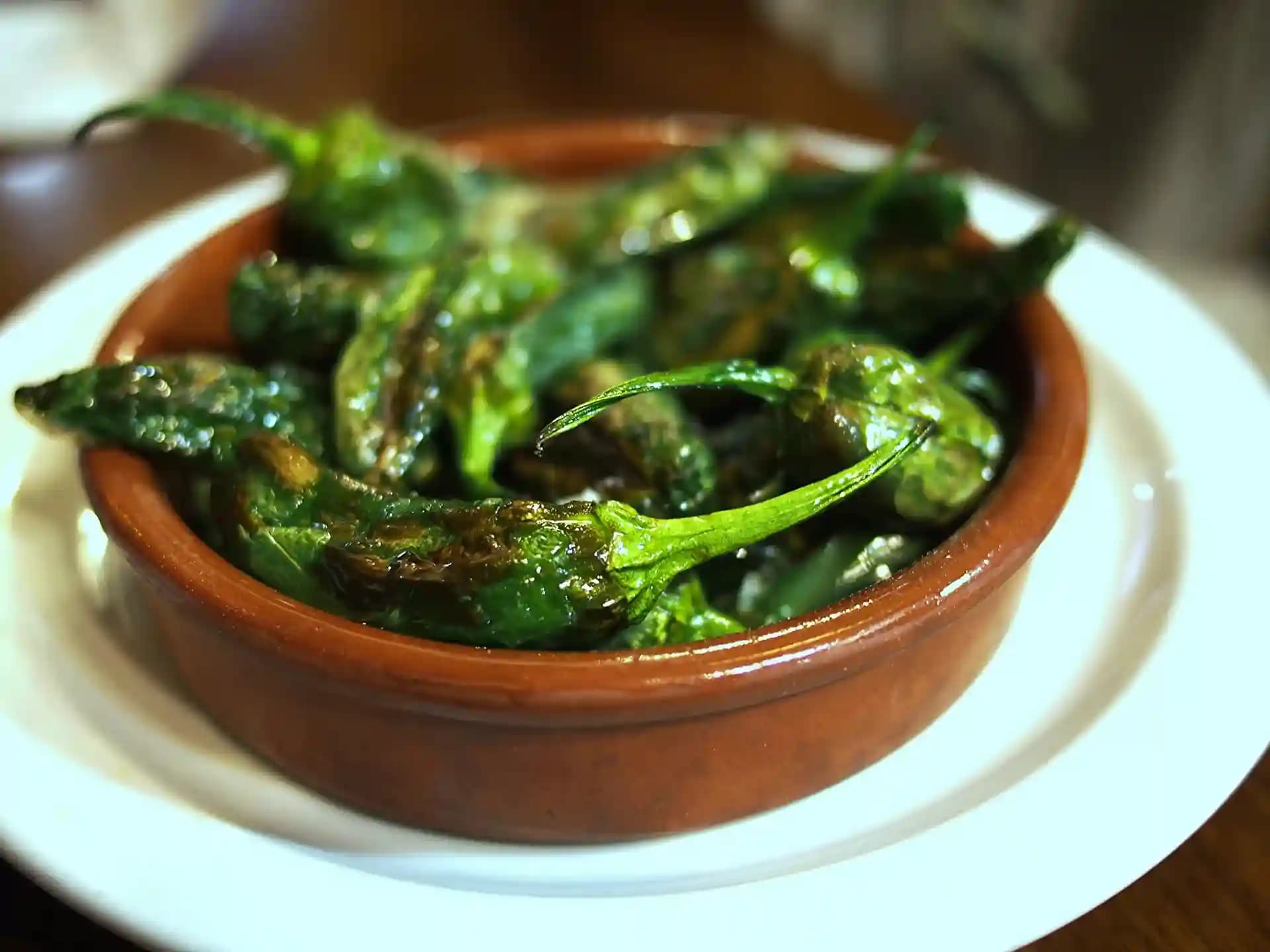
Season: August to September (only).
A roasted poblano chile stuffed with picadillo (a mince of pork, beef, dried fruits and nuts) and topped with a cold walnut cream sauce and pomegranate seeds and parsley, the three colours of the Mexican flag. It is truly seasonal as the walnuts and pomegranates won't be ripened until late August. It is as if one were eating Christmas pudding in July and the chile en nogada were eaten in March. This dish exists only at the end of August and beginning of September in Puebla.
Where to eat it.
Puebla city: Restaurante Sacristia de la Compania, only in August to September. Around 280 MXN.
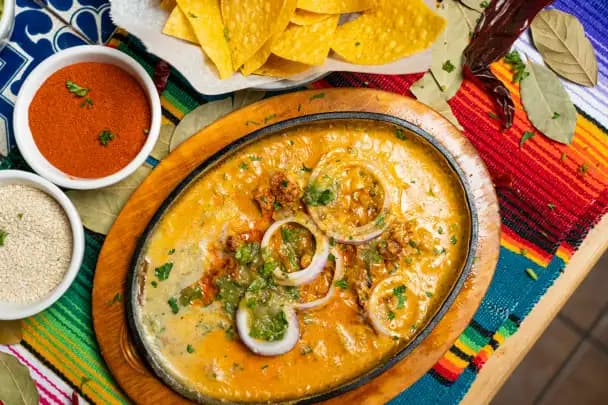
Food: Region-wide. Street food.
Two types of sweet corn. Elote is the whole cob, boiled, coated with crema and mayo, rolled in cotija cheese, and sprinkled with chile powder and lime. Esquite is the same taste but served in a cup and kernels removed from the cob. Food consumed during the walking home period, and after dinner. One of those flavours that does not make sense until you eat it is the chile-lime-cheese on hot corn.
Where to eat them.
Any city. The carts are parked at the metro stations after 5 PM. 25 to 40 MXN per cup. In the last few years, the premium upgrade has been esquites con tuetano (with bone marrow) which has become a specialty in Mexico City.
Don't try to eat all 10 in one trip because I tried and why? I am a big fan of food and apart from travel food is something that gives me joy. So try to cover all the food area slowly because they are distributed over at least four regions and several seasons. The realist approach: choose a locality around which your trip is based, try to sample 3 or 4 dishes of its specialities thoroughly at once (several different takes, at various stalls), and save the rest for next trip.
Two useful tips that will help save your tummy and your wallet
Do not go to the restaurant where the tourists wait, go where Mexicans wait. The first and most sure sign of good Mexican food is a line of locals at 1 PM on a weekday. A line of tourists at 7 pm? Not much.
The market comedores always outwitted the restaurants. Within each of the large Mexican markets there are small blocks of sit down food counters (comedores) staffed by the women who have been cooking the same food for 30 years. The poxes that sell the mole, the pozole and the tlayudas in these stalls are typically higher quality and a third of the cost at the renowned restaurant down the street.
Common Questions
Quick, practical answers to the questions travellers ask most about Mexico.