
What is suitable, hotel or homestay?
The "best" place to stay isn't the prettiest accommodation on a booking site, but something that is a good fit for your trip, travel style and budget. Let's face it - which of these has a strong point and which has a downside?
Ideal For
Who this guide is written for.
- Families
- Business travellers
- Solo travellers
- Budget-conscious travelers
Brief

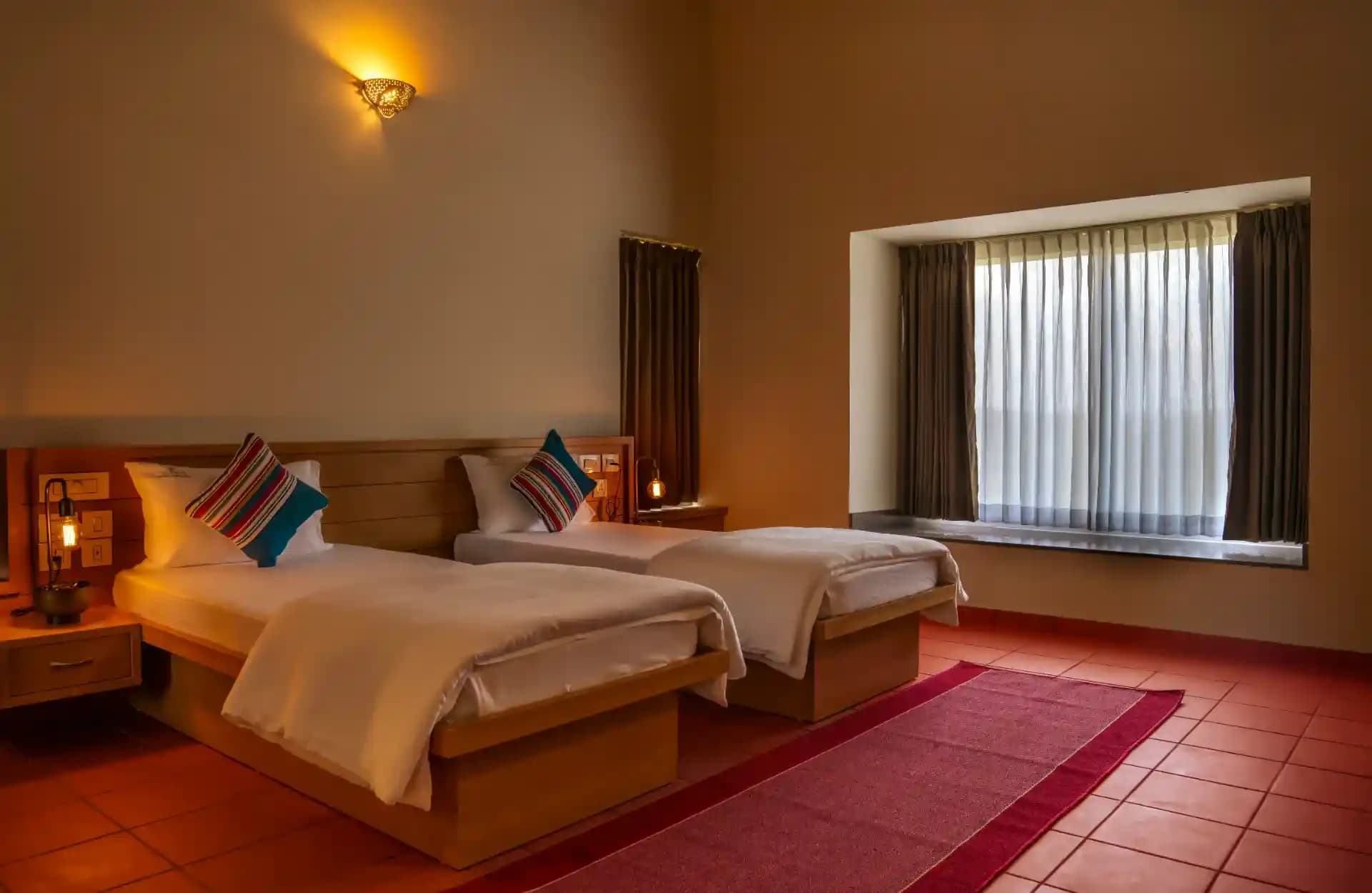
Hotels provide you privacy, certainty and no bother. Services provided 24 hours at reception, private bathroom and housekeeping will be charged. One of the best things about consistency is that a 4-star in Bangkok is pretty much same as a 4-star in Barcelona, and amenities such as room safes, key-card entry and front-desk staff to make it the easiest place to land when you're tired, ill or carrying heavy suitcases.
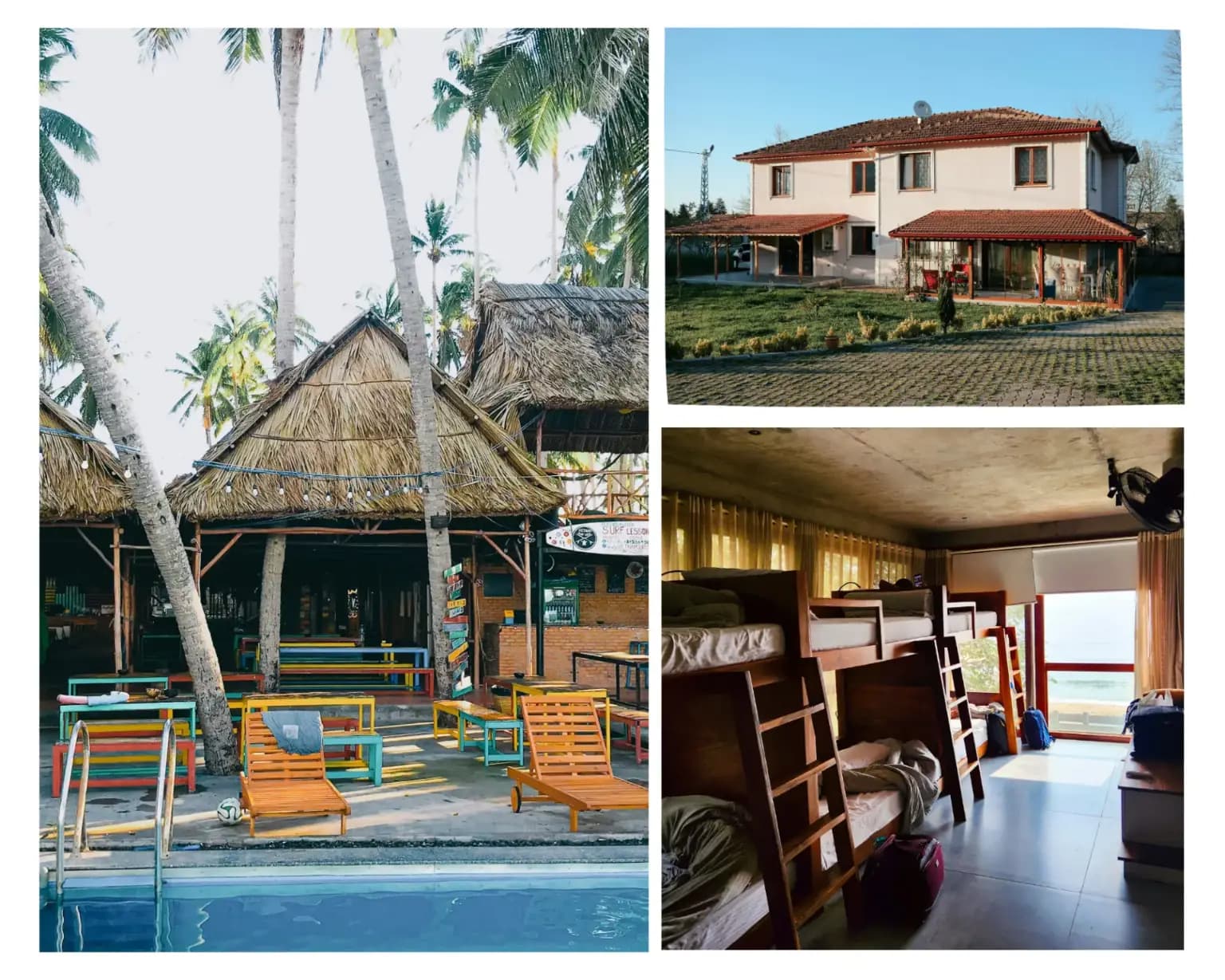
Hostels are simply accommodations (usually shared rooms and sometimes private rooms) and a shared kitchen, common room and social life. The reality is that sleeping in dorm beds at western European hostels is roughly ₹1500-3000 per night, whereas at western European hotels, it is quite expensive. On a solo trip, this is the best place to find other travellers and is the most convenient option! The majority of them provide free walks and pub crawling and staff can give you a local tip that you won't find on booking sites. Honestly, what people have traditionally thought about hostels, isn't true anymore. In modern times, the hostels have become more interesting and cleaner, and are similar to three star hotels.
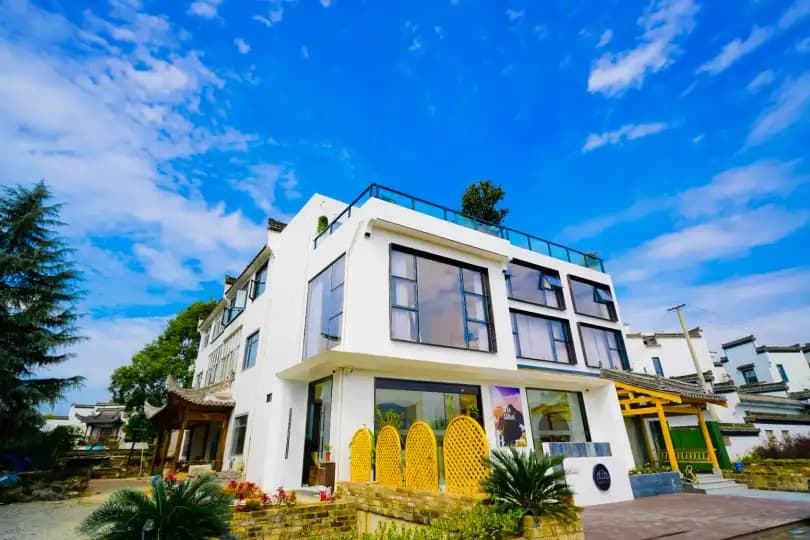
Homestay: A room to stay in, usually the family is there, and often meals are provided within the family's home. The real magic is the local person you've created in your trip, the local person you can easily trust to know the local stories, where to eat and drink that won't be in your guide and so on. They are less luxurious than a hotel, have fewer facilities, are locally owned and often offer breakfast as well, which makes them cheaper than hotels, ranging from ₹1500 - ₹2000 per night. Homestays are particularly good in small towns and rural areas where there are hardly any hotel,
Pros, Cons & what to Choose?
Hotels
The downside is that it costs too much and doesn't have the character. For major cities, you can expect to pay between ₹2000 and ₹4000 per night; if you aren't mindful of the Wi-Fi and parking charges, resort access and breakfast costs, these will only work up a storm too. Hotels also don't seem as much a part of the local experience as the lobby could be anywhere in the world and by day three, that buffet breakfast is starting to get boring.
If you are travelling to work, with family or with friends, for a night for two or for a destination that you know you are in danger of not being safe at, always reserve a hotel. The one great advantage is convenience. that is, facilities are in place in the hotel. No need to worry about daily chores such as cleaning and cooking so travelers can save more time for relaxation, business or sightseeing.
Hostels
The main disadvantage is the lack of privacy and disrupted sleep,l snores at 3am and arrivals at 5am airport runs are held in the same room. Midway through the journey, common washrooms become difficult to handle, there may be some minor theft, and hostel parties are always loud in the late hours of the night.
If you are travelling alone and want to meet other people and gain experience instead of only seeing places, a long budget-friendly trip where you need to make your money last. or in an expensive city such as London, New York , Tokyo or Paris, where the hotels will consume your budget, then you should consider booking a hostel.
Homestays
The exciting thing about it is the uncertainty and the amount of privacy varies as some entertainers are quite friendly and attentive, others are all about you. Recent reviews are more important than property-to-property reviews, and secondly it can be unstable, as opposed to the chain hotels. Language barriers are a very real thing and if you arrive late, leave early or work late, a homestay is not the best choice to stay.
A quick comparison among Hotel, Hostel and Homestay:
On cost: Hostels are the cheapest, Homestays are the medium priced ones (most of the time they provide breakfast) and hotels are the expensive ones before additional costs.
On privacy: Hotels get you in your own room, private bathroom and privacy. Homestay: Private room, shared facilities with host family. Hostels are the least private in terms of accommodation types.
On social atmosphere: hostels don't even have common rooms and group activities are going to make it difficult not to meet people. Homestays provide a family-oriented link. The isolation of the hotels is the most boring one.
As far as "local," homestays are the best, and you stay in local life and eat local food.
Hotel accommodations are suitable for families, business travellers and older people. Hostels are the resort of the single backpack traveller and budget-conscious travellers. For solo travellers and rural trips where hotels are present in a limited number, Homestays are an effective way to stay clear of the high hotel prices.
In short: book a hotel to be convenient, a hostel to save money, a homestay to get cultural depth. Most experienced travellers combine all three in a single journey.
Which one is really the one to stay in?
When comfort, privacy, and predictability is important, you'll have to look for a hotel. When solo traveling and budget conscious, opt for a hostel as you might not have a great night's rest of sleep, but you won't have a poor social experience. When it comes to learning about a culture, settle for a homestay.
The Honest Truth
The experienced travellers do not travel in a single file line that they form in combination. The first night on the ground is taken care of by a hotel that's experienced in dealing with those who are exhausted. A hostel functions in this party city where you'd like to be out than in. When the rural village is the focus of the homestay, it is the family that is the centre of the trip. You'll need to stay a few more hours in the hotel before you make your way home, so that you can get the rest you need before you return home. Support the time, not time the support. The secret is in the actual.
Common Questions
Quick, practical answers to the questions travellers ask most about Travel Accommodation Guide.