
I Packed Wrong for Switzerland. Almost Everyone Does.
The Trip That Taught Me Everything
I went on a trip back in 2019 to Switzerland and it is a type of trip that you talk about soo many times when you sit with anyone. But i will admit that the packing that i did for the trip was bad to be honest.
What i actually did was that i bought a cheap jacket from the local tourist shop in Switzerland that was extremely overpriced and also at that time i just thought that this jacket that i have bought has costed me four times extra then the one i could have easily bought from Delhi's local mall.
Why This List Is Switzerland-Specific
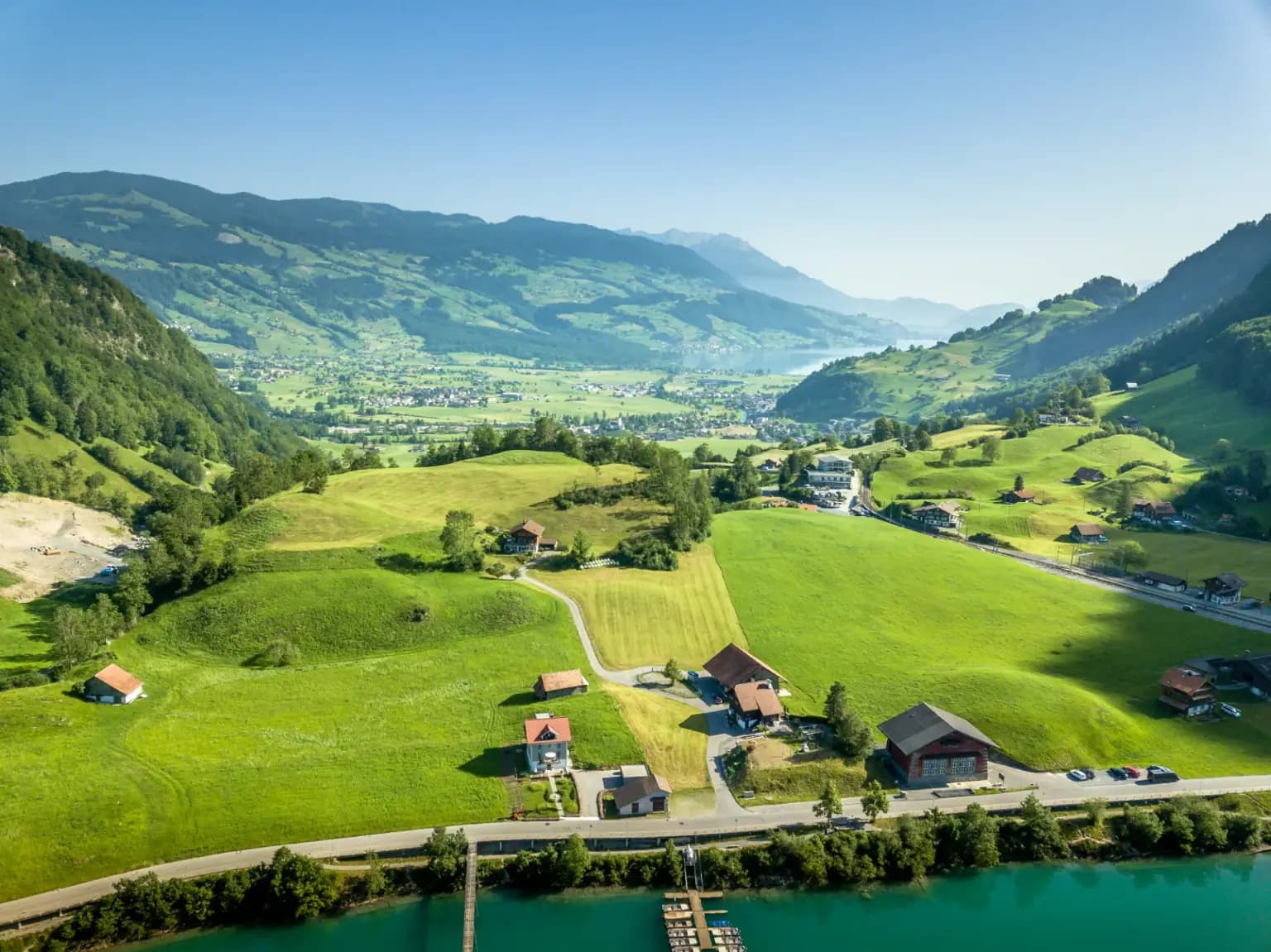
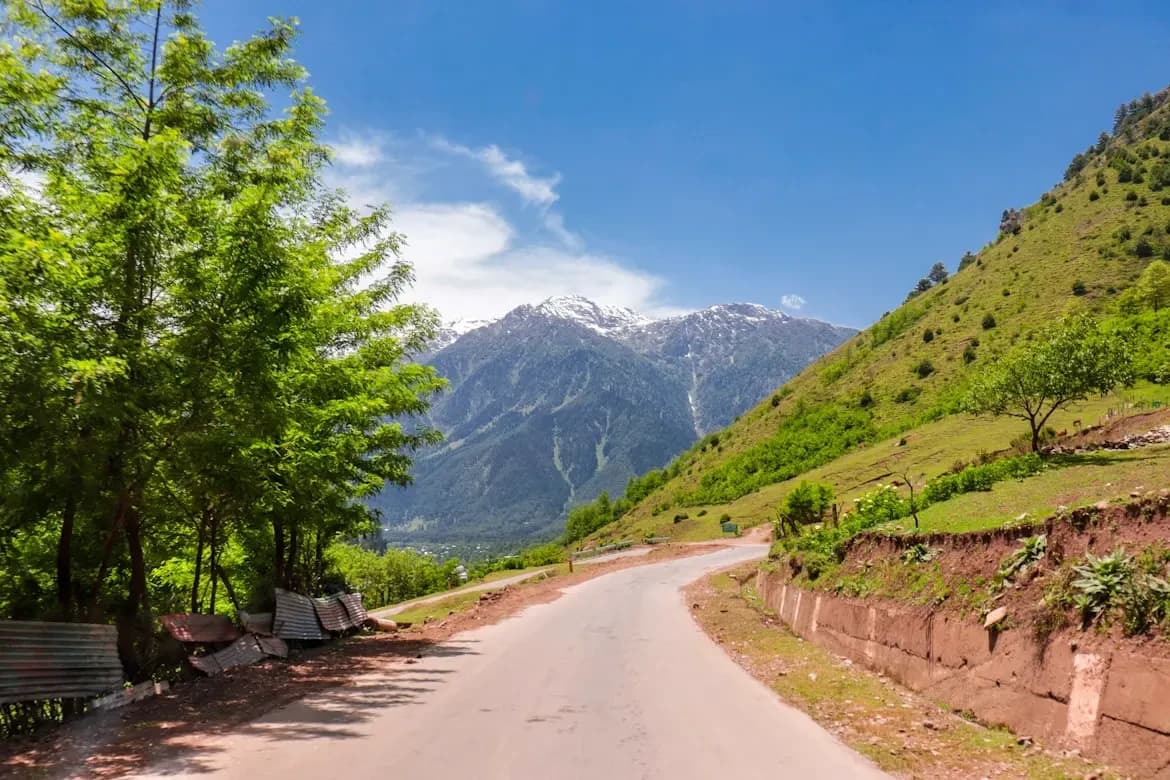
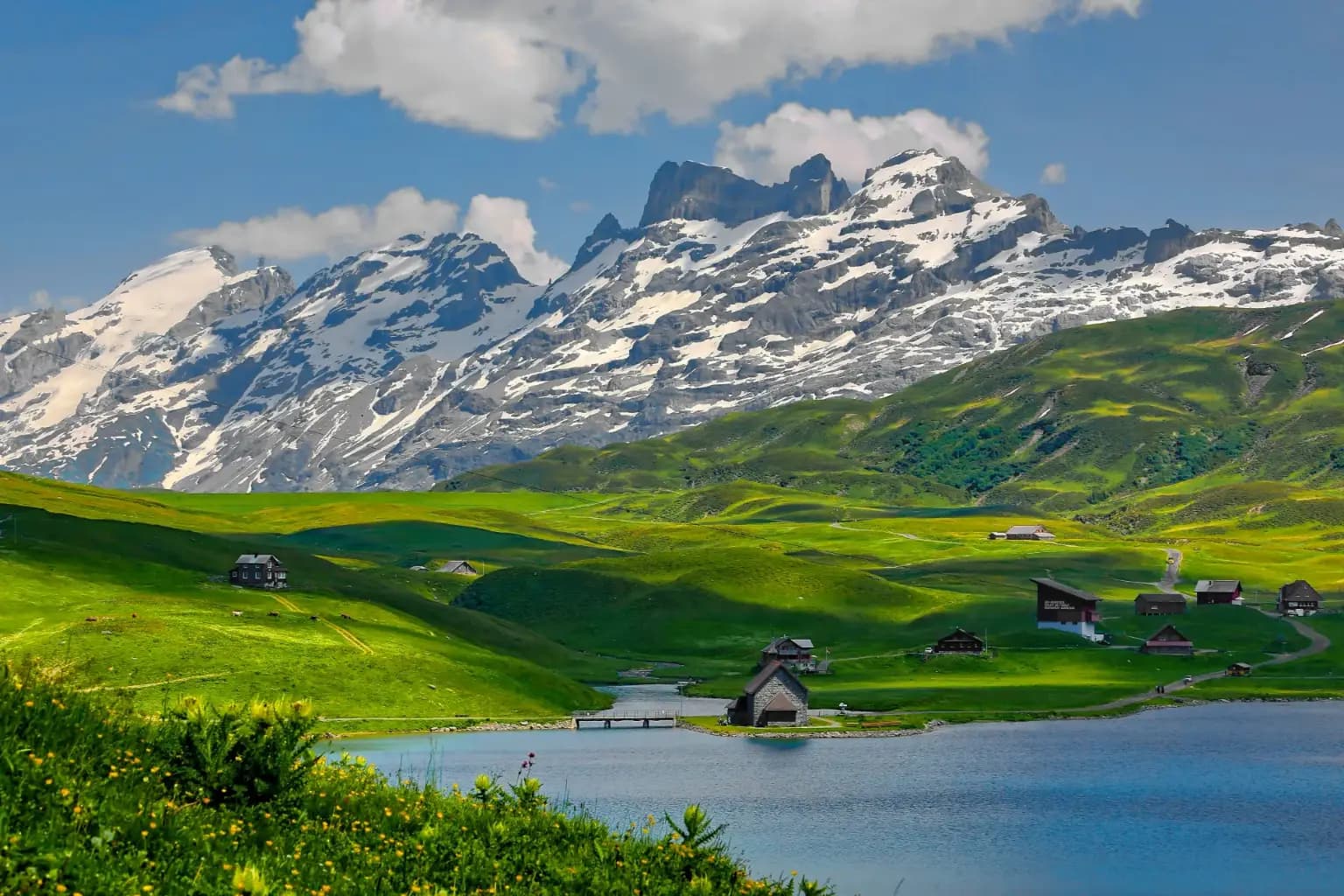
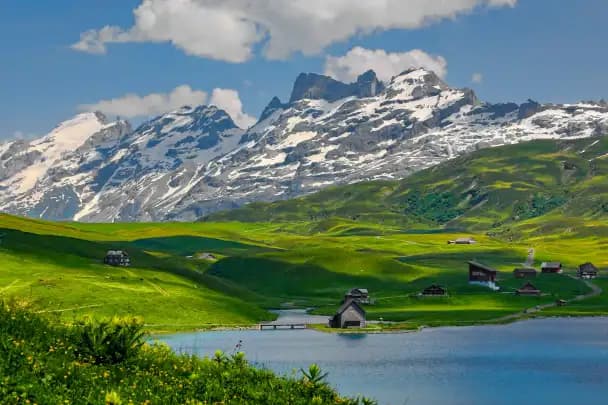
Switzerland is not Europe-generic. The Alps create a weather pattern where you can be in 26°C sunshine in Lucerne and 4°C wind on a Jungfraujoch platform on the same afternoon.
The trains are mostly on time and you are required to be punctual to catch the train on time, also Switzerland is the place where it mostly includes long walks to explore the city.
As I said, things are expensive in Switzerland and shops are closed at 7pm and medical stores are closed on sundays, so keep in mind to carry all the essentials because this will save you from buying those essentials from the local tourist shops.
What This Is and What It Isn't
This is a list of six specific mistakes I made and the actual gear I now pack instead, with prices in rupees from where I buy. It is not a comprehensive packing list. It is not sponsored — every brand mentioned is something I have personally bought with my own money and used for at least two trips.
If something is missing from this article, it's because I either don't have a strong opinion on it or because the standard advice everyone gives is correct (yes, bring a power adapter, you don't need me to tell you that.
Who Should Read This
Select a traveler profile to see its practical budget at a glance.
Travellers who are visiting for the first time
Outerwear — ₹1,799 (one-time) tier, as costed in this guide.
The net expense of replacing all of the above-mentioned mistakes with the correct gear amounts to approximately 14,000 rupees, which is a one-time expenditure, which would pay off in your first Switzerland trip (and on all further Europe and high-altitude trips, afterwards). Compare that with the 6,300 emergency rain jacket I had purchased in Lucerne and the 5,000 in plastic water bottles that I had gathered by day six and the maths is self-evident. It is this part that I, in fact, own and the cost per piece of each item in the retail market in India.
Six Packing Mistakes I Made — and What I Bring Instead
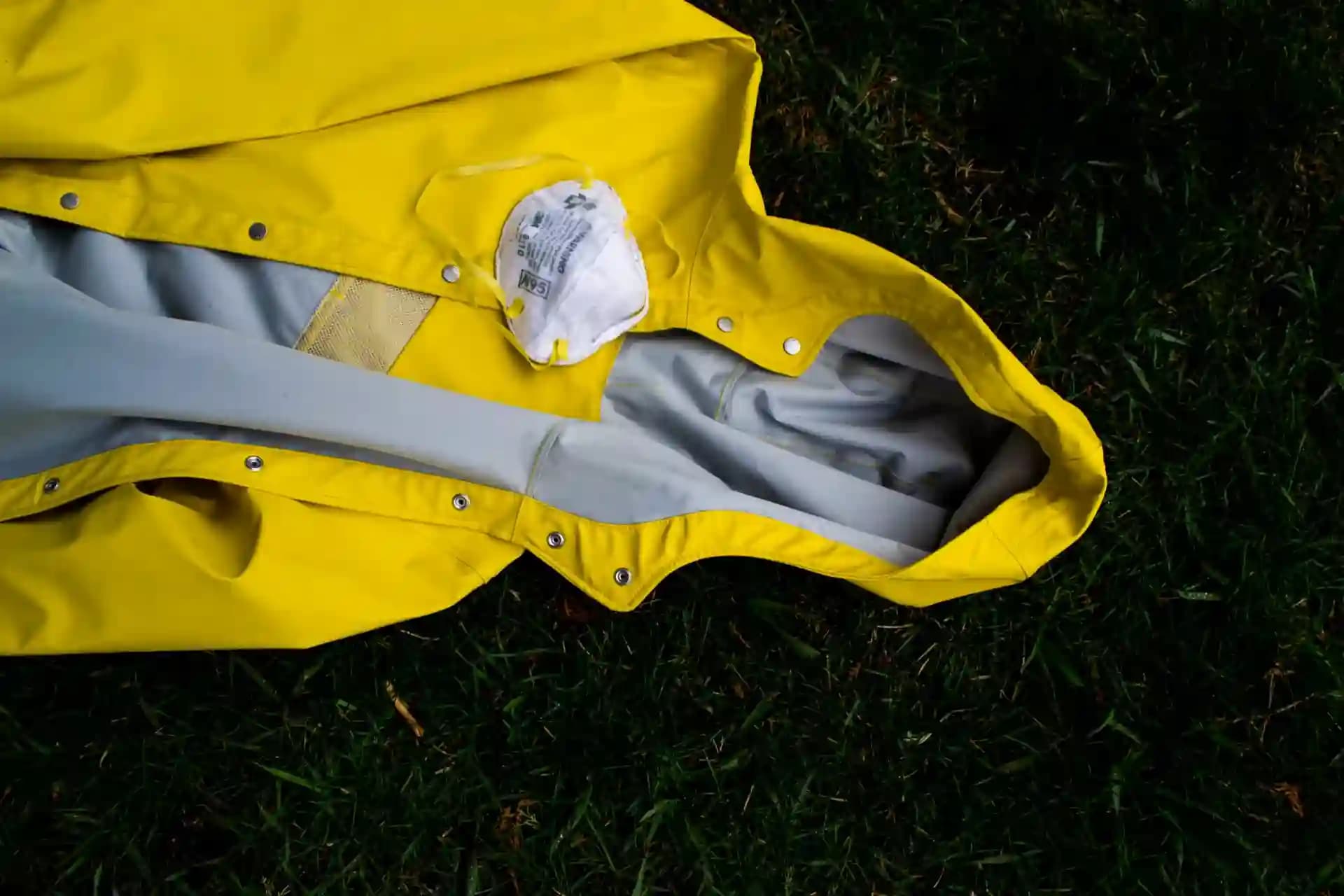
I possessed a winter parka and none of the light rain jackets. The changes in the mountain weather of Switzerland take 30 minutes to change, a sunny morning in Interlaken may turn into a rainy afternoon in Lauterbrunnen and the parka was too warm and of the wrong shape to suit it.
I currently use a rain jacket (₹1,799). It fits itself into pocket, weighs 280 grams and it has saved me on all the Europe travels since. Do not spend Swiss-tourist-shop-money on what you forgot.
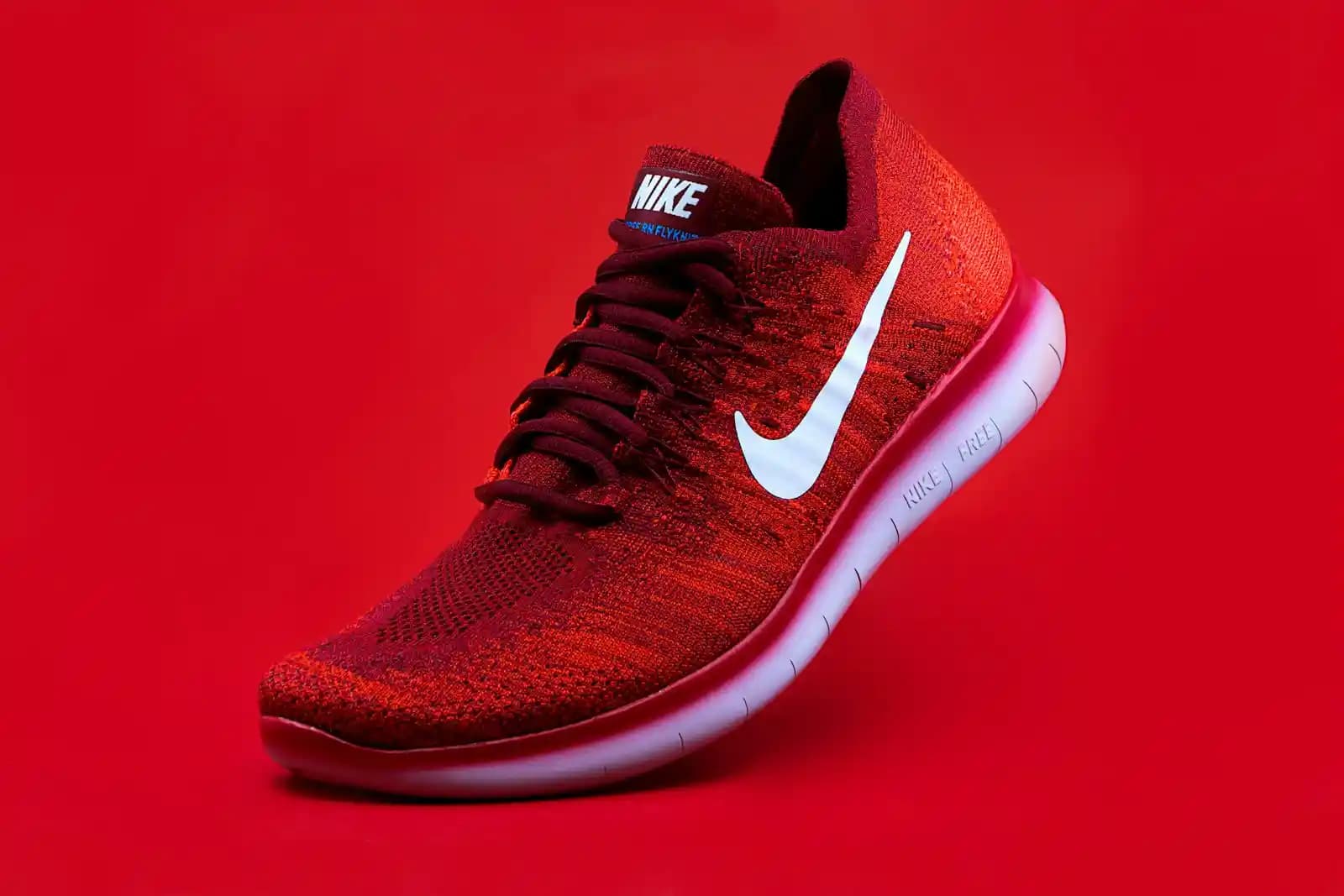
I had my Converse many years, they were comfortable, I thought they were all right. They weren't. Switzerland comes with cobblestones, wet platform tiles, gondola station ramps, and the type of all-day walking that wears out casual sneakers.
Mine actually fell apart on the second day. To walk, I now use one pair of walking shoes (₹1,499) or when doing longer walks, Salomon Outline (~₹8,500). One of them has to endure 30,000 steps in a day during two weeks. False economy: casual sneakers.
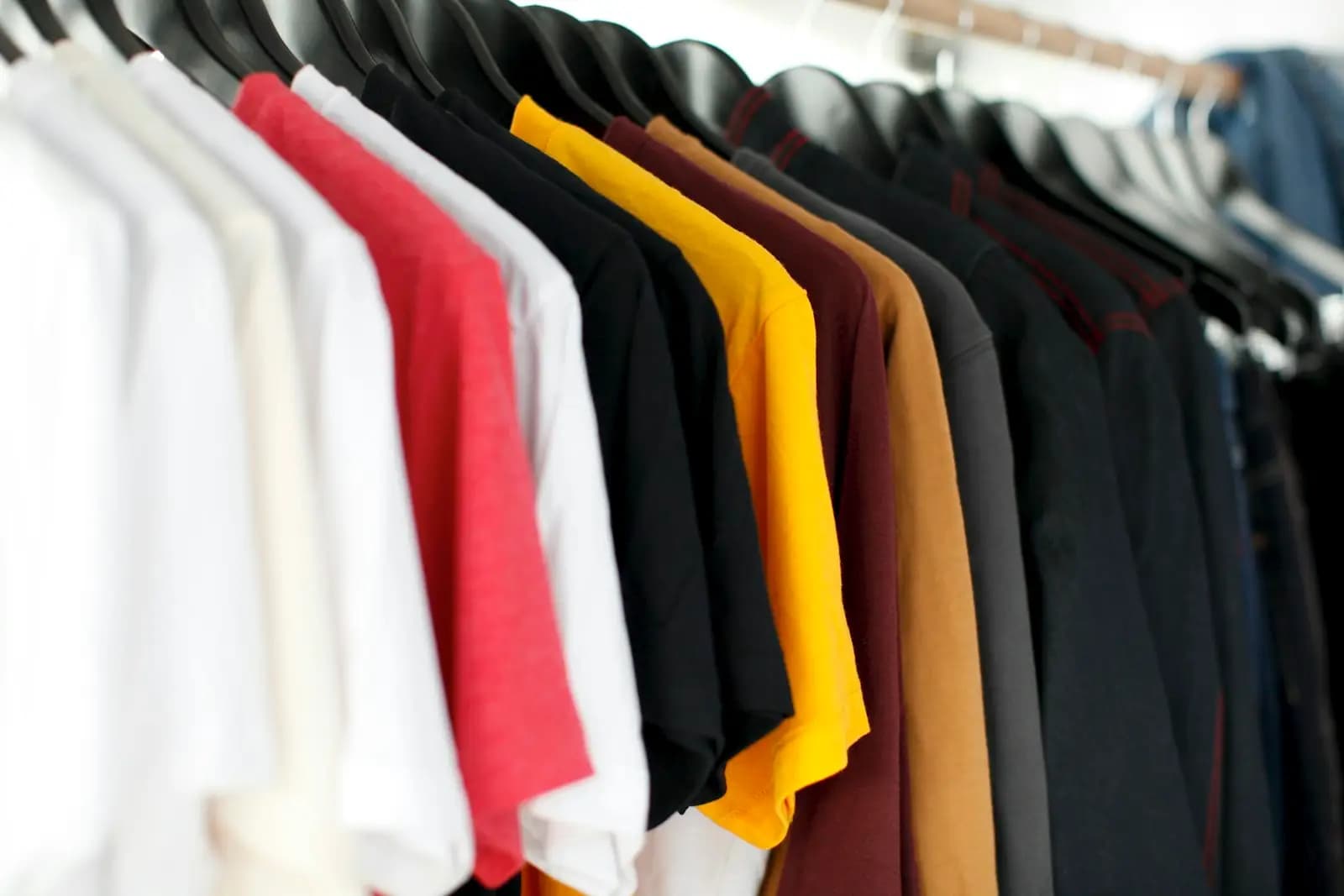
In review of he choice of jeans in Switzerland in summer is a strange choice. They are cumbersome, slow to dry when wet and appear the same way in all photographs. Now I carry one pair of jeans to wear in the evening, another pair of trail pants ₹1,499) which can also serve as hiking pants or rain-resistant casual wear. That will be eight days with ease. Reduces the weight in the bag by at least 1.5 kg.
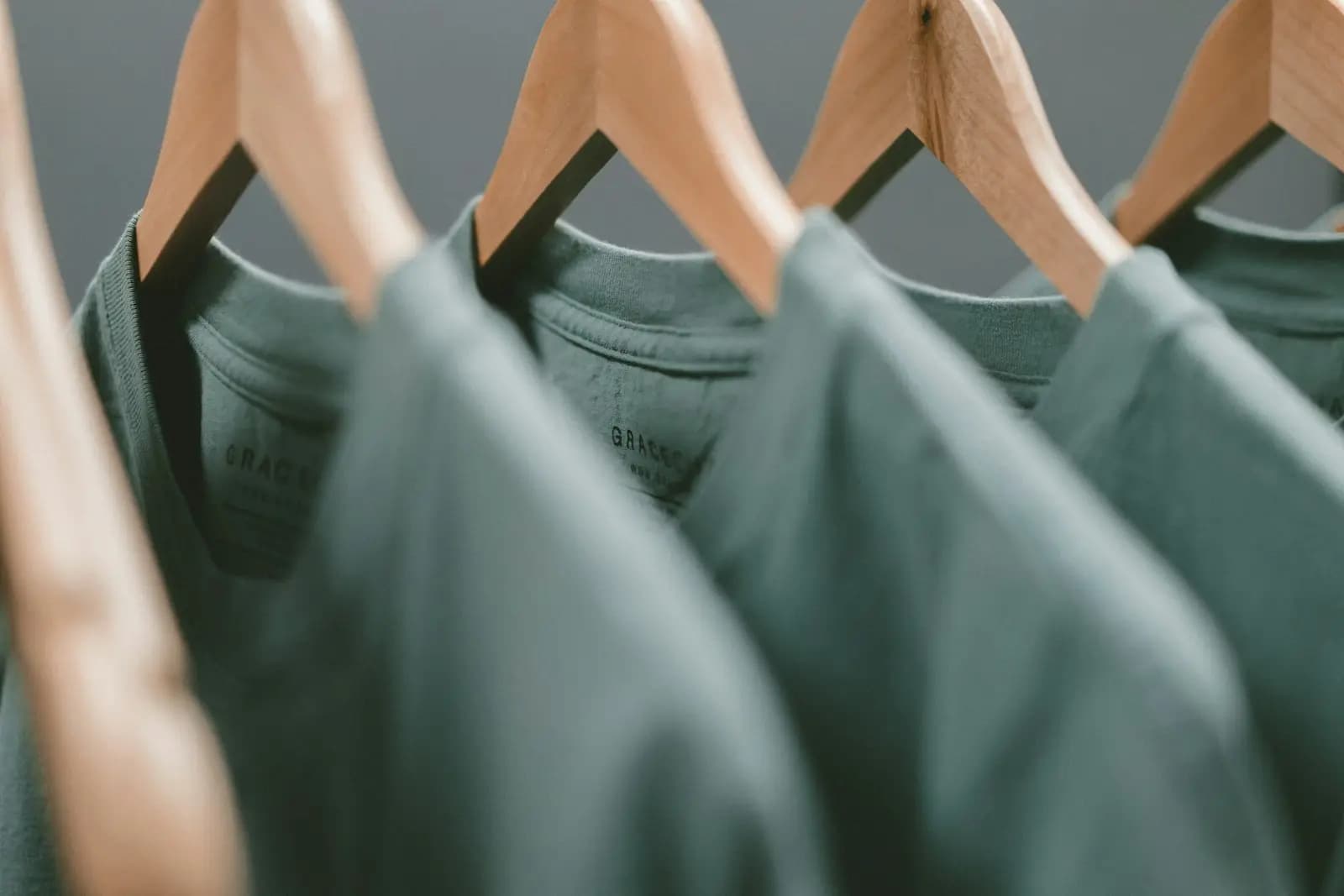
Cotton T-shirts absorb the sweat and remain wet. That makes a difference on a day when you are riding a cable car 3,000 metres up in the morning and 3,000 metres down in the afternoon in a city centre.
I now carry three merino wool T-shirts from a local mall in Delhi, ₹1,799 each to use on the active days and two regular cotton tees to use on the evenings when I am not active. Merino smells like nothing the whole day after a day of walking, dries overnight on a hotel radiator, and allows you to actually wear the same tee twice on a trip without anyone noticing.
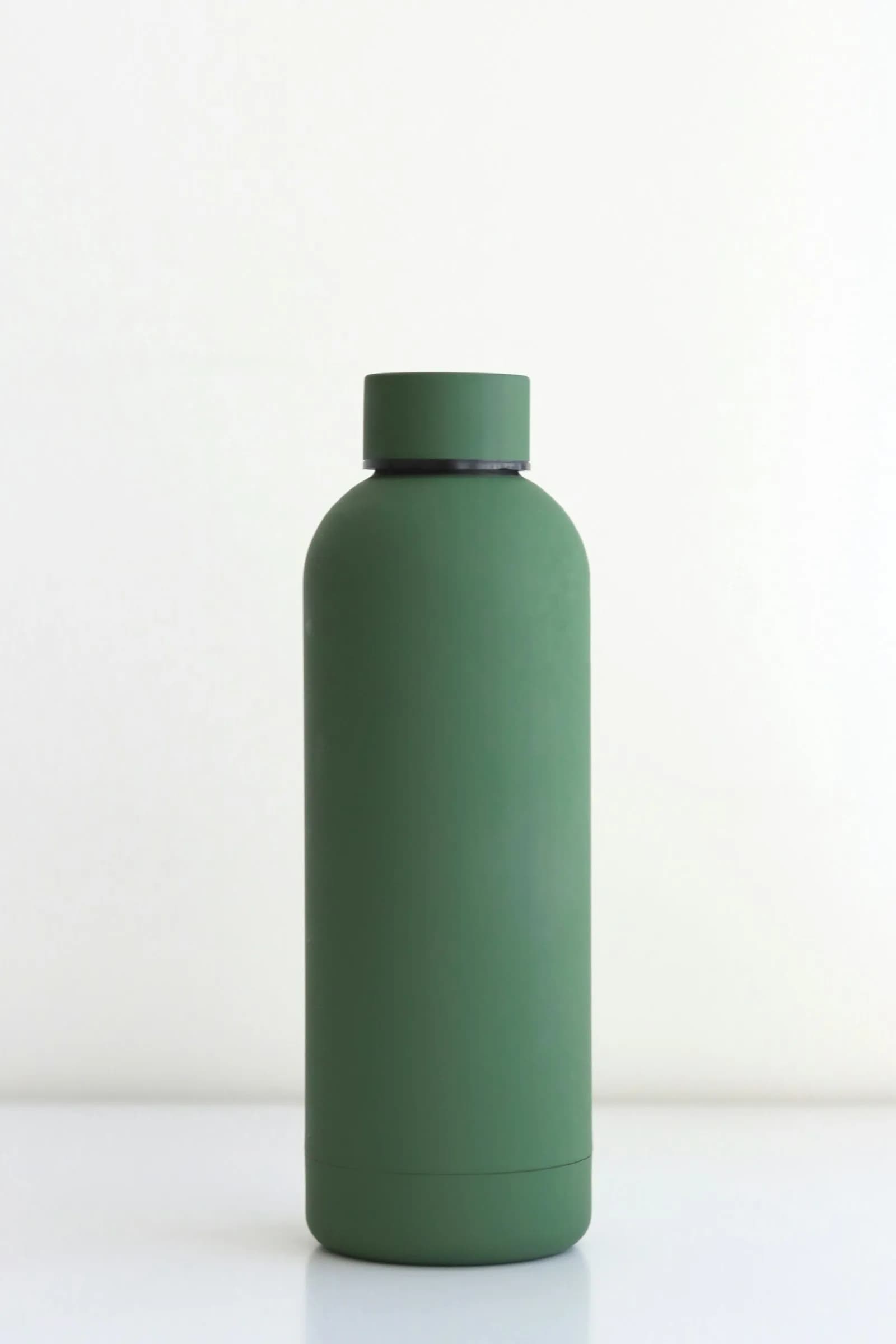
It is the cleanest tap water in Europe, has free communal fountains in nearly every village. The fountains are not ornamental, but operational you can drink the water of any one of the fountains, without the label stating that the fountain is kein Trinkwasser (not drinking water). During my first visit, I purchased CHF 4 plastic water bottles each day. That's roughly ₹360 a bottle, two a day, ₹720 daily, ₹5,000 over a week.
I have now acquired an insulated steel bottle at the range of ₹699 with a 750ml capacity and am refilling it 3 times a day. The one piece of equipment included in this article with the highest-return-on-investment.
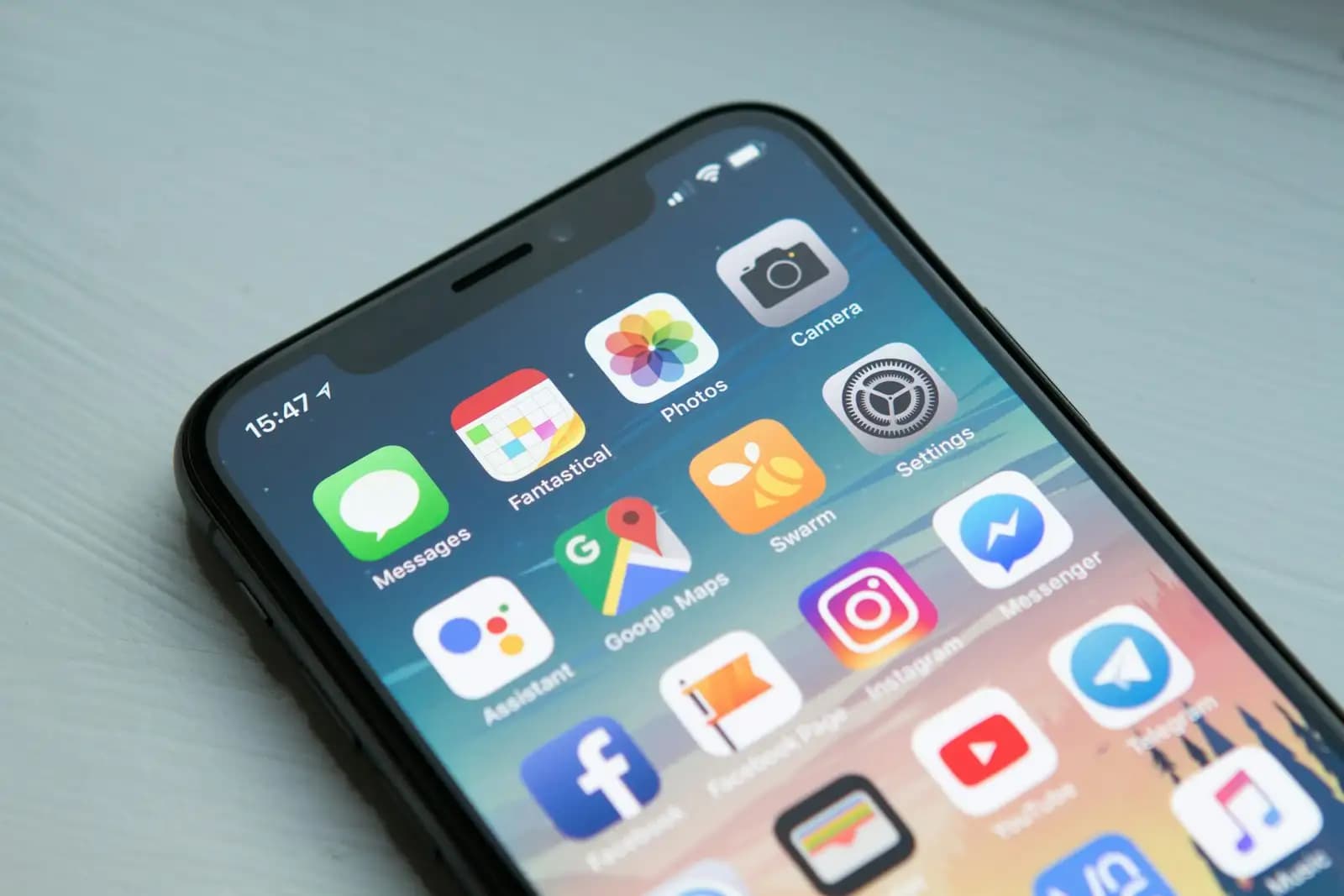
Travelling on an Indian Airtel/Jio plan in Switzerland is neither criminally expensive (₹500-700 per day) nor reliable. It is also expensive to purchase a Swisscom or Salt SIM at the airport (CHF 30 with limited data).
Before I left India, I already recharged my phone with Airalo eSIM (₹1,000 with 10GB / 30 days) and it activates as soon as I land. No line, no clerk to talk to in a language that I did not speak. eSIMs are compatible with only phones iPhone XS / mid-2018 and onwards; check before purchasing.
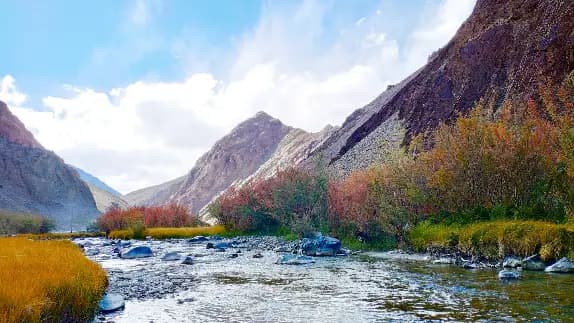
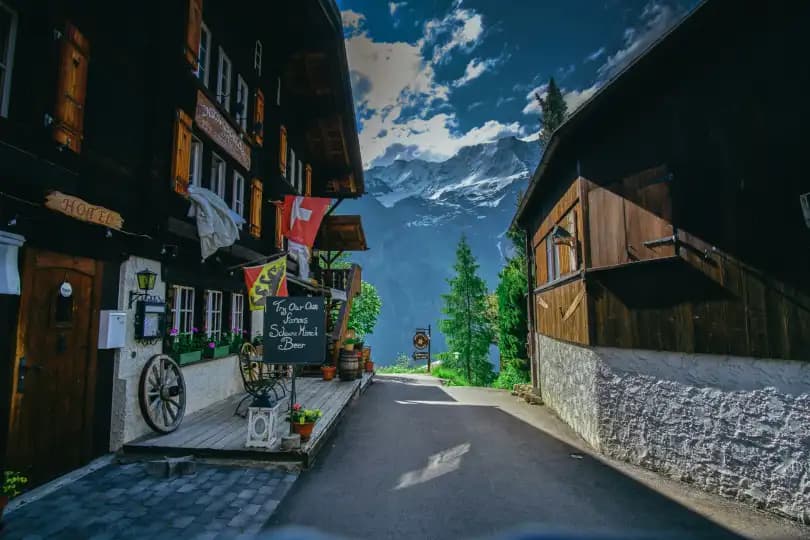
The Landscapes That Demand You Pack Right
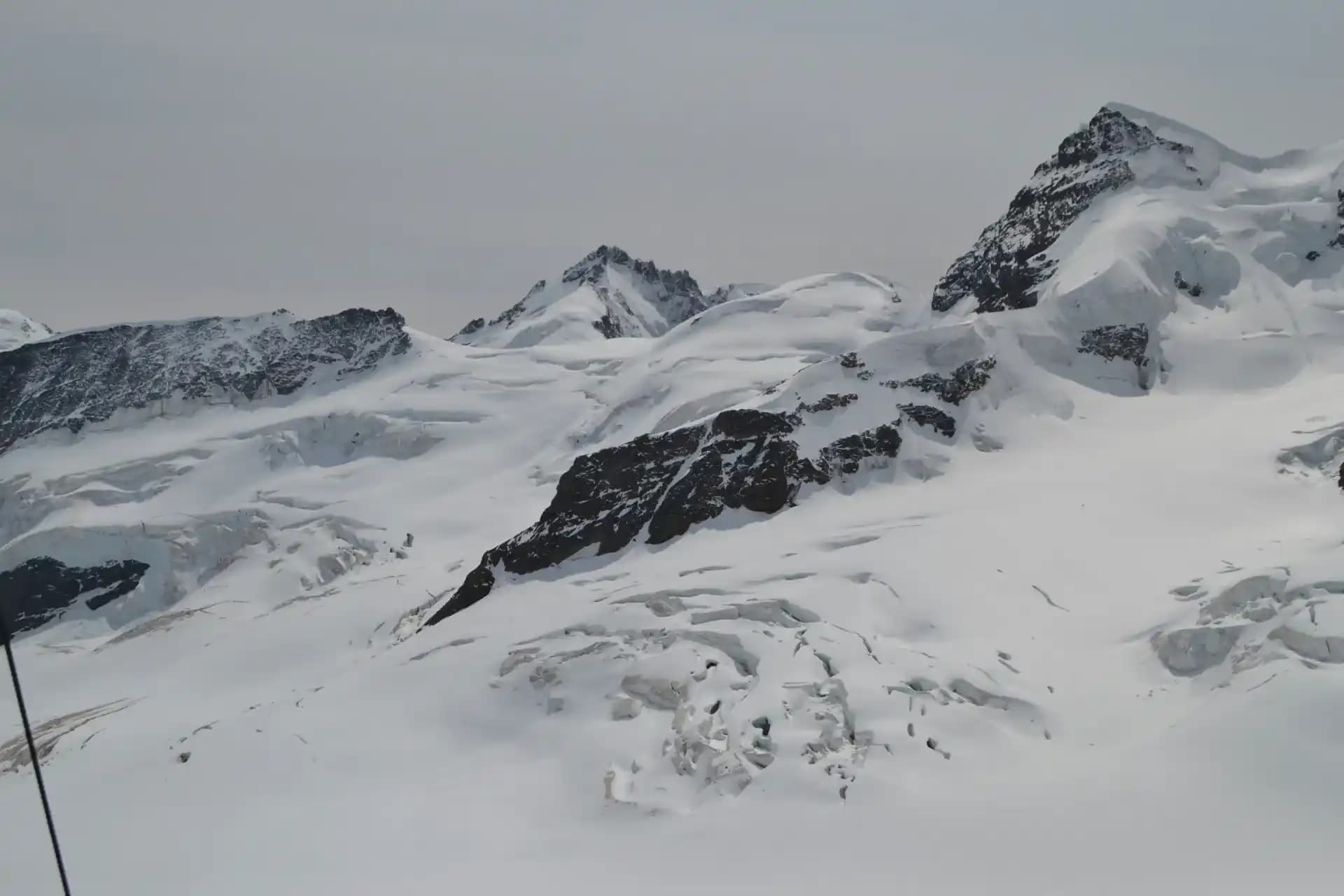
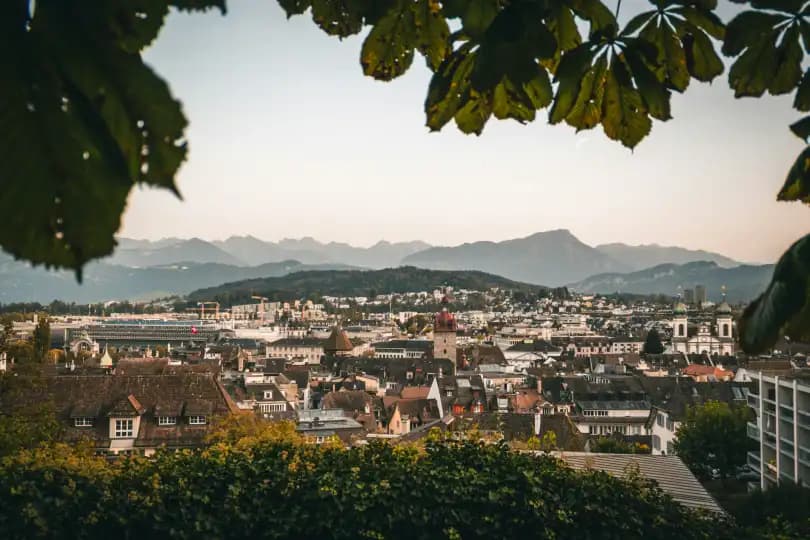
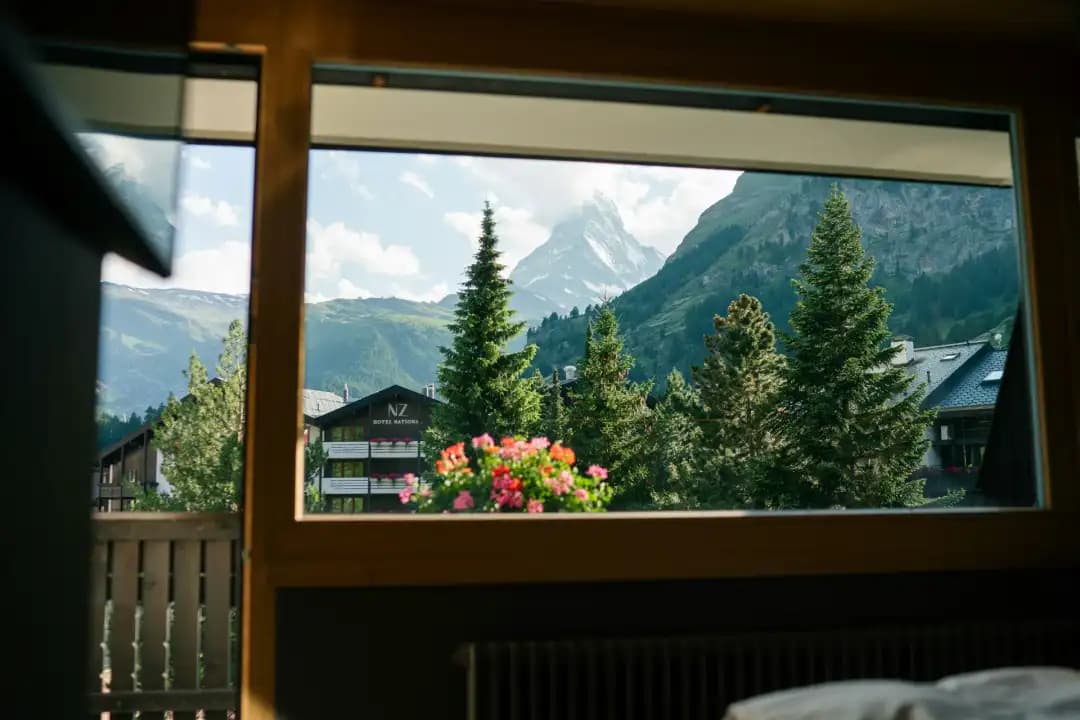
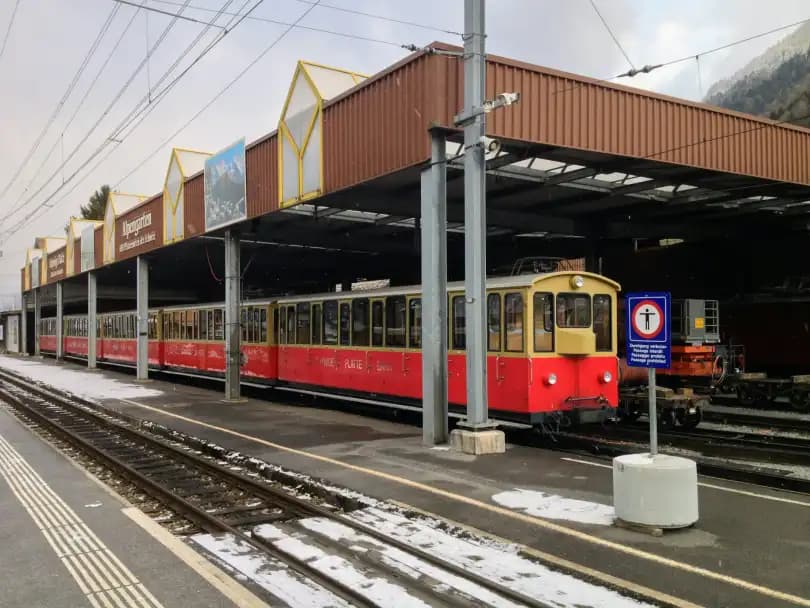
The Seven Principles That taught me how to pack.
The Seven Principles That taught me how to pack.
Keep in mind that the weather would shift to 10C and change to rain after 30 minutes. This applies all throughout the Alps. Always layer your clothes - light base layer, mid-layer fleece, rain shell. Even in July.
You are packing wrong, in case you cannot fit 7-10 days of packing Switzerland in a 50L cabin bag. Trains, gondolas, the staircases of old town hotels - none of them are accommodating to two big suitcases. The principle which benefited me most: to lay everything out in the bed and to put a third of it back in the cupboard.
You will lose anything that you forget and that will cost you 3-5x in Switzerland. A toothbrush at a Lucerne pharmacy is CHF 8 (~₹720). , Amazon India and Reliance Trends have nearly it all in this article at a fifth the Swiss tourist rate. Either purchase at home or defer payment.
Passport, Schengen visa (in passport), printed travel insurance certificate or Swiss Travel Pass on phone or printed, return flight ticket. Keep with you in another pocket copies of all these photocopies. Indian travellers sometimes are spot checked in small Swiss border stations - the ability to quickly produce documents sort them out within minutes.
Airalo, Holafly and Nomad all sell Switzerland-specific eSIMs between 7-10 days of data between ₹900-1,500. The lowest priced is Airalo that is affordable to average users. The unlimited data plans provided by Holafly are logical when you stream or have a video-call. physical SIMs at the airport such as Salt and Swisscom cost about twice as much as comparable data.
Bring along a couple of the packets of dry Indian snacks, the masala peanuts, theplas packed in foil, a pack of Britannia Marie biscuits. In Switzerland it takes a long time to be served in a mountain restaurant and a CHF 8 sandwich is all you can afford at times. Indian dry snacks are also allowed to carry through in custom baggage, in a sealed pack.
Assuming you are travelling around in the months of April-May or September-October the lowest months of the year to travel in Switzerland, add a fleece (Decathlon MH100, ₹1,299) and a pair of lightweight gloves to the list. Temperatures on mountain tops may fall to 2-4°C despite warm temperatures in the valleys. The variation between having fun Jungfraujoch and scurrying back to the train is the fleece.
What I Would Advice myself back in 2019
The thing with bad packing is that you do not realise it until the third day of the trip when you have already hiked the bag up three train stations, two hotel check-ins and one mountain. At this point it is too late to repack and too late to send back what you came with. The price of a packing error is paid twice - at the airport and at the Swiss tourist shop where you repair it.
Even in the unlikely event that I were able to send myself a longer list of packing items in 2019, it would not be a higher list. A shorter, sharper one it would be. Three merino tees, a pair of trail trousers, a rain shell, a fleece, walking shoes, the steel water bottle, the Type J adapter, the eSIM and the duffel which fits it all. Less than 9kg weight. Estimated price ₹14,000, which was paid single time and amortised on all European travels since. It would have been the same trip, except that the panic shop run in Lucerne would have been omitted.
Why This List Is Effective to Switzerland in Particular
The vast majority of country-specific packing list are somewhat difficult to recognize general lists. This one isn't. Switzerland-specific is the Type J adapter (Type C/F is used in Italy and France). The reason why the focus is on merino is due to the temperatures changes between Alpine highlands and cities located at the lake level.
The water bottle is more here than hardly anywhere else as the public fountain culture is a Swiss and Austrian invention. The soft duffel is important as Swiss train infrastructure is designed to carry carry-on luggage, rather than check-in luggage.
In Italy with this list you will be able to leave the adapter and even the gloves behind. Go to Iceland and you will require a more substantial rain shell. Switzerland is a packing issue in its own right and it merits a packing solution of its own.
The Conclusion
Good packing is no good to save your trip. Even when you have packed badly, Switzerland is wonderful - I had a great time in 2019 despite the canvas sneakers and the parka. However, a well-packed bag will prevent the little frustrations that accumulate over a journey the wet feet, the heavy bag on a staircase at a station, the CHF 4 water bottle three times a day, the scramble to get an adaptor at midnight. Nothing, but something that would make one go home and think that it was an amazing trip, despite what one would have chosen to do.
In case you are planning a trip to Switzerland, and need some assistance with the aspects of the trip that this paper does not cover namely the routing, the Swiss Travel Pass logistics, the hotels not listed on the Indian booking sites etc. the work I do at Atravelq with travellers in India. Worth a chat until you pick up the bag.
Quick, practical answers to the questions travellers ask most about Switzerland.
A proper rain shell. Switzerland's mountain weather changes within 30 minutes and there is no piece of gear that will save you more frustration than a light, packable rain jacket. The Decathlon Quechua MH100 (₹1,799) folds into its own pocket and weighs 280 grams. Buying an emergency rain jacket in a Swiss tourist shop costs CHF 60-90 (~₹5,500-8,300) — roughly four times what the same quality costs in India.
You need walking shoes. Casual sneakers and Converse-style canvas shoes do not survive the kind of all-day walking a Switzerland trip involves — cobblestones, wet platforms, cable car ramps, mountain villages. Decathlon's Quechua NH100 (₹1,499) is the entry-level option that works fine for non-hiking trips; Salomon's Outline (~₹8,500) is the premium option that lasts 2-3 long trips.
Switzerland uses Type J plugs, which are similar to Type C but with a small offset earth pin. Most Indian "universal travel adapters" do not fit Type J properly because the third pin is in a different position. Buy a Switzerland-specific Type J adapter (~₹250 on Amazon India) before flying out. A normal European Type C/F adapter will only work in some sockets.
Yes — Switzerland has some of the cleanest tap water in Europe and you can drink from almost any public fountain in any village. Carry a reusable steel water bottle (the Milton Thermosteel Atlantis, ₹699, is excellent) and refill it through the day. The only fountains you should not drink from are those marked "Kein Trinkwasser" (not drinking water) — these are clearly signposted and rare.
An eSIM is significantly more cost-effective and convenient. Airalo's Switzerland eSIM costs ₹1,000 for 10GB over 30 days and activates the moment you land. Physical SIMs from Swisscom or Salt at Zurich Airport cost CHF 30 (~₹2,750) for similar data. eSIMs only work on phones from iPhone XS / 2018 onwards — check your phone supports it before buying.
Yes, easily, if you skip jeans and pack merino wool tees instead of cotton. A 50-litre soft duffel with backpack straps (Wildcraft Voyager, ₹3,499) holds 7-10 days of well-chosen Switzerland clothing comfortably. Carry-on saves you airport waiting time, makes train station stairs manageable, and removes the risk of a checked bag arriving in Frankfurt instead of Zurich.