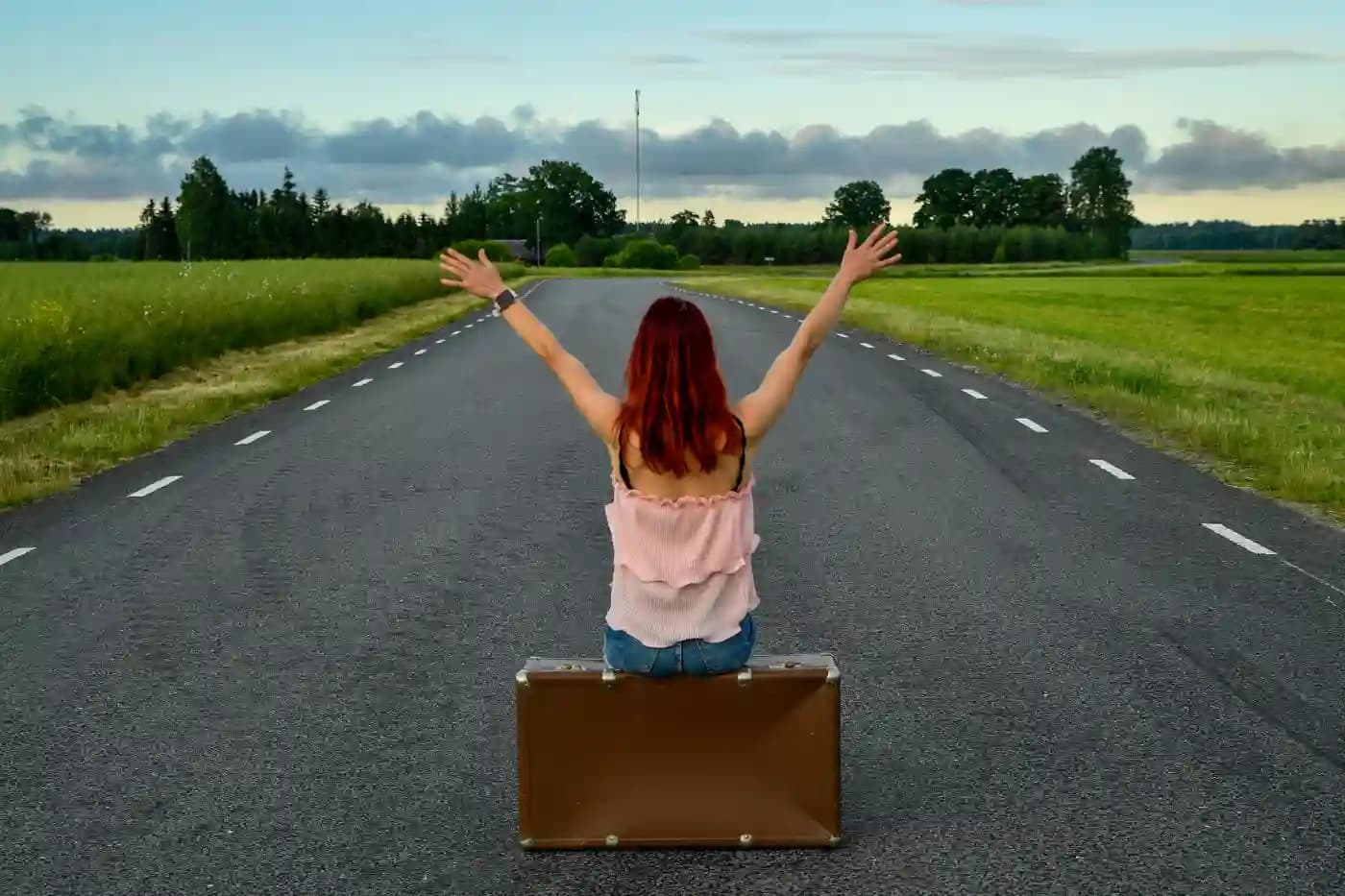
The first time the idea of travelling alone crosses your mind, two feelings usually arrive together — a rush of excitement, and a quiet flutter of nerves. Both are completely fair. Solo travel isn't some reckless leap into danger, but it's also true that when a woman sets out on her own, a few decisions simply need a little more thought. This guide is about that middle path — where you don't stay home out of fear, and you don't take needless risks out of carelessness either.
Everything below comes from the practical wisdom of real journeys and the everyday experiences of women who travel — not a recycled checklist.
Going alone is about far more than "not waiting for anyone." It's a chance to know yourself in a new way. When no one else is around, every small choice is yours — where to stop, who to talk to, when to move on. That is exactly the kind of thing that builds confidence in a way ordinary daily life rarely does.
So even while we talk about safety, keep the real goal in mind: the point is to manage the fear, not to cancel the trip. With good preparation, a solo journey is often more peaceful than any group trip.
The biggest difference isn't made at the destination. It's made in the research you do before you even set out.
Don't just search for "places to see." Look at what the atmosphere is like for women, which areas empty out and go quiet after dark, whether local transport is reliable, and what the cultural expectations are. Very often one part of a city is wonderful by day and uncomfortable after ten at night. Knowing that difference in advance is a huge relief.
Give a copy of your full plan to someone you trust — a family member, a friend, anyone: hotel name, travel dates, and a rough itinerary. Agree on a simple nightly "I'm okay" message. This isn't surveillance; it's your safety net.
Keep photos of your important documents in both your phone and your email, plus one physical copy in a separate bag. Passport, ID, tickets, hotel booking — if these aren't all in one place, a theft or a lost bag won't leave you stranded.
Cheap is nice, but in solo travel, location and reviews matter far more than the lowest price.
Pick a place on a lively, well-lit street rather than in some isolated corner. Read reviews before booking, especially ones written by solo female travellers — they often mention exactly the things the listing photos won't. A 24-hour reception, a proper door lock, and an easy check-in are small things that let you sleep soundly.
The moment you reach your room, check the lock, the chain, and the window yourself. A room that isn't on the ground floor is better, and if you feel uneasy in a lift alone, there's no harm in taking the stairs or simply waiting for the next ride.
Transport is where most uncomfortable moments happen, so a little extra alertness here goes a long way.
If you're arriving at night, book your ride from the airport or station to the hotel in advance, so you're not wandering around the moment you step off. Sharing the vehicle number and driver details with someone the second you get in a cab is easy now — apps have that feature built in, so use it.
On public transport, wherever there's a separate carriage or section for women, it's often more comfortable. When walking, instead of disappearing completely into your phone, stay aware of your surroundings — who's ahead and behind, how open the street is. This isn't being paranoid; it's just being present.
Technology and preparation have their place, but the most reliable safety tool in solo travel is your own instinct.
If a person, a lane, or a situation gives you a "something isn't right" feeling, don't argue yourself out of it. In the effort to seem polite or not appear rude, people often override their gut — and that's the biggest mistake of all. If you need to step out of a conversation, leave a place, or turn down someone's help, you owe no explanation. "No, thank you" is a complete answer.
One easy trick: if a place feels off, step into a shop, a café, or a hotel, or act as if you're about to meet someone. A crowd and an open space are often the safest place to be.
A small illness or a money tangle can feel huge when you're on your own, so having a backup matters.
Carry a basic medicine kit — for fever, stomach trouble, allergies, and any regular medication of yours. Don't treat travel insurance as a wasteful expense; a single medical emergency earns back its full cost.
Don't keep all your money in one place. Split some cash, one card, and a little emergency stash across different bags and pockets. That way, if something is lost or stolen, you're not left completely helpless.
Every place has its own customs, and understanding them isn't weakness — it's good sense.
Having a rough idea of local norms around dress and behaviour often saves you from unwanted attention. This isn't bowing to anyone's mindset; it's a practical way to blend comfortably into your surroundings. Learning even a few words of the local language — hello, thank you, help — also builds both connection and trust with people.
Sitting alone in a restaurant or wandering solo feels awkward at first, but it soon becomes one of the most freeing feelings there is.
Explore freely in daylight. For the evening, choose crowded, familiar places and decide your route back in advance. Be careful with alcohol somewhere new — never let your drink out of sight, and set your own limit. Being alone doesn't mean being careless; it just means enjoying yourself on your own terms.
Solo travel sometimes brings a wave of loneliness too, and that's perfectly normal.
By joining a hostel common area, a women's travel group, or a local walking tour, you can connect with people without losing your freedom. Many cities have communities and meetups for women who travel solo, where both experience and advice are on offer. Join in when you feel like it — and when you don't, being comfortable in your own company is one of the beautiful gifts of this journey.
After reading so much about safety, don't let fear settle in — so let's be clear about one thing: most places in the world, and most people, are good. All this preparation isn't because there's danger around every corner; it's so that, being prepared, you can relax completely and soak in the places, the moments, and the freedom you set out for.
Carry your good sense, trust your inner voice, and go. The best journeys are often the ones we make alone.
Common Questions
Quick, practical answers to the questions travellers ask most about General.