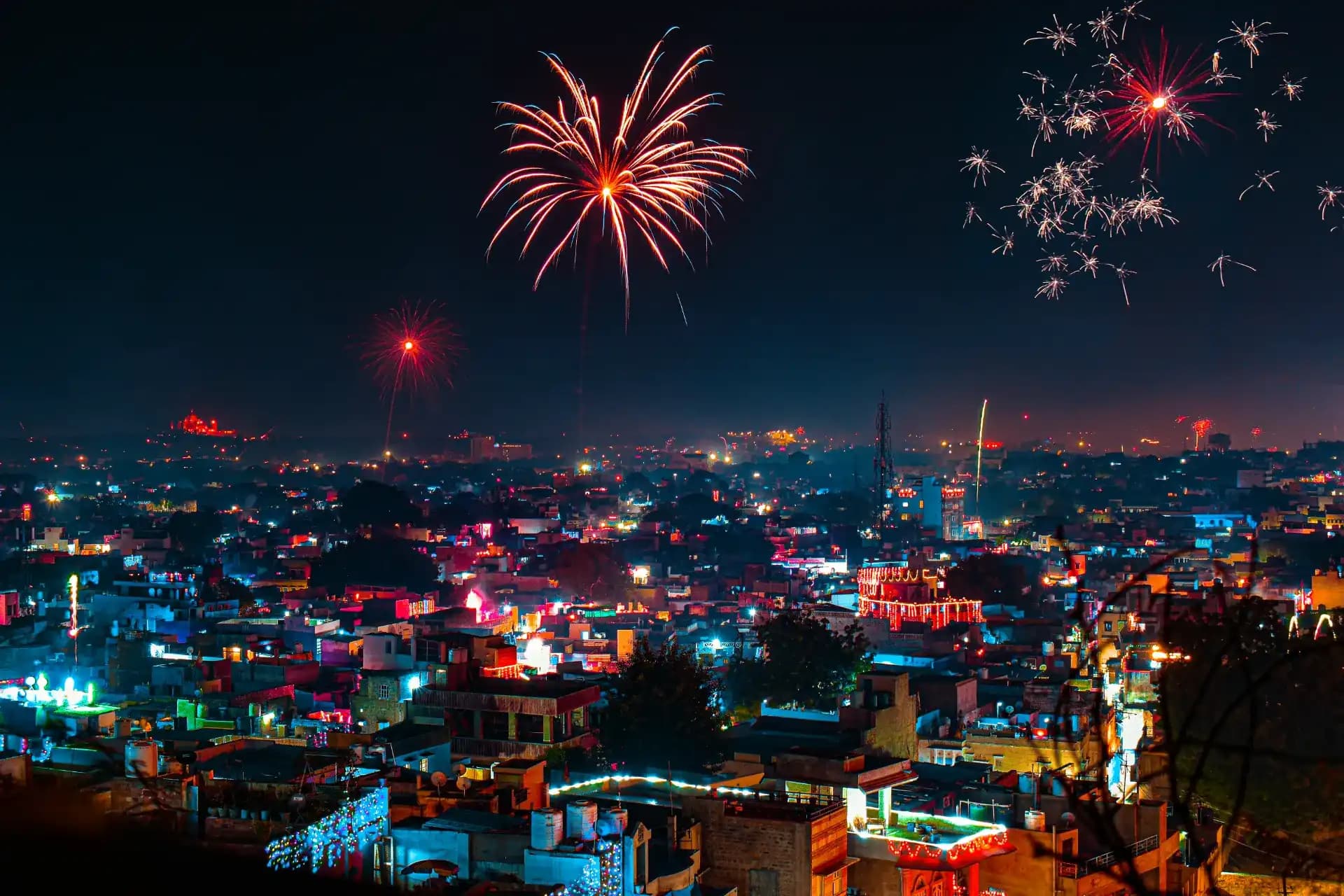

There are two parallel calendars that are used in India. The first one is the calendar of the National festivals like Holi, Diwali, Eid, Christmas, Independence Day etc. which people see. The other calendar is a longer, gentler one of regional festivals, tribal harvest in the Northeast, monastery festivals in Ladakh, livestock festivals in Rajasthan or temple festivals in Kerala.
These are the festivals that people in the area attend, photographers are coming from around the world to attend and that Instagram has just missed out on.
These are 8 things that you need to organize around for an actual trip that is, book the flights, take vacation, and lock in the place to stay 6 weeks in advance. I have marked the ones that I have personally attended. Those I've not, I have checked with those who have.
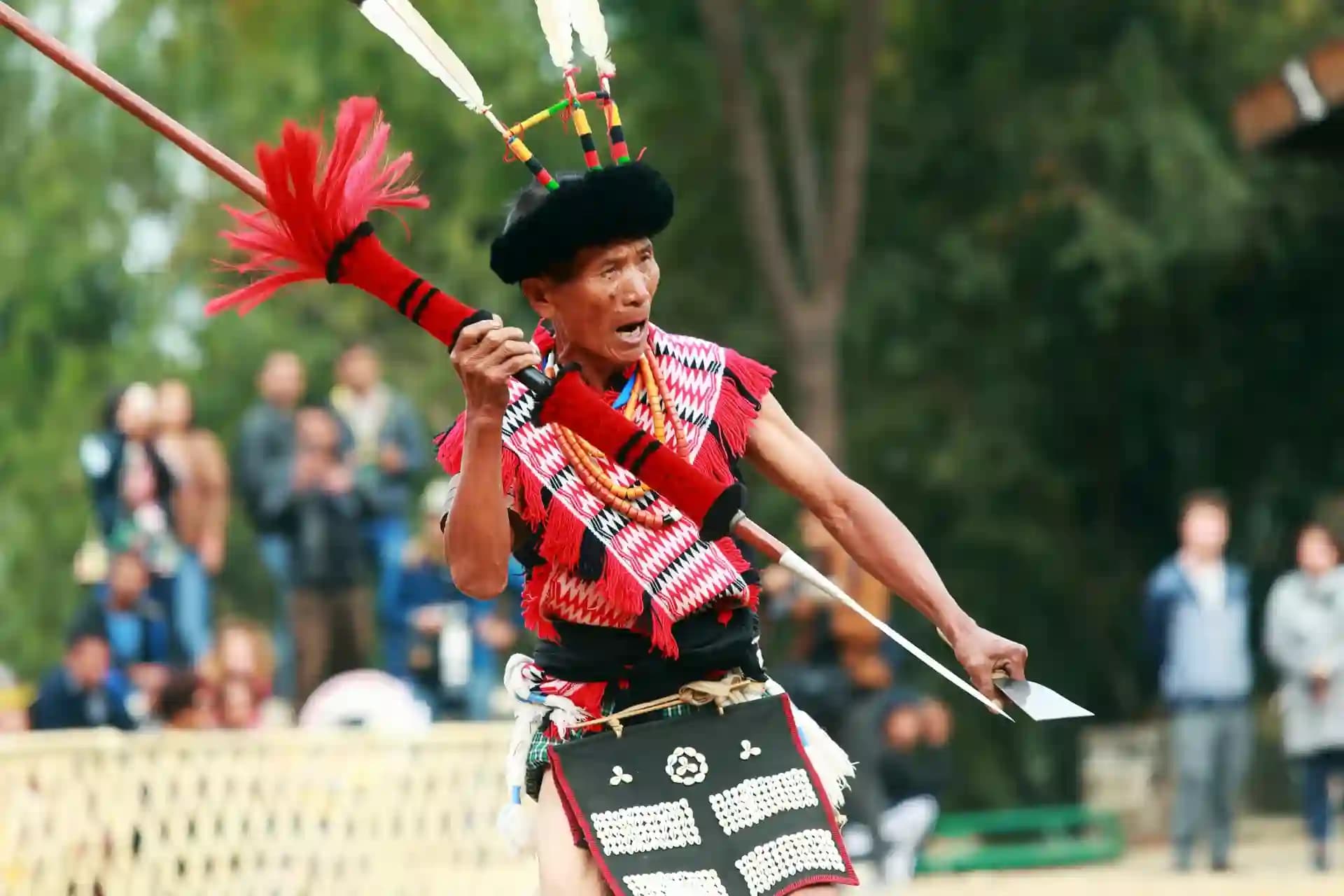
The exhibition will take place in Kohima near Kisama for a period of 10 days from 1st December to 10th December.
It is known as the Festival of Festivals as it gathers 16 major Naga tribes, Angami, Ao, Sumi, Lotha, Konyak and others, In a Heritage village outside Kohima for a span of 10 days. Traditional warrior dances, making of fire, performances of drumming logs, headdresses made from hornbill feathers, stalls of indigenous foods and Naga Chilli Eating Competitions (one of these is a heat scale that melts most outsiders). The festival is also a serious music evening with rock and indigenous fusion concerts which have made Nagaland a national music name.
But why it should be a complete trip: Nagaland is one of the difficult states to enter into (Inner Line Permit required for non-Nagaland Indians, special permit required for foreigners) and anyone who visits the state with no particular reason will never do so again. That's why Hornbill. Enjoy it with a week trip to Kohima, Mokokchung and Konyak villages near Mon (the erstwhile headhunter region) for a well-rounded trip to Nagaland.
Personally from my experience I have discovered a part of India never understood before. The experience is beautiful but not mostly comfortable, I faced some hardships. I was stuck in a traffic jam for hours that I was annoyed at the end, hotel prices were double the amount than I thought at peak time of the season and festival and also crowded transport but oddly, those things became part of my memory too. It feels very different from the stereotypical mindset that I had in my mind about people living in Northeast India.
Logistics: Fly to Kohima from Kolkata or Guwahati (1 hour to Dimapur, 3 hours by taxi to Kohima, cost Rs. 2,500 to Rs. 3,500). Kohima is 12 km away from Festival ground at Kisama. Adult Rs. 30 (Indian) and Rs. 200 (Foreigner) for day pass. During festival week prices of hotels and homestays in Kohima will triple book early by September.
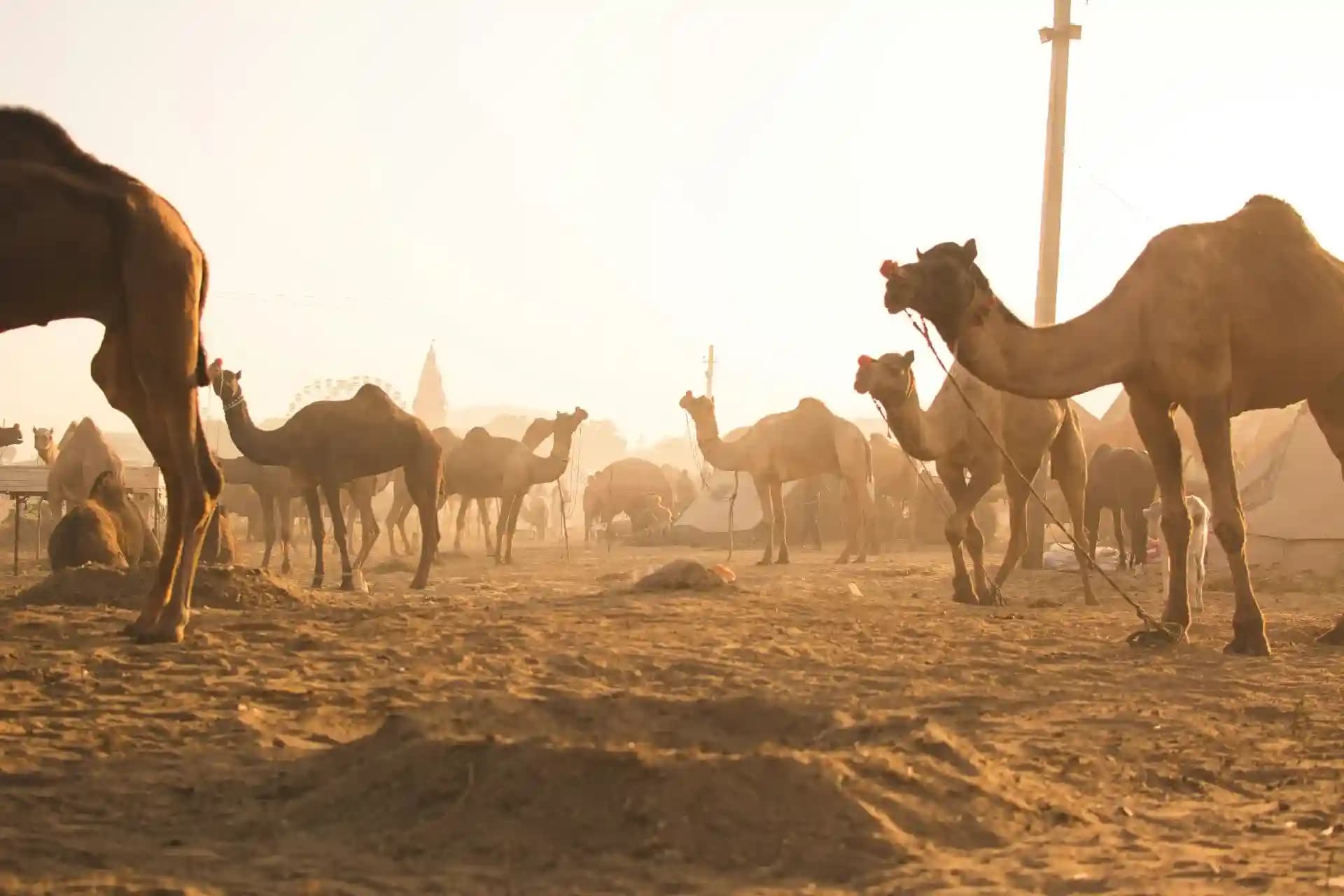
This festival is observed at Pushkar and is known as Kartik Purnima which is from late October to Mid November.
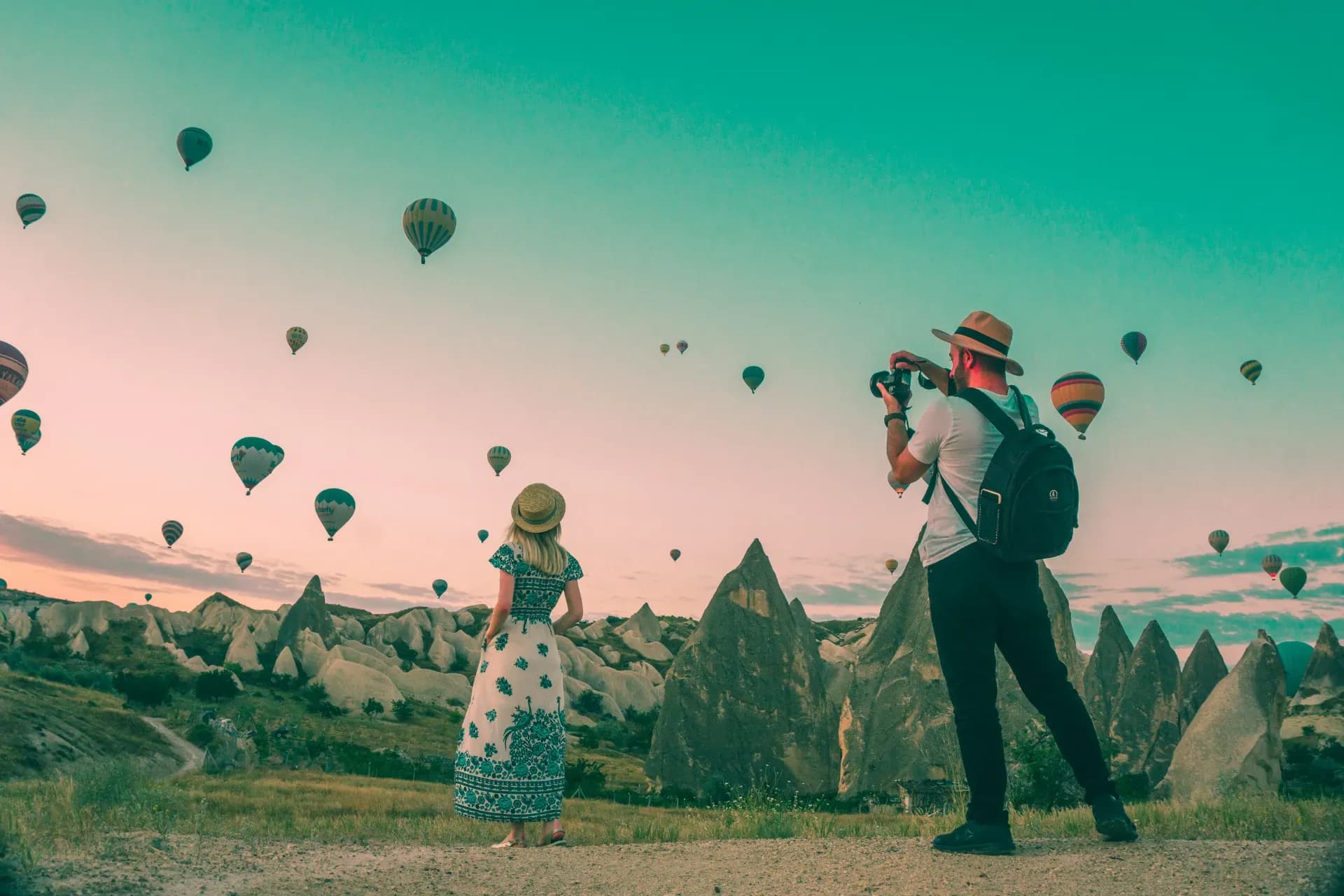
Visited in 2023, the pictures don't do it justice. On the sand dunes of Pushkar town are 50,000 camels, horses and cattle. Mustachio competitions, camel beauty contests, traditional folk-music stages, sand sculpture and one of India's most active hot-air balloon events scheduled to coincide with the dawn light over the dunes. It is a festival that is rare and fulfills all its promises on the postcard.
The traveller's instinct is to go for the camels. The locals come to attend the Kartik Purnima, the full-moon bathing at Pushkar lake, which was much older than the livestock fair itself and is the religious centre of the event. Both occur together. Both are equally worth seeing.
How to get there: Fly from Delhi to Jaipur and then drive for 3 hours (or take a train to Ajmer, Rs. 500). Tented camps on the fair ground: Rs. 4,000 to Rs. 15,000 per night during the fair week. Mid-range accommodation is best provided by the Royal Tented Camp, under the Tourism Department. To book for November dates, you should book by August.
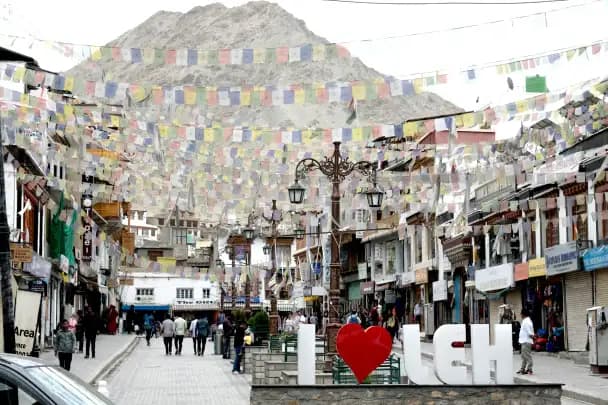
The best time to visit: Best time is from the end of June to the beginning of July (lunar calendar), Hemis Monastery is located in a remote but beautiful area of the Himalayas.
India's biggest Buddhist festival at the monastery. The Cham masked dances are choreographed Buddhist theatre which dates back to the 8th century, and are performed in the courtyard of the monastery by monks of Hemis Monastery for two days. The masks are originals dating back 400 years and some made with semi-precious stones, which are taken out of the inner sanctum sanctorum of the gompa on this festival alone.
The event was held in July 2024. Everyone makes a mistake if they consider it a sightseeing event when they first visit it. It is a ritual sacred religious dance sitting on the steps of the courtyard with the Ladakhi families, dressed appropriately (shouldered clothing, no leather) and do not talk during the slower parts of the dance. The festival coincides with the biggest travel season of the year in Ladakh, and hence it is a perfect fit with the Pangong-Nubra circuit. Visiting Hemis Festival in Ladakh feels very different from loud tourist festivals. It feels very peaceful and spiritual. The festival happens at Hemis Monastery surrounded by dry brown mountains, cold wind and deep sounds of drums and horns.
Logistics: Fly to Leh from Delhi or Chandigarh (Duration: about 1.5 hours) and try to give your body time to adjust to the low oxygen levels before doing too much activity. Festival entry will be free. Hemis week is the peak booking period for leh hotels so be sure to do your bookings in advance at least 8 weeks before.
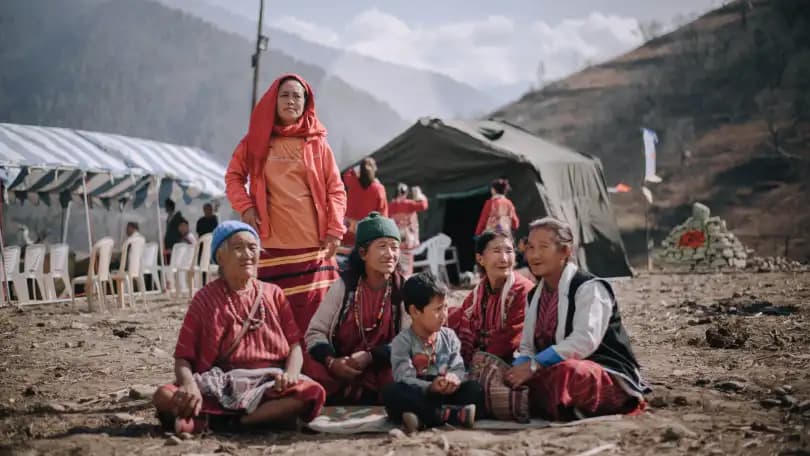
Location: Ziro Valley.
India's most beautifully-located outdoor music festival. The four days of the two stages feature some 30 acts, ranging from indie rock to fusion, electronic and Apatani tribal genres, in the rice fields of Ziro Valley at 5,500ft elevation, encircled by Apatani villages, where women still wear the characteristic facial tattoos and bamboo nose plugs of the Apatani tribe. I went in 2024. The cast is always excellent, the audience is welcoming and only about 6,000, and the festival has an intimate connection with the host community; the village elders start each day of the festival.
Logistics: Take a flight from Mumbai to Guwahati or Lilabari and arrive at Ziro after a 6 hours drive. Tented camp tickets (festival accommodation): Rs. 12,000 to Rs. 22,000 per person with 4 day camping ticket that also includes food. Purchase tickets in July as tickets go on sale, they sell out in 2 weeks. The international quota for any Indian except Arunachals is set at Rs. 100, which has to be paid online via the Arunachal state portal. The international quota for any Indian except Arunachal is Rs. 100 to be paid online through the Arunachal state portal.
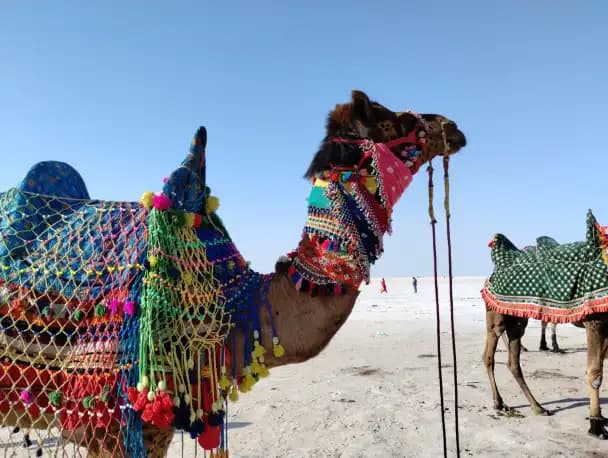
This is an online course that runs for three months, beginning from November to February. This is an online course which runs for 3 months, from November to February.
A three-month celebration in the salt desert of Kutch or The Great Rann, which turns ghost white under the full moon. Gujarati folk dance and music shows, camel rides in the salt fields, paramotor flights across the white plains and tented lodging from basic Rs. 4,000 per night to outrageous Rs. 40,000+ domes. Note that the full-moon nights are the reason to be in the picturesque town there is no way to capture the salt's reflection in the light of the moon in a photograph.
Logistics: First fly to Bhuj and then drive for 1.5 hours to Dhordo. Official Tent City is offered at the middle range of prices, at Rs. 6,000 to Rs. 12,000 per night with the tent and food. Plan on visiting on a full moon weekend. Bring warm clothing, it's 5 degrees Celsius in the desert at night in January.
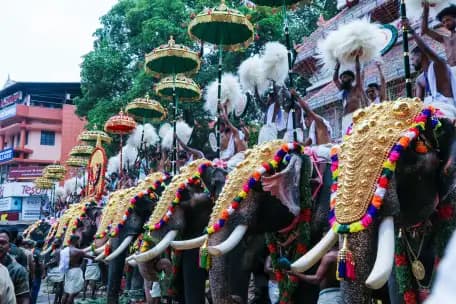
In the Stars of the day Pooram, the time is from Late April to Early May, and the place is Thrissur.
The grandest of the temple festivals in South India. Two rival processions meet at the temple of Vadakkunnathan at which 15 elephants dressed in gold caparison and carrying a silk umbrella, with a traditional percussion band of 200 musicians or more, playing the Panchavadyam and Pandi Melam rhythms respectively, form a procession. Ends with one of India's most elaborate fireworks displays which are lit at 3 AM while the elephants are still in formation.
Note: Some tourists like to watch the procession but avoid elephant rides because of the welfare issues faced by captive elephants in Kerala's temple festivals which is a matter of debate in the State. The festival offers a chance to enjoy the percussion, fireworks and culture without having to spend the day at the elephant formations.
Logistics: By Air to Kochi and then by train to Thrissur (1 hour). Thrissur hotels are booked 2 months in advance. If Thrissur is completely booked, do not stay in the city itself, opt for nearby Kunnamkulam or Guruvayur. Bring ear protection: The Pandi Melam ensembles are indeed loud!
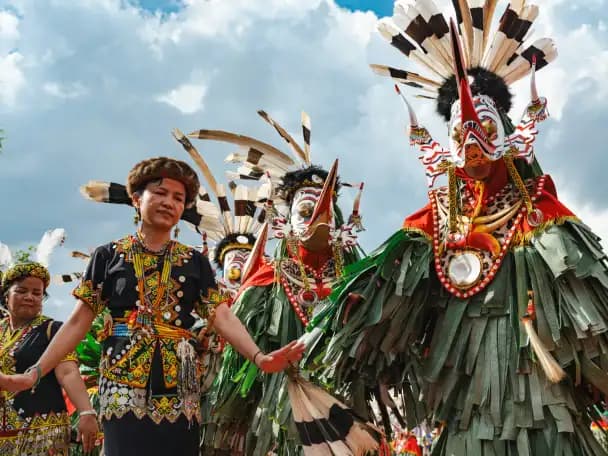
From 1st November to the 1st of December, it is held at Hampi, a UNESCO World Heritage Site.
Three days of classical karnatic music, Kathak and Bharatanatyam dance, light and sound show and folk performance held within the fort of the Vijayanagara empire built 14th century years ago.
The Virupaksha Temple courtyard at night with torches lit and Bharatanatyam dancers performing on the same stones on which the temple dancers showcased their talent 600 years ago. The comparison cannot be done because of the different history.
How to get there: Hubli airport is located 100 km from Hampi or Bengaluru is 400 km away. Take up a place in Hospet (12 km away from ruins) at hotels with good rooms. There are mostly free festival programmes with general entry to the heritage site (Rs. 50 for Indians).
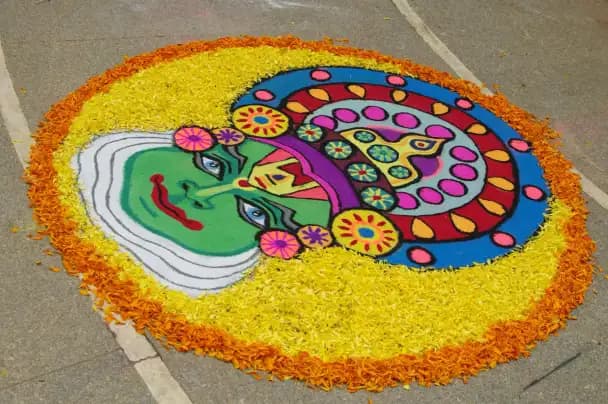
Time: August to September (10 day festival, culminating on Thiruvonam). Place: All over Kerala.
The Kerala harvest festival, however, is different from most of the other festivals celebrated in other regions, in that it is a truly cultural not religious event, enjoyed not only by the Hindu community but equally by the Christian and Muslim Kerala residents. The visuals are the snake-boat races (Vallam Kali) on the rivers, specially on the Nehru Trophy Boat Race on Pamba.
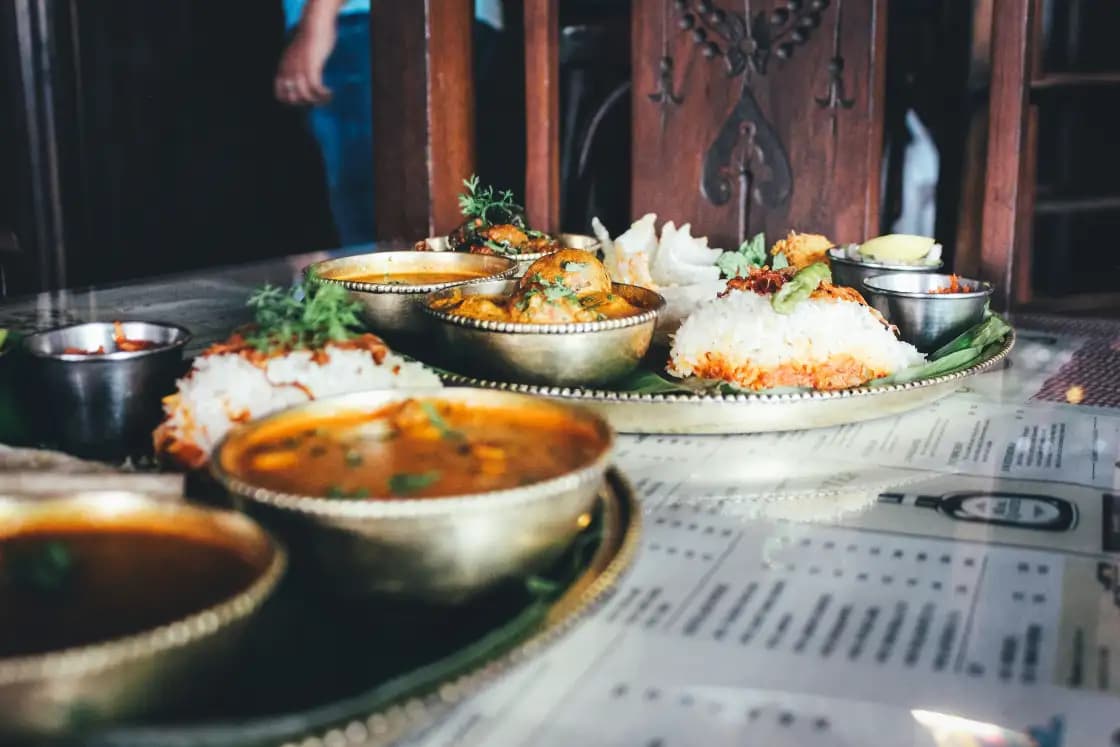
The Onasadya, a traditional feast made on banana leaves, consisting of about 28 dishes allocated in a particular order, prepared identically in houses around the State on the morning of Thiruvonam, is the food craze. Onam is the ultimate opportunity to know Kerala if you are travelling solo to this place.
Logistics: Take a flight from Kochi or Trivandrum. The period of boat-race week is the peak time to book houseboats in Alleppey, these days are booked 3 months in advance. Onasadya is served by most of the local restaurants on the day of the Thiruvonam; if travelling with kids, request to have the Thiruvonam scheduled. Because why make the trip unorganized with your kids and why roam around the city with the luggage on your back. Isn't it practical to book before?
Avoid going to more than two festivals in one year because it's too much planning, too much booking in lead time and too costly to have to book your festival week hotel. If you have never been to the Northeast, choose one from the list, for example, Hornbill or Ziro. In the event that you appreciate desert and tradition, Pushkar or Rann Utsav. For the mountains and spirituality, Hemis, Onam or Thrissur Pooram is the missing piece in South India.
Two final notes
Festival dates are subject to change from year to year. Nearly all of these are based on the lunar or the stellar calendar and not the Gregorian. Check dates on the official festival site before booking flights, a common and costly error is to be a week off on the date.
Make accommodation reservations prior to the trip, not afterwards. Festivals have already sold more spaces for the week than flights. The common error is to reserve the flight before checking for the availability of all the hotels within 30 kms from the flight.
Common Questions
Quick, practical answers to the questions travellers ask most about India.