Himachal Travel Logistics, Passes & Road Safety: HRTC Buses, Permits & Driving Hacks
Navigating the Routes and Rules of the Western Himalayas
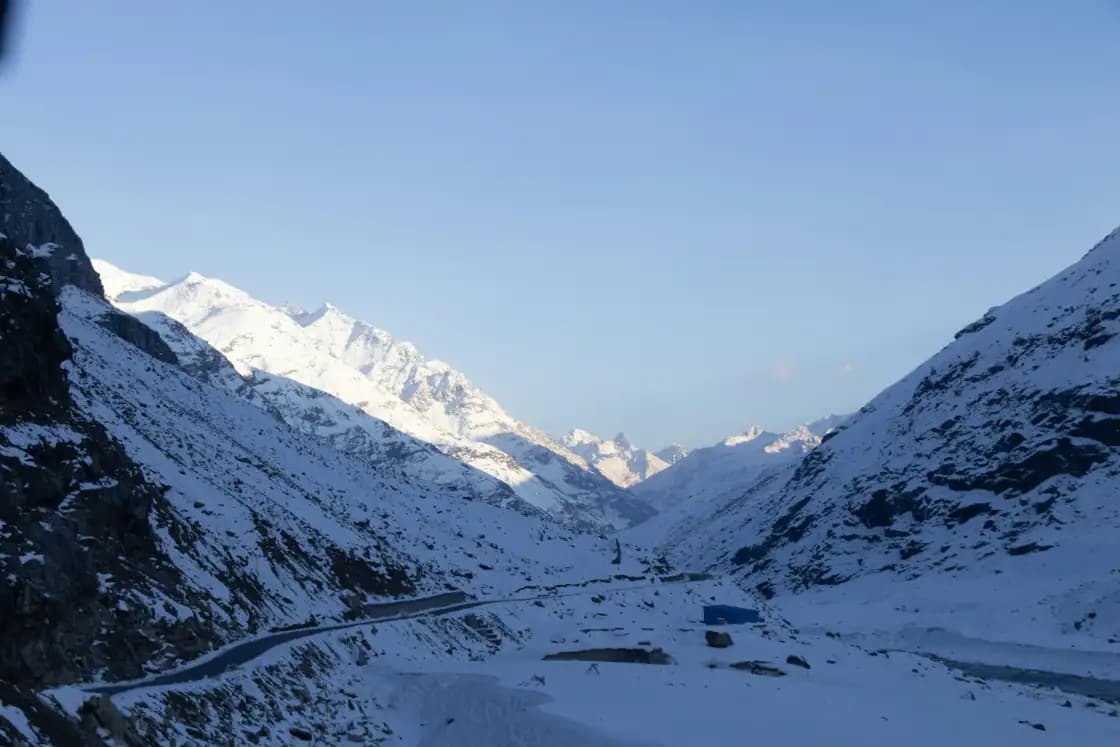
Himachal Pradesh is an enchanting mountain state where sprawling national highways snake alongside rushing river valleys, cross engineering marvels like the 9.02-km Atal Tunnel, and ascend steep hairpin turns up to high-altitude mountain passes over 3,900 meters high. However, because the Himalayas feature unpredictable terrain, seasonal landslide corridors, strict government vehicle permits, and heavy holiday traffic jams, figuring out how to get around efficiently is the single most important part of your trip planning.
For first-time visitors arriving from the plains of Delhi, Punjab, or Chandigarh, choosing between overnight government HRTC Volvo buses, hiring a private dedicated cab, riding the UNESCO World Heritage Kalka-Shimla Toy Train, or navigating self-drive rental cars requires clear field knowledge. Missing an NGT permit slot for Rohtang Pass, getting stuck in multi-hour traffic bottlenecks near Swarghat or Aut Tunnel, or driving an ill-prepared vehicle on icy mountain curves can quickly disrupt an otherwise perfect holiday.
Over years of navigating every major highway and remote interior road in Dev Bhoomi, I have documented the most reliable, cost-effective, and safe logistics strategies. In this comprehensive 1,300+ word survival manual, I will break down exact 2026 bus fares in Indian Rupees (₹), step-by-step Rohtang permit hacks, Toy Train booking tricks, and essential mountain driving rules. Before setting out on your journey, make sure to explore our main Himachal Pradesh Travel Guide Master Hub to coordinate your transit plans with seasonal weather windows and regional itineraries.
Ideal For
Who this guide is written for.
- First-Time Mountain Road Trippers
- Volvo Bus & Public Transit Travelers
- Self-Drive Enthusiasts & Bikers
- Families Seeking Comfortable Cab Logistics
Comparing Transit Options to Himachal Pradesh (from Delhi / Chandigarh)
The safest, most reliable public transport option. Overnight Volvos depart ISBT Kashmiri Gate in Delhi daily for Shimla (7-8 hrs, ₹900 – ₹1,300) and Manali (12-14 hrs, ₹1,400 – ₹2,100). Experienced mountain drivers make them ideal for night travel.
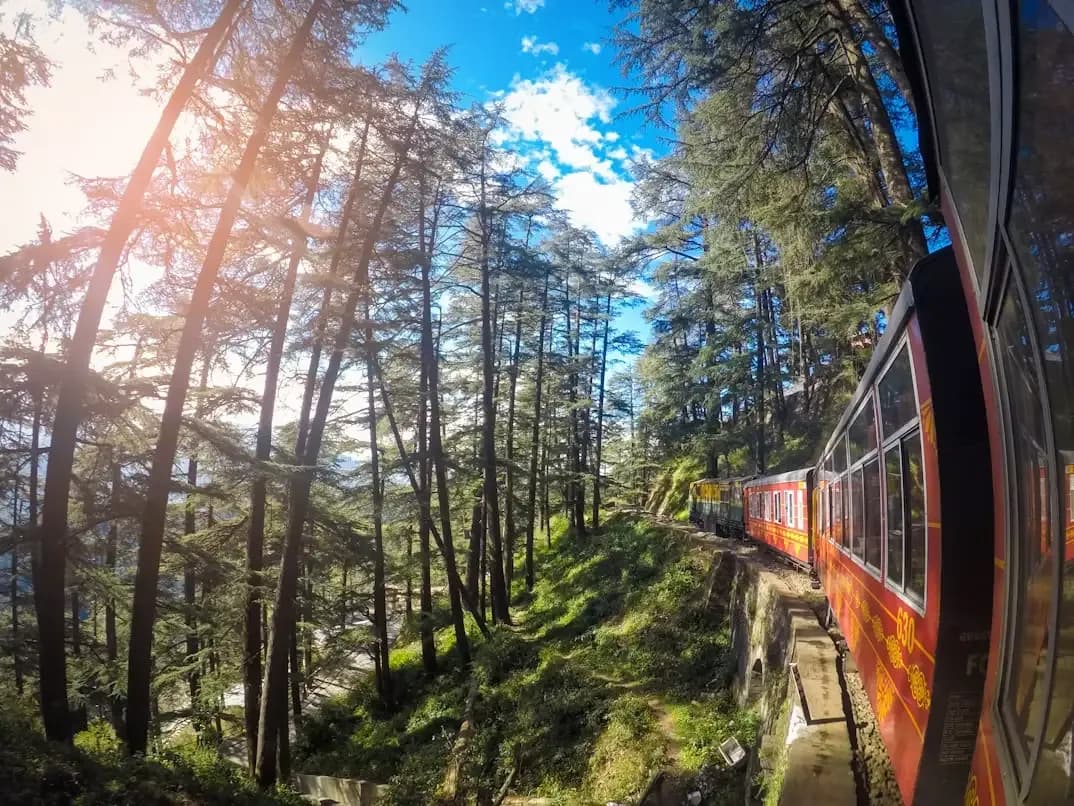
A historic narrow-gauge railway climbing 96 km through 102 tunnels and 864 bridges. Connects broad-gauge trains arriving at Kalka station to Shimla. Fares range from ₹70 (Express) to ₹800 (Executive VistaDome).
Provides door-to-door flexibility. Dedicated sedans (Dzire/Etios) cost ₹2,500 – ₹3,500 / day, while SUVs (Innova/Crysta) cost ₹4,200 – ₹6,000 / day (inclusive of fuel, driver charges, and state toll permits).
HRTC Bus Booking Hacks, Toy Train Tips & Rohtang Pass Permits
A. HRTC Volvo Bus Online Booking Strategy
The Himachal Road Transport Corporation (HRTC) operates a fleet of modern Volvo B11R and Scania AC sleeper buses. Unlike unorganised private bus operators that frequently change pickup points or delay departures, HRTC buses strictly adhere to schedules, depart from official ISBT platforms, and feature drivers trained specifically for Himalayan road hazards.
• How to Book: Use the official HRTC website or mobile app. Avoid third-party booking portals to save on convenience fees and secure preferred front or middle seats.
• Seat Selection Rule: Choose seats between rows 4 and 8. The front two rows experience heavy headlight glare from oncoming traffic at night, while the rear axle seats experience more bounce on winding mountain curves.
B. The Kalka-Shimla Toy Train Ride: Booking Secrets
Riding the Kalka-Shimla Toy Train is a bucket-list heritage experience. Major trains include the Shivalik Deluxe Express (Train 52451), Himalayan Queen (Train 52455), and the luxury VistaDome Rail Motor.
• IRCTC Booking Hack: Toy Train tickets open on the IRCTC portal 30 days in advance (unlike regular trains that open 120 days prior). Seats sell out within minutes for peak summer and winter holiday dates! Book at 8:00 AM sharp on the 30th day prior to your trip.
• Connecting from Delhi: Take the New Delhi – Kalka Shatabdi Express (departing New Delhi at 5:30 AM, arriving Kalka at 9:50 AM), which seamlessly connects with the afternoon Toy Train departure.
C. Rohtang Pass NGT Permit Process (Step-by-Step)
To protect the fragile alpine ecology of Rohtang Pass (3,978m), the National Green Tribunal (NGT) restricts vehicle entries to 1,200 per day (800 petrol, 400 diesel). Tourism vehicles must display a valid printed permit at the Gulaba checkpost.
• Official Permit Fee: ₹550 per vehicle (₹500 permit fee + ₹50 congestion tax).
• How to Apply Online: Visit the official Himachal Pradesh Tourism (HPTDC) Rohtang Permit Portal. Permits open in two daily slots: Slot 1 opens at 10:00 AM (for travel 2 days later), and Slot 2 opens at 4:00 PM (for remaining quota).
• Mandatory Documents: Vehicle RC, valid Pollution Under Control (PUC) certificate, and driver's ID.
LOGISTICS & ROAD SAFETY DISCLAIMER:
Please note that all HRTC bus fares, private cab daily rates, Kalka-Shimla Toy Train schedules, Rohtang Pass NGT permit quotas, and route timings mentioned in this guide are estimates based on verified 2026 ground field data. Mountain road conditions, weather-related highway blockages (due to snowfall, black ice, or monsoon landslides), and government permit regulations are subject to real-time updates and advisories issued by the Himachal Pradesh state administration and the Border Roads Organisation (BRO).
Mountain Road Safety Rules for Self-Drive & Biking Trips
A. Essential Himalayan Driving Rules
If you choose to drive your own car or ride a rental motorcycle (such as a Royal Enfield Himalayan) into Himachal Pradesh, mastering mountain road etiquette is vital for safety:
• Uphill Right of Way: Vehicles driving uphill ALWAYS have the absolute right-of-way over downhill traffic. If you are descending a narrow pass, pull over safely into a road cutout to let ascending vehicles pass.
• Honk on Blind Hairpin Curves: Honk firmly twice before entering any blind curve or mountain bend, especially along narrow single-lane roads in Kinnaur, Parvati Valley, or Jibhi.
• Never Overtake on Bends: Overtaking on curves or near blind bends is the leading cause of head-on collisions in the hills. Wait for a straight stretch with a clear line of sight, and wait for the driver ahead to signal you past using their indicator.
• Engine Braking on Steep Descents: When descending steep passes (like Jalori Pass or Rohtang Pass), shift down into 2nd or 1st gear to use engine braking. Relying solely on continuous foot brakes causes brake pads to overheat and fail!
B. Winter Black Ice & Monsoon Landslide Hazards
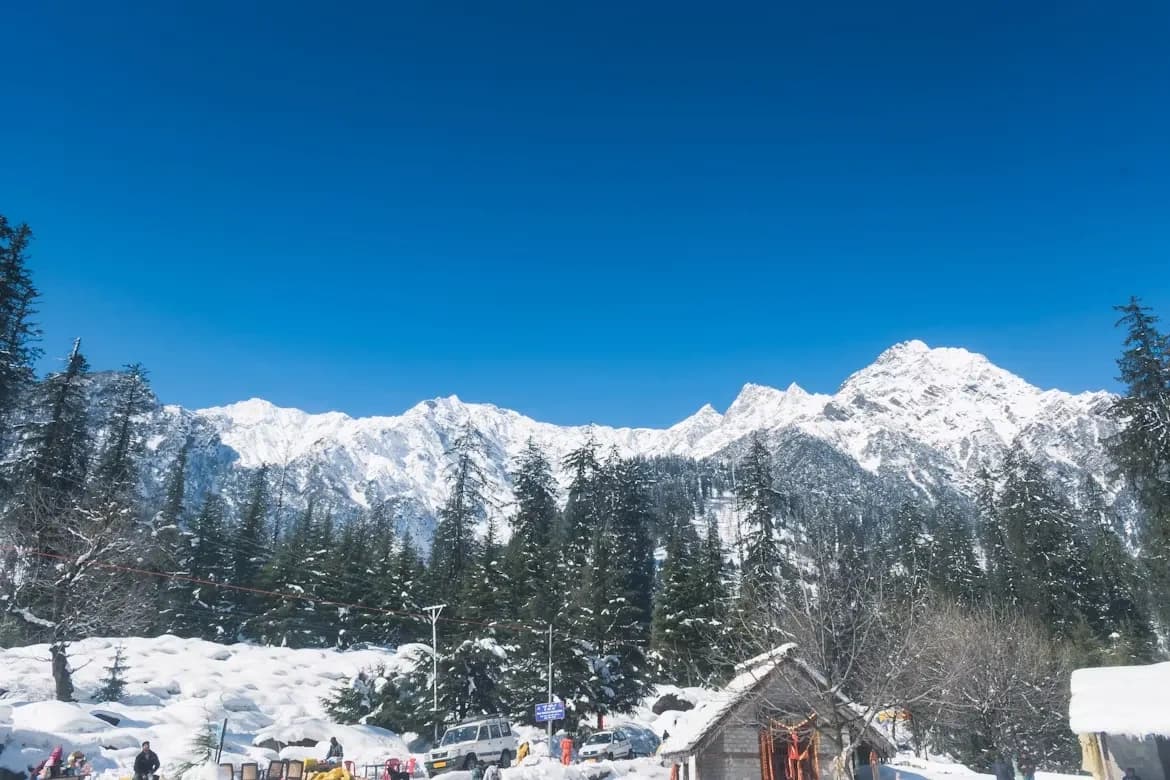
• Black Ice Warning (Dec – Feb): In winter, melted snow freezes overnight into an invisible, glass-like layer of 'black ice' on shaded road stretches. Avoid driving early in the morning before 8:30 AM or late at night. Drive slowly over wet-looking dark asphalt without making sudden steering or braking adjustments.
• Monsoon Sinking Zones (Jul – Aug): Highway stretches between Mandi and Aut, or Chandigarh and Solan, feature active landslide zones during heavy rains. Always check local news updates, highway helpline numbers, and live Google Maps traffic indicators before starting long intercity legs.
Common Questions
Quick, practical answers to the questions travellers ask most about Himachal Pradesh, India.