
Best Time to Visit Himachal Pradesh: Snowfall Season, Weather & Month-by-Month Guide
Understanding the Rhythm of the Western Himalayas
Few places in India capture the imagination quite like Himachal Pradesh. From the snow-draped pine forests of Manali and the colonial ridge walks of Shimla to the apple orchards of Kinnaur and the stark, high-altitude desert landscapes of Spiti Valley, this mountain state changes its personality completely with every passing season. One month you are walking through valleys painted pink with apple blossoms, and a few months later, the exact same trail is buried under three feet of fresh white powder.
However, one of the most common mistakes travelers make when planning a trip to Himachal is assuming that the entire state experiences the same weather at the same time. Altitude changes everything in the Himalayas. While lower hills like Kangra and Dharamshala may enjoy pleasant spring sunshine in March, high-altitude passes like Rohtang Pass, Kunzum La, and Sach Pass remain completely snowbound and impassable until late May or June.
Whether your dream is watching live snowflakes fall from a cozy wooden cottage in Sethan, escaping the scorching summer heat of the northern plains, or capturing golden autumn colors in Tirthan Valley, this field-tested 1,300+ word seasonal guide breaks down Himachal's climate month-by-month. Before booking your Volvo bus tickets or hiring a private cab, make sure to explore our main Himachal Pradesh Travel Guide Master Hub to align your travel timing with regional routes and homestay bookings.
Seasonal Travelers
Who this guide is written for.
- Snow Seekers & Honeymooners
- Summer Family Escapes
- Photographers & Nature Lovers
- Budget Travelers & Solitude Seekers
Himachal Season-by-Season Comparison Matrix
December to February
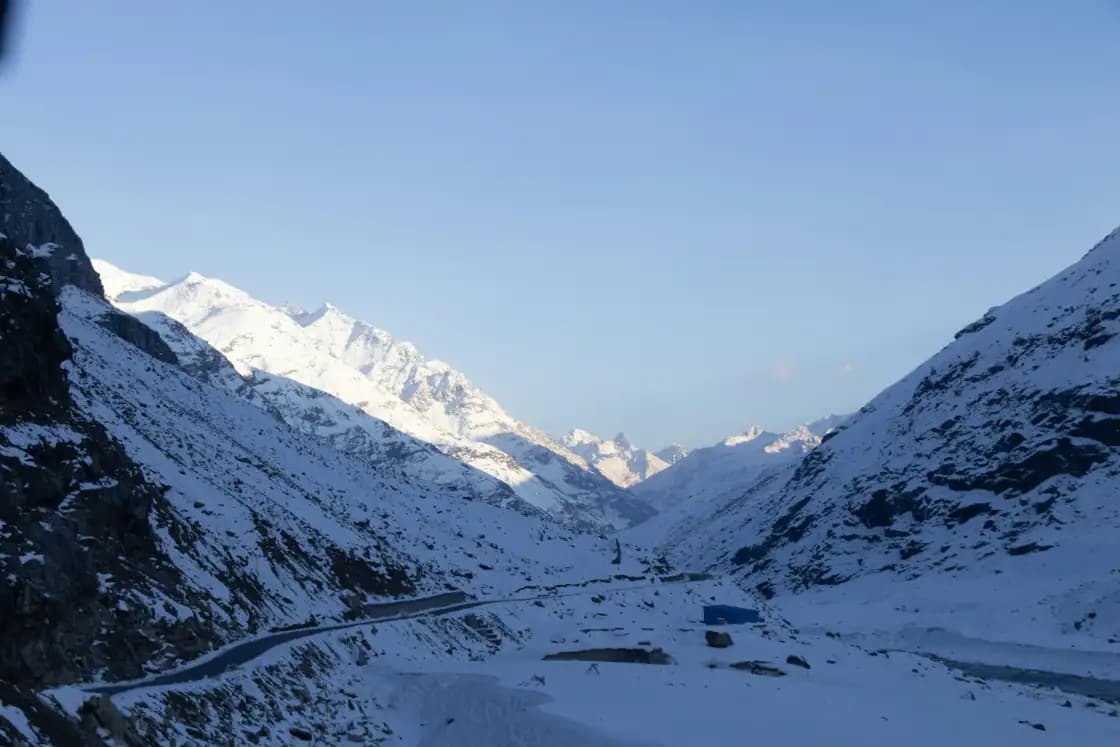
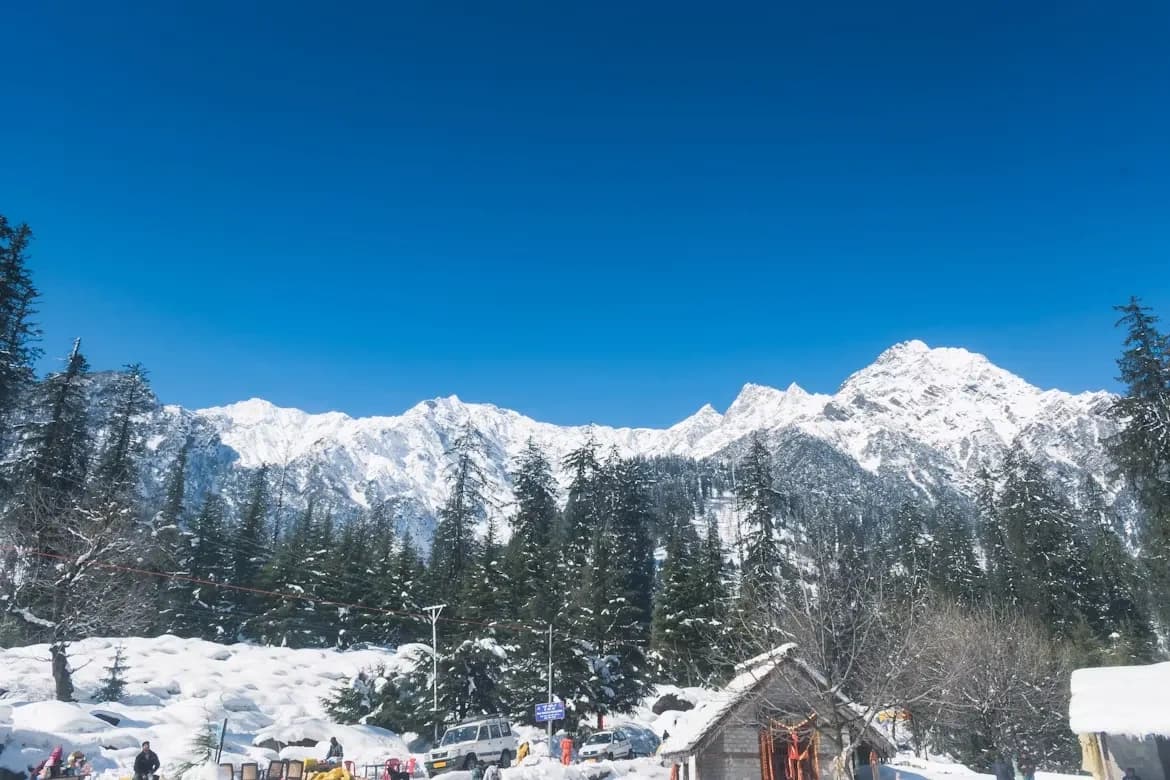
Peak Snowfall Window: Temperatures drop from 10°C to below freezing (-5°C). Fresh snowfall across Manali, Kufri, Narkanda, Sethan, and Sissu. Ideal for skiing, snowball fights, and cozy honeymoon stays.
March to June
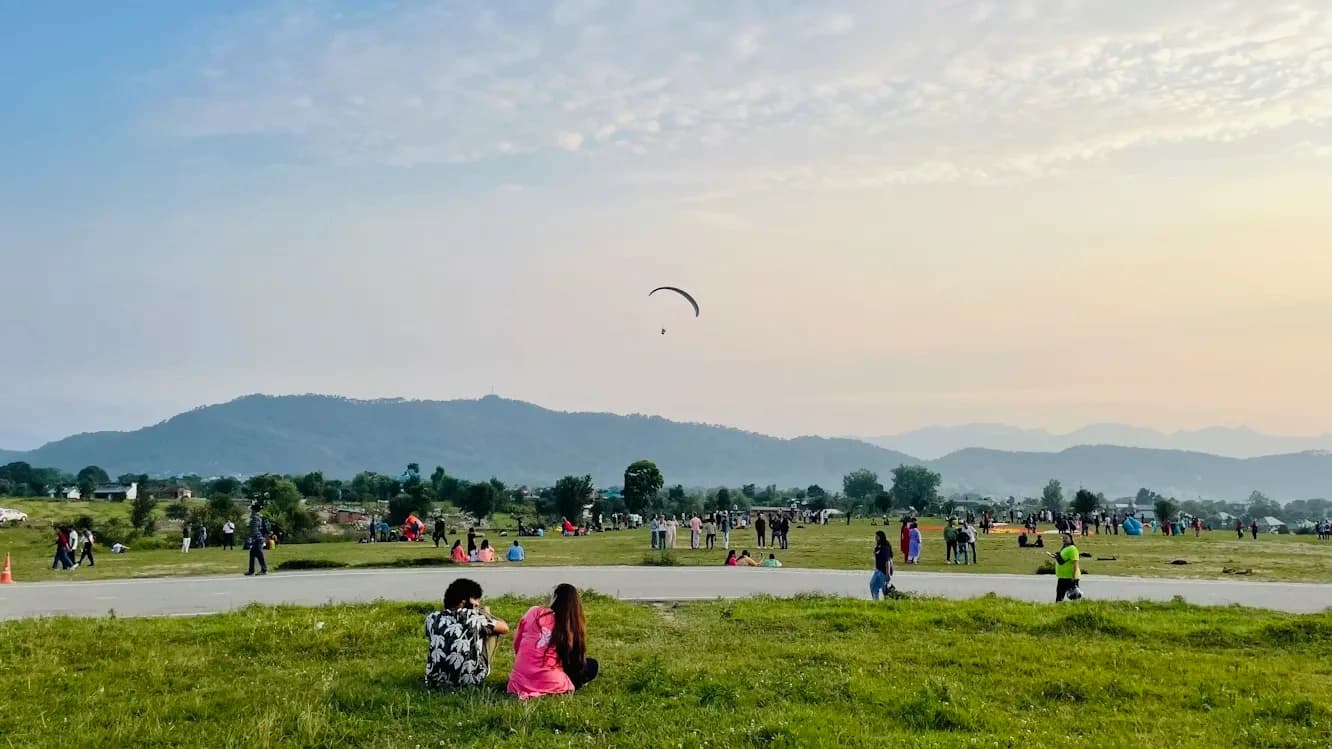
Pleasant Sightseeing: Temperatures range between 15°C and 30°C. Perfect weather for family vacations, paragliding in Bir Billing, river rafting in Kullu, and trekking in Parvati Valley.
July to August
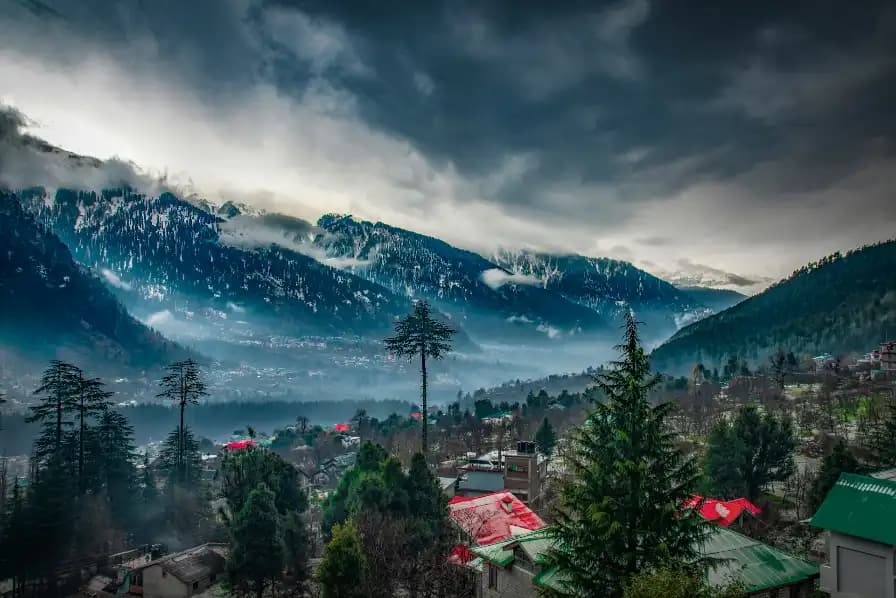
Heavy Rainfall & Off-Season Deals: Lush green landscapes, swollen waterfalls, and big hotel discounts. However, high risk of landslides and road blockages along major national highways.
September to November
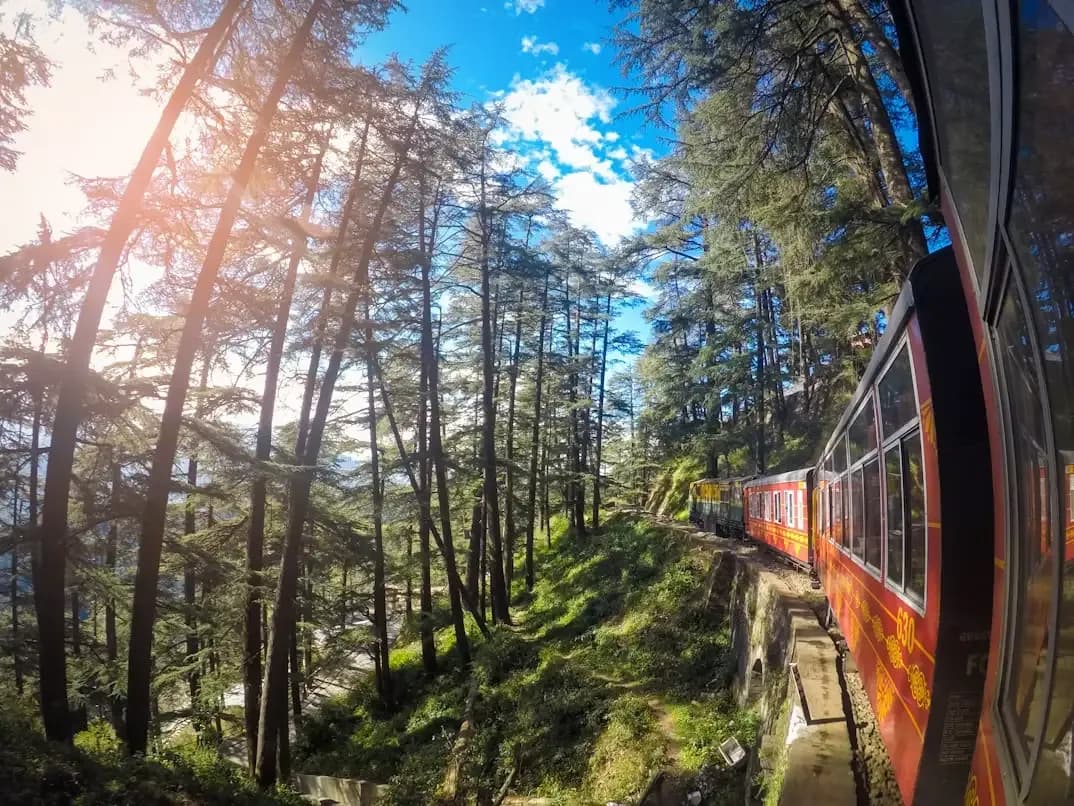
Crystal Clear Skies: Crisp mountain air, golden-crimson apple orchards in Kinnaur, and snow-capped peaks visible against deep blue skies. Excellent for photography and high-altitude road trips.
Where & When to Find Real Snow in Himachal (December to February)
The Real Snowfall Window: Late December to February
If seeing fresh, powdery snow is your primary goal, timing is everything. Snow in Himachal doesn't arrive on a fixed calendar date; it depends on the arrival of Western Disturbances (moisture-laden winds originating over the Mediterranean Sea).
Late December (Christmas & New Year)
The first major snowfall events usually hit higher reaches around Christmas. Popular towns like Manali, Kufri, and Narkanda get extremely crowded as tourists flock north. Hotel prices double, and traffic jams along the Kullu-Manali highway can add hours to your journey.
January (Peak Snow Probability)
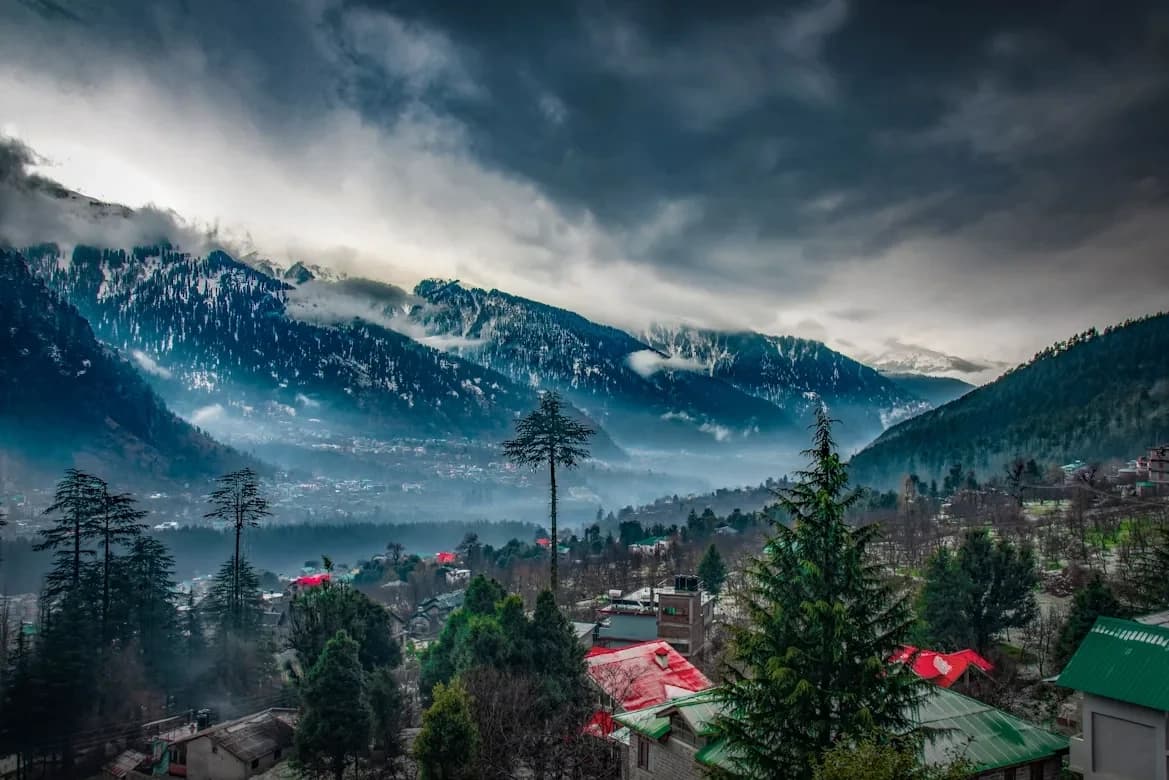
January is historically the coldest month and provides the highest chance of live snowfall across Shimla, Manali, Kasol, and Jibhi. Temperatures routinely drop below 0°C at night. If you want to see snow-laden pine trees and snowflakes falling outside your window, January is the top choice.
February (Lower Crowds & Thick Snow Cover)
February is an underrated gem. While live snowfall instances slightly decrease compared to January, the snow accumulated on the ground remains deep and solid across places like Solang Valley, Sethan Village, and Sissu (via Atal Tunnel). Roads are better managed, traffic reduces, and hotel tariffs drop by 20% to 35% compared to peak January rates.
Top Snowfall Destinations Compared
Not all hill stations in Himachal receive equal amounts of snow. Elevation makes a significant difference:
Manali & Sethan Village (2,050m to 2,700m)
Manali remains the most reliable snow hub. Even if central Mall Road receives light snow, higher villages like Sethan, Solang Valley, Gulaba, and Sissu (in Lahaul Valley) guarantee deep snow cover from January through March.
Kufri & Narkanda (2,600m to 2,708m)
Shimla town itself has seen less consistent snowfall in recent years. However, driving just 16 km past Shimla to Kufri or 65 km to Narkanda gives you access to dense cedar forests covered in thick snow and skiing slopes on Hatu Peak.
Sissu & Lahaul Valley (via Atal Tunnel)
Crossing the 9.02 km Atal Tunnel brings you into the high-altitude desert of Lahaul. During winter, Sissu transforms into a white wonderland with frozen waterfalls and vast snow plains.
Month-by-Month Weather & Hotel Budget Ranges (in INR ₹)
Spring & Summer (March to June): The Classic Family Escape
As summer heat engulfs the plains of North India, Himachal becomes the ultimate refuge. March marks the bloom of apple and cherry blossoms, while May and June bring pleasant temperatures between 15°C and 28°C.
Top Activities
River rafting in Kullu, paragliding at Bir Billing, trekking to Triund in McLeodganj, and walking the Mall Roads of Shimla and Manali.
Budget Expectations (per night)
Budget Homestay / Guesthouse: ₹1,500 – ₹2,800 per night - Mid-Range 3-Star Hotel / Resort: ₹3,500 – ₹6,500 per night - Luxury Heritage Property: ₹9,000 – ₹22,000+ per night.
Monsoon Season (July to August): Lush Greenery vs Road Risks
Monsoon brings heavy, continuous rains across the Dhauladhar and Pir Panjal ranges. The hills turn emerald green, and waterfalls cascade down every mountain bend. However, monsoon travel in Himachal requires extreme caution due to frequent landslides, flash floods, and cloudburst risks along major routes like Mandi-Aut and Kalka-Shimla.
Should You Travel?
Avoid high-risk landslide corridors. Safe alternatives during monsoon include the rain-shadow regions of Spiti Valley and Kinnaur (accessible via Rampur), or quiet staycations in Dharamshala and Palampur.
Budget Discounts
Hotels offer off-season discounts of 40% to 60%, with budget rooms available for ₹800 – ₹1,500 per night.
Autumn Window (September to November): Crisp Air & Clear Peaks
September sees the retreat of monsoon rains, leaving behind crystal-clear mountain skies and lush valleys. By October and November, temperatures cool down significantly (5°C to 18°C), and apple orchards across Sangla, Kalpa, and Kotgarh reach peak harvest season.
Top Activities
High-altitude road trips to Kinnaur and Spiti Valley, photography, and high-pass trekking before winter snow closes mountain passes.
Budget Expectations
Moderate hotel rates (₹1,800 – ₹4,000 per night) with pleasant, crowd-free sightseeing.
Common Questions
Quick, practical answers to the questions travellers ask most about Himachal Pradesh, India.