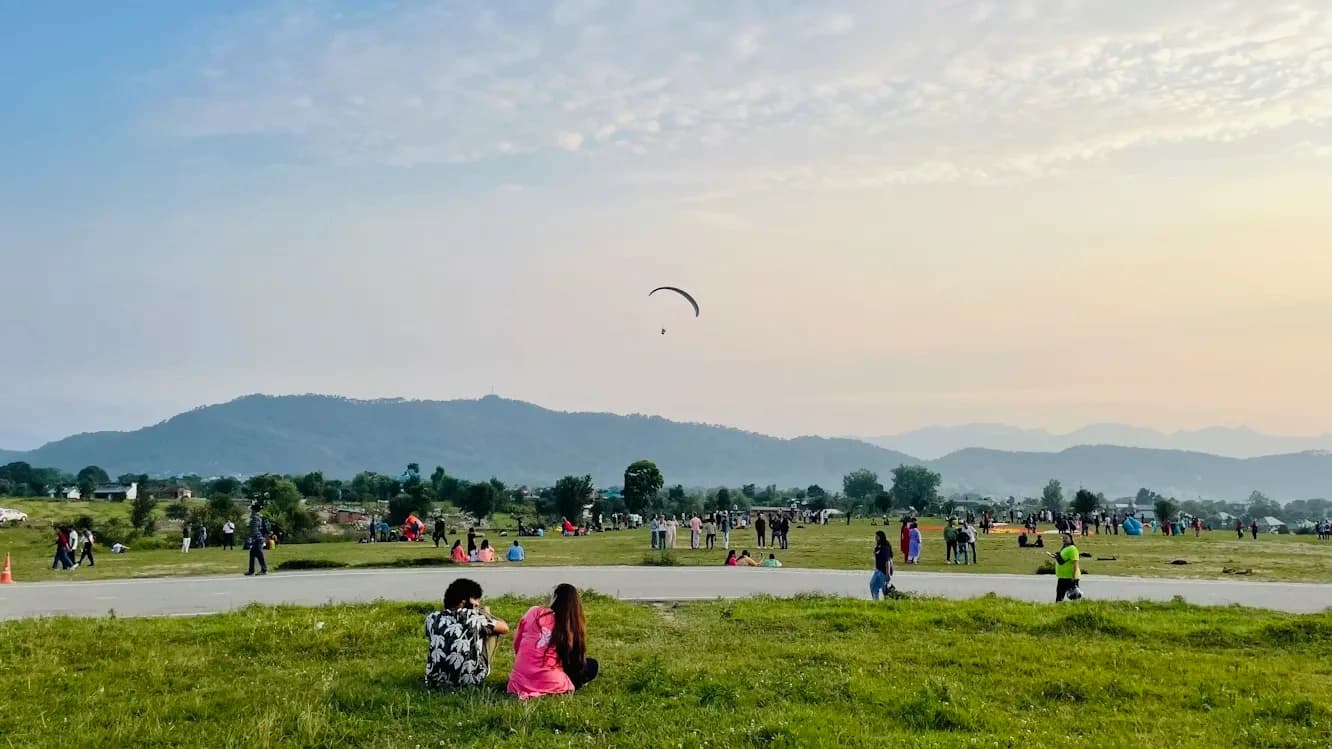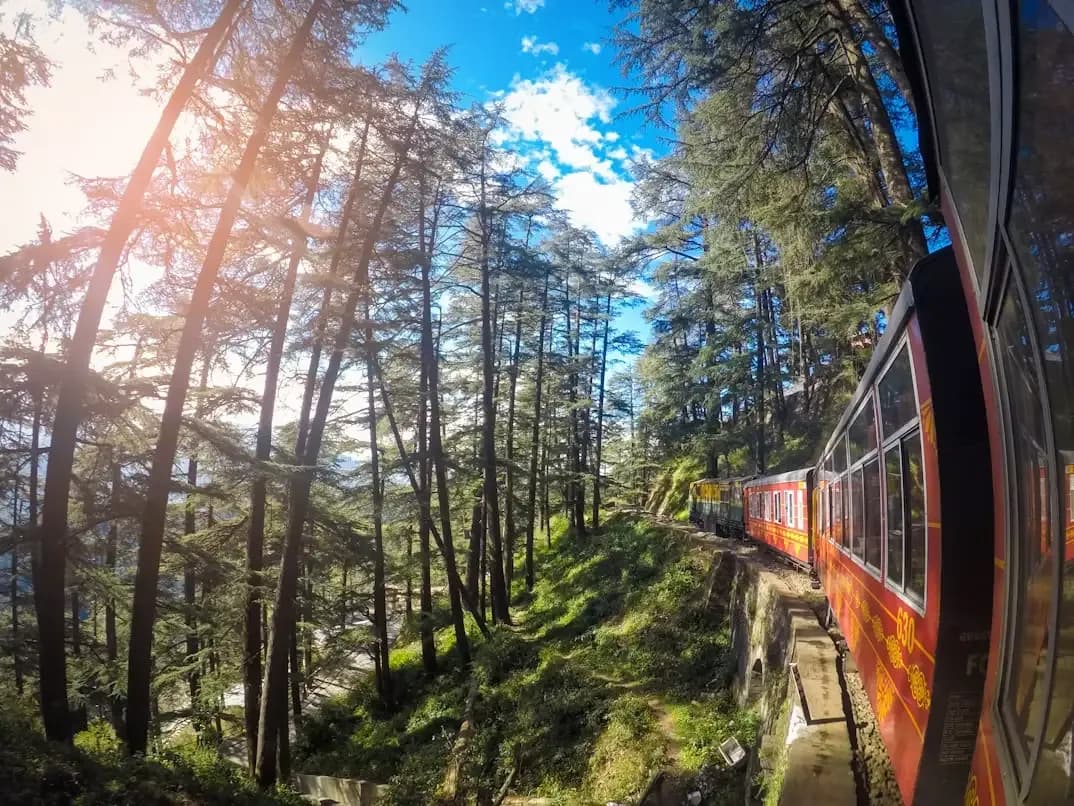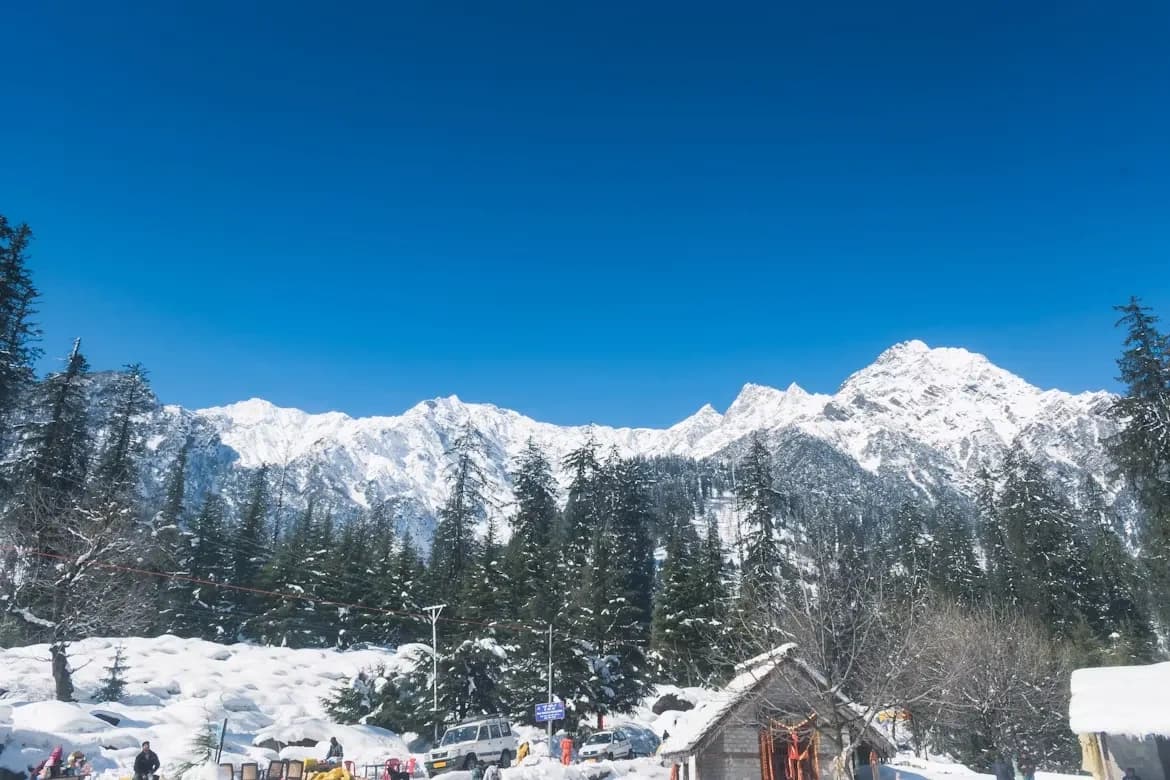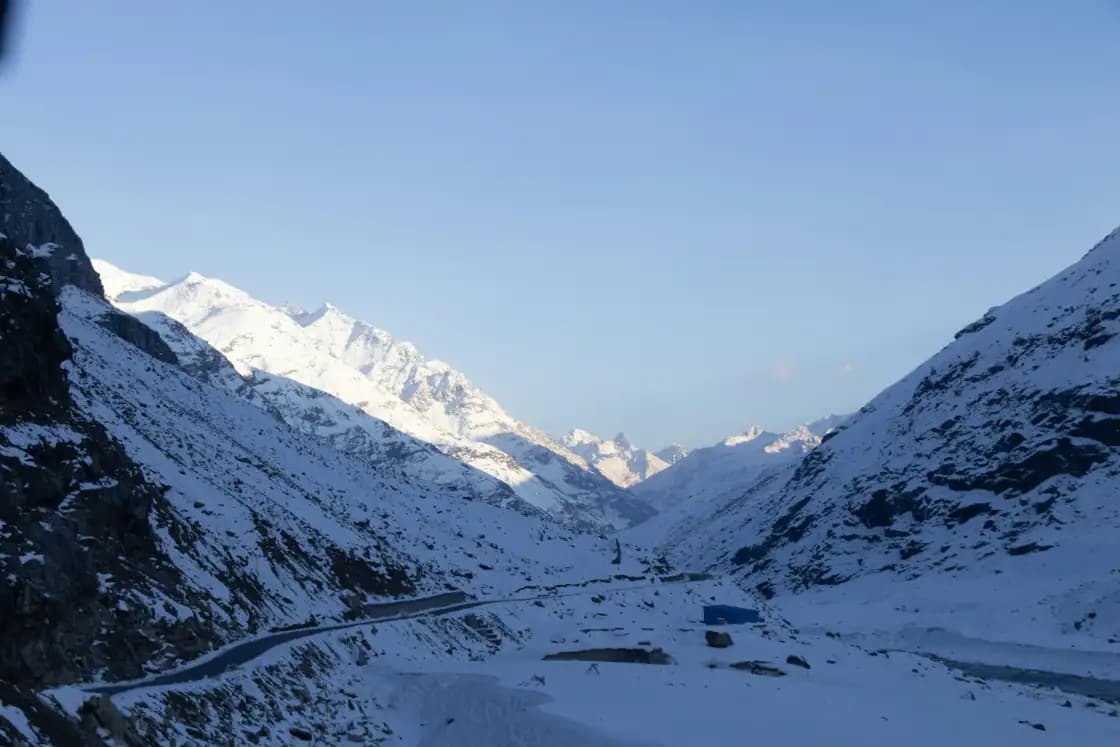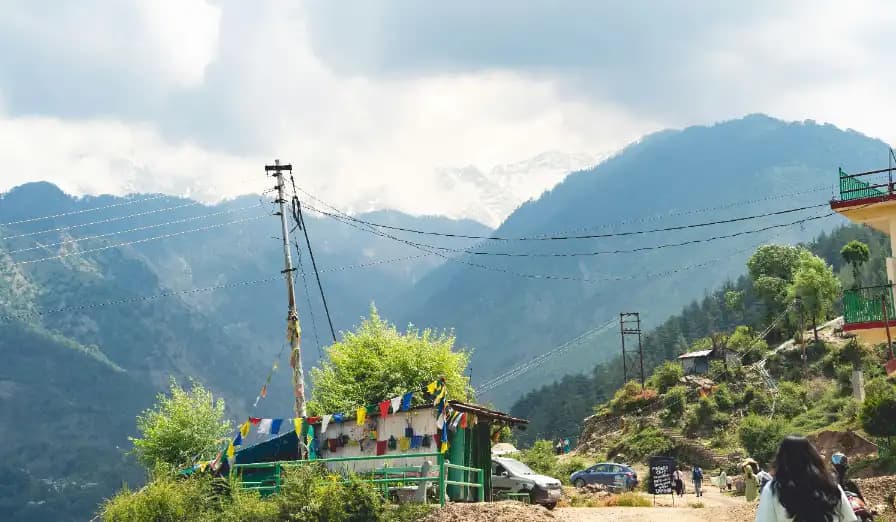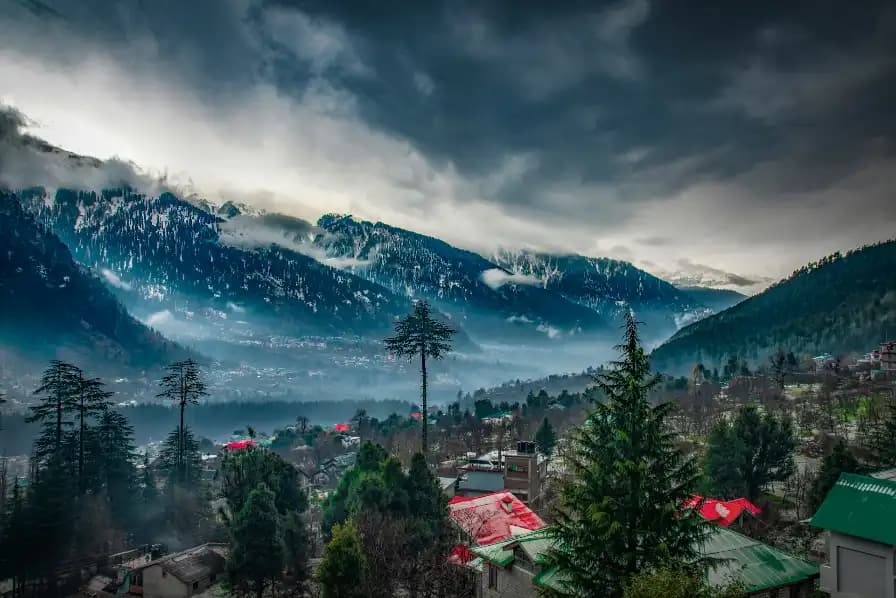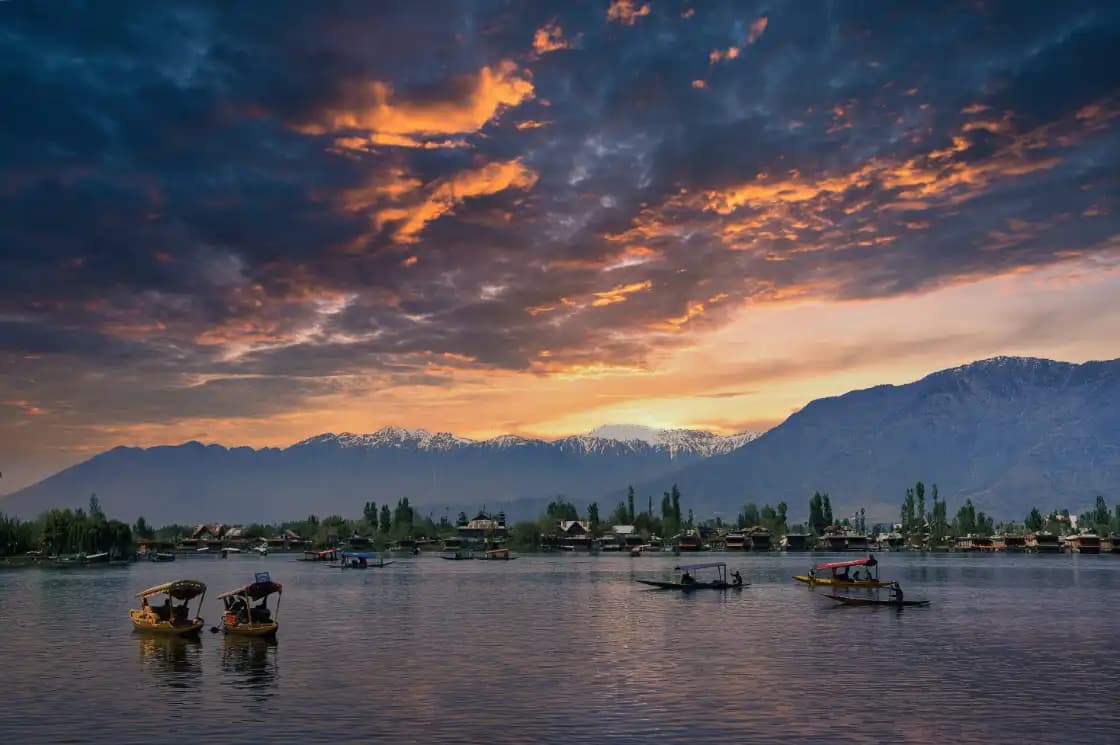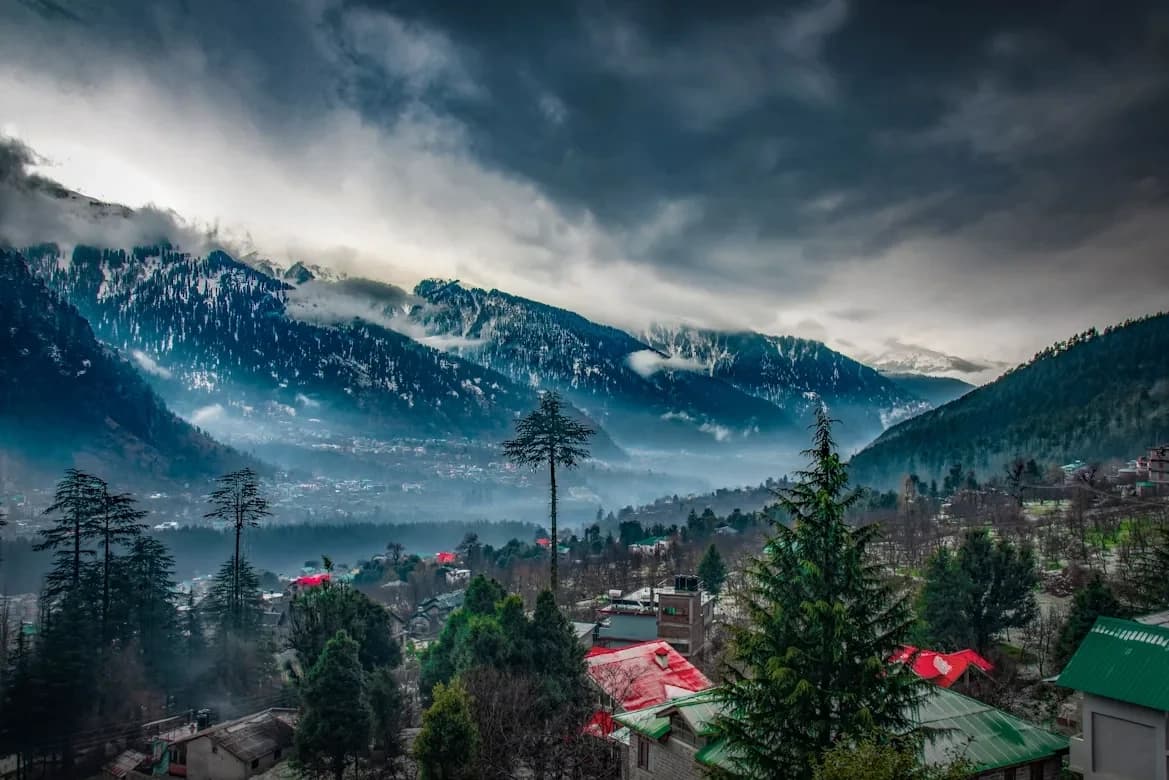
Located in Banjar Valley near the Great Himalayan National Park (GHNP). Famous for rushing freshwater streams, hidden waterfalls, wooden treehouses, trout fishing, and serene forest walks.
01Introduction
10 Secret Offbeat Places in Himachal Away From Crowds: The Untamed Himalayas
Escaping the Commercial Noise of Mall Roads
When most people plan a holiday to Himachal Pradesh, their search usually begins and ends with Shimla, Manali, and Dharamshala. While these famous mountain hubs have their own undeniable historic charm, they have also become victims of their own popularity. During peak summer and winter snow months, commercial Mall Roads often transform into concrete jungle bottlenecks filled with blaring car horns, crowded souvenir shops, and inflated hotel tariffs. The tranquil, meditative stillness that drew travelers to the Himalayas in the first place can feel lost in the commercial noise.
However, if you take a detour off the heavily trodden national highways and follow narrow winding roads into tucked-away valleys, a completely different Himachal reveals itself. Here, rushing glacial streams run right past wooden village homestays, vast emerald-green alpine meadows are ringed by dense deodar forests, ancient Kath-Kuni wooden architecture stands untouched by modern concrete, and local villagers welcome you with genuine warmth and steaming cups of fresh chai.
Over years of exploring the lesser-known corners of Dev Bhoomi, I have documented the quietest, most soul-restoring secret hamlets. In this field-tested 1,300+ word travel guide, I will take you inside five headline offbeat sanctuaries—Jibhi, Tirthan Valley, Shangarh, Shoja, and Chitkul—complete with practical homestay prices in Indian Rupees (₹), local food spots, and transit logistics. Before planning your escape, make sure to explore our main Himachal Pradesh Travel Guide Master Hub to align your offbeat road trips with seasonal weather windows and road conditions.
Ideal For
Who this guide is written for.
- Solitude Seekers & Writers
- Backpackers & Slow Travelers
- Nature Photographers & Birdwatchers
- Couples Seeking Romantic Wooden Chalets
Secret Hamlets Matrix
Top 5 Offbeat Mountain Sanctuaries Compared
Best for Pine Streams & Wooden Cabins
Where to stay: Budget: Local Riverside Homestay / Treehouse (₹1,200 – ₹2,800 / night)
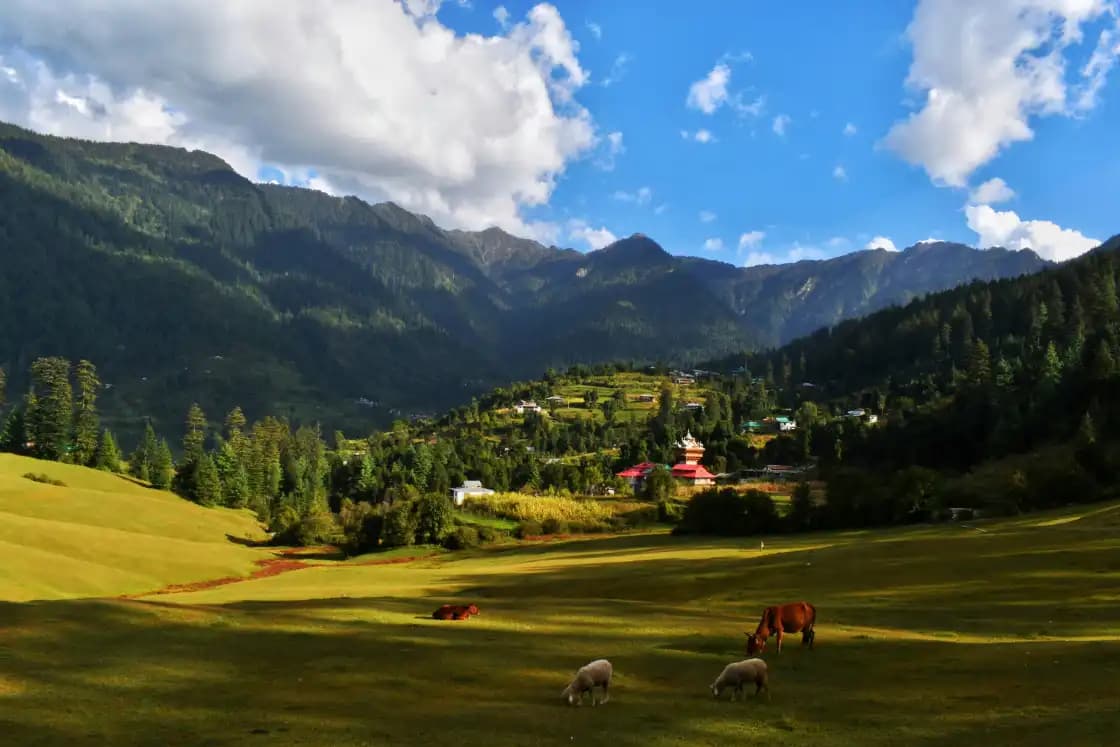
Best for Vast Alpine Meadows & Peace
A fairytale village in Sainj Valley centered around a massive, sacred natural green meadow framed by towering pine trees. Legend says the Pandavas cultivated this meadow during exile.
Where to stay: Mid-Range: Kath-Kuni Homestay / Mud Cottage (₹1,500 – ₹3,500 / night)
Best for High Altitude Views & Treks
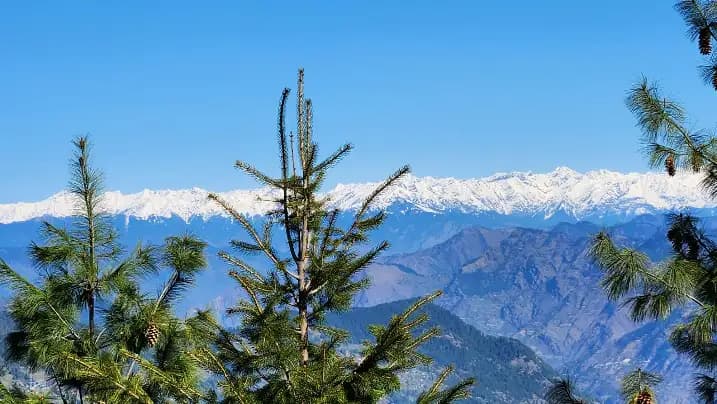
A sleepy high-altitude village (2,692m) perched just 5 km below Jalori Pass. Offers panoramic mountain views, dense oak forests, and access to Serolsar Lake and Raghupur Fort treks.
Where to stay: Rustic: Forest Rest House / Wooden Lodge (₹1,800 – ₹4,000 / night)
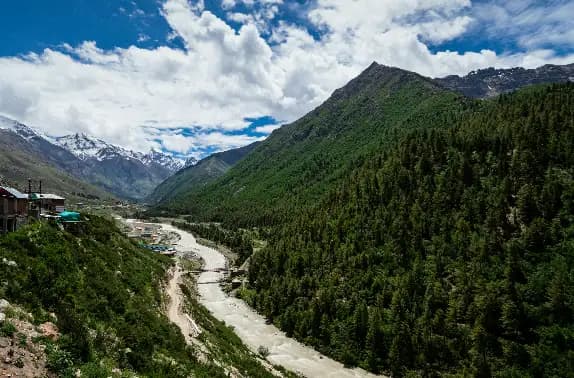
Best for Border Village Magic & Baspa River
The last inhabited village on the Indo-Tibet border in Kinnaur (3,450m). Features majestic snow-capped peaks, crystal-clear Baspa River, apple orchards, and wooden houses.
Where to stay: Homestay: Kinnauri Wooden Homestay (₹1,500 – ₹3,200 / night)
1. Jibhi & Tirthan Valley: Pine Forests, Trout Streams & Jalori Pass
A. The Charm of Jibhi Village
Tucked away in the Banjar Valley of Kullu district, about 8 hours drive from Chandigarh, lies Jibhi. Until a few years ago, Jibhi was just a quiet cluster of traditional Kath-Kuni wooden houses surrounded by dense pine forests. Today, it has emerged as a favorite refuge for slow travelers, artists, and remote workers looking for cozy riverside wooden cabins.
Life in Jibhi revolves around simple pleasures: taking a short 10-minute forest walk to the hidden Jibhi Waterfall across wooden footbridges, sitting by the rushing stream with a book, and enjoying wood-fired pizzas at local rustic cafes like The Mudhouse Experiential Hostel or Jibhi Cafe.
B. Tirthan Valley & Great Himalayan National Park (GHNP)
Just a 15-minute drive from Banjar lies Tirthan Valley, named after the pristine, crystal-clear Tirthan River originating from the glaciers of the UNESCO World Heritage listed Great Himalayan National Park (GHNP). Tirthan is famous as one of India's premier brown and rainbow trout angling destinations. Spend your mornings hiking to the waterfall in Gushaini village, angling for trout (permit required from the forest office), or sitting by the riverbanks listening to the soothing sounds of nature.
• How to Reach Jibhi/Tirthan: Take an overnight Volvo bus from Delhi to Aut (before the Aut Tunnel on the Mandi-Kullu highway). From Aut, hire a local cab (₹1,200 – ₹1,800) or take a local bus to Banjar/Jibhi (30 km).
• Homestay & Meal Costs:
- Riverside Homestay / Cottage: ₹1,200 – ₹2,800 per night
- Local Fresh Trout Dinner: ₹350 – ₹550 per dish
2. Shangarh, Shoja & Chitkul: Untouched Himalayan Marvels
A. Shangarh (Sainj Valley): The Sacred Alpine Meadow
Located inside the Sainj Valley branch of Kullu district, Shangarh feels like a piece of Switzerland dropped into the Himalayas. The centerpiece of this tiny hamlet is a vast, perfectly flat natural green meadow surrounded by dense cedar forests. Local belief holds that the Pandavas cleared and leveled this meadow in a single night during their exile. The ancient wooden Shangchul Mahadev Temple stands proudly at the edge of the meadow, enforcing strict local purity traditions (walking with shoes or driving vehicles on the sacred grass is strictly prohibited).
Shangarh is meant for slow living. Spend your afternoons sitting on the grassy slopes, watching local sheep herds graze, and staying in traditional mud-and-wood homestays like Zostel Shangarh or local family guesthouses for ₹1,000 – ₹2,500 per night.
B. Shoja & The Jalori Pass Trek (2,692m to 3,120m)
Perched 5 km below the treacherous, winding Jalori Pass, the tiny village of Shoja offers breathtaking panoramic views of the snow-clad Dhauladhar range. From Shoja, drive or trek up to Jalori Pass (3,120m) and embark on two stunning day hikes:
• Serolsar Lake Trek: A gentle 5-km nature walk through dense oak and rhododendron forests to a crystal-clear high-altitude lake sacred to Goddess Budhi Nagin.
• Raghupur Fort Trek: A steeper 3-km climb up to the ruined ramparts of an ancient fort, offering 360-degree views of the Kullu and Shimla mountain valleys.
C. Chitkul: The Last Inhabited Village on the Indo-Tibet Border
Located at an altitude of 3,450 meters in the Kinnaur district, Chitkul is famously celebrated as the last inhabited village on the Indian side of the Indo-Tibet border. Flanked by soaring glacier-draped peaks, golden barley fields, and the snow-melt waters of the turquoise Baspa River, Chitkul is arguably one of the most beautiful villages in the world.
Walk through the village to observe double-storied wooden Kinnauri houses with slate roofs, visit the 500-year-old Mathi Temple carved from walnut wood, and eat a hot meal at the famous 'Hindustan ka Aakhri Dhaba' on the riverbank.
• Homestay Budget in Chitkul: ₹1,500 – ₹3,200 per night (including warm blankets and home-cooked Kinnauri Rajma-Chawal).
Common Questions
Quick, practical answers to the questions travellers ask most about Himachal Pradesh, India.
Jibhi and Tirthan Valley are the top offbeat choices for peace, featuring rushing streams, pine forests, wooden homestays, and easy access via Aut.
Take an overnight Delhi-to-Manali Volvo bus and get down at Aut (just before the Aut Tunnel). From Aut, hire a local cab or catch a local bus via Banjar to reach Jibhi (30 km, approx. 1 hour drive).
Shangarh is world-famous for its massive, sacred natural alpine meadow surrounded by dense cedar pine forests and the ancient Shangchul Mahadev Temple.
Chitkul is the last inhabited civilian village on the Indian side of the Indo-Tibet border in Kinnaur district, beyond which lies the border post managed by the ITBP.
Jalori Pass (3,120m) has steep inclines and narrow unpaved sections. Experienced mountain drivers are recommended, especially during winter snow or monsoon rains when the road becomes slippery.
Authentic wooden homestays and guesthouses in Jibhi, Tirthan, and Shangarh cost between ₹1,200 and ₹2,800 per night for a double room.
Jio and Airtel 4G networks work well in main villages like Jibhi, Banjar, and Shangarh, with many homestays offering high-speed Wi-Fi for workcations. Signals can be patchy in Chitkul and Jalori Pass.
March to June (pleasant summer weather) and October to November (autumn colors and clear mountain views) are the best times to visit Jibhi and Tirthan Valley.
Day walks near the park buffer zone (e.g., Gushaini to Rolla) require a nominal entry permit from the GHNP forest office in Sai Ropa or Gushaini (approx. ₹100 – ₹150 per day).
Chitkul often gets cut off due to heavy snowfall along the Sangla-Chitkul road between January and February. Sangla or Kalpa serve as reliable base alternatives during peak winter.