
When the Gods Come Down to Earth: The Living Magic of Himachali Melas
Feel the True Soul of Dev Bhoomi
Close your eyes for a second and imagine this: cool mountain mist drifting off a pine-rimmed lake, the deep echoing boom of a brass Ranasingha trumpet reverberating through the valley, and a sea of villagers swaying in unison to the rhythmic beat of dhol-nagara. Suddenly, a wooden palanquin woven with marigolds and silver ornaments tilts sideways as its bearers dance through the crowd—the local Gram Devta has arrived to bless his people. This isn't a staged cultural show for tourists. This is everyday life in Himachal Pradesh, where ancient faith breathes through every mountain pass.
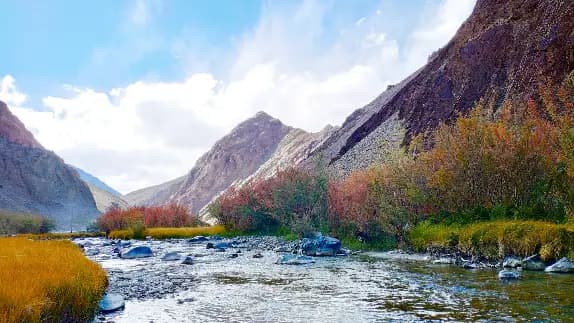
While most travelers pack their bags for Manali's Mall Road or Shimla's cafes, those who wander into a Himachali village mela discover the real heartbeat of the hills. Known reverently as 'Dev Bhoomi' (Land of the Gods), Himachal follows a divine hierarchy unlike anywhere else in the world. Here, deities are not locked behind temple gates; they travel in grand processions, hold royal assemblies, resolve village disputes, and celebrate life after the harvest alongside their devotees.
Whether it is the heartbreakingly beautiful mother-son reunion at Renuka Lake, the grand gathering of 300 Gods at Kullu Dussehra, or the centuries-old trade bazaars of Lavi Fair, attending a Pahadi festival is a soul-stirring experience. In this 1,300+ word field guide, we walk you through Himachal's most iconic fairs—complete with real ground experience, local street food secrets, logistics, and honest budget numbers in INR (₹). Before planning your trip, check out our Himachal Pradesh Travel Guide Master Hub to align your dates with seasonal weather and road routes.
Ideal For
- Culture Seekers & Photographers
- Backpackers Wanting Authentic Local Vibe
- Spiritual Travelers & Folklore Lovers
- Road Trippers Exploring Offbeat Valleys
The Headline Festivals You Can't Miss
An emotional 5-day divine reunion along the sacred, woman-shaped Renuka Lake in November. Celebrates the deeply moving annual meeting between Mata Renuka Ji and Lord Parshuram.
A world-famous 7-day extravaganza at Dhalpur Ground. Starts on Vijayadashami when over 300 village Deotas arrive in decorated palanquins to pay homage to Lord Raghunath Ji.
An August monsoon carnival at Chamba's historic Chowgan. Locals offer golden silk tassels (Minjar) representing paddy shoots to the river god Varuna along the Ravi River banks.
A 400-year-old festival in the 'Varanasi of the Hills'. Over 200 hill deities arrive in palanquins at Paddal Ground to pay respects to Lord Bhootnath (Lord Shiva).
Renuka Ji Fair: Where Mother's Love & Son's Devotion Come Alive
A. The Story That Will Give You Goosebumps
Tucked away in the quiet, pine-scented hills of Sirmaur district, about 38 km from Nahan, lies the pristine Renuka Lake—a mirror-like natural lake contoured like the sleeping body of a woman. Every year, roughly ten days after Diwali (around November), this quiet sanctuary comes alive during the state-level International Renuka Fair.
According to ancient Pahadi lore, Mata Renuka Ji sacrificed her life to protect the sacred cow Kamadhenu and merged into the lake waters. Touched by his son Lord Parshuram's devotion, she promised to rise from the waters to meet him once every year on Kartika Ekadashi. To this day, villagers carry heavy silver and wooden palanquins of Lord Parshuram from Jamu Koti down to the lake banks. Watching the procession arrive amidst chants of 'Jai Mata Renuka Ji' and the raw sound of brass trumpets echoing off the water will give you chills.
B. Ground Atmosphere & Travel Details
By day, thousands take holy dips in the serene lake while folk artists perform Thoda archery dances and Kariyala plays. By night, the lakeside glows under oil lamps and fair stalls. Locals gather around bonfires in large circles, performing the slow, hypnotic Natti dance late into the night. It is also an active rural trading ground where hill farmers sell fresh walnuts, ginger, pine nuts (Chilgoza), and hand-spun woolen Pattus.
• How to Reach: 38 km from Nahan and 105 km from Chandigarh. Nearest major railhead is Ambala Cantt (95 km), easily connected by HRTC buses and taxis via Nahan.
• Real INR (₹) Budget Expectations:
- Village Homestay / Guesthouse: ₹1,200 – ₹2,500 per night
- HPTDC Hotel Renuka (Lakefront): ₹3,500 – ₹6,500 per night
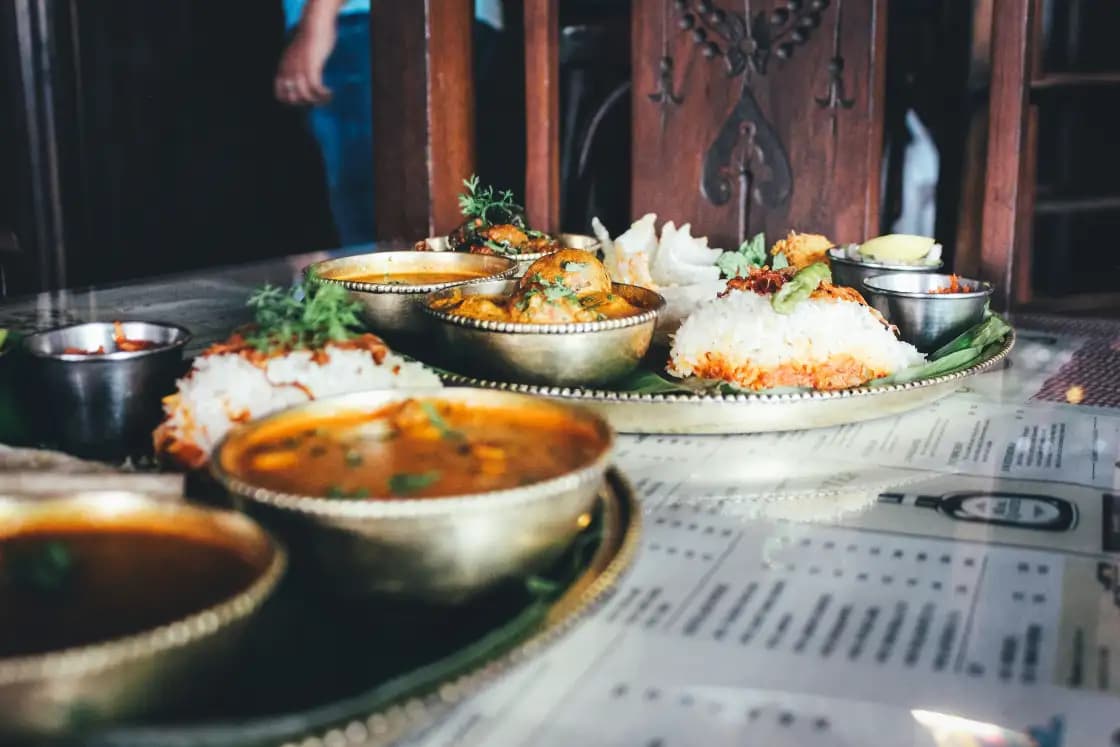
- Fair Street Food (Siddu, Kadhi-Chawal, Hot Jalebi): ₹100 – ₹250 per meal
The Full Calendar: Deota Assemblies, Trade Bazaars & Tribal Holidays
A. Divine Deota Gatherings (देवता और धार्मिक मेले)
• Kullu Dussehra (Kullu Valley - October): While the rest of India burns effigies of Ravana on Vijayadashami, Kullu starts its grand week-long carnival on that day. A massive wooden chariot carrying Lord Raghunath Ji is pulled by thousands across Dhalpur Ground, accompanied by over 300 village deities arriving from remote valleys with their own brass bands.
• Mandi Shivratri (Mandi Town - Feb/March): Known as the 'Varanasi of the Hills', Mandi hosts a week-long divine royal court. Deotas carried on embroidered palanquins stay at Paddal Ground, visiting the ancient Bhootnath Temple while traditional drama troupes entertain crowds.
• Shoolini Mela (Solan - June): A grand 3-day festival honouring Goddess Shoolini Mata, featuring colourful deity processions, folk music, and famous regional wrestling matches (Dangal).
• Doongri Fair (Manali - May): Celebrated at the 500-year-old wooden Hadimba Devi Temple inside the Dhungri cedar forest to welcome spring with traditional village dances and Pahadi food stalls.
B. Historic Trade & Agricultural Carnivals (व्यापार और फसल मेले)
• Lavi Fair (Rampur Bushahr - November): Over 300 years old, Lavi Fair along the Sutlej River was historically the main silk-route trade junction between the Bushahr Kingdom and Tibet. It remains a bustling market for raw Pashmina wool, Kinnauri shawls, Chamurthi horses, dried fruits, and Himalayan medicinal herbs.
• Minjar Mela (Chamba - August): A vibrant monsoon harvest fair at Chamba's historical Chowgan. Locals pin silk tassels (Minjar) representing paddy shoots onto their clothes and float them into the rushing Ravi River as a prayer for prosperity.
• Nalwari Fair (Bilaspur - March): An iconic 7-day cattle fair dating back to 1889, famous for cattle trading, traditional wrestling tournaments, and night cultural programs on the Luhnu Ground.
C. Tribal & Regional Celebrations (जनजातीय एवं अनूठे त्योहार)
• Phulaich Festival (Kinnaur - September): The mystical 'Festival of Flowers'. Kinnauri villagers hike to high alpine meadows to pluck rare wild orchids, offering them to local deities and remembering departed ancestors.
• Halda & Losar (Lahaul & Spiti - Jan/Feb): The New Year celebrations of the high cold desert. Villagers light cedar-wood torches to ward off evil spirits, perform mask dances (Chham), and share homemade barley wine (Lugri).
• Sujanpur Tira Holi Mela (Hamirpur - March): Started by King Sansar Chand of the Katoch dynasty, this historic week-long Holi fair brings royal colour play, street markets, and evening musical shows.
CULTURAL & PRICE DISCLAIMER: Please note that all festival dates (which follow traditional Hindu and Tibetan lunar calendars), homestay tariffs, transport fares, and local meal costs mentioned in this guide are estimates based on ground field data.