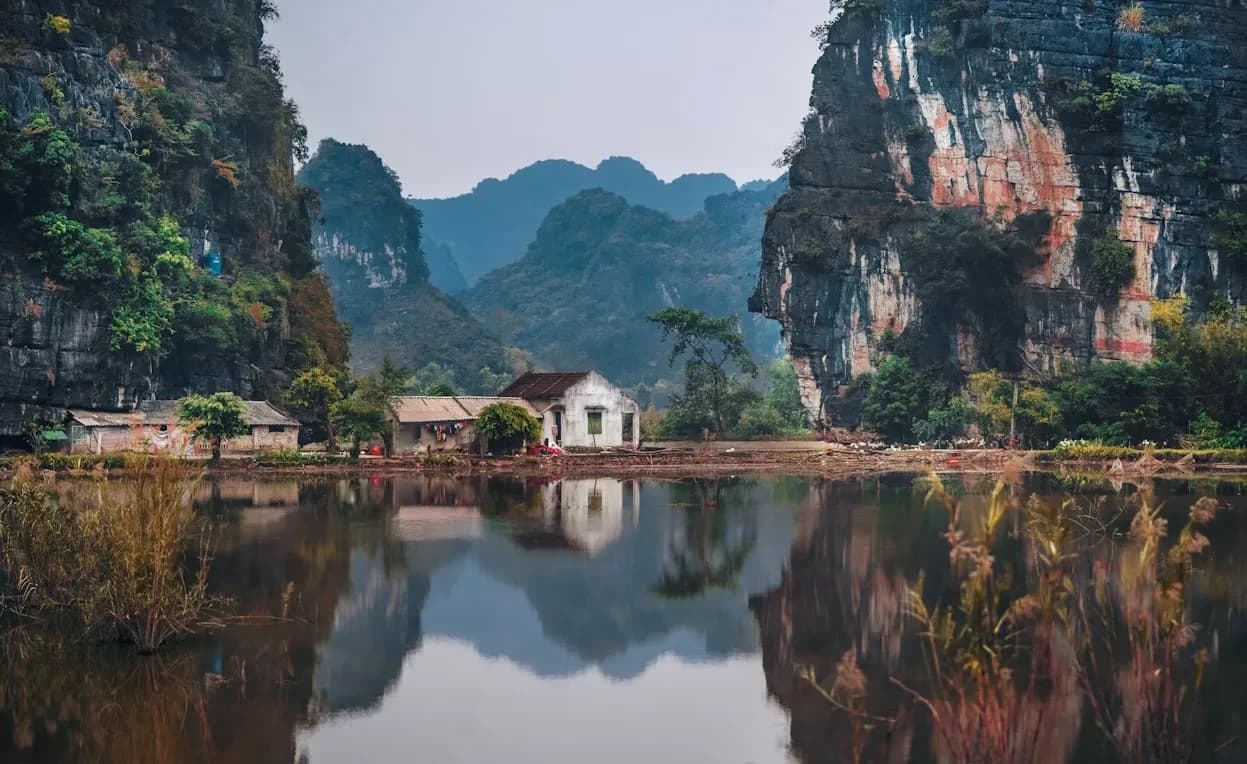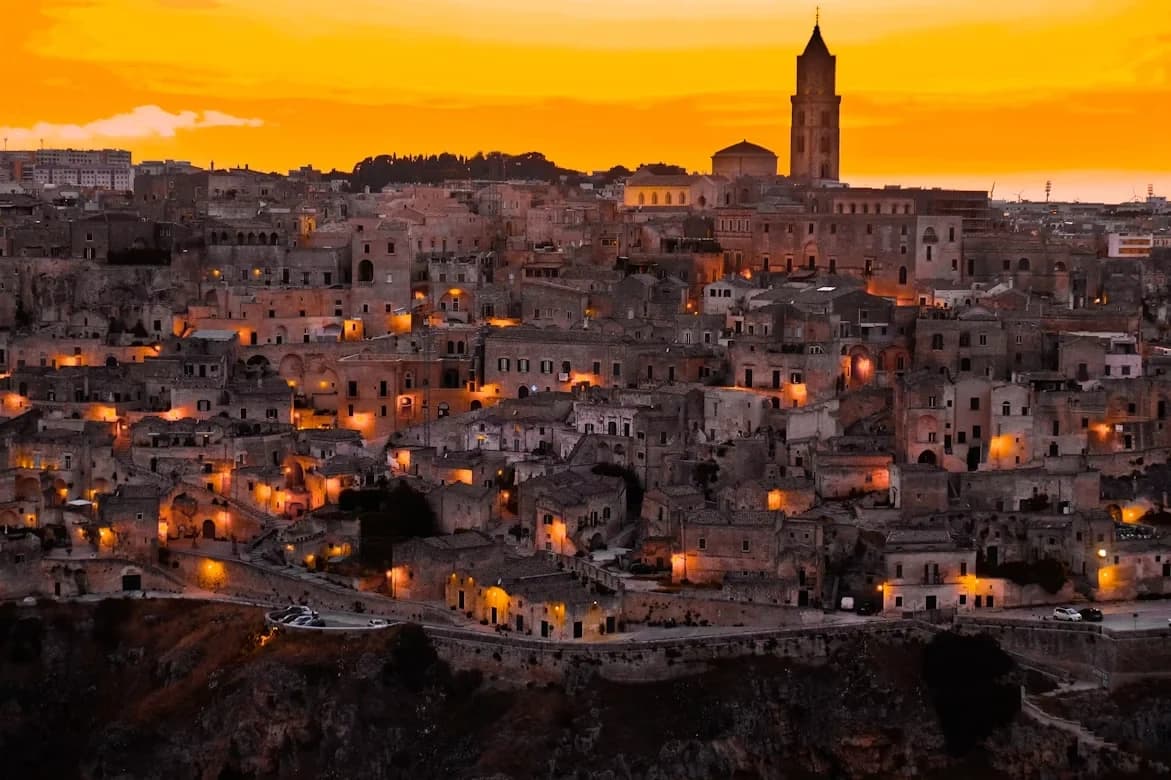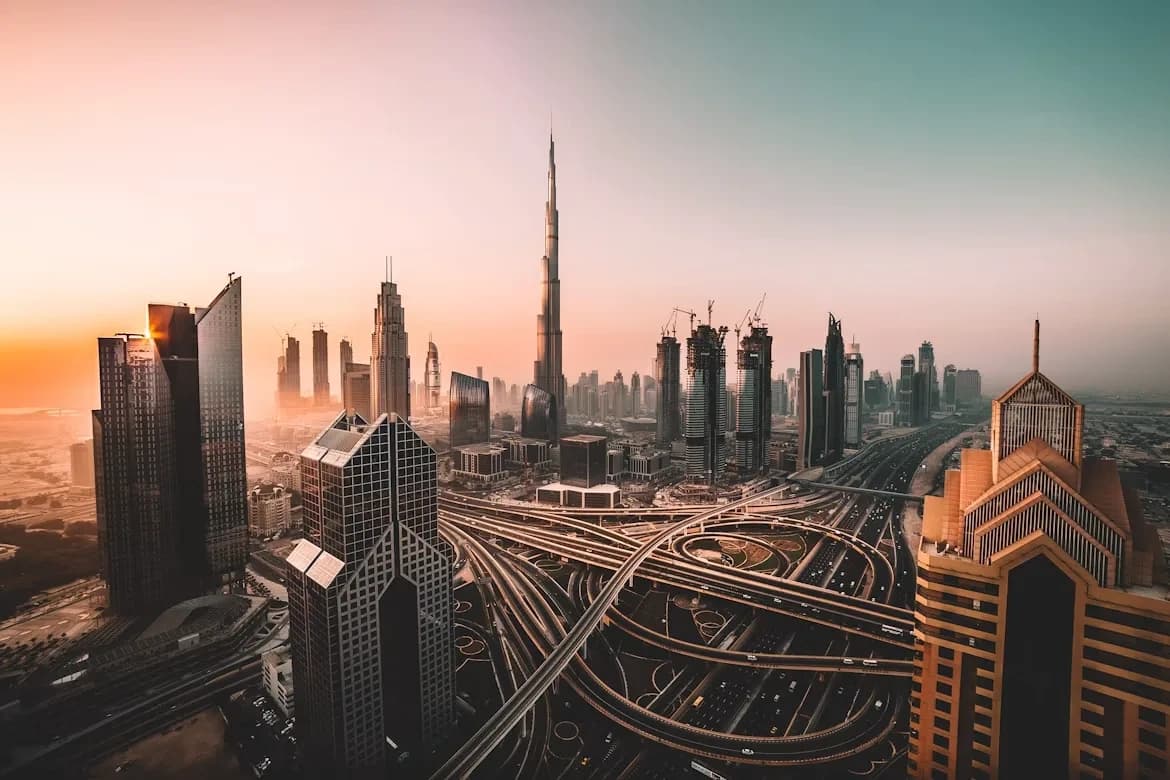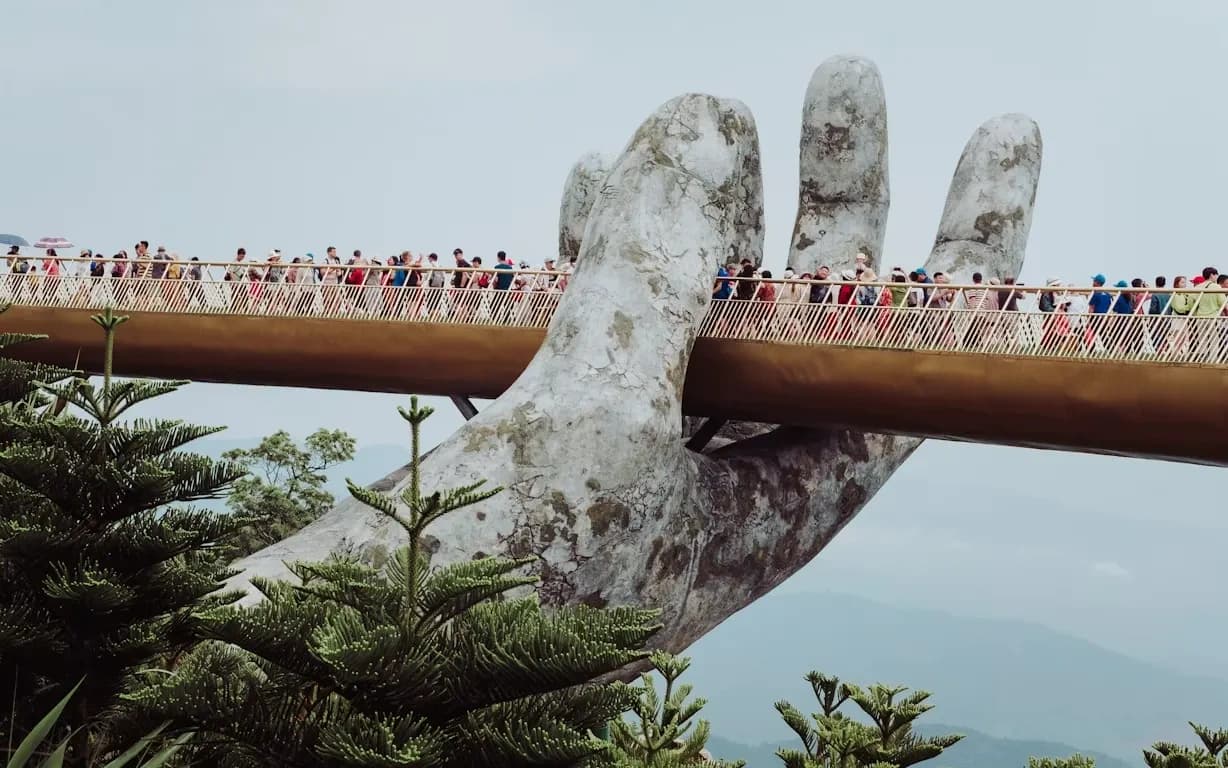
Go now until instagram takes over it.
It's a certain kind of travel sorrow that sets in when you finally get there, where you have been hoping to go, only to discover a pile of selfie sticks and overpriced cocktails, and a line that stretches around three city blocks. Go now until instagram takes over it.
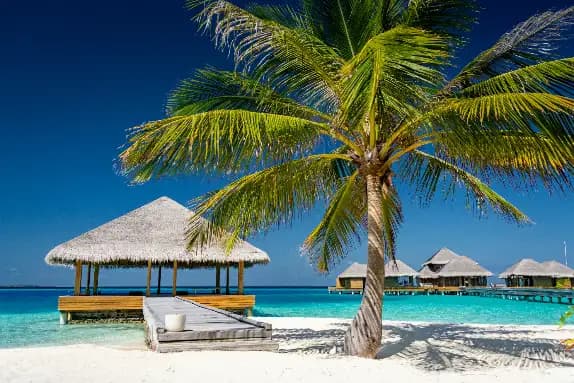
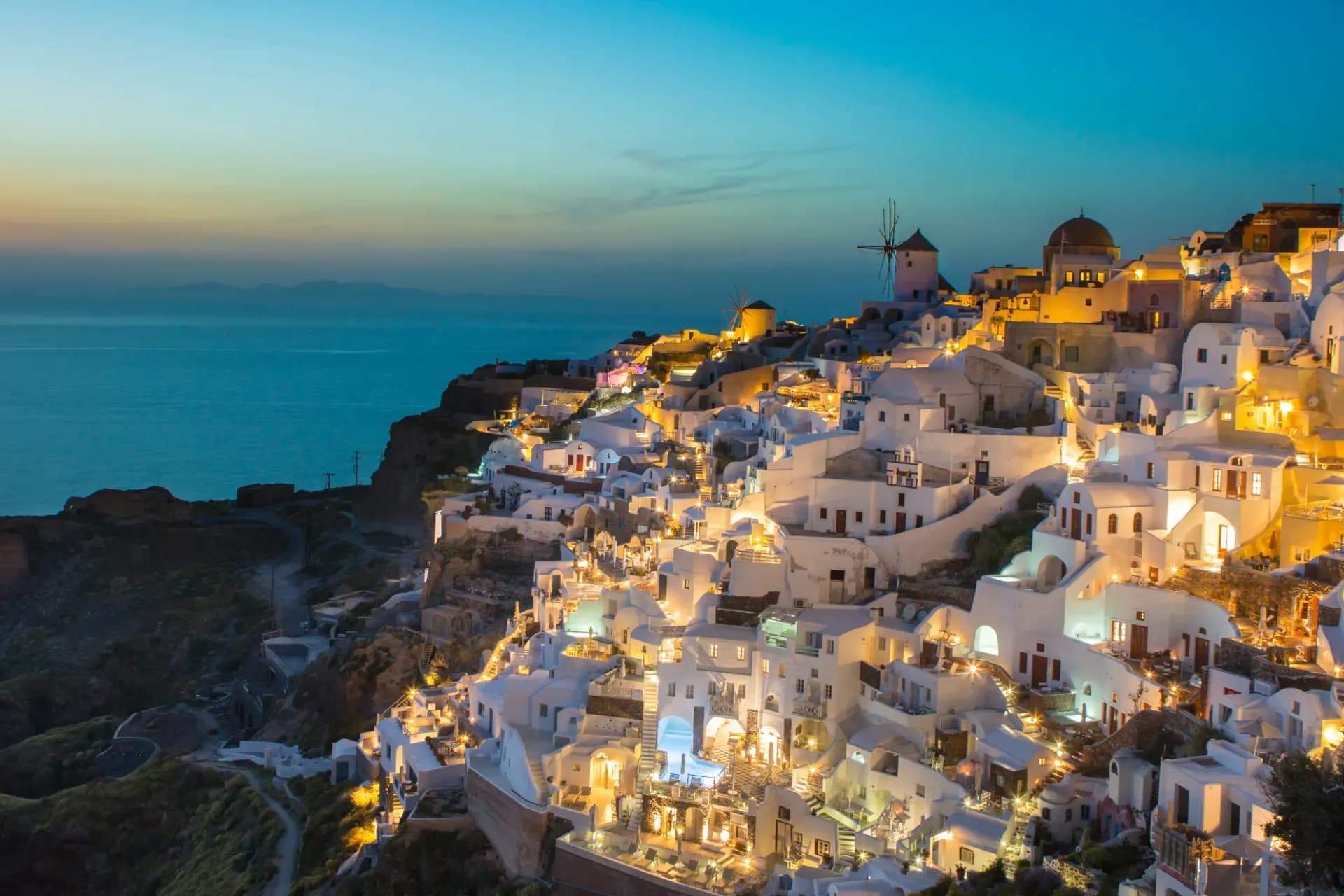
Santorini. Bali. Dubrovnik. Formerly serene and pastoral locals. Today these are more like over-tourism now open-air museums, where the authenticity is now picked and packaged and handed back to you for a 400% profit.
I have been travelling for more than 5 years, met with many travel writers who have a lot of time on their hands and local guides, and have been talking to many nomads who have made it their business to discover places before the crowds. In fact, I've seen a trend; the next wave of "it" spots is quietly forming in the background. The flights come with a low price tag. The hotels are not all sold out. It's still true that the locals are happy to see you.
These are the places experiencing quiet right now and they won't remain quiet for long.
Ideal For
- Travellers who want to visit before the crowds arrive
- Anyone tired of over-touristed destinations like Santorini and Bali
- Budget travellers looking for genuine value
- Photographers and storytellers chasing authentic experiences
- Adventurous travellers who make effort their filter
- Anyone planning a 2026 trip to somewhere nobody has already been
7 Underrated Destinations
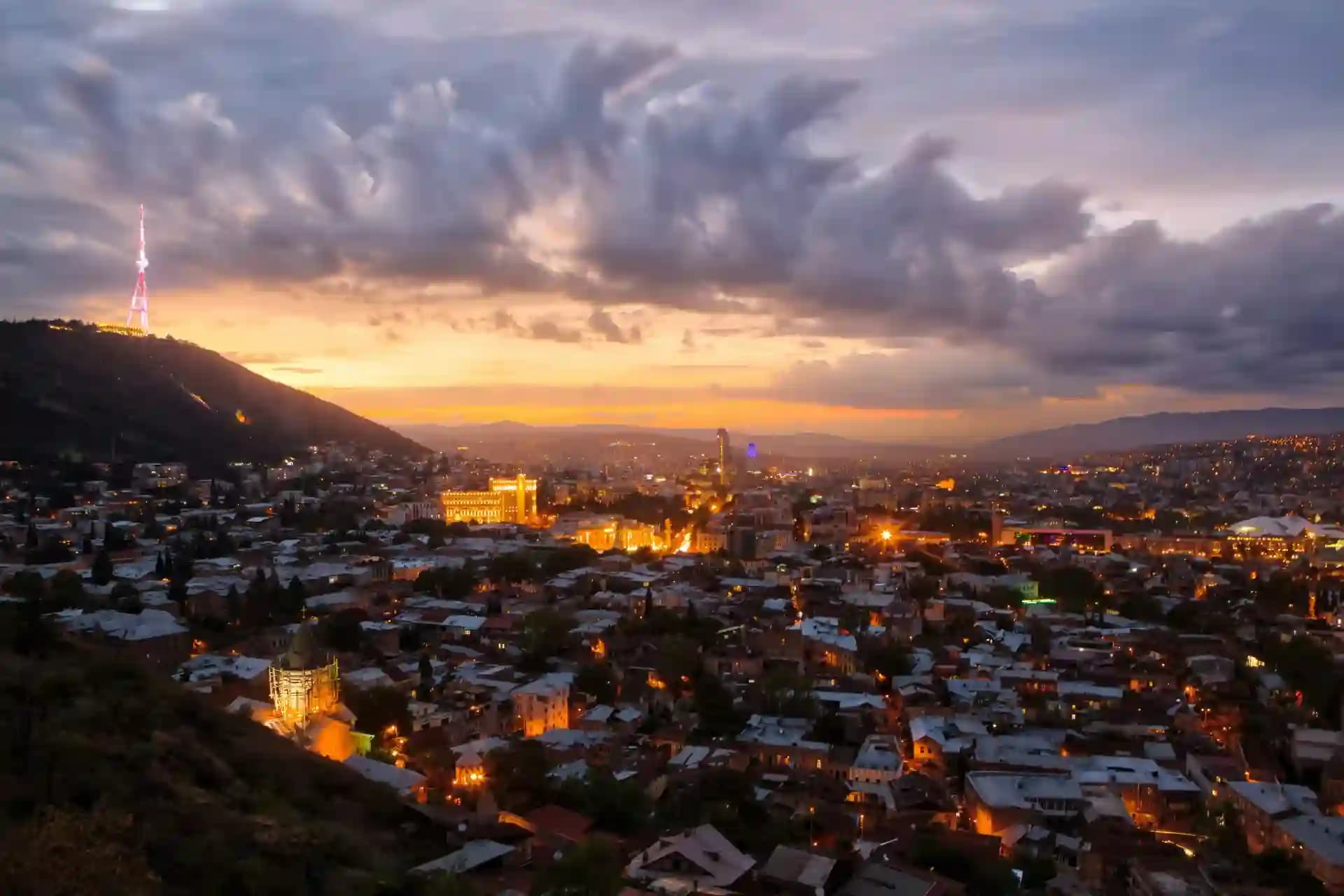
If a city was given to you with churches that are 1,500 years old, sulphur bathhouses, natural wine that is cheaper than water and a food scene on par with Istanbul. well, you'd think it already has its own list of travelers, and you'd be right. It is. But it's not enough people that is listening yet.
Why it's underrated: Listeners of this region should be familiar with it, but travelers are not because it's in the middle of the continent somewhere between Europe and the Caucasus, which has kept it pure.
What you'll experience: The Old Town (Abanotubani) has a slightly sulphuric odor from the ancient baths that are below. Here the wine culture dates back 8,000 years, as they ferment in clay pots buried underground called qvevri. Breakfast (for 2) with tea/coffee: ₹500.
The window: There are still not much direct flights from India so people filter themselves out. But European travellers have gotten the message and 2026 is the year this tips.
Go for: The wine, the food, the hiking at Kazbegi, the texture of being in an authentic city.
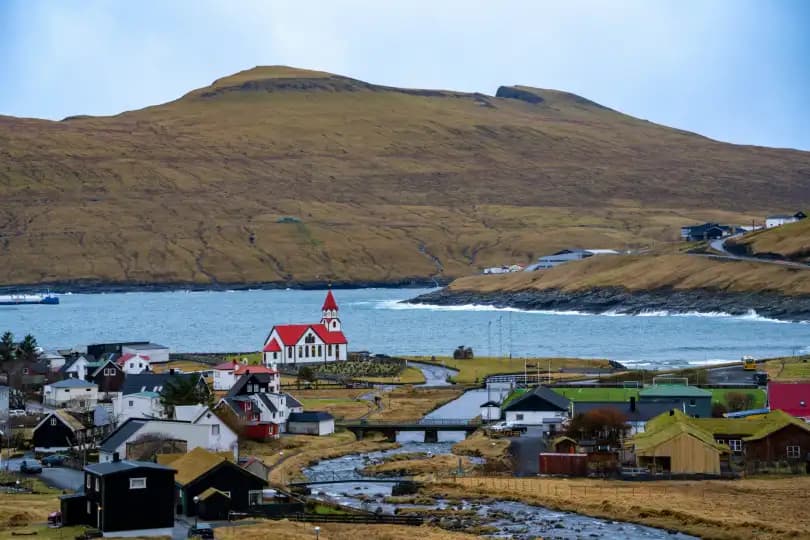
18 volcanic islands hanging over the border between Norway and Iceland. Tumbling waterfalls from which the water plunges into the ocean. No trees. Constant fog. Sheep outnumber people here funny right! This seems like the type of scene one would encounter in a fantasy novel, and it truly feels like one when you're there.
The reasons it's an underrated attraction: It's hard to get to so it hasn't caught on with mass tourism. There are no beach clubs. No all-inclusive resorts. No party scene.
What you can expect to see: Churches in villages with big colours and grey skies. Maintained local family hiking trails. The ræst food tradition: Lamb and fish naturally fermented by the wind and tastes like nothing found on earth.
The window: Tourism is on the rise. The Faroe government is already in the process of discussing caps on visitors. It's a place with the time limit on it.
Go for: Sørvágsvatn (the lake that seems to float above the sea), the village of Gásadalur and sea cliff hikes that will truly make your legs shake.
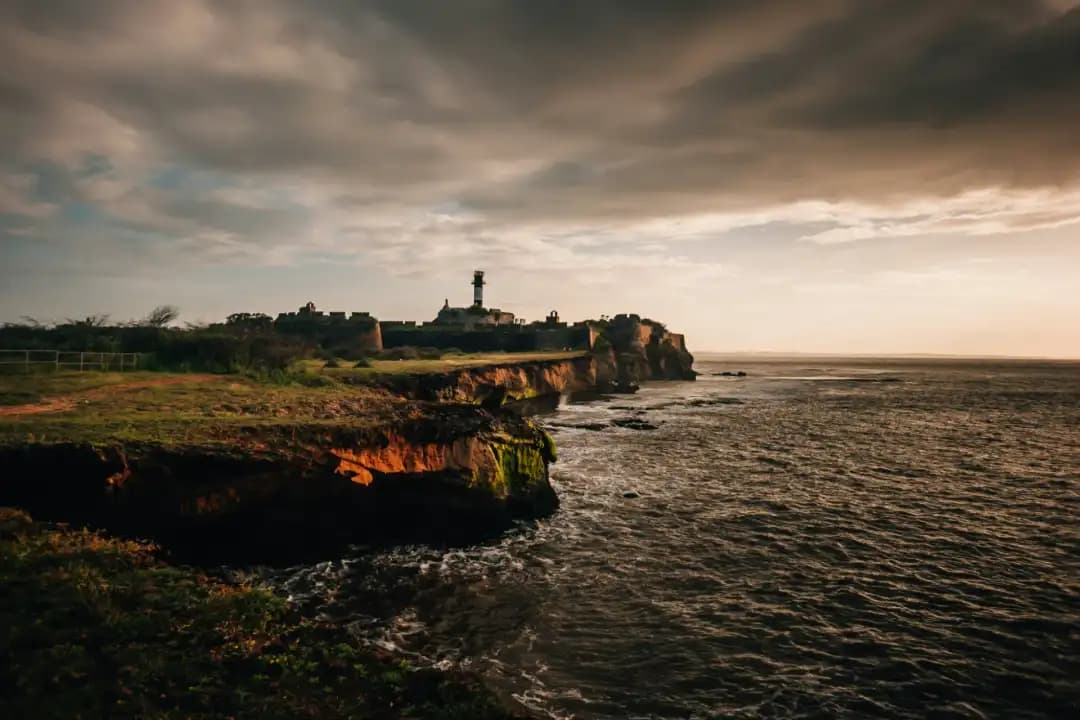
The majority of Indian travelers skip this place and consider it as a "cheap booze destination" or a stopover on their journey to somewhere else. That's a disservice to its reputation, honestly. Its Portuguese colonial architecture is on par with that of Goa. Beaches are cleaner. Seafood is fresher. Nearly no one is here.
Why it was underestimated: Goa was the subject of imagination. Diu was left behind. so yeah that's all.
What you'll get: Fort Diu, where you'll enjoy sunset views from a 16th-century Portuguese fortress, which will be priced at a premium at any "curated boutique travel". Unspoiled beaches like Nagoa, and a relaxed vibe.
The window: Infrastructure being improved. Word is slowly getting out through travel reels. The crowds will follow probably within 18–24 months.
For beaches that are almost empty, colonial ruins and food that's a bit more authentic, go for the off-season (September – November).
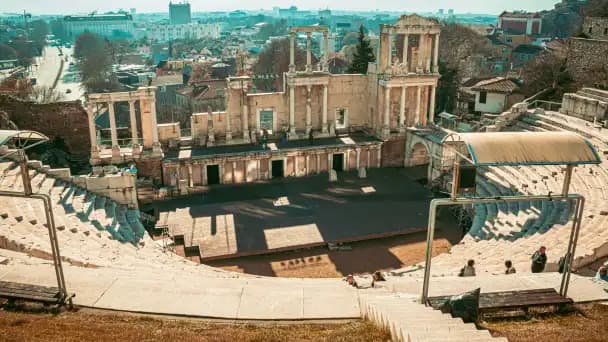
Rome has a population of 35 million people and is 2,700 years old. Plovdiv, Bulgaria, is one of the oldest cities in Europe to still be inhabited, and you can stroll through the amphitheatre built 2,000 years ago without a ticket, which is sold 3 months in advance.
The reasons for its under rating: The perception problem of Bulgaria as a whole. The "post-Soviet grey" is the way people think. In fact, the colors are vibrant, the atmosphere is warm, and the culture is rich.
What you'll get: The Old Town (Kapana district) is the labyrinth of pastel 19th century houses, art galleries, craft beer bars and restaurants where you can enjoy a full dinner for €8. Under a shopping street, there is a Roman stadium, which can be seen through clear glass in the floor.
In 2019 the city of Plovdiv became a European Capital of Culture. That wave is continuing to slowly build. The low-cost airline operations are growing.
Go for: The Golden Hour at the Amphitheatre, Kapana Craft district on a weekend evening, and not having to feel pressured to move on every 5 steps when following a tour group.
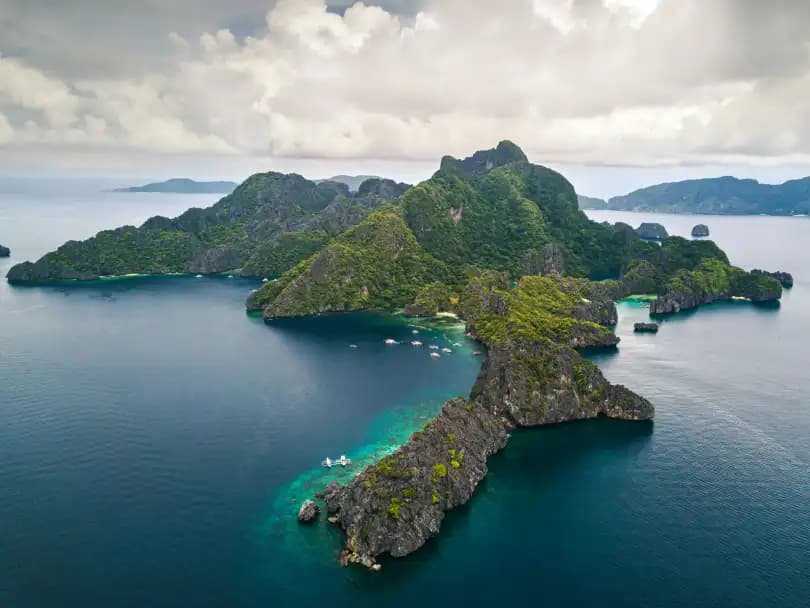
Siargao already has an image: Yet the part of the island that most visitors tour is just a small part of a much bigger, very beautiful island: the places where most tourists stay, the party hostels, and General Luna and Cloud 9.
Why it's underrated: The crowds focus in predictable locations. The rest of the island is yet to be explored.
What you'll actually get: Mangrove lagoons that can only be reached by bangka boat. Small islands in the vicinity, where all you can hear is the sound of the waves. Dako, a few minutes' boat trip from the main island, is still without a paved road. Fresh tuna caught 2 hours before for breakfast.
The window: Domestic tourism in the Philippines is getting a boost. The outer islands will be getting full. It's already happening to Daku and Guyam.
Go for: Guest house for locals, hire a habal-habal (motorbike) driver for an island tour for the day, and eat at the turo-turo (point-point canteen) that makes food every morning.
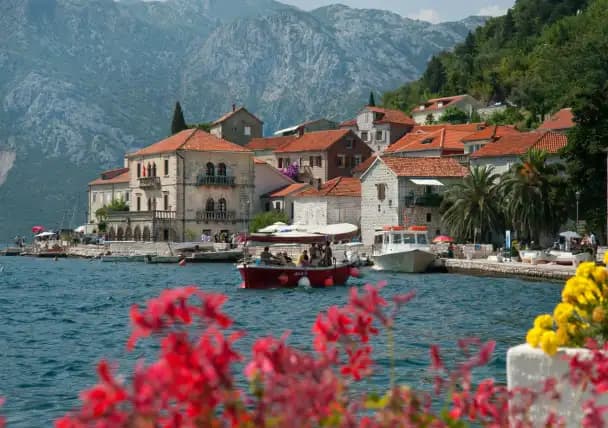
Dubrovnik is beautiful. It also, for much of the year, is an example of what tourism can do to make a place more than just a setting for someone else's social media feed. Kotor is 100 kilometres up the coast, in Montenegro, and has exactly the same charm, the same shimmering Mediterranean sea, and a tenth of the foot traffic.
Why it's underrated: Montenegro is a young country (independent since 2006) that has yet to be fully discovered on the international travel map.
What you get: A walled city with cats as the real mascots, even a Cat Museum (UNESCO-listed). Use a boat to visit the churches on 12th century Boka Bay. A hike to a fortress that will give you views worthy of a painting.
New direct flights from London and other European hubs have begun to tip the scales. More and more people are flocking to Kotor for its summer.
Go for: September–October, when the masses of summer visitors have been reduced and the light is golden, and everywhere breathes a sigh of relief.
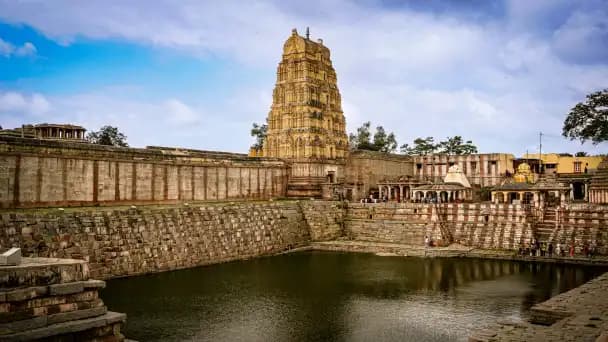
Hampi, Karnataka is home to 1,600 monuments spread over 25 square kilometres of boulder-strewn landscape. Once one of the biggest cities in the world. Today, it attracts only a few tourists as Agra or Jaipur does.
The reason for the underrating: It does not fit into the Golden Triangle. It's not easy to get to. As anyone who has travelled a lot is aware, effort is the best filter there is.
What you'll actually see: The Virupaksha Temple complex is very much active and vibrant with priests, rituals and elephants. Sunrise at Matanga Hill as coracles (round boats) row on down river Tungabhadra. Boulders that are stacked in such an unusual way that you can only look at them for an hour.
The window: Hampi is already featured on backpacker lists. The change is that it is starting to find it in domestic luxury travel, boutique accommodation is cropping up and so do the price tag and the crowds.
Go for: October–February. Rent a bicycle. Get lost. This is a place that is good for being lost in.
Here is some advice that many travellers with experience have learned and that others may not: The best time to visit a place is just before it becomes too crowded. Not raw and undeveloped, that is the challenge of its own. But the sweet spot, where there are buildings, but the spirit of the area has not sold out to visitors. It is also a much narrower window than ever before information moves at the speed of the internet and a seemingly placid village can become a frenzied mob within a year from a single viral video.
All of these are in that window this year (2026). They have good enough connectivity to be accessible. There's plenty to keep you from getting bored. They haven't come out yet as a highlight reel. However, they will not remain like that.
Make sure you have a plan when you partake in Winter Games. Being the first one there doesn't necessarily mean that you're the best one there. It's also about your presence. Spend at locally-owned places. Learn 5 words in their local language. Don't try to 'Haggle down to nothing' a person. Do not leave a place worse — or at least, not better.
There are still spaces on this list, and plenty of people have done just that, and the spaces are still beautiful. Now its your turn and go before it instagram takes over.