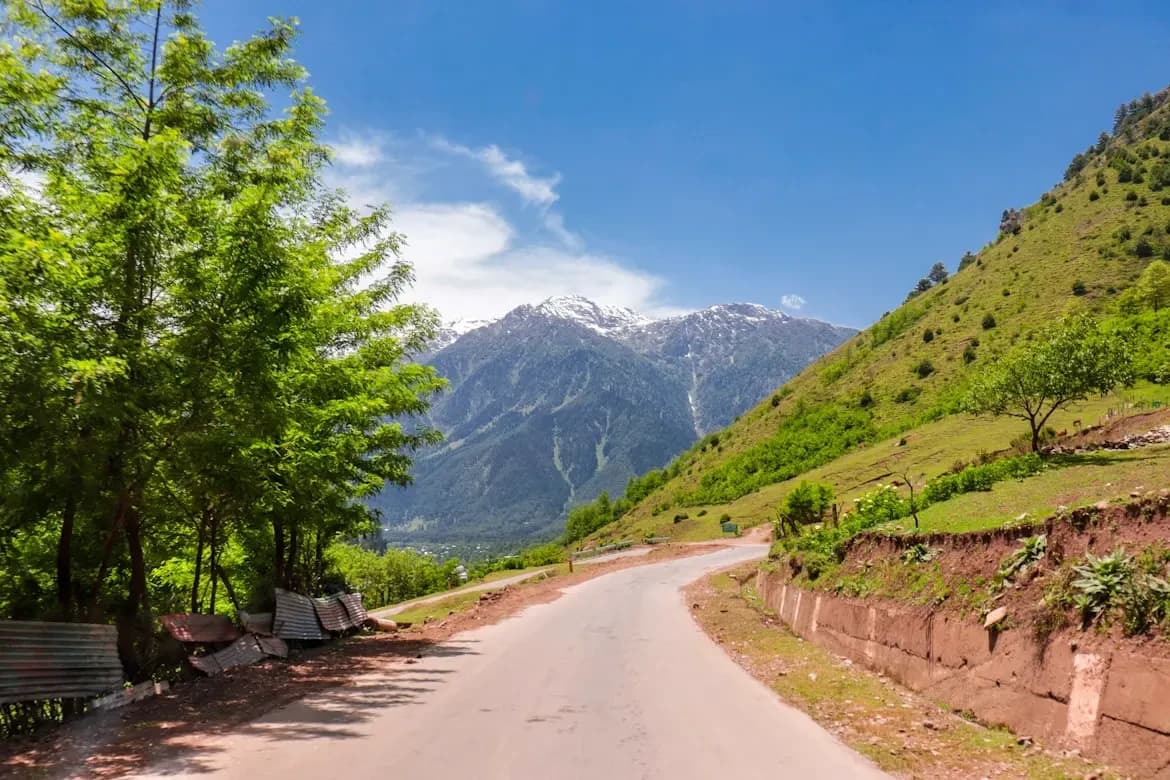

Hectic travel is not something you will like.
In the past there was a list I kept. Not a bucket list, but I did have one of those! This was not your typical list. Running count of countries visited, cities checked off, sites photodocumented. I would add it to it after each visit, sitting before the gate, at the airport, with my boarding pass in hand, out of sight, with a sense of satisfaction in my mind.
It was no pleasure. I know that now. What really happened, was I felt I did something without experiencing anything. I was picking up destinations like you pick up receipts an indication that somewhere I've been, but no indication of what that means.
The game-changing trip: Portugal. I had four days. I was hoping to go to Lisbon, Sintra, Porto and the Algarve. I had a spreadsheet that I took. I had plans to eat at other restaurants in case. Timed walks were created, for each walk, to the minute.
I saw all of it. I don't recall very much about it.
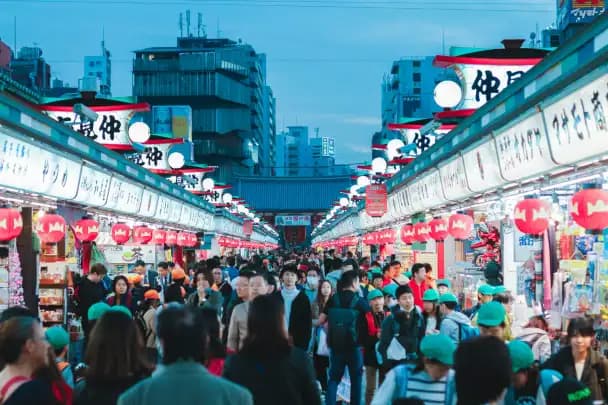
It's something so self-explanatory it is hard to believe I have to put it in words. However, when you are at a slower pace, it is possible to create other memories. What you notice in the moment you start living in a city, what you hear after the rain, what you smell, how the afternoon light shines on a particular street, what you see the first time you see it, all those things that fade from you, as soon as you leave, become part of you when you stay long enough to experience them more than once.
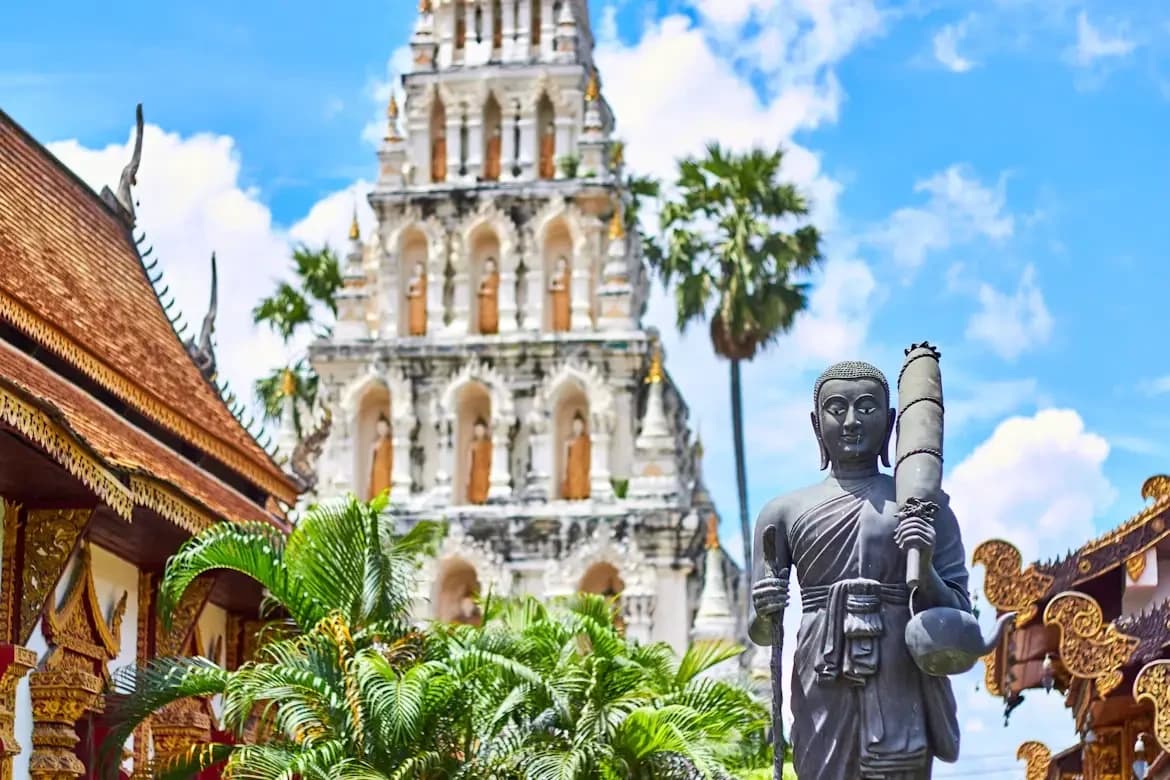
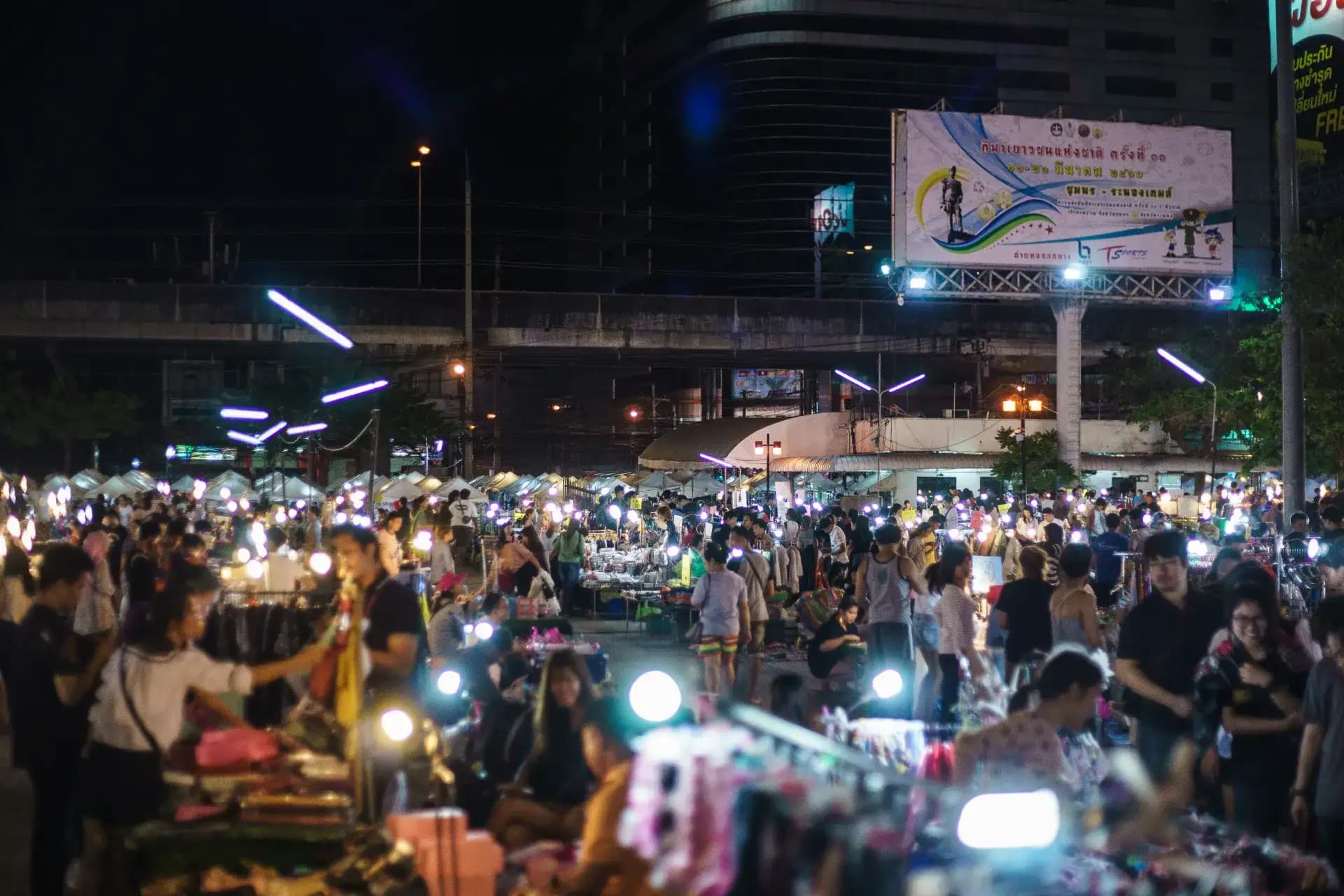
Two years after the Portugal trip I spent 3 weeks in Chiang Mai. I can still tell you which stall in the Saturday Night Market the mango sticky rice was the best. I can tell you what the air was like when we got up at six o'clock in the morning close to the Old City moat. I can tell you truthfully that the most wonderful hour of each day, was seven in the morning when the monks walked the streets in silence, which were not yet set out as tourist infrastructure.
I can't tell you of anything like it with the 5 cities that I sped through in the same amount of days 2 years ago.
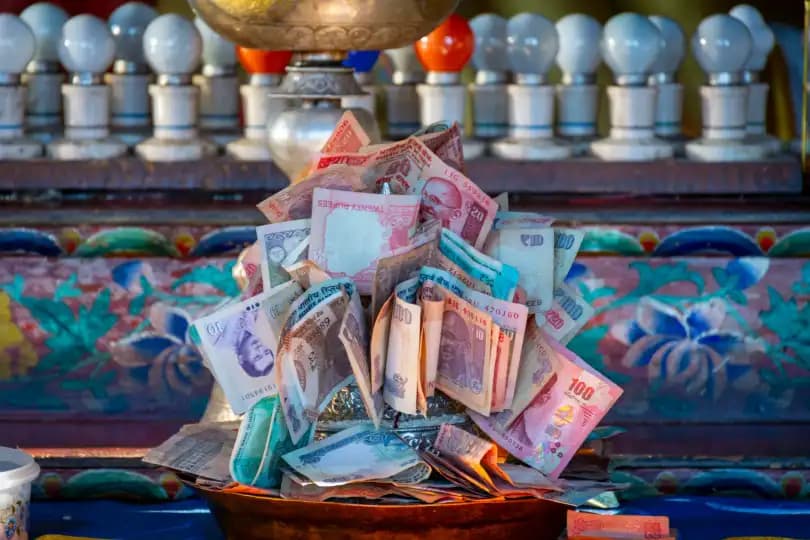
This surprised me, Rushing is expensive. All of the changes, all of the various trains, all of the different hotels, all of the different meals in the airports, all of the different restaurants you order at, and so on, cost more than staying. If you stay in a place for 2–3 weeks, you go to the local market to purchase your groceries. You cook occasionally. You discover the lunch that regulars are all familiar with, at a price of ₹150/-. No more paying tourist prices for anything as you have long been here and no longer act like a tourist.
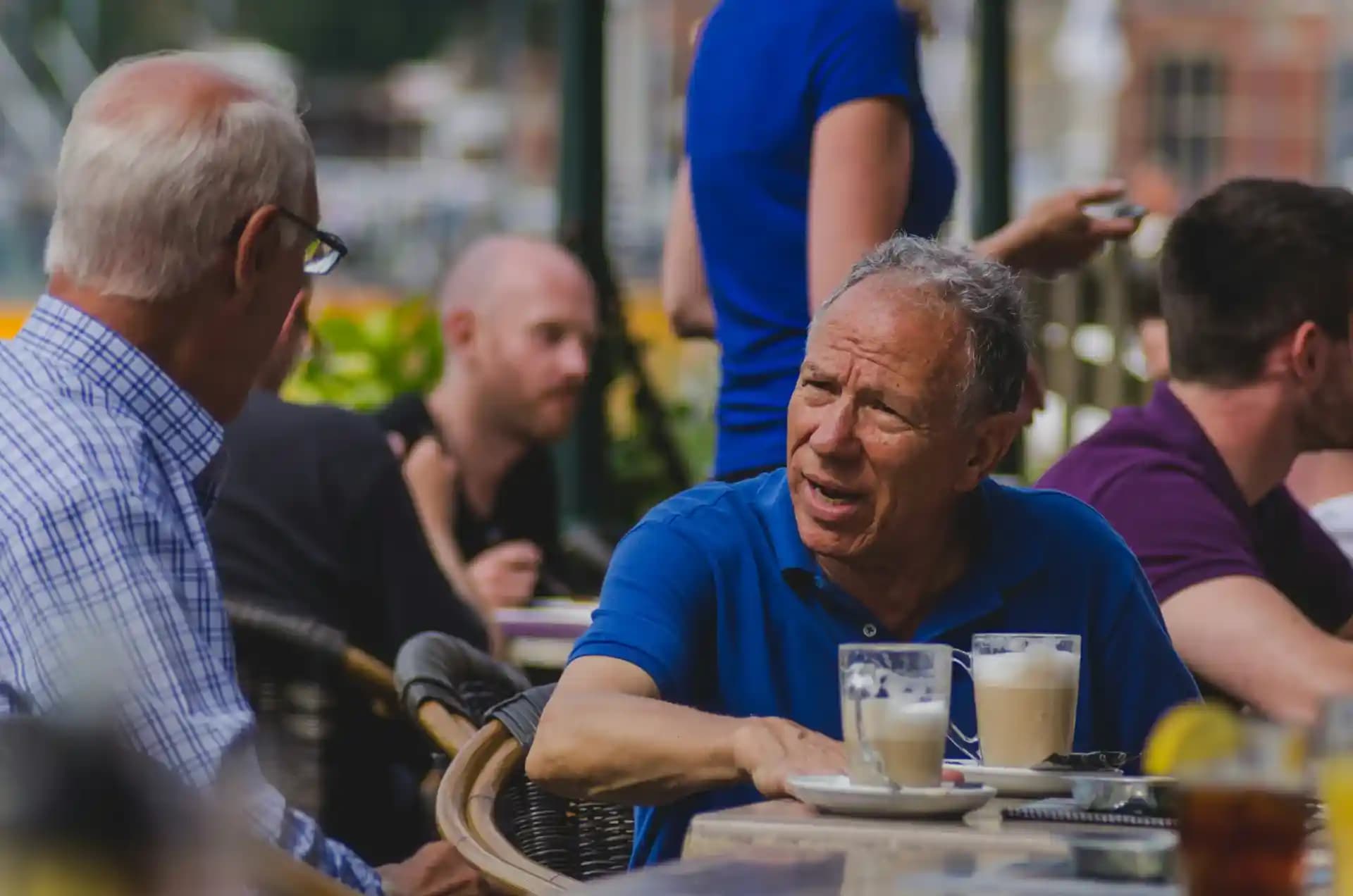
When people travel hurriedly they are involved in a certain type of social interaction, that of a fleeting and brief exchange with a person they will never meet again. Your hotel receptionist. The tour guide. The fellow at the table next to you on the question, "Where are you from?"
Slow travel does not yield the same. If you reside in the same neighbourhood for three weeks, you're a temporary local. People cease and desist in their treatment of you as visitor. The couple who is the owner of the guesthouse welcomes you with tea. The lady at the vegetable stalls recalls about how much chilli you enjoy. These are not deep friendships typically not, but it is a real person and a real person is what most people are seeking when travelling, even if they haven't put it in those terms.
On day 2 of 4, on a bench in Alfama the oldest neighbourhood of Lisbon. I had 23 minutes before I had to get on my next leg of the journey. I was sitting with a coffee that I didn't drink, watching a view I didn't see, writing notes in my cellphone about a view I did not see, in order to remember it later.
A woman was seated next to me. This was probably around the age of 70. She had a little bag of bread and she was observing the city as if I had never seen it. She didn't take a picture of it. She had no intention of travelling to the next destination. Here, she was the one there, sitting in Alfama, eating the bread, at ten in the morning.
For a few moments I gazed upon her, and I couldn't help but feel an uneasy feeling in my heart. The uncomfortable that is telling you that something is true. My travels had taken me 11 countries, and 18 months. I can't tell you what they all smelled like in the morning!
Slow travel is not slow travel in the sense of going slowly, but rather it is about traveling slowly. If you're in a hurry to catch a flight, it's not too late. Distance will be covered even though the performance is not. What changes are there in the ratio time/place.
We don't go to Lisbon for three days, we go for 10! Visit 4 cities in one week OR visit 1 city. You don't go to a hotel where they don't know your name, you live in a neighbourhood where the bakery owner gets to know you by day 3.
The idea is very basic: If you just go through a place you won't know it. It is something that you have witnessed. However, it takes time, repetition, and patience for one to know sometimes boredom is the time when a place shows itself.
The narrow street you turn left down that you have no other choice but to walk down is where you get to the market that's your favourite hour of the week. The establishment you go to every morning – nearby – becomes the best place you can have the best conversation of the year. These things don't occur when you have a four day plan and a spreadsheet.
There's more to slow travel, of course, than its emotional argument; it just makes sense from a logistic point of view.
Discount for a week or month of accommodation will cost less per night. Access to a local market and a kitchen is beneficial to food cost. When you're not always travelling between cities, you don't have to worry about the costs of transporting the items. There is a mental toll to making a lot of decisions; where is the bed I sleep in tonight, how do I get there, what am I going to eat, what direction am I going to walk tonight, etc. etc. etc. With the same "home base" for two weeks, that mental burden is almost negligible.
In reality: I spent less money in 3 weeks of my drift in one city, than I did in 10 days rushing around 4 cities.
There's one thing that most people find it hard to give up for a slow trip: Satisfaction of the list.
After 3 weeks in any city you will have 1 stamp in your passport. There is one country to add on to the count. If you're asked what you did on your holiday, you explain it was to the park and there's a type of traveller who will look at you like "Where did you go? You should have been here."
There's nothing that you wasted. You've just got to the point where you aren't optimising for what matters.
It wasn't a list that it was meant to be. It was the bench in Alfama who was the point. The point was the woman with her bread, and her full and leisurely attention. The time was ten o'clock in the morning and there was someone who knew that this was the time and decided to be there.
I've never rushed to a place since I realized that my travelling speed is what is keeping me from getting anywhere.
It's not a change in your whole strategy of travelling. Do one change the next time you're out. Reduce the number of cities from five to two when you have 10 days. Allow each one to give you something that you didn't find in the guidebook.
Major tourist attractions are surrounded by an area intended for passers-by. Choose an area of the town you would like to live in and remain there.
Not a loose plan. No plan. Continue to walk until you feel tired. Sit somewhere. Buy something you don't recognize. Purchase an item that you don't know what it is. See what happens.
The same café twice. Different days, in the same market. But, repetition is what makes a place not just scenery but a place you've been.
The hours that seem lost are the hours that something out of the blue happens to you.
The woman on the bench in Alfama, I don't think she realized that she changed my traveling. She was merely munching on her bread. But she gave me something else to ponder on, something that I might have ignored on my hectic journey: If I am somewhere, that's not the same as passing through, and if I'm passing through, that's not the same as being somewhere. Take time to make a place. It will be worthwhile for you to invest.
Common Questions
Quick, practical answers to the questions travellers ask most about Travel Tips.