

I want to start with a number: ₹47,000. So what actually happened, I will explain you shortly and I think this is the best example I can give to you so that you could avoid the same mistakes in future.
My friend paid such price to fly back from Mumbai to Bangkok in March 2024. She reserved on the first result that she found in her search, an 11-day travel ahead of time and on a Saturday afternoon.
I took the same flight, in the same month, the same airline, some forty-three days before, on a Tuesday morning, for ₹18,500.
Same destination. Same cabin. Nearly ₹30,000 difference. The only thing that would have kept us apart were time, patience and four things she didn't know.
This article is just a small portion of these four things and everything else that I have learnt over 5 years of booking flights for myself and thousands of travellers on planning flights through Atravelq. No affiliate links. No airline partnerships. The facts on what really works.
The first of the nine fundamentals is that nothing is more important than the fundamental itself.
Airlines don't charge a set price for flights. They're dynamic, that is, the price of the same seat on the same flight fluctuates dozens of times a day depending on demand, booking patterns, how full is the flight, and what the airline's algorithm expects the demand to be on that flight for the next few hours.
This implies that most people make the wrong booking of air travel. When they're ready to book, ready to find a price, ready to pay, and ready to go. The honeymooners who pay the lower price, don't do this. They do not conflate searching with the buying; they allow time to play its role.
Ideal For
Who this guide is written for.
- Anyone who has ever overpaid for a flight from India
- First-time international travellers from India unsure when to book
- Budget travellers looking to cut flight costs without compromising on comfort
- Anyone planning an international trip in 2025 from Mumbai, Delhi, Chennai or Bangalore
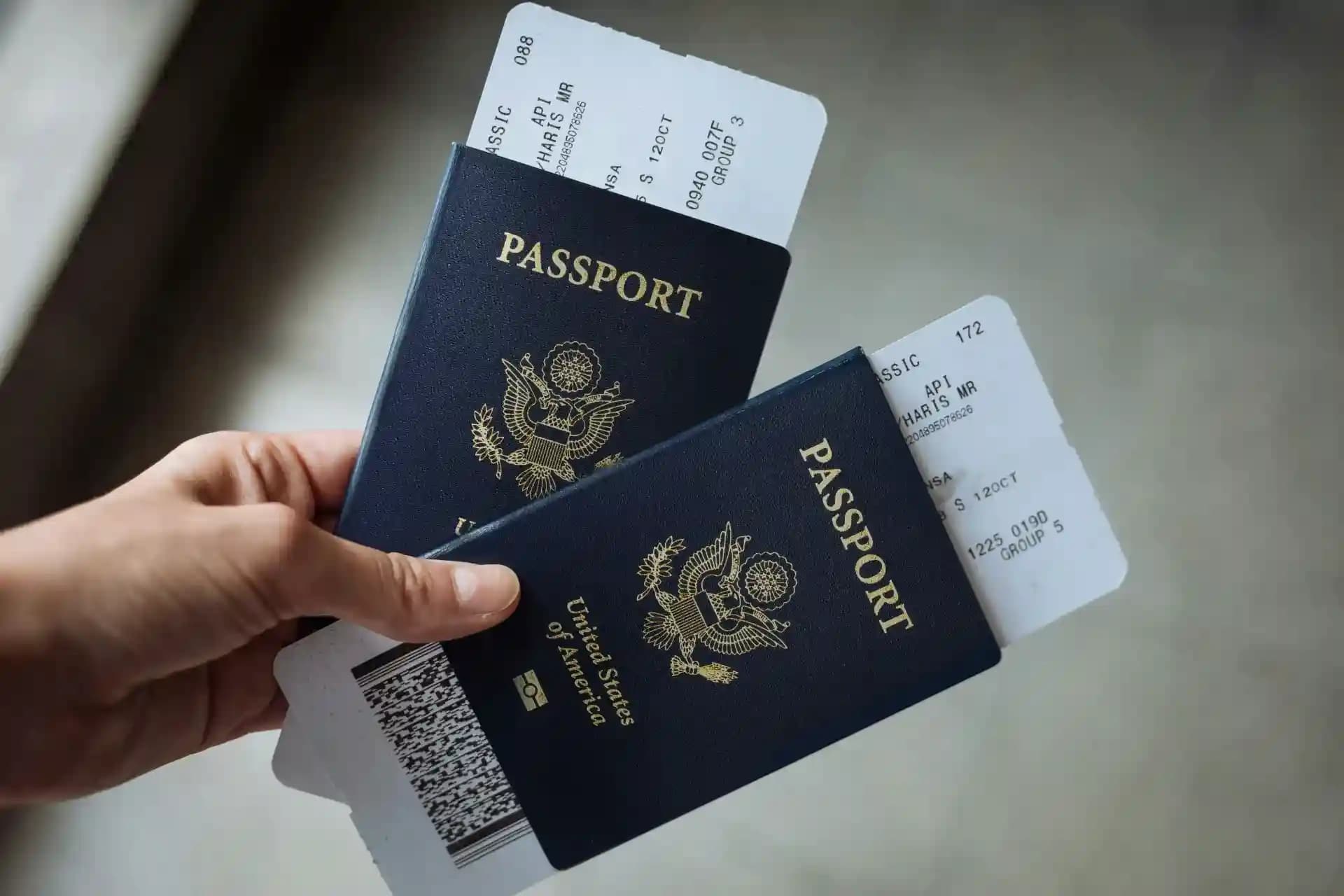
The most effective way of cutting flight cost from India is to book the flight in the right window period. The research reveals that there is some time frame, in this case 6-10 weeks in advance, where the lowest fares seem to be available for international flights from India. Not 3 months. Not 2 weeks. Six to ten weeks.
In the lead up to 10 weeks, airlines haven't begun to discount seats that aren't booking up. They have now identified the routes which are in high demand and begun to hold prices after 6 weeks. The discounts are between these two points.
The window is smaller for domestic flights (3-6 weeks prior to travel). The price of domestic flights being quoted by Indian airlines such as IndiGo, Air India and Vistara is very low just before the flight as they are aware that business travellers will pay any price to be at their destination on time. Don't wait to book or else you will be pressured.
I made my booking, Bangkok 43 days ahead. My colleague took out 11 days. The rest was taken care of by the maths.
You've heard that certain days there's low-cost flying, but do you know why? This is partly correct but when you purchase is more important than when you fly.
Shopping days are Tuesday and Wednesday. Airlines generally make changes to their pricing algorithms and publish sale fares on weekends. Those tinkering by Tuesday morning have been ironed out, and fares are at their lowest level of the week now as a result of the competitive pricing between the airlines. Saturday or Sunday will be the busiest days of the year for booking, and will be the most expensive days of the year to make a booking.
Fly on a Tuesday, Wednesday or Saturday. These are always the cheapest for all international routes from India. The most expensive days are Friday and Sunday. Monday is bad. Thursday is variable.
This is not an assurance, it is a trend. When used over time it does equate to savings.
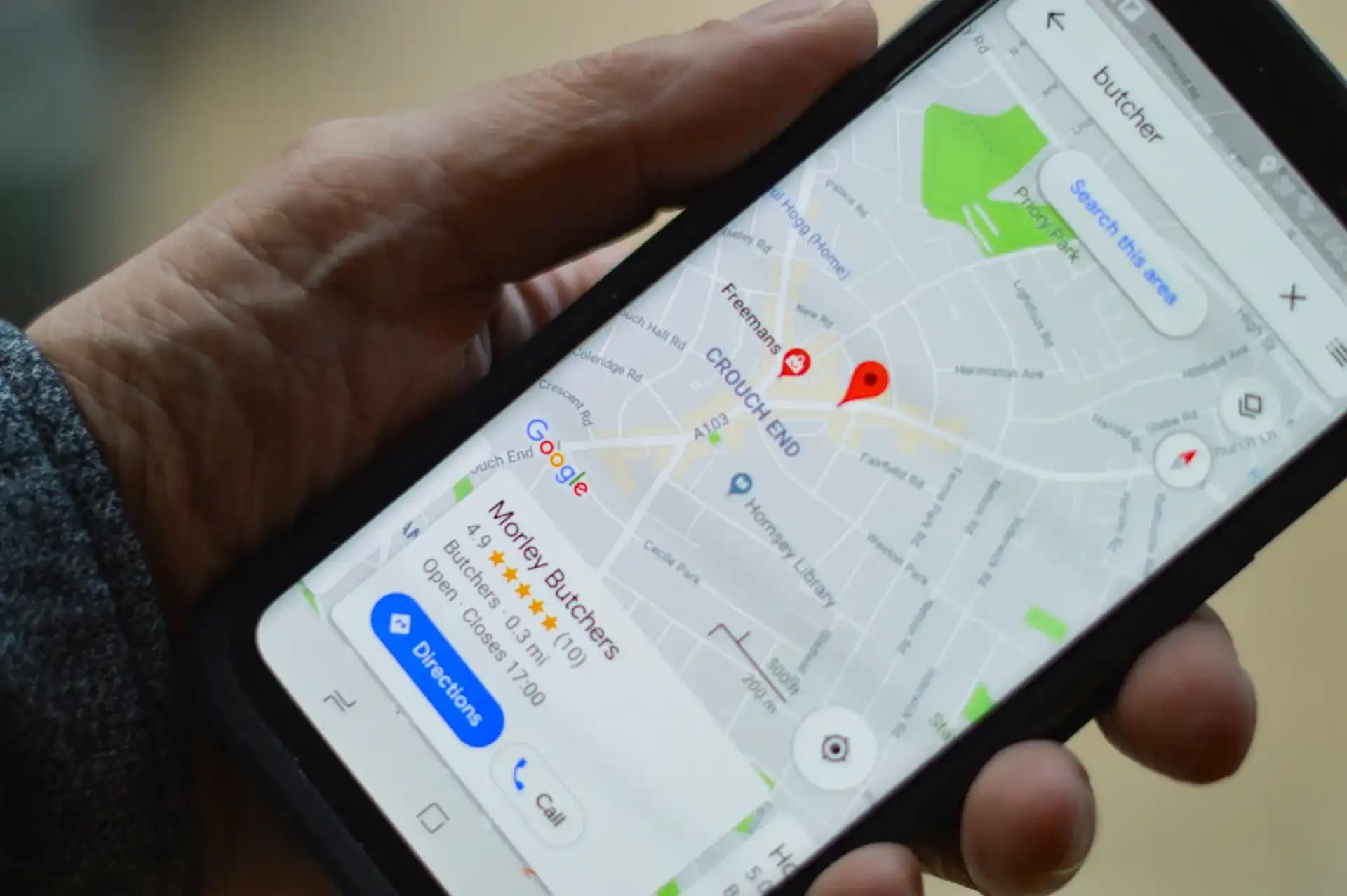
I have tried all the flight search engines from India. Skyscanner, MakeMyTrip, Cleartrip, Kayak, Ixigo, EaseMyTrip. They all are useful for particular routes and for domestic searches. Google Flights is the go-to tool for me when I'm doing international flight research as this is how I use it:
The Price Graph. If you search a route on Google Flights, you can click "View price history" or view the route in the calendar view. Here you can see the price changes that have occurred in the last few months on that route and what the cheapest times to fly are at a glance. I have adjusted the dates of my departures 2 days according to this graph and saved ₹8000 to ₹15000 in just one search.
Flexible Destinations. Use the Explore feature if you know an area but don't know a particular city. By typing "flights from" without specifying the destination, Google maps you the list of places you can fly from and the price you will have to pay. I have taken flights like this before, I got a ticket to Lisbon for ₹42,000, when I was researching my alternatives to a ticket to London for ₹68,000!
Price Alerts. Place an alert for your particular route. Google will send you an email when the price drops or its price goes up. This is the one most underutilized aspect of a flight search and afterwards, it requires no effort after set up.
You have heard that the airlines keep record of your searches, and increase the price of the ticket the second time you look. You've heard that airlines remember your searches and charge more the second time around. But it's not entirely clear. Most big airlines and search engines say that they don't do this. The reality is, there isn't anything to lose using incognito mode since it only takes two seconds and it is still free.
More importantly, cookies and searching from incognito means that you aren't seeing prices that may be "personalised" for you, which could skew the price that you will see. Whether or not the dynamic pricing is real, or based on search histories, beginning clean is free insurance.

Here is the strategy that has saved me the most money across the most trips, and which almost nobody from India uses deliberately. Book to a hub, then separately book onwards.
Example: Flying from Chennai to Paris. A direct Chennai–Paris fare might run ₹75,000–₹90,000 return in economy. But Chennai to Dubai on IndiGo costs ₹18,000 return. Dubai to Paris on Emirates costs ₹42,000 return. Total: ₹60,000 with a deliberate layover in Dubai that you can turn into a free day if you time it right.
This only works when you understand the risk: if your first flight is delayed and you miss the second, you are responsible for rebooking because they are separate tickets. Manage this by leaving at least a 4-hour buffer at the connection point and never doing this on a tight itinerary.
I say this delicately because I am in the travel business and I actually believe in the role of a good travel agent for a complicated itinerary, visa assistance and trip planning. For simple point to point international flights?
After you get your ticket on an airline's search engine, be sure to check their website. OTAs can't match the lowest fares that are often found on the individual airlines' websites, where there may be other incentives, such as free seat selection or flexibility with rebooking. There are direct bookings promotions held by various carriers from time to time, which are not offered on third party platforms like IndiGo, Air India, Emirates, Qatar Airways and Singapore Airlines.
The proper procedure: Check on Google Flights. Identify the lowest cost carrier and/or choice. Then simply log directly on to that airline's website to book.
There's not a formula that it can be applied to every time. If anyone says otherwise, they're selling something!
The key is to be timed, patient and to use the proper tools in the proper order. International 6 weeks or more, domestic 3–6 weeks. Purchase on Tuesdays or Wednesdays. Do research using Google Flights. Create price alerts, and wait! Please review the airline's website before making payment. Take into account layover arbitrage for high cost, long-haul flights.
The difference in the ticket price for the same seat that I paid with my fellow colleague is ₹28,500.
It was no chance. It was process.
Common Questions
Quick, practical answers to the questions travellers ask most about Travel Tips.