
Let's get right to the point - I was already a believer heading into this experiment. With my experience of being in the travel industry for a long time, I was too professional to take anything for granted, including trends, but the talk about AI travel planner had reached a crescendo that I just couldn't ignore. This was being done by tourists arriving with an itinerary generated by ChatGPT. AI-related restaurants recommendation forums were becoming popular with threads on which AI was best at giving restaurant recommendations. One of my employees wanted to make a schedule for her whole honeymoon using prompts.
So I thought I should do it the right way. Ten days in Japan, all mapped out with the help of AI tools: Tokyo, Kyoto and Osaka. No travel agent, no man-made guide book, no directly calling the hotel to inquire about the neighbourhood. Just three AI tools, and a few prompts to make my laptop fan sound like the next room! This is how it went.
The Setup
I have been using three of these tools all along: ChatGPT to build the general itinerary and to research ideas; Claude for editing the detail, to cross check recommendations; and Google's AI Overviews for quick fact-checking. For myself I made a short list: 10 days, solo traveller, I like food and knowing about the neighbourhood, not spending too much, and not visiting theme parks.
I followed all of the AI's recommendations. I wrote down those which were true, those which were very generic, those which were really helpful and those that were not tested by human yet.
Ideal For
Who this guide is written for.
- Travellers curious about using AI to plan trips
- Anyone who has used ChatGPT to plan a Japan itinerary
- First-time Japan travellers researching planning tools
- Digital nomads comparing AI vs human travel planning
What Worked Brilliantly
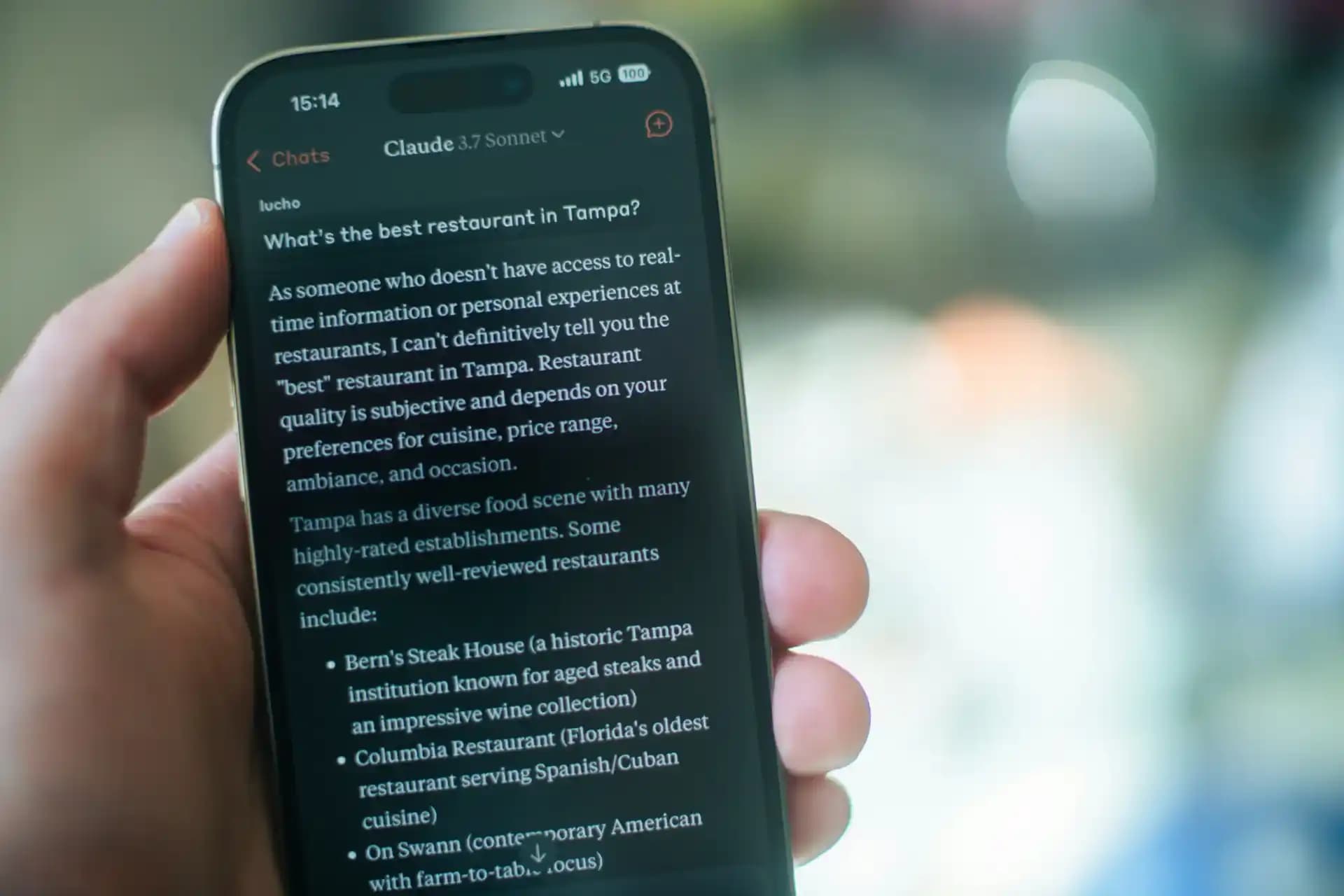
This is where AI is so good and I won't lie. I gave ChatGPT a problem: Make an itinerary of 10 days in Japan which combines the bustling pace of Tokyo with the gentler pace of Kyoto and received a result that I would have been happy to receive from a junior travel agent. The flow was reasonable. The number of travel days made sense. It was right in getting the idea that it was better to arrive in Tokyo and leave from Osaka than to retrace their steps, as I've seen first time travelers do that many times.
It also convinced me by the fact that day four of the Shinkansen train journey from Tokyo to Kyoto took about two hours, fifteen minutes, so there was no morning activity planned in Kyoto that I could reach, just as the afternoon schedule was planned. This sort of "spatial thinking," at scale and in real time is remarkable.
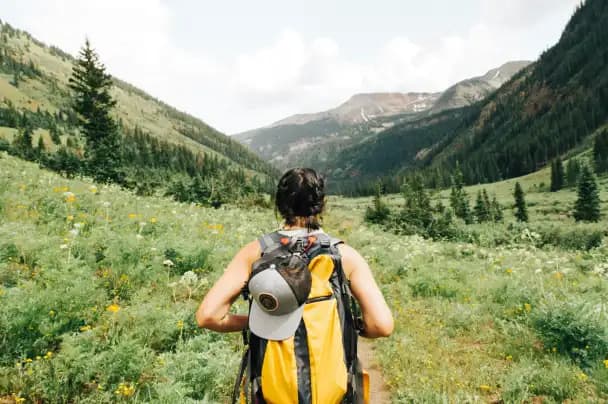
Japan's transport system is very complex. The AI gave me more information about JR Pass eligibility, IC card usage and how the seats are arranged on the Shinkansen trains than most travel blogs I've read have. If I asked further questions about the Arashiyama bamboo grove train, I got a correct response that was specific.
For today's wide range of research gathers, AI eliminates hours of work. It took me an afternoon to cross reference forums and official websites; it took twenty minutes talking.
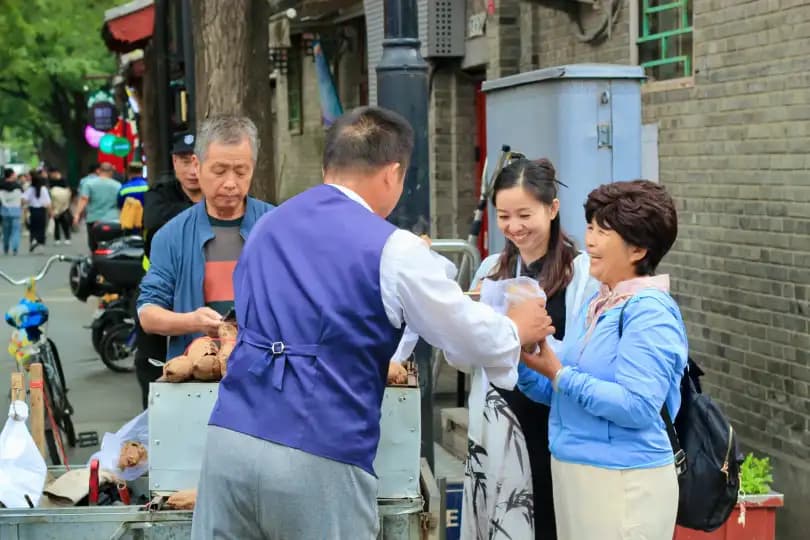
As for choosing a neighbourhood to stay in, when I inquired "which neighbourhood in Tokyo would you suggest a first-time traveller to stay in guesthouse get to local food and good transit?" The AI suggested that Shinjuku would be best for first-timers and that Shimokitazawa would be better for someone who wasn't looking for the touristy spots. It presented the reasons for each to work for different modes of travel. It was not generic. It demonstrated more specificity than I was expecting.
The point where I started making a mistake
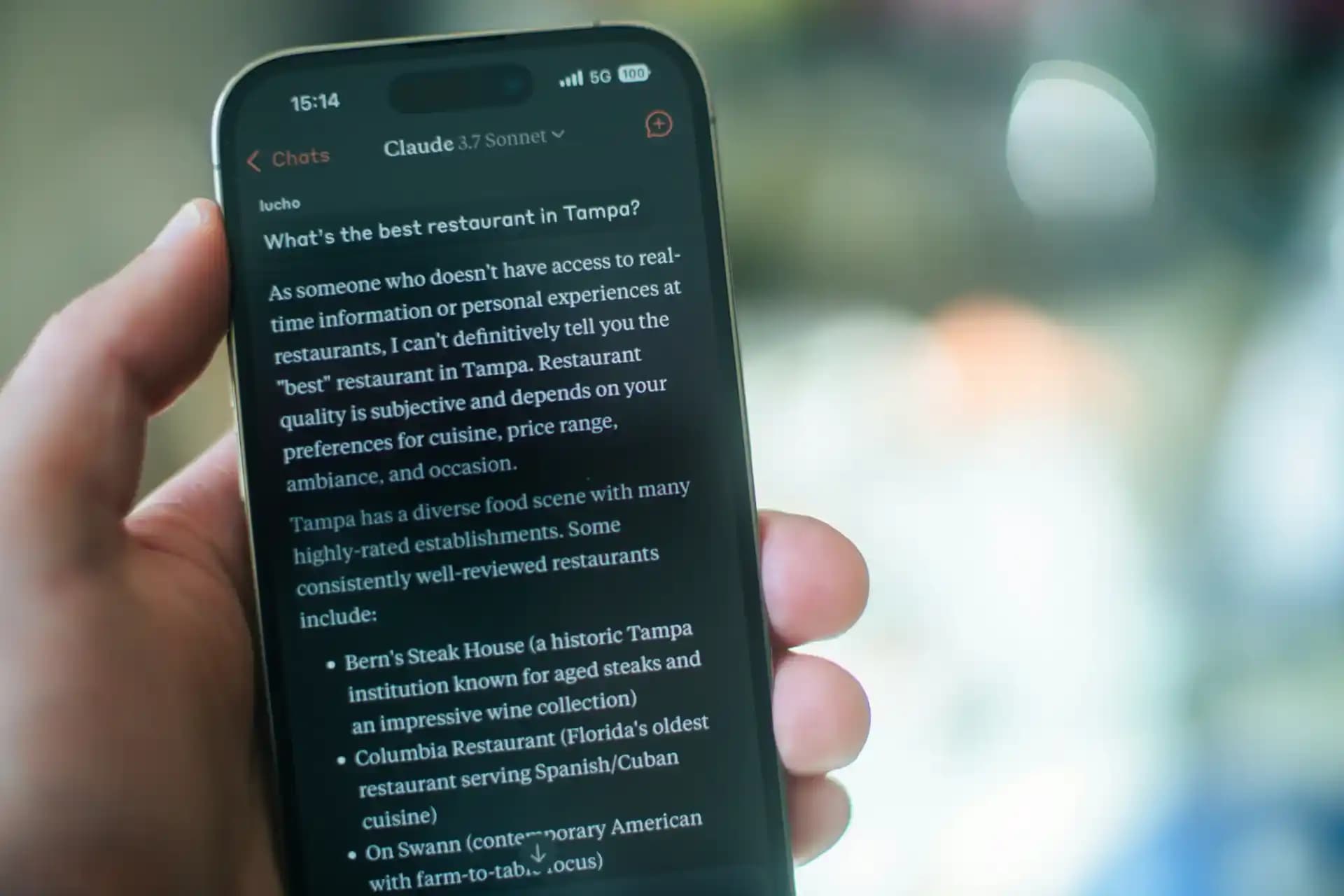
I asked people the 10 best ramen restaurants in Tokyo. The AI provided me with a list of names, approximate locations and descriptions. When I landed, I double checked all ten, against current sources.
Three had closed. Two had moved locations. One had completely transformed its idea, and is now an izakaya. Of the four that were still accurate, one was two hours long, which, the AI said, would be "usually manageable at lunchtime."
The essence of the issue with AI restaurant recommendations is that there's a cutoff point with the training data, and restaurants evolve more quickly than a static data set can follow. The AI wasn't deceiving me, it was giving me the information as it related to a past point in time. However, there was a big difference between the confidence level of the recommendation and the reality.
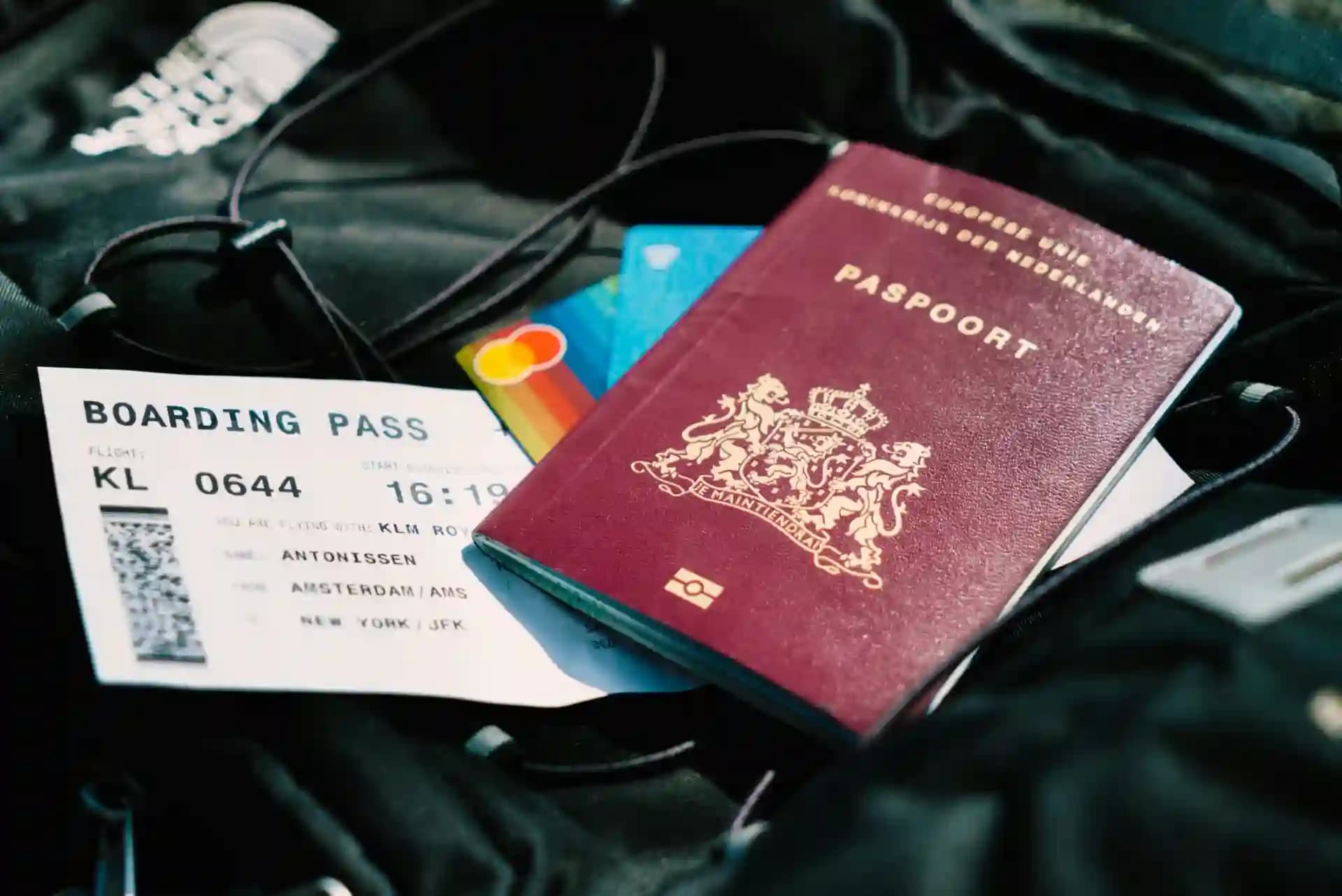
Asked to make reservations for me, for lodging, for the Shinkansen, popular temple entry tickets (which need to be booked in advance) was a clean sweep for the limit. It might tell me that there's no need to book Fushimi Inari, but that Kinkaku-ji requires booking, during busy season. It wasn't able to reserve either.
It might give directions for places to stay in Gion. It couldn't tell me if a particular guest house was available in my dates, its cancellation policy, and if there were any recent problems with the property that I was interested in.
It is a considerable gap for the first traveller who has never ever prepared a journey to Japan before. The AI presents you with a map of all the areas, then pauses at the border.
On my travel window, I asked what were the crowds at the larger temples in Kyoto. The AI provided me with a general direction to take: come early, Mondays and Tuesdays are generally the best, especially in the fall, this was correct, as a 5-year-old guidebook is correct. It didn't let me know that one of the temples it had suggested as "quieter alternatives" was doubling the size of the crowds this week, as part of a festival. That I discovered the night before from one of the locals here. The AI was unable to know.
For practical purposes, what this means is that you shouldn't rely on AI to plan your trips for you.
For practical purposes, what this means is that you shouldn't rely on AI to plan your trips for you. In reality, that translates to: Do not use AI to plan your trip.
The error would be to use AI like a travel agent. It is not a travel agent. A good agent knows it from 3 years, it does not know it from 3 conversations. It has no ties with the hotels. It's not able to dial the restaurant to find out if its special dish that you've requested is still available. It can't tell if a place is a good fit for you like a person who has visited it can.
At present, AI is an amazingly fast and patient research assistant. Will synthesize more information more quickly than anyone, even me, and I do this professionally. Will create structures, flag considerations and surface options that you wouldn't have thought to look for. It will be very useful in the initial planning phases but not eventually for the whole trip.
However, it requires a human touch!
Don't second guess all of the recommendations. However, to confirm the one things that count bookings, restaurants, the timing, the local conditions. To convey the information gained from personal experience or from someone who has experienced it.
The AI generated Japan trip plan was pretty good, after 10 days. When I checked the restaurant list and remembered that there's this festival going on and booked my real hotel, it was a good trip.
In 20 minutes the AI was able to get me 60% of the way there. The other four out of ten were the things that AI is not capable of: Human knowledge, current information and experience-based judgement. At the end AI cannot think as far as humans, the emotions, the feel and the human help fills the 40% of the trip requires human brain and its thinking capacity and that is what Atravelq does.
Common Questions
Quick, practical answers to the questions travellers ask most about Travel Tips.