Complete guide for those who fall for myths and end up doing mistakes
The first solo trip I made was at ₹18,000. It's less, compared to my other trips because I wasn't really aware of these facts, I just kept believing the myths.
Fourteen days. Three cities. Two countries. One overnight train. Foods that have left a lasting impression on me. The flights, hotel, meals, transportation, entrance fees, and even one very good cup of coffee I purchased myself on the final morning, for that I deserve.
I usually get a response of "huh?". Then: "But how?" Then, almost always, I get a response from somebody saying, "I could never afford to travel. But why?? Try it"
I've said it more times than I have heard myself say it. From the people that can spend ₹1500 on a single restaurant dinner without a blink of an eye. Speaking of those who have a streaming subscription but haven't used it for the last 3 months. Six years ago, it was "once things settle down financially" that people were saying they needed to travel. It's not the money that's the issue, typically. The belief is.
Ideal For
Who this guide is written for.
- First-time solo travellers on a tight budget
- Anyone who believes they cannot afford to travel
- Indian travellers planning their first international trip
- Budget-conscious travellers in Southeast Asia or Eastern Europe
The Numbers, Honestly
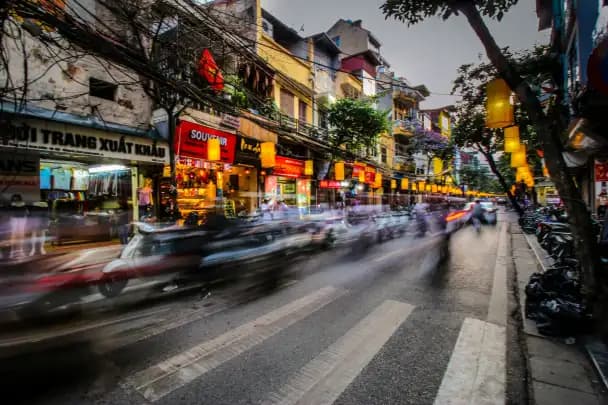
Traveling around Southeast Asia on a budget of ₹2,500 a day is indeed comfortable. This includes entrance to one attraction, 3 meals, private room in a clean guesthouse and local transportation. By doing this, you are spending ₹35,000 on the ground (less than many spend on a domestic weekend in a resort for a two week trip).
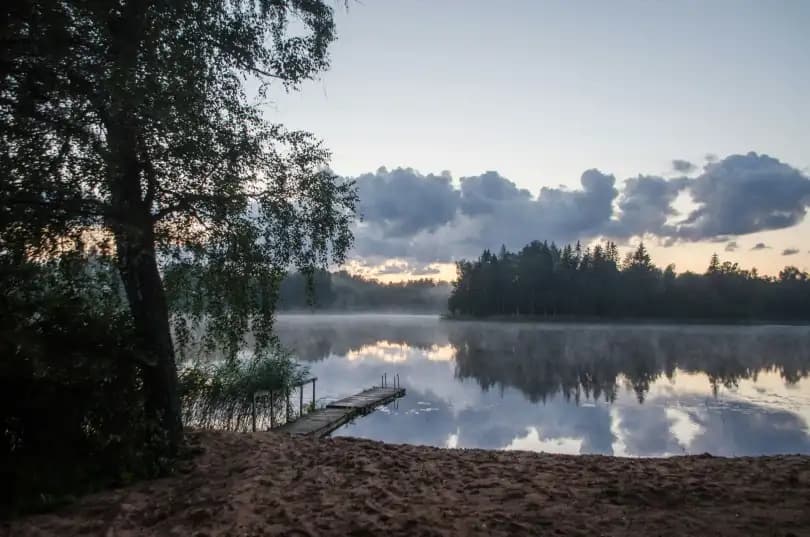
Blessed by good accommodation, real food, interesting cities and no sacrifice at all, Eastern Europe on ₹3,000 to ₹3,500 per day is what you get. All of these are jaw-dropping cities at a fraction the cost of Paris or Amsterdam, Budapest, Krakow, Belgrade and Tbilisi.
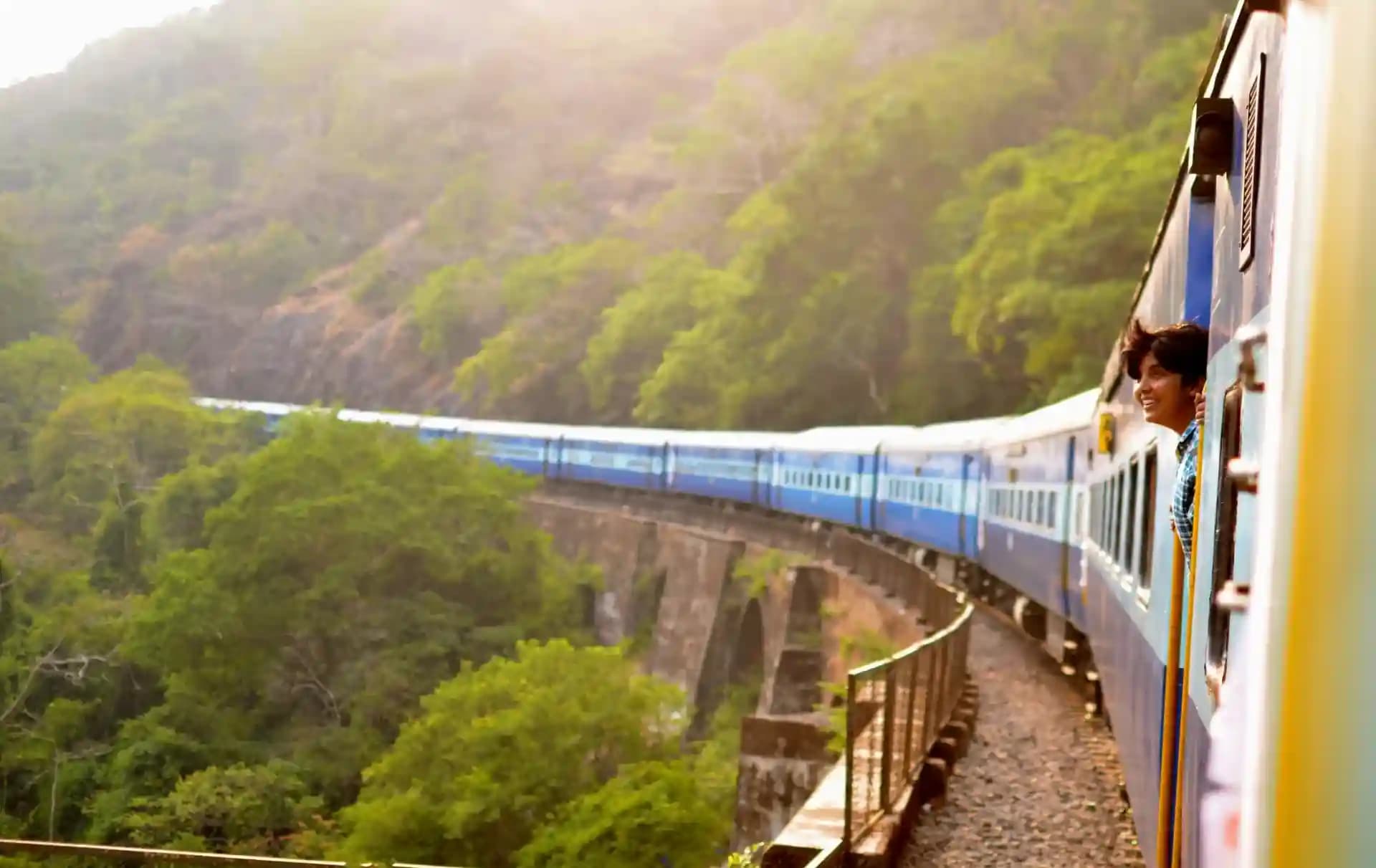
Most Indian travellers skip the idea of booking a holiday in India altogether, when they are preoccupied with taking a vacation abroad, but this can be done really beautifully on ₹1500-2000 per day. These are world class destinations which you have and which cost you nothing. These are world class destinations that are within your country and at your own price.
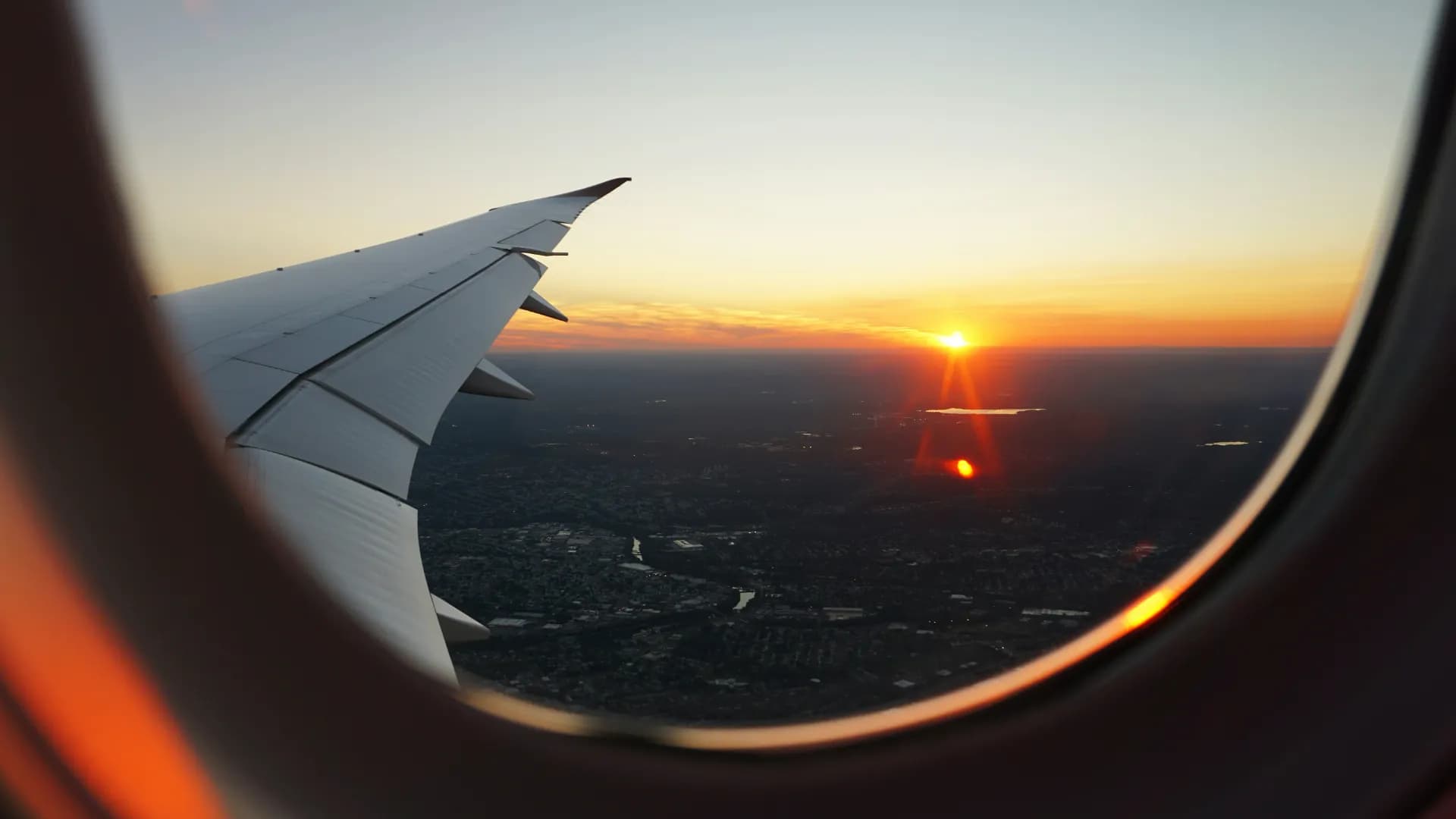
The flight typically is the most expensive cost. If you book your flights with any kind of flexibility and lead time, flights are almost always negotiable.
Where the Myth Comes From
Aspirational is the nature of travel content. The algorithm gives kudos to gorgeous photos, and gorgeous photos are awarded at pricey locations: villas over water, business class flat beds, private sightseeing of ancient ruins at sunrise before the crowds.
If all you see is travel at ₹3,00,000 and which takes a week off which you don't have, then it is not for you, of course. That's not the only type of traveling, though. Even it is not the most common (or widely used) version. It's just the most photographed one.
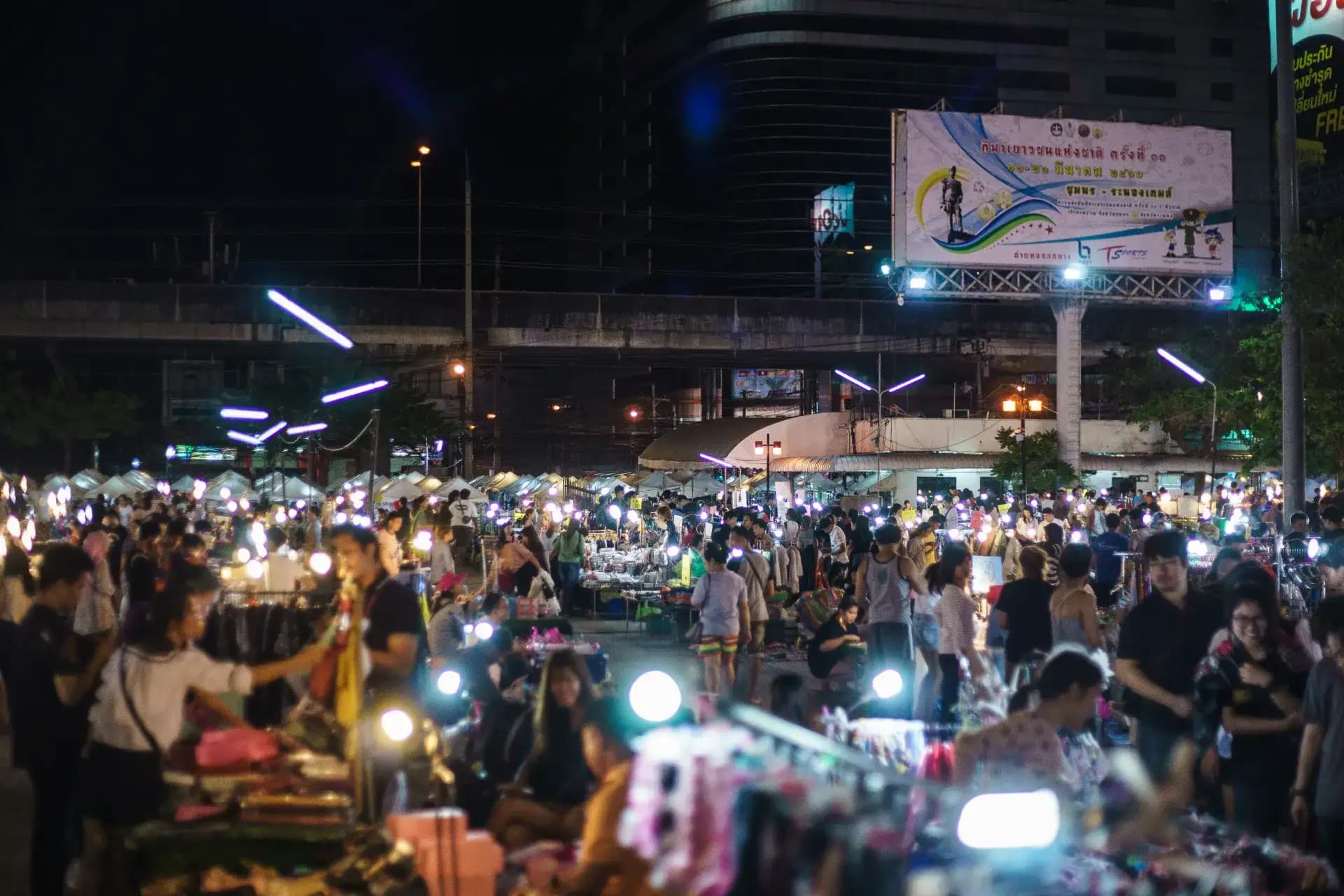
The real India, the India that most travellers experience, is where the guesthouses charge ₹800 per night, and the owner cooks breakfast herself so that the quality of the food is better than the 5-star hotel. It includes overnight trains which are much cheaper than air travel, and take you to your destination without the expense of a night's accommodation. This has to do with the markets that you eat the best meal of the trip for ₹120 and nobody is taking photos of it for Instagram as it doesn't look costly enough.
It's a true story, that version. I have lived it. They experience it every year and millions of people suffer from it. It simply doesn't trend.
The things that actually cost money and how to deal with them.
6-8 weeks in advance for domestic and 3-4 months for international flights. There is a regular difference in price for the Tuesday and Wednesday departures versus Friday and Sunday. By being flexible, one can save ₹4,000 – 8,000 for just a single ticket. Put a price alert on Google Flights and then wait.
Hotels are the most expensive place in which to sleep. Guesthouses, homestays and hostels in private rooms are 40-60% cheaper and often more intriguing. The couple that own the guesthouse are familiar with the neighbourhood. The hotel's concierge is knowledgeable about the hotel.
When traveling, the best advice you can follow is to eat with the locals and when the locals eat. Usually, it is more expensive to order dinner than lunch for the same food at the same restaurant. You don't have to compromise on street food or market food, it's all about them.
Most cities have more activities that are free than one traveller could do in a week. Temples, parks, markets, neighbourhoods, waterfronts and viewpoints, none of these charge for entry fees! The high price city is not the true city.
Living as if you were saving for travel.
I don't intend to tell you to cease and desist from your coffee purchases. This seems condescending and worthless from a math point of view.
I have to tell you that, the majority of people that claim they can't afford to travel have never taken the time to figure out what travel actually costs. They have believed from what they have observed that it seems impossible and have halted.
The exercise to change things is simple. Pick a destination. Find out what the true expenses of airfares, hotel, meals and travel are for the duration of your visit. Record the sum. Subtract the number of months until you leave from that. That's the amount you should save each month.
For the majority of people, that's a lot less than they had envisioned. ₹18,000 for a two-week trip. If you save a year ahead, it will cost you just ₹1,500 per month. It's less than just one night out. Less than the sum of the monthly subscription fees.
The main reason why people don't travel is because they don't have enough money.
I'm going to tell you the truth about something, don't worry, it's a good thing. If you have a stable job, and you're not struggling to pay your bills and have any money left over for travel, then for you, (and for most people who can read this article on their phone) the reason you don't travel is not price. It is permission.
Lifting up the mind from materialism to experience. Permission to take time off of work in a "busy is good" culture. The freedom to go anywhere without a perfect Instagram grid or go somewhere they haven't been or go anywhere without anyone else.
The phrase "I can't afford it!" may be a socially acceptable answer to "I haven't decided to make it a priority yet." That's fine it's not everyone's passion, on every occasion. It should be a real option, rather than an assumption based on an inaccurate myth.
The One thing I want you to take from this is to have the habit of writing down your ideas.
No, don't have to save for years. There's no particular type of employment you need. No need to be young or single or anything really adventurous. You'll need a place to go, an estimated budget, a date and a booking.
All other terms are flexible. Travel is cheaper than ever, the information is more plentiful than ever and the options are more extensive than ever. The travel industry (incidentally, mainly) tells the biggest and most harmful myths to people and the money myth is the biggest and most harmful. It leaves people sitting at home waiting for a financial situation that feels like it's far away, but it's typically closer than one would think.
Thus, on my first trip, when I paid ₹18000, I discovered amidst all the hype about how inaccessible the world is that it can be made easier to navigate. All one has to do is make up the mind to go.
Common Questions
Quick, practical answers to the questions travellers ask most about Travel Tips.