Bhutan travel guide
honeymoon

Uncover Tranquil BhutanTiger's Nest, Dzongs & Tailored Retreats

Himalayan Serenity, Cultural Peace, Mountain Valleys & Scenic Drives

NatureCultureHoneymoonSolo
CurrencyBTN / INR accepted
Plug typeType D / F
VisaNo visa for Indians
LanguagesDzongkha (official), English, Hindi understood near Indian border towns
Area38,394 sq km
Start here

About Bhutan

Bhutan (38,394 sq km, population 800,000) is a landlocked Himalayan kingdom bordered by India and China — the world's only carbon-negative country, with 72% forest cover, constitutional monarchy, and tourism policy designed around quality over quantity.

At a glance

Key Highlights of Bhutan

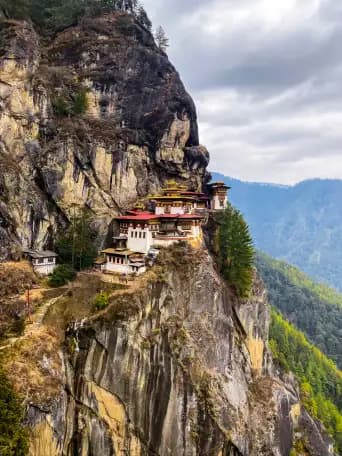
  • Paro TaktsangTiger's Nest MonasteryCliffside monastery at 3,120m above Paro Valley. 2.5-hr hike each way (900m elevation gain). Legend: Guru Rinpoche flew here on a tigress.
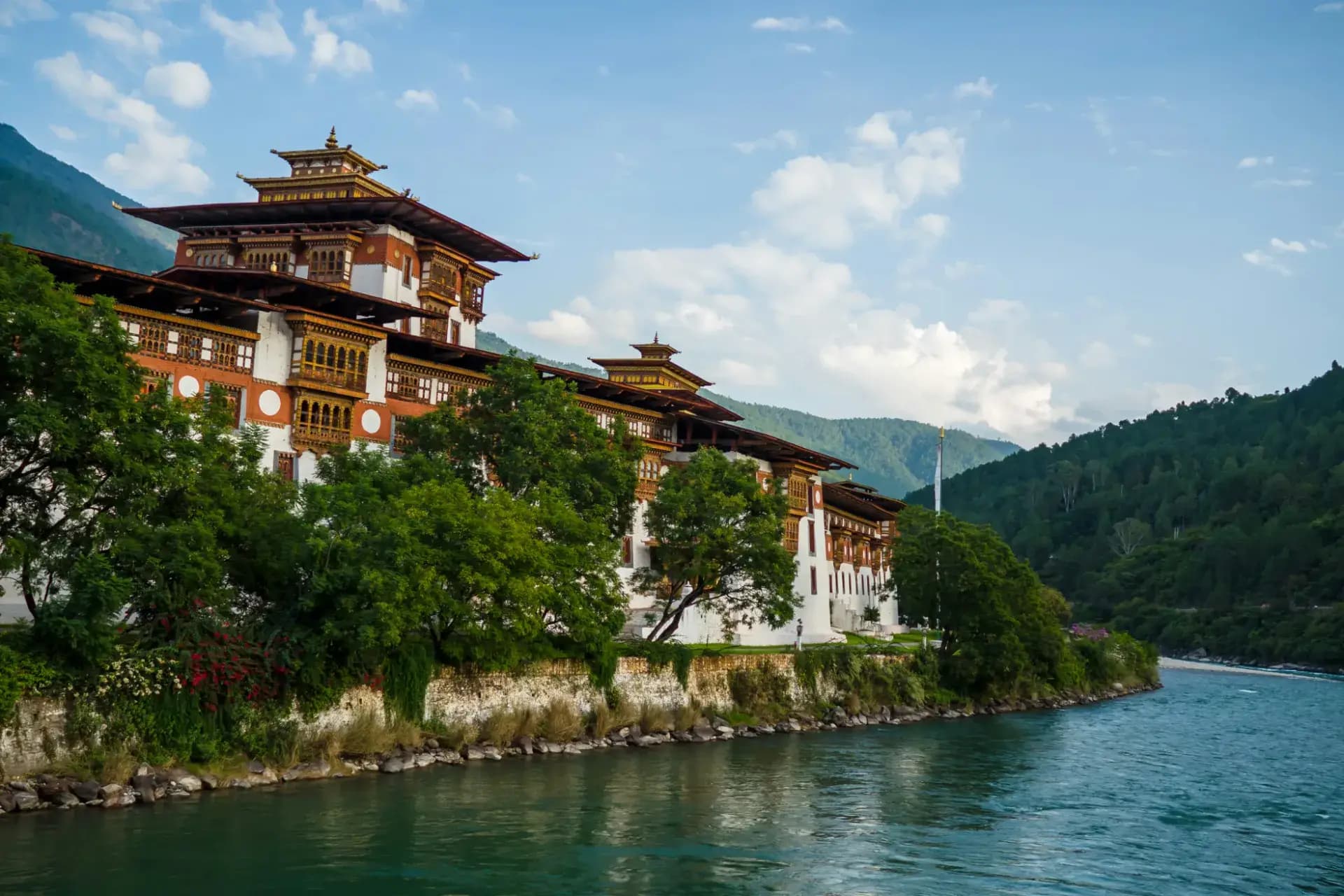
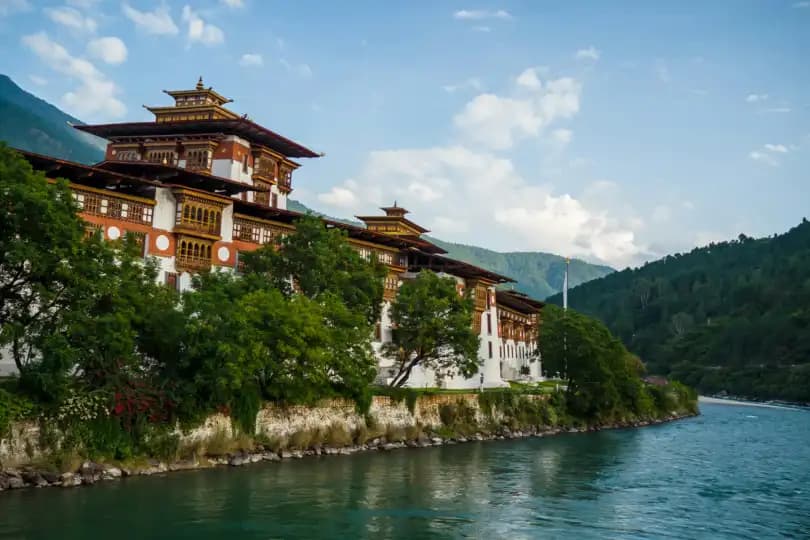
  • Punakha DzongBhutan's Most Beautiful Fortress17th-century dzong at confluence of Mo Chhu + Pho Chhu rivers. In July: monsoon flood waters add drama.
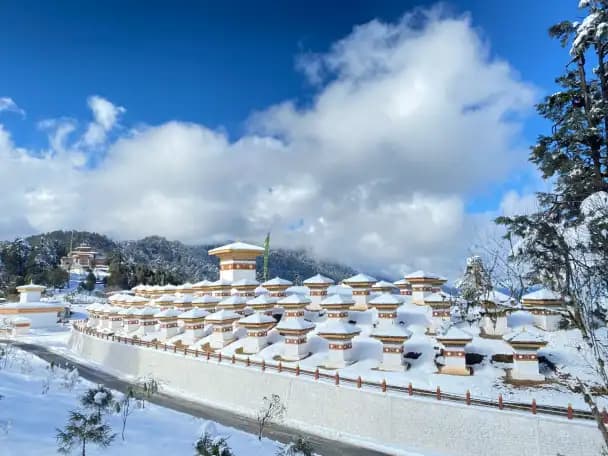
  • Dochula Pass108 Chortens + Himalayan Panorama3,116m pass on Thimphu-Punakha road. 108 chortens by Queen Mother. Clear day: full Himalayan range visible. July: 20-min cloud windows.
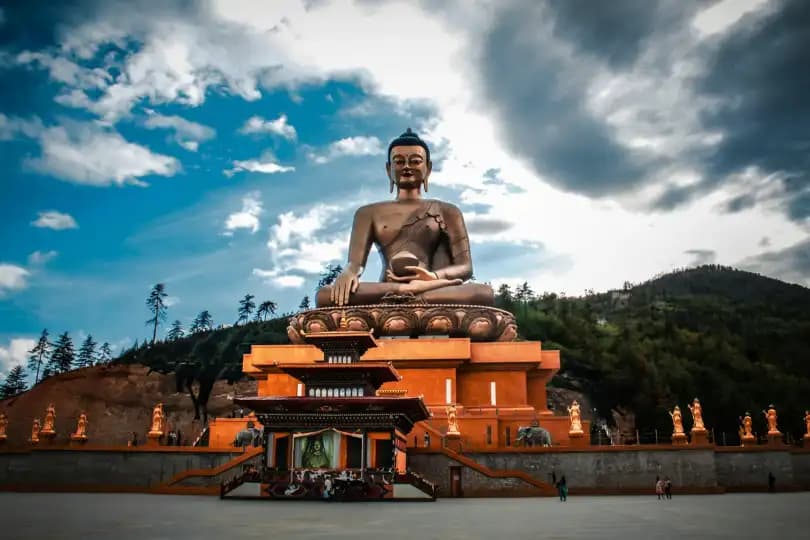
  • ThimphuOnly Capital Without Traffic Lights115,000 people. Buddha Dordenma 51m statue. Tashichho Dzong (seat of government). Motithang Takin Preserve. Weekend market Sat-Sun.
Why visit

Why Visit Bhutan

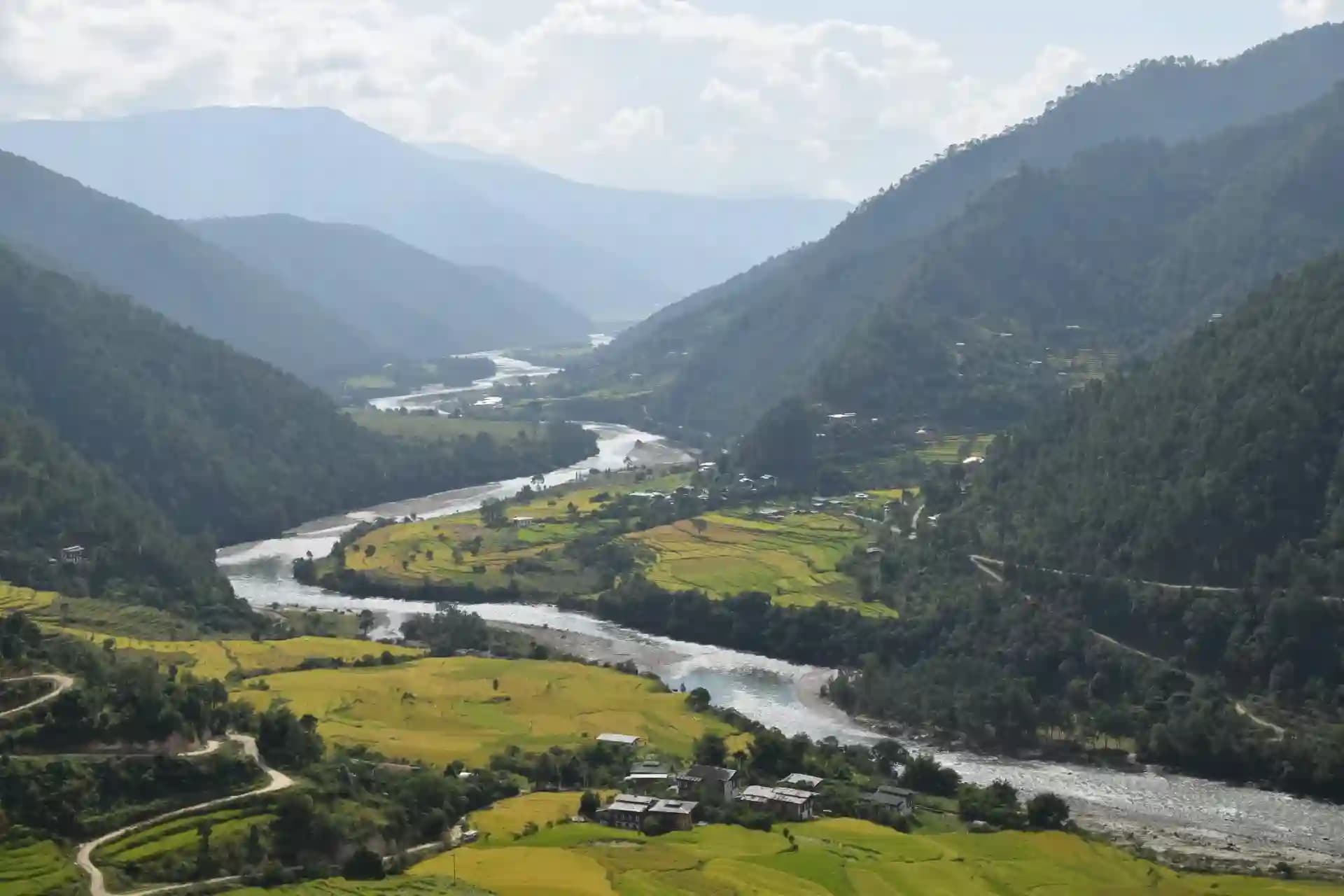
Why Bhutan in July 2026? July is monsoon Bhutan — and the monsoon does something extraordinary to the country: the valleys turn the most intense green visible in the Himalayas, the rhododendron forests are fully leafed, the rivers are in flood and the dzongs at their most dramatic above the water, and the tourist numbers drop to their lowest of the year (25–30% of October peak). The SDF-inclusive package rates are typically 10–15% lower in July. Tiger's Nest in morning mist — before the rain arrives — is the most atmospheric version of that hike.

In July 2023 I hiked Tiger's Nest at 7am — before the afternoon rain. The mist from the night's rain was still in the valley below. The monastery appeared from the mist at the point where the trail turns to face the cliff directly — a sudden revelation. Paro Taktsang in the morning mist of July is the most specifically Bhutanese image I have experienced: it looks exactly like what the legend describes. I sat at the monastery for 45 minutes watching the mist move. By 11am the clouds had returned. By 2pm the rain came. The 7am window in July is the complete Tiger's Nest.

When to go

Best Time to Visit: March-May or September-November (July if You Want it Empty)

When to visit, month by month
  • JanGoodCold + Clear. Snow on passes. Thimphu cold (0–10°C). Punakha Drubchen prep.
  • FebGoodFestival. Punakha Drubchen + Tsechu — most dramatic Bhutan festival. Cold. Book ahead.
  • MarBestTop Pick. Spring beginning. Rhododendrons starting. Paro Tsechu usually this month.
  • AprBestPeak Spring. Rhododendrons peak. Paro Tsechu (dates vary). Busiest spring month.
  • MayGoodGood. Spring late. Warming. Pre-monsoon clarity. Good value.
  • JunGoodMonsoon Start. Rain beginning. Green intensifying. Pre-July deals.
  • JulGoodVikas's Visit. Most intense green. Fewer tourists. Tiger's Nest in mist. Lower rates. Some pass closures.
  • AugGoodMonsoon. Same as July. Haa Valley accessible (usually).
  • SepBestTop Pick. Post-monsoon. Clarity returning. Thimphu Tsechu (late Sep/Oct). Excellent.
  • OctBestPeak Autumn. Best mountain views. Busiest month. Thimphu Tsechu. Book 3+ months ahead.
  • NovBestExcellent. Post-peak. Quieter. Still clear. Good value.
  • DecGoodCold + Clear. Snow possible above 3,000m. Quiet. Low rates.
BestGoodAvoid

Spring — Top Pick · March – May

10–22°C
What to expect

March–April finest — rhododendrons at peak bloom across the Bhutanese forests. Paro Tsechu (the most accessible festival, dates vary by lunar calendar) usually falls in this window. May: spring late, warming, pre-monsoon clarity. Tiger's Nest accessible. Mountain passes clear. Excellent for first-time Bhutan visitors who want the most reliable weather + accessible festival.

Conditions
  • Rhododendrons
  • Paro Tsechu (March/April)
  • Clear mornings

Monsoon — Vikas's Visit · June – August

15–28°C
What to expect

July: most vivid green visible in the Himalayas. Tiger's Nest in mist. 25–30% lower tourist footfall. Some high passes may close temporarily. SDF-inclusive packages typically 10–15% cheaper than October peak. Morning (6am-12pm) typically clear, afternoon rain reliable. Best for: photographers, budget travellers, those wanting the empty-Bhutan experience. Chele La Pass blue poppies bloom mid-June to late July.

Conditions
  • Rain (afternoons)
  • Intensely green
  • Fewer tourists
  • Lower rates

Autumn — Equal Best · September – November

8–22°C
What to expect

October is peak season — finest mountain panoramas (Gangkhar Puensum, Chomolhari group visible from Dochula), Thimphu Tsechu (September/October), busiest month. Book 3+ months ahead. November: post-peak, quieter, still clear, good value. The Himalayan view photographs from this guide are autumn images. Best for: photographers wanting reliable Himalayan vistas + Tsechu festival access.

Conditions
  • Post-monsoon clarity
  • Himalayan views
  • Thimphu Tsechu

Winter · December – February

0–15°C

December–January: cold but clear

What to expect

Punakha Drubchen + Tsechu (February): most dramatic festival in Bhutan, depicting historical battle re-enactment at the dzong. Some high mountain passes closed. Lower rates. Best for: cultural travellers prioritising Punakha Drubchen, photographers wanting clear cold-air Himalayan light, those avoiding crowds.

Conditions
  • Cold
  • Snow on high passes
  • Punakha Drubchen (February)
Specialist Notes
Vikas's Personal Notes

Tiger's Nest: Departed Paro at 6:30 am. Reached the monastery at 9:15 am (2 hours 45 minutes, slower pace). The mist cleared for 30 minutes at 9:30 am — the cliff fully visible, the monastery suspended above the valley. By 11 am: cloud returning. The July Tiger's Nest requires the 7 am start — the weather window is real and brief.


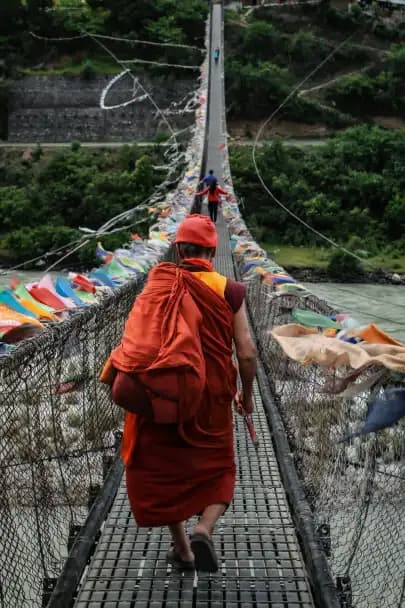
Punakha Dzong: July 2023 — the Mo Chhu River was in full monsoon flood (water level 3m above normal). The dzong rising from the roaring grey-green water at the confluence was more dramatic than any photograph I had seen. The suspension bridge to the dzong entrance — the longest in Bhutan — swayed over the flooded river. The dzong interior was empty of tourists. The monk caretaker and I were the only people inside for 45 minutes.


Haa Valley: July was the right month for Haa — the valley road was passable (some years it is not during the heavy monsoon), the three dzongs were open, and there were no other tourists in the entire valley for the 2 days I spent there. The White Temple (Lhakhang Karpo) at 7 am in morning mist: a single butter lamp visible through the window. Nobody else for 200 metres in any direction.


Where to go

Top 8 Places in Bhutan 2026

Paro Taktsang

Paro Taktsang

Tiger's Nest Monastery

All typesMid-range stays

The monastery is suspended on the cliff face, 3,120m above the valley, 800m below the summit. I had seen hundreds of photographs of this building. None of them captured the specific vertigo of standing in front of it and understanding that humans built this on that cliff in the 17th century. The July morning mist makes Tiger's Nest even more extraordinary — the monastery appears and disappears as the clouds move. Paro Taktsang (Tiger's Nest) is a Buddhist monastery complex built on a sheer granite cliff face — the upper monastery sits 800m above the Paro Valley floor. The 2.5-hour hike (900m elevation gain) passes a viewpoint where the monastery is first visible and a waterfall near the final approach. The monastery contains 8 temples built around the cave where Guru Rinpoche meditated. The cave interior (the holiest space) requires removing shoes and is only accessible by crouching through a narrow passage.

Open Paro Taktsang Guide
Punakha Dzong

Punakha Dzong

The Most Beautiful Fortress in Bhutan

HoneymoonersLuxury stays

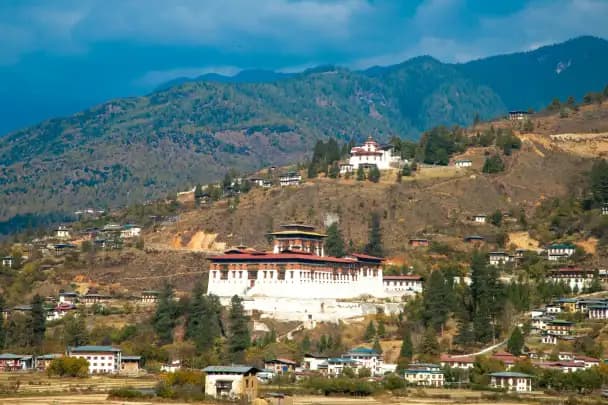
Punakha Dzong in monsoon flood, July 2023. The two rivers at maximum flow — the Mo Chhu and Pho Chhu, both roaring grey-green at the confluence. The dzong above the water, the suspension bridge (the longest in Bhutan at 160m) swaying over the flood. Inside: the interior courtyard, the 17th-century murals, and the caretaker monk who showed me the room where the King and Queen were married (2011). No other tourists for 45 minutes. Punakha Dzong (1637, Zhabdrung Ngawang Namgyal) sits at the confluence of the Mo Chhu and Pho Chhu rivers — this specific geographic position, with the dzong as the prow of a ship between two rivers, is the most photographed architectural image in Bhutan. It served as the capital of Bhutan until 1955 and remains the winter residence of Bhutan's Je Khenpo (Chief Abbot). The interior has the oldest and finest murals in any Bhutanese dzong.

Open Punakha Dzong Guide
Haa Valley

Haa Valley

The Bhutan Nobody Visits

Offbeat seekersBudget stays

Haa Valley in July 2023 — the road from Paro crosses Chele La pass (3,988m, one of the highest motorable passes in Bhutan) before descending to the valley. At the Chele La summit: June-blooming blue poppies (Meconopsis grandis — the national flower of Bhutan, found only above 3,500m) still flowering in the roadside grass. The valley below: three dzongs, traditional farmhouses, yak herders, and in July exactly zero other tourists. Haa Valley (2,670m, 65km from Paro) was opened to tourists only in 2002. The three dzongs (Lhakhang Karpo — the White Temple, Lhakhang Nagpo — the Black Temple, and Haa Dzong) are among the oldest in Bhutan. The valley has no significant tourist infrastructure — a handful of guesthouses, no luxury hotels — and the daily life of a traditional Bhutanese community is visible in a way that Paro and Thimphu no longer provide. July: the valley is at its greenest and emptiest.

Open Haa Valley Guide
Thimphu

Thimphu

The Capital With No Traffic Lights

First-timersMid-range stays

Buddha Dordenma at 6:30 am — the 51m golden Buddha statue on the hilltop above Thimphu, visible from most of the valley. I drove there before the morning traffic (on the single main road from the city centre) and sat in front of the statue as the Thimphu valley emerged below in the July morning mist. The statue contains 125,000 smaller Buddha statues. The scale only registers when a person walks past. Thimphu (115,000 people) is the only Bhutanese city and the capital — simultaneously a functioning government city and a living museum of Bhutanese culture. The Tashichho Dzong (seat of government and Je Khenpo's summer residence — open only in evenings after office hours), Buddha Dordenma (51m, one of the largest Buddha statues in the world), the Motithang Takin Preserve (the takin — Bhutan's national animal, resembling a cross between a goat and a wildebeest — free-roaming in an enclosed forest preserve), and the weekend market (Thimphu Centenary Farmers' Market, Saturday–Sunday — the finest sampling of Bhutanese produce, dried meats, and handicrafts in one place).

Open Thimphu Guide
Dochula Pass

Dochula Pass

108 Chortens on a Himalayan Ridgeline

Dochula Pass in July 2023 — the 108 white chortens in morning mist, the Himalayan range invisible behind cloud. By 8 am the cloud cleared for 20 minutes — the entire eastern Himalayan range visible behind the chortens, from Gangkhar Puensum (4,994m, the world's highest unclimbed peak) to the Chomolhari group. The mist closed again at 8:20 am. July Dochula is a waiting game — the 20-minute Himalayan revelation is the reward. Dochula Pass (3,116m) is on the road between Thimphu and Punakha — a mandatory stop. The 108 Druk Wangyal Chortens were built by the Queen Mother Ashi Dorji Wangmo Wangchuck to commemorate Bhutanese soldiers killed repelling an insurgency from Indian militants in 2003. The Druk Wangyal Lhakhang monastery (built for the 100th birth anniversary of the first King) is one of the finest contemporary monastery buildings in Bhutan. October–November: the most reliable Himalayan panorama window.

Open Dochula Pass Guide
Bumthang

Bumthang

Sacred Valley, Burning Lake

Spiritual seekersMid-range stays

Membartsho (Burning Lake) in Tang Valley, Bumthang. A pool in the Tang River where the terton (treasure revealer) Pema Lingpa is said to have dived into the flames holding a lamp and emerged with hidden religious texts still burning. The pool is sacred — butter lamps are floated on the water by Bhutanese pilgrims. In July 2023: three Bhutanese families were performing a puja (prayer ceremony) at the water's edge when I arrived. The most specifically sacred Bhutan moment of the trip. Bumthang (2,600–3,300m, Chokor Valley + Tang Valley + Ura Valley + Chhume Valley) is the religious and cultural heartland of Bhutan — the oldest continuously inhabited region, with the highest density of sacred sites. Jakar Dzong (the fortress of the White Bird — largest dzong outside Thimphu), Jambay Lhakhang (7th century, one of 108 temples built simultaneously by Songtsen Gampo), Kurjey Lhakhang (three temples built around the rock where Guru Rinpoche's body imprint remains), and Membartsho are the four essential sites. Mistake to Avoid: Rushing Bumthang as a single day from Thimphu. Minimum 2-night stay.

Open Bumthang Guide
Paro Town + National Museum + Rinpung Dzong

Paro Town + National Museum + Rinpung Dzong

All typesMid-range stays

Rinpung Dzong at 8 am — the 15th-century fortress above the Paro River, the wooden covered bridge (Nyamai Zam) below it, the valley farmhouses on the opposite bank. Paro in July morning mist: the dzong reflected in the river when the water is calm before the afternoon rain agitates the surface. The most complete dzong-and-valley composition in Bhutan accessible without trekking. Paro (2,235m) is Bhutan's second city and the site of the international airport — the most architecturally complete traditional Bhutanese town remaining. Rinpung Dzong (1644, administrative and monastic centre of Paro) with its adjacent covered bridge, the National Museum (in the former watchtower above the dzong — the finest collection of Bhutanese art and artefacts, including a complete set of 17th-century thangka paintings), and the Paro town centre (traditional vernacular architecture maintained by heritage regulations) are the three Paro sites beyond Tiger's Nest.

Open Paro Town + National Museum + Rinpung Dzong Guide
Punakha Suspension Bridge + Chimi Lhakhang

Punakha Suspension Bridge + Chimi Lhakhang

HoneymoonersLuxury stays

Chimi Lhakhang (the fertility temple of the Divine Madman) approached through rice fields — the July rice paddies at full green, the temple on a small hillock in the middle of the Punakha farmland, and the walk through the working agricultural landscape with Bhutanese farmers. The temple is dedicated to Drukpa Kunley (the Divine Madman, a 15th-16th century Buddhist master known for unconventional teaching methods involving explicit sexuality — the phallus paintings visible on Bhutanese farmhouse walls throughout Punakha district are his legacy). The most unexpected and, specifically, Bhutanese cultural experience outside the dzongs. Chimi Lhakhang (1499, Punakha Valley) is one of the most visited small temples in Bhutan — the trek through rice fields to reach it is half the experience. Couples seeking children come from across Bhutan to receive a blessing from the resident monk using Drukpa Kunley's wooden phallus-shaped relics. The phallus symbols on the exterior walls are considered protective, not obscene — a specifically Bhutanese cultural expression.

Open Punakha Suspension Bridge + Chimi Lhakhang Guide
Experiences

Best 10 Things to Do in Bhutan 2026

Curated highlights — open any experience for the insider detail that makes it worth doing.

  • 01Wildlife

    Tiger's Nest — 7 am Departure

    Start at 7am from Paro (guide will arrange transport to the trailhead). The 2.5-hour hike in the July morning before the afternoon clouds return. The monastery complex at 9:30am — the cave interior, the 8 temples, and the 10-minute window (on clear days) where the full cliff view opens below you.
    Explore Bhutan travel guide
  • 02Must do

    Punakha Dzong Interior — 90 Minutes

    Allow 90 minutes inside the dzong. Ask your guide to show: the main assembly hall (Tshogchem — 2 floors of 17th-century murals), the interior courtyard (the sacred fig tree is 400 years old), and the jacaranda tree at the entrance (the most photographed tree in Bhutan in April when in bloom).

    Explore Punakha Dzong travel guide
  • 03Must do

    Haa Valley — At Least 2 Nights

    Drive from Paro via Chele La pass to the Haa Valley. Two nights minimum — the White Temple at dawn, the traditional farmhouse lunch with a local family, and the Haa town evening market where Bhutanese food is sold at local prices.

    Explore Haa Valley travel guide
  • 04Must do

    Dochula Pass — Wait for the Himalayan Window

    Stop at Dochula Pass (30km from Thimphu) to see the 108 chortens, and wait for a clear weather window. October–November: reliable panorama. July: 20-minute windows between clouds. Druk Wangyal Lhakhang for 45 minutes, then the viewpoint. Hot tea from the café while waiting for the clouds to part.

    Explore Dochula Pass travel guide
  • 05Must do

    Motithang Takin Preserve — Bhutan's National Animal

    The takin (Budorcas taxicolor whitei — the national animal of Bhutan, an ungulate that appears to be a yak-goat hybrid) in the Motithang Mini Zoo above Thimphu. The takin is simultaneously a real animal and a mythological creation (legend: Drukpa Kunley assembled a cow's head and a goat's body). A small herd in a forested enclosure — the most unusual large mammal in South Asia.

    Explore Bhutan travel guide
  • 06

    Bhutanese Thangka Painting — Workshop Visit

    A licensed Bhutanese tour operator can arrange a visit to the National Institute for Zorig Chusum (Thimphu) — the school of traditional Bhutanese arts where students learn the 13 traditional crafts over a 4–6 year programme. Thangka painting, weaving, sculpture, and woodcarving are all visible in practice. Free to observe with your guide.
    Explore Bhutan travel guide
  • 07Must do

    Ema Datshi — The National Dish

    Ema datshi (chilli and cheese stew — literally "chilli" + "cheese") is Bhutan's national dish and the staple of every Bhutanese meal. Chunks of fresh or dried red and green chillies in a soft white cheese sauce, served with red rice (indigenous to Bhutan). Available at every restaurant in the country. The specific heat level of Bhutanese chilli (substantially hotter than most Indian chillies) is calibrated for local tolerance — request "less spicy" (kemi ema datshi) if needed.

    Explore Bhutan travel guide
  • 08Must do

    Membartsho (Burning Lake) — Tang Valley, Bumthang

    The sacred pool in the Tang River, where butter lamps are floated by Bhutanese pilgrims. The 5-minute boat ride to the middle of the pool gives a view of the cliff face where the treasure texts were concealed. July: the Tang River is in moderate flood, and the landscape around the lake is intensely green.

    Explore Bumthang travel guide
  • 09Wellness

    Hot Stone Bath — Traditional Bhutanese Spa

    The traditional Bhutanese hot stone bath (menchu) — river stones heated in a fire, then lowered into a wooden bathtub to heat the water. Medicinal plants (artemisia, lemon grass, blue pine, and others) are added to the water.

    Explore Bhutan travel guide
  • 10Must do

    Chele La Pass — Bhutan's Highest Motorable Road

    The Chele La Pass (3,988m) on the Paro–Haa road is one of the highest motorable mountain passes in Bhutan. In June–July: blue poppies (Meconopsis grandis — the rare Himalayan blue poppy, Bhutan's national flower) bloom in roadside patches above 3,500m. In October–November: rhododendron forests turning colour, the Himalayan panorama (Chomolhari, Jichu Drake) visible on clear days.
    Explore Bhutan travel guide
Sample plans

Three Itinerary Options — 5/8/12 Days

See how each route grows as you add days — from a focused highlights trip to the full journey.

    1. Day 1
      Arrive Paro
      Rinpung Dzong + National Museum · Paro town walk · Hot stone bath.
    2. Day 2
      Tiger's Nest
      7am departure · Summit 9:30am · Return afternoon · Paro evening.
    3. Day 3
      Paro → Thimphu (via Dochula)
      Dochula Pass 108 chortens · Buddha Dordenma · Thimphu market.
    4. Day 4
      Thimphu → Punakha
      Tashichho Dzong · Drive Punakha · Dzong + suspension bridge + Chimi Lhakhang.
    5. Day 5
      Return Paro + Depart
      Drive back Punakha → Paro · Airport departure.
    1. Day 1
      Arrive Paro
      Rinpung Dzong + National Museum · Paro town.
    2. Day 2
      Tiger's Nest
      7am hike · Summit · Return · Hot stone bath evening.
    3. Day 3
      Chele La + Haa Valley
      Chele La pass (blue poppies July) · Haa Valley arrival · White Temple.
    4. Day 4
      Haa Valley
      Black Temple · Traditional farmhouse lunch · Valley walk · Overnight.
    5. Day 5
      Haa → Thimphu
      Drive via Chele La (clear morning view) · Buddha Dordenma · Takin.
    6. Day 6
      Thimphu
      Tashichho Dzong evening · Weekend market (if Sat/Sun) · Zorig Chusum.
    7. Day 7
      Punakha
      Dochula Pass · Punakha Dzong · Suspension bridge · Chimi Lhakhang.
    8. Day 8
      Return Paro + Depart
      Morning drive · Departure.
    1. Day 1
      Paro
      Rinpung Dzong + National Museum + Paro town walk.
    2. Day 2
      Paro — Tiger's Nest
      7am hike to Tiger's Nest · Summit + cave · Return.
    3. Day 3
      Chele La + Haa Valley
      Blue poppies + White + Black Temples.
    4. Day 4
      Haa → Thimphu
      Chele La return + Thimphu afternoon.
    5. Day 5
      Thimphu
      Buddha Dordenma + Tashichho Dzong + Takin + Market.
    6. Day 6
      Punakha
      Dochula + Punakha Dzong + Chimi Lhakhang.
    7. Day 7
      Punakha → Bumthang (6 hrs via Pelela Pass)
      Pelela Pass 3,390m · Arrive Bumthang.
    8. Day 8
      Bumthang Chokor Valley
      Jakar Dzong + Jambay Lhakhang + Kurjey Lhakhang.
    9. Day 9
      Tang Valley
      Membartsho (Burning Lake) + Ogyen Choling Palace Museum.
    10. Day 10
      Ura Valley
      Ura Village (most intact traditional village in Bhutan) · Ura Festival (if timing aligns).
    11. Day 11
      Return toward Paro
      Scenic drive via Trongsa Dzong (one of the finest dzongs in central Bhutan).
    12. Day 12
      Paro + Departure
      Morning Paro market · Airport.
Where to stay

Where to Stay: Key Zones

Choose the base before you choose the hotel — on a multi-region trip the area you pick shapes your days more than an extra star on the hotel does.

Paro

Mid-range
Best for first-timers

All types · Tiger's Nest base · First-timers · Airport town · Most architecturally complete traditional Bhutanese town · Fine hotels and luxury lodges available · Heritage architecture maintained by regulation

Recommended stays
  • Amankora Paro
  • Uma Paro by COMO
  • Zhiwa Ling Heritage
  • Le Meridien Paro
  • COMO Uma Paro
  • Tashi Namgay Resort
  • Hotel Olathang
Thimphu

Mid-range
Best for first-timers

First-timers · Families · Culture seekers ·

Recommended stays
  • Amankora Thimphu
  • Taj Tashi Thimphu
  • Le Meridien Thimphu
  • Hotel Pedling
  • Hotel Druk Thimphu
  • Hotel Migmar (budget)

Punakha

Luxury
Best for couples

Honeymooners · Couples · Luxury seekers · Valley farmhouses

Recommended stays
  • Amankora Punakha (riverside, traditional dzong-style)
  • Uma Punakha by COMO
  • Six Senses Punakha
  • RKPO Green Resort
  • Punakha Pemako Resort
  • Hotel Vara (budget)

Haa Valley

Budget
Best for photographers

Offbeat seekers · Photographers · Nature lovers · Guesthouses + farmstays only

Recommended stays
  • Haa Valley homestay programme₹2,000–₹4,000/night
  • Risum Resort Haa (best heritage option)
  • Lhayul Hotel
  • Soednam Zingkha Heritage Lodge

Bumthang
Mid-range
Best for history and heritage

Spiritual seekers · History lovers · Photographers

Recommended stays
  • Amankora Bumthang
  • Six Senses Bumthang
  • Yangphel Bumthang Lodge
  • Swiss Guesthouse (the original Swiss-run farm lodge)
  • Mountain Resort Bumthang
  • Hotel Wangdicholing (budget)
Budget & trip costs · INR (2026)

4-Tier Daily Cost (Per Person · INR · Including SDF · Excluding Flights)

Estimate your daily spend across four travel styles — per person, in Indian rupees, covering accommodation, food, local transport and activities. International flights are not included.

  1. Budget

    Smart saver
    Money-saving travel

    ₹5,000 – ₹8,000 (incl SDF) / day

    Stay
    SDF + guesthouse,Basic Bhutanese family-run lodges · Shared bathroom common in Haa Valley + Bumthang remote areas
    Food
    Local Bhutanese restaurants
    Transit
    Shared cab + walking + tour operator's basic vehicle.
  2. Premium

    Upgraded comfort
    More space, better locations

    ₹20,000 – ₹35,000 (incl SDF) / day

    Stay
    SDF + boutique hotel, Zhiwa Ling Heritage (Paro), Le Meridien Thimphu/Paro, Six Senses Bhutan circuit (Paro/Thimphu/Punakha/Gangtey/Bumthang)
    Food
    Hotel fine dining + traditional Bhutanese tasting menus + farmhouse experiences with cultural performances + Bumthang Swiss farm wine tasting.
    Transit
    Private SUV + experienced senior guide + dedicated driver. Helicopter transfers Paro-Bumthang available.

    NotePremium tier unlocks Six Senses Bhutan circuit (the most ambitious luxury lodge concept in Bhutan with 5 properties across the western and central circuit) + experienced cultural guides who unlock private dzong access.

  3. Luxury

    Ultra-luxury
    Top-end everything

    ₹60,000 – ₹2,00,000+ (incl SDF) / day

    Stay
    Amankora Bhutan (5 lodges: Paro, Thimphu, Punakha, Gangtey, Bumthang — the Aman flagship in the Himalayas, ₹80,000–₹2,00,000/night), Uma by COMO Punakha + Paro , Taj Tashi Thimphu
    Food
    Private chef dining at Amankora + Six Senses · Wine pairing with Bhutanese specialities · In-villa dining with traditional Bhutanese musicians.
    Transit
    Private SUV + helicopter circuit (Paro → Bumthang via helicopter saves 6 hours) · Personal cultural curator (not just guide) · Dedicated photographer arrangement.

    NoteBhutan's luxury tier is the most exclusive in the Himalayas. Amankora's 5-lodge circuit is designed for connecting 8–12 nights — the Aman brand at its most ambitious. Six Senses Bhutan is the newer luxury circuit. Both book out 6+ months ahead.

Visa + SDF Guide
Bhutan Entry — Permit & SDF Guide for Indians 2026

Quick Answer — What Do Indians Need for Bhutan? No visa. Entry Permit (free, issued on arrival at Paro Airport or land borders with valid photo ID). SDF of ₹1,200/person/night is mandatory — paid through a licensed Bhutanese tour operator when booking your package. Booking through a licensed Bhutanese tour operator is required for Indian tourists beyond the border towns.

Complete Entry Requirements

RequirementDetails
VisaNo visa for Indian passport holders
Entry PermitFree · Issued at Paro Airport, Phuentsholing, Gelephu, or Samdrup Jongkhar · Requires valid Aadhaar card + 2 passport photos OR Indian Passport
SDF (Sustainable Development Fee)₹1,200/person/night (Indian/Bangladeshi/Maldivian nationals) · Paid in advance through licensed Bhutanese tour operator · Non-refundable
Licensed Tour OperatorAll Indian tourists beyond border towns must engage a licensed Bhutanese tour operator · The operator arranges permits, SDF payment, accommodation, and guide
Restricted Area PermitAdditional permit needed for Haa Valley, Bumthang, Laya-Gasa, and trekking routes · Arranged by tour operator at ₹500/person/area
Tour GuideLicensed Bhutanese guide mandatory for all tourism activities (included in tour operator packages)

SDF Cost Calculation (Indians, 2026)

DurationSDF Cost/Person
5 nights₹6,000
7 nights₹8,400
10 nights₹12,000
Per day addition₹1,200

Source: tourism.gov.bt official · BTWVisas May 2026

Note: The SDF was revised in September 2022 — previously Indians paid a lower "Regional SDF." The current rate is ₹1,200/person/night. Verify at tourism.gov.bt for any 2026 rate changes before booking.

Tiger's Nest Hike Guide
Tiger's Nest (Paro Taktsang) Complete Hike Guide

Tiger's Nest (Paro Taktsang) is the defining Bhutan experience. The hike is moderate but the early start, altitude, and final approach all require preparation.

Hike Profile

  • Trailhead altitude: 2,450m
  • Monastery altitude: 3,120m
  • Elevation gain: 900m
  • Distance one-way: 4 km
  • Time up: 2.5 hours (slower pace 3 hours)
  • Time down: 2 hours
  • Cafeteria: Halfway up (mandatory rest point — first view of monastery from here)

July Strategy

  • Departure from Paro hotel: 6:30am
  • Trailhead start: 7:00am
  • Monastery arrival: 9:30am
  • Window for clear views: 9:30–10:30am (mist intermittent, clears for 20–30 minute windows)
  • Return to trailhead: 12:30pm
  • Why 7am matters: Afternoon clouds + rain reliable by 1–2pm in July. The window is morning only.

What to Carry

  • Water (1.5–2 L per person)
  • Light snacks (cafeteria has tea + biscuits 200–400 BTN)
  • Light rain jacket (July essential)
  • Walking stick (rentable at trailhead for 50 BTN)
  • Comfortable hiking shoes (no flip-flops)
  • Cash for entry (1,000 BTN) + cafeteria + horse (if needed)
  • Camera (no flash photography inside monastery)

Horse Option

Horses available for the first section (trailhead to cafeteria, 1.5 hours) at 600 BTN (≈ ₹600) one way. Useful for those struggling with altitude or general fitness. Horses are NOT available for the second section (cafeteria to monastery) — the final approach must be walked. The horse saves 60% of the elevation gain.

The Final Approach

The final 30 minutes from cafeteria involves: descent into a waterfall gorge (700+ stone steps down), crossing the waterfall on a wooden bridge (300m above the valley floor visible directly below — the most vertigo-inducing section), then ascent back up to the monastery entrance. The bridge is safe and maintained. Hold the rope railing. The reward is the monastery at the end.

Inside the Monastery

Photography NOT permitted inside the monastery (cameras + phones held at entrance). The cave where Guru Rinpoche meditated (the holiest space) requires removing shoes and crouching through a narrow passage. 8 temples within the complex. Allow 45 minutes to 1 hour at the monastery.

Getting There & Around

How to Reach Bhutan and Getting Around

Flight connections from the major Indian hubs, then how to move around once you land — fares, journey times and what to book ahead.

Flights from India

  • Delhi → Paro

    2.5 hrs
    Airlines
    Druk Air (Royal Bhutan Airlines ), Bhutan Airlines

    NoteParo Airport (2,235m) is one of the world's most challenging — only 8 certified pilots can land here

  • Mumbai → Paro

    1 stop · 4–5 hrs
    Airlines
    Druk Air (via Kolkata/Delhi usually)
  • Kolkata → Paro

    Direct · 1.5 hrs
    Airlines
    Druk Air, Bhutan Airlines

    NoteShortest direct India route

Getting around Bhutan

  • Local transport

    Bagdogra → Paro

    Druk Air (seasonal). 45 min. Useful for Northeast India travellers

  • Local transport

    Land entry — Phuentsholing

    From Siliguri/Bagdogra (3 hrs). Most popular land entry. Busy border. Phuentsholing-Thimphu road 5 hours through dramatic Chhukha canyon. Budget alternative to Paro direct flights

  • Local transport

    Land entry — Gelephu

    From Assam/Northeast India. Less crowded. Good for Bumthang entry

  • Local transport

    Land entry — Samdrup Jongkhar

    From Assam. Eastern entry, closest to Bumthang. Useful for eastern circuit travellers

  • Car hire

    Private car + driver (within Bhutan)

    Arranged by Bhutanese tour operator. Only practical mode for inter-valley travel. Toyota Hilux or similar

  • Taxi & rideshare

    Shared taxis (within Thimphu)

    Available at taxi stands. Bhutanese taxi drivers speak some Hindi/English

  • Local transport

    Walking

    Free. Most dzong and monastery exploration is on foot. Tiger's Nest 2.5 hours each way on foot. Paro town centre and Thimphu Old Town are entirely walkable

Good to know

11 Travel Tips

Practical local advice — money habits, safety rules and the small planning choices that materially change how the trip goes.

  • Money

    5 tips
    No visa for Indians · Entry Permit FREE at Paro Airport or land border with valid Aadhaar + 2 passport photos OR Indian Passport. Carry both for backup.
    SDF ₹1,200/person/night MANDATORY · Paid through licensed Bhutanese tour operator · Non-refundable · Budget upfront (7 nights = ₹8,400/person minimum). The SDF funds Bhutan's free education + healthcare + environmental conservation.
    1 BTN = 1 INR (pegged) · Indian Rupees accepted everywhere · No forex needed · Carry INR 500 + INR 200 notes (₹2,000 notes not always accepted at smaller establishments).
    Restricted Area Permit ₹500/person for Haa Valley, Bumthang, trekking routes — book simultaneously with main permit through tour operator.
    July pricing 10-15% cheaper than October peak. SDF stays fixed but accommodation rates drop. Druk Air tickets best booked through tour operator for combined air-ground packages.
  • Safety

    3 tips
    Bhutan is extremely safe — consistently among world's lowest crime-rate countries. Standard precautions only. July road safety: some mountain roads have landslide risk in heavy monsoon — guide + driver monitor conditions and advise on alternates.
    Altitude: Paro 2,235m · Thimphu 2,334m · Punakha 1,200m · Bumthang 2,600m · Tiger's Nest summit 3,120m. Mild altitude effects possible — hydrate, rest on Day 1, ascend slowly. Travel insurance with medical evacuation recommended (helicopter rescue ₹2L–₹5L without coverage).
    Tiger's Nest trail: final section involves a steep descent + re-ascent over a waterfall gorge — wooden bridge is 300m above the valley floor. Bridge is safe and maintained. Take slowly and hold the rope railing.
  • Etiquette

    2 tips
    Clockwise always: walk clockwise around all chortens, mani walls, and monastery circumambulation paths — the fundamental rule of Himalayan Buddhist sites. Remove shoes inside all temples + dzong prayer halls. Also remove hats on entering.
    Dress modestly at religious sites — covered shoulders and knees at all temples and dzongs. Photography inside prayer halls generally not permitted during active ceremonies — ask your guide before raising camera. Bhutanese national dress (gho/kira) available for rent at some hotels and is appreciated.
  • Scams and Pitfalls

    1 tip
    Unlicensed "guides" at Paro Airport offering independent tours without SDF payment — independent tourism not permitted, SDF non-negotiable. Ensure tour operator provides official SDF receipt. October peak booking failure: most common Bhutan planning mistake — accommodation fills 3+ months ahead. Book early or choose July.
About the Author

The specialist behind this guide

Vikas RanaVikas RanaDestination Planner · India Specialist, Atravelq (12+ years)
Verified expert
  • 12 years planning experience
  • 477 itineraries designed
  • 4.5 rating from 417 reviews
Honest review

What’s Genuinely Worth It in Bhutan — and What’s Overrated

An unfiltered assessment of what delivers on its reputation, and what to skip or swap for better value.

  • Tiger's Nest 7am departure

    Most extraordinary monastery in the Himalayas. July mist makes it more atmospheric. 7am window essential.

  • Haa Valley 2 nights

    Most unspoilt valley in accessible Bhutan.

  • Punakha Dzong in monsoon

    90 minutes inside (300 BTN ≈ ₹300) — Most beautiful dzong in Bhutan above monsoon-flood rivers. 17th-century murals. No crowds.

  • Chimi Lhakhang through rice fields

    Most unexpected and authentic Bhutan temple experience. 30-minute walk through working farmland.

  • Hot stone bath at a farmhouse

    Most specifically Bhutanese spa. River stones + medicinal herbs + cool July evening air contrast.

  • Ema datshi + red rice at a local restaurant

    National dish of the happiest country in Asia. Red rice exists nowhere else at this quality.

  • Dochula Pass

    wait for the Himalayan window (Free) — 108 chortens and (on clear days) the entire eastern Himalayan range. Free. 30km from Thimphu.

  • Membartsho Burning Lake

    Most sacred Bhutanese site outside the dzongs. Bhutanese pilgrims performing their own ceremony at dawn.

  • Chele La Pass blue poppies in July (Free)

    Bhutan's national flower (Meconopsis grandis) blooming above 3,500m in June-July. 3,988m pass on Paro-Haa road.

  • Buddha Dordenma at 6:30am Thimphu (Free)

    51m golden Buddha on Thimphu hilltop. Contains 125,000 smaller Buddhas inside. Scale registers only when person walks past.

  • Tiger's Nest after 9am in July

    July weather window is 7–10:30am. Afternoon clouds + rain arrive by 1pm. Not a guideline — actual July weather pattern.

  • Not engaging a licensed Bhutanese tour operator

    Independent travel not permitted beyond border towns. Operator processes permits, SDF, guide, accommodation. Structure of Bhutan tourism.

  • Skipping Haa Valley because of the ₹500 permit

    Most unspoilt valley accessible by road in Bhutan. Almost no tourists. Blue poppies in July. ₹500.

    Better moveDo not skip.

  • Not budgeting for the SDF

    ₹1,200/person/night adds up — 7 nights = ₹8,400/person. Fixed cost regardless of accommodation. Include upfront in trip budget.

  • Bhutan in October without booking 3+ months ahead

    October is peak season (Thimphu Tsechu). Hotels in Paro/Thimphu fill completely. Amankora + Uma book out 6+ months ahead.

  • Rushing Punakha Dzong as a 30-minute photo stop

    17th-century murals, sacred fig tree, monsoon dzong experience all require 90 minutes. Exterior photo is not Punakha.

  • Requesting Indian food at every meal

    Bhutanese cuisine (ema datshi, red rice, shakam, phaksha paa) is extraordinary and specifically Bhutanese. Eating only Indian food is complete waste.

  • July Bhutan without accepting the rain

    July monsoon brings afternoon rain reliably. Morning (6am–12pm) typically clear. Morning activities + afternoon dzong interiors + evening hot stone bath is correct rhythm.

  • Driving through Dochula Pass without stopping

    Every Paro-Punakha circuit passes this point. Allow 30 minutes minimum, 1 hour in clear weather. 108 chortens + Druk Wangyal Lhakhang.

  • Flying into Paro and immediately driving to Thimphu on Day 1

    Paro deserves its own day. Rinpung Dzong + National Museum + Tiger's Nest are each a separate morning or afternoon.

Start Planning Your Bhutan Trip 2026

"Get the best rates on Bhutan travel deals. Speak to a travel expert today to book your customised trip. Call now!"

Start Planning Your Bhutan Trip 2026
Get Personalised Bhutan Quote from Vikas

"Best Bhutan Tour Packages! Plan a memorable trip with your family or friends. Get your free custom quote today."

Get Personalised Bhutan Quote
Free Bhutan 8-Day Planning Checklist
8 days (Paro + Tiger's Nest + Haa Valley + Thimphu + Punakha) is Vikas's complete western Bhutan circuit. Download our free planning checklist with SDF calculation, Entry Permit requirements, restricted area permit needs, July monsoon strategy, and tour operator selection criteria.
Download Free Bhutan 8-Day Checklist
Tailor-made itineraries

Want this trip personalised for your dates and budget?

Tell us your travel window and what you care about. Vikas Rana builds the day-by-day plan — flights, stays and transfers included.

  • Quote in 30 minutes
  • One-to-one with Vikas
  • No commitment
Handpicked for you

Bhutan Tour Packages

Ready-made trips our planners run most often — every one of them adjustable to your dates.

Frequently asked questions

FAQs

Visas, realistic budgets, seasonal weather and the logistics travellers ask us about most before they book Bhutan.

No visa required. Entry Permit issued FREE at Paro Airport or land border (Phuentsholing, Gelephu, Samdrup Jongkhar) with valid Aadhaar card + 2 passport photos OR Indian Passport. However, SDF of ₹1,200/person/night is mandatory and must be paid through a licensed Bhutanese tour operator before arrival.
SDF (Sustainable Development Fee) = ₹1,200/person/night for Indian, Bangladeshi, and Maldivian nationals. Paid in advance through a licensed Bhutanese tour operator. Non-refundable. For 7 nights: ₹8,400/person. The SDF funds Bhutan's free education, free healthcare, and environmental conservation programs. Verify current rate at tourism.gov.bt.
Budget: ₹30,000–₹45,000/person (excluding flights) — includes SDF ₹8,400 + basic guesthouse + guide + transport. Mid-range: ₹55,000–₹85,000. Flights Delhi–Paro (Druk Air return): ₹18,000–₹35,000 additional.
March–May (spring, rhododendrons, Paro Tsechu). September–November (post-monsoon clarity, Himalayan views, Thimphu Tsechu — October peak season, book 3+ months ahead). July: monsoon — most intense green, fewer tourists, Tiger's Nest in mist, lower rates. December–February: cold, clear, Punakha Drubchen (February).
Moderate difficulty — 2.5 hours up (900m elevation gain), 2 hours down. The trail is well-maintained with a cafeteria halfway. Altitude at the monastery: 3,120m (mild altitude effects possible). Starting altitude: 2,450m. Most fit adults complete it comfortably. Horses available for the first section (600 BTN ≈ ₹600 one way) for those who need them.
Yes — a licensed Bhutanese guide is mandatory for all tourism activities (included in your tour operator package). The guide processes your permits, accompanies you to all sites, provides historical and cultural context, and is required by Bhutanese tourism regulations. A good guide significantly improves the Bhutan experience.
Return economy: ₹18,000–₹35,000 from Delhi. ₹14,000–₹28,000 from Kolkata. Druk Air (Royal Bhutan Airline) and Bhutan Airlines are the only airlines landing at Paro. Limited seats — book early. For July: book 6–8 weeks ahead. For October: book 3–4 months ahead.
5 days: Paro + Tiger's Nest + Thimphu + Punakha (essential minimum). 8 days: above + Haa Valley (Vikas's July 2023 circuit). 12 days: Complete Bhutan including Bumthang and Trongsa. Minimum for a meaningful Bhutan experience: 5 days (which barely covers western Bhutan). 8 days for the complete western circuit.
Begin your journey

Ready to explore Bhutan?

Tell us your dates, your pace and how you like to travel, and a destination planner builds the itinerary around them.

  • 30-minute reply
  • Real specialist, no bots
  • Priced to your trip
Talk to an Bhutan specialist
Keep exploring

Other Destinations You Might Love

Field guides and ready-made itineraries for wherever you go next.

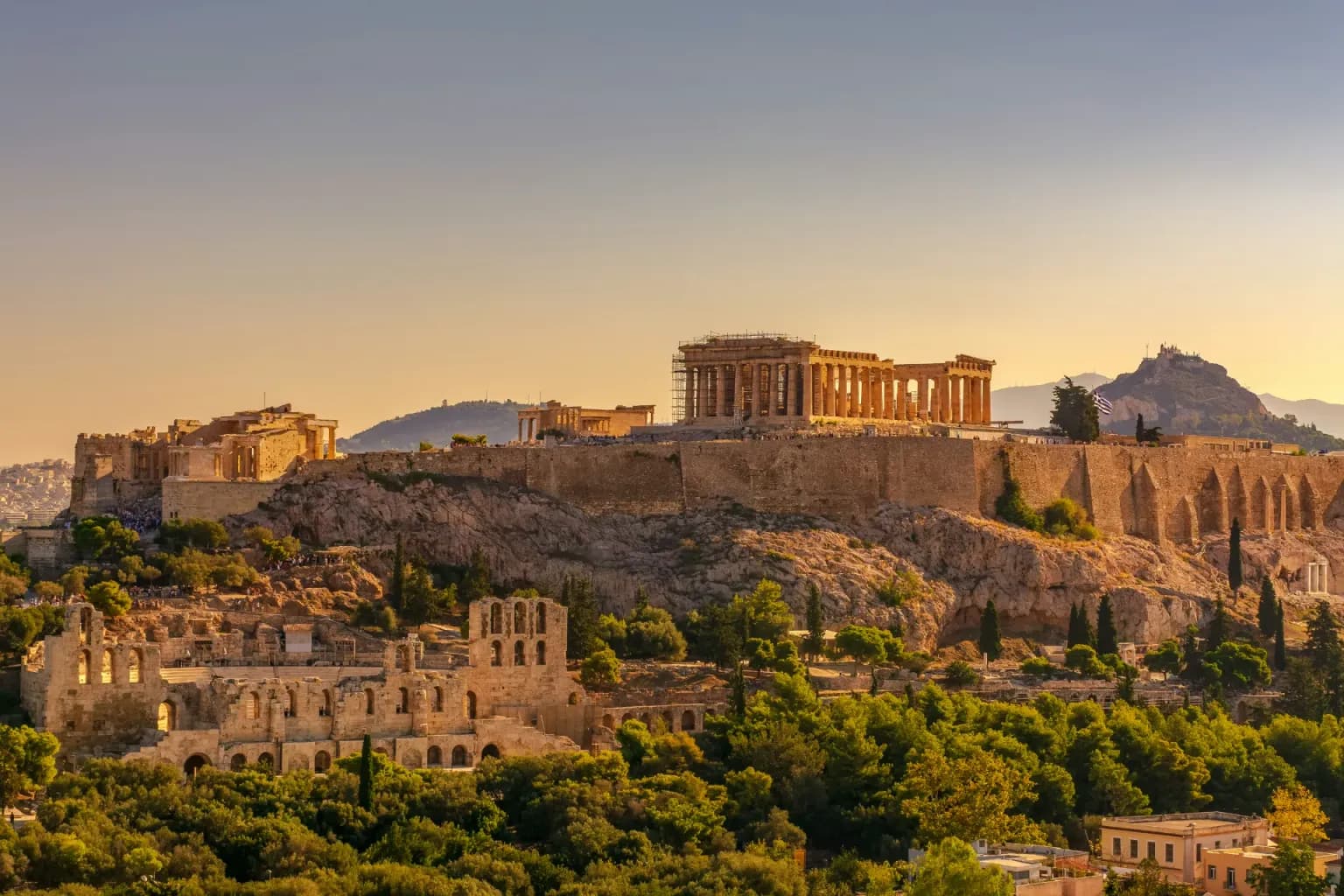
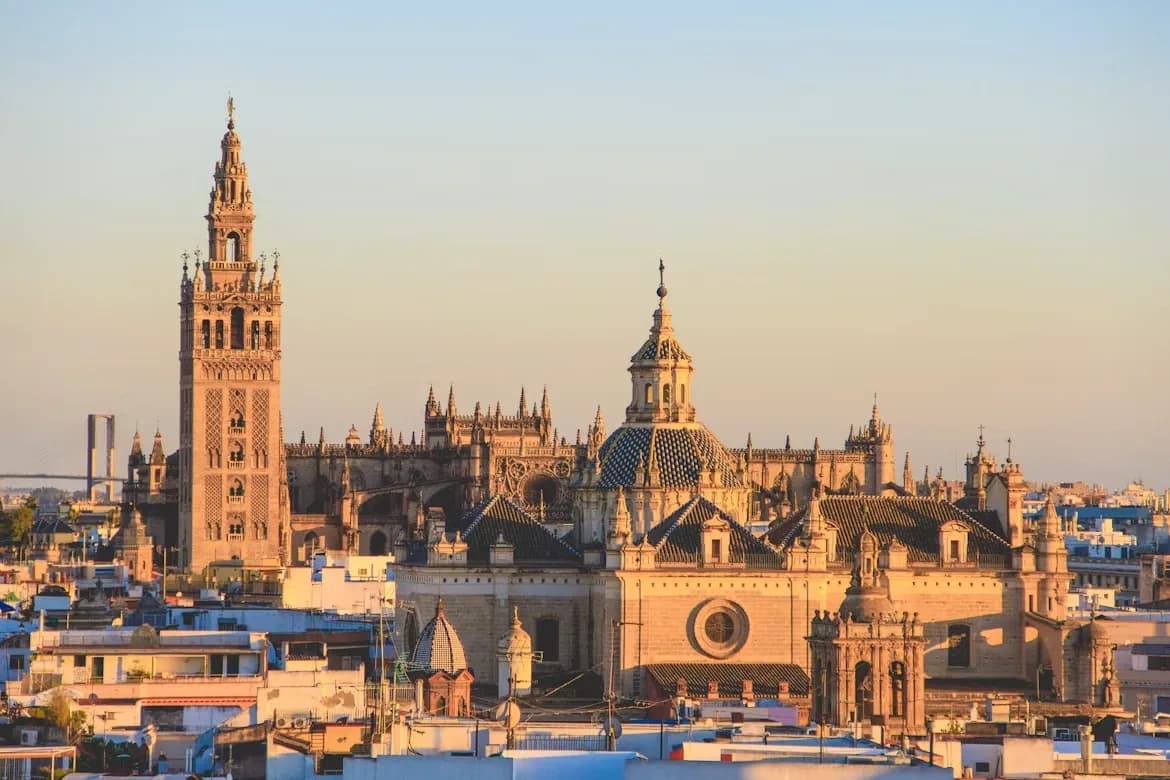
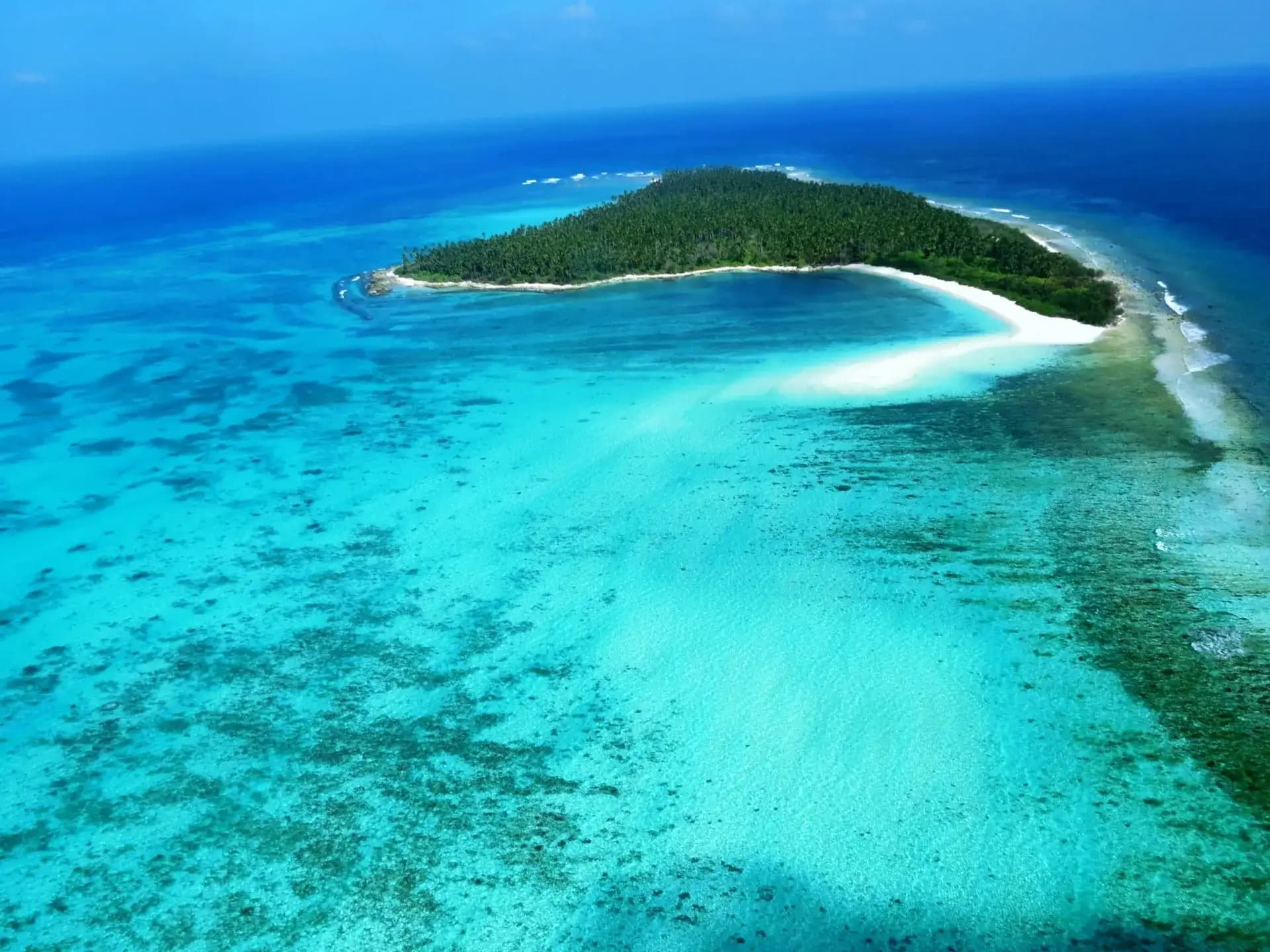
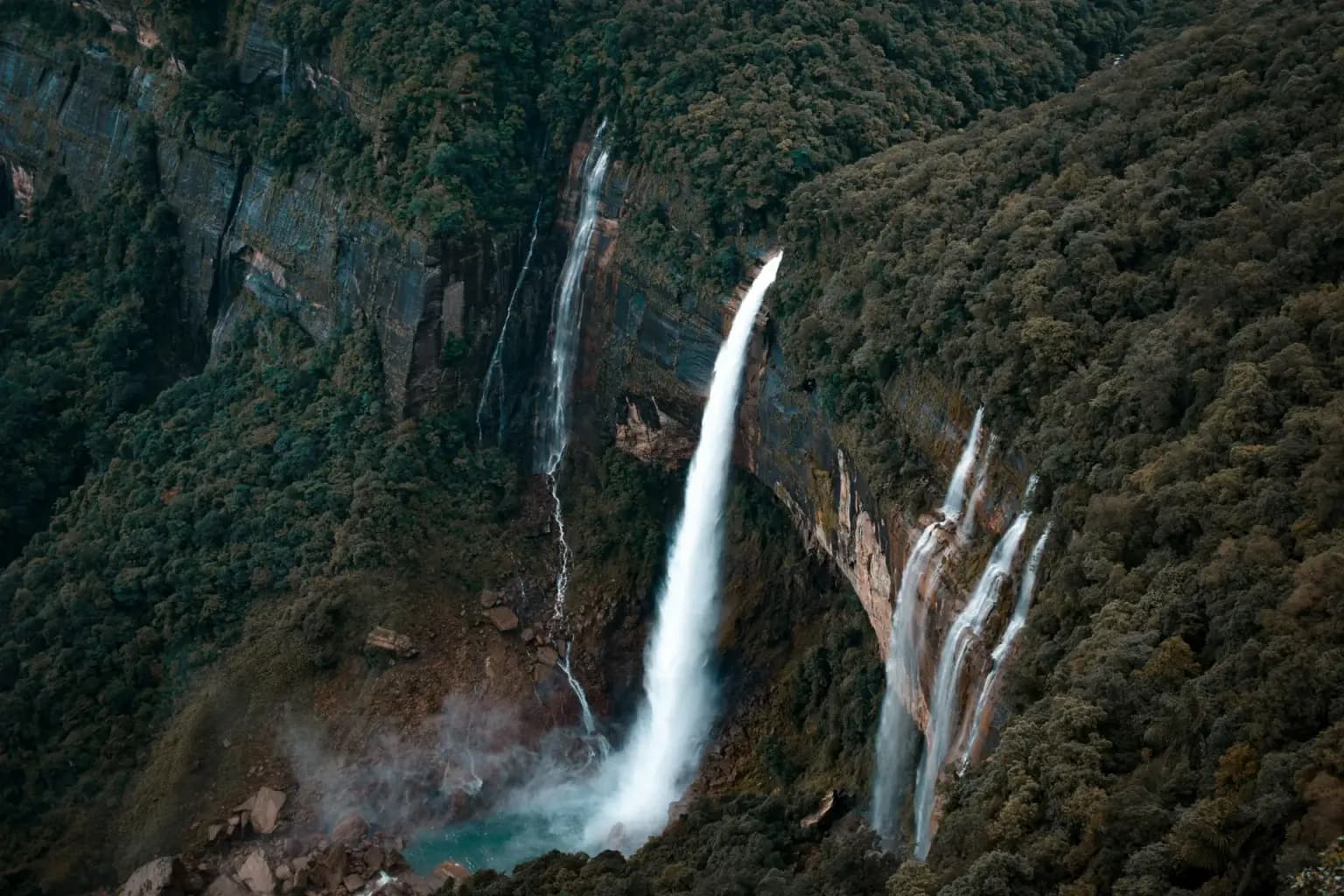
Indulge in Magical SwitzerlandtrendingSwitzerlandJungfraujoch at sunrise, Matterhorn reflection in Riffelsee, Lucerne Chapel Bridge in autumn light. Real CHF costs, Schengen visa, what Indian tourists miss.Explore guideIndulge in Charming France: Paris Landmarks, Riviera & Custom TripspopularFranceEiffel Tower at dawn, Provence lavender in peak bloom, Nice seafront at sunset. Real EUR costs, Schengen visa steps, and what Indian travellers miss.Explore guideExperience Vibrant AustraliatrendingAustraliaThe Great Barrier Reef, the Outback, Bondi Beach, and a Sydney Harbour sunrise — Australia is the one long-haul trip that consistently delivers more than it promises.Explore guideDiscover Breathtaking New Zealand: Fjords, Glaciers & Tailored DrivestrendingNew ZealandHobbiton at peak green, Milford Sound at sunrise, Kaikoura whale watching. Real NZD costs, visa steps, and what Indian tourists miss.Explore guideNavigate Extraordinary Japan: Bullet Trains, Shrines & Custom TourstrendingJapanApril is the single most celebrated month in the Japanese calendar — Hanami (flower-viewing) season peaks late March to mid-April when sakura transform parks, temple grounds, riverbanks, and city blocks pink and white. Abhey visited Japan April 2024 covering Tokyo (Senso-ji 5am + Shibuya Crossing + Shinjuku Gyoen + Teamlab Borderless + Tsukiji Outer Market), Kyoto (Philosopher's Path peak bloom + Fushimi Inari 5am + Kinkaku-ji + Arashiyama bamboo + Gion geisha district), Osaka (Dotonbori + Osaka Castle + Kuromon Market + Universal Studios Nintendo World), Hiroshima + Miyajima, Nara deer par...Explore guideThailand Travel Guide: Custom Packages & Island Beach GetawayspopularThailandBangkok temples at dawn, Phi Phi island by longtail, Chiang Mai night market. Real THB costs, visa-free entry for Indians, what tourists miss.Explore guideDiscover Captivating Sri Lanka: Fortress Ruins, Beaches & Custom TripsSouth AsiaSri LankaAfter 2 Sri Lanka trips, I'm sharing the Kandy–Ella train truth, real INR costs, and why November beats December every time. Free ETA for Indians.Explore guideUncover Mesmerizing Turkey: Balloon Rides, Caves & Custom TripshoneymoonTurkeyHot air balloons over fairy chimneys at dawn, a 1,500-year-old basilica turned mosque, and the world's most dramatic coastline — Turkey rewards every type of traveller.Explore guideExperience Heavenly Kashmir: Shikara Rides, Snow Valleys & Custom TripsIndiaKashmirTwo Kashmir trips. This guide is honest — safety, actual costs, Gondola booking, and what travel blogs don't tell you. Plan smart.Explore guideEscape to Picturesque Manali: Snow Peaks, Tunnels & Custom GetawayspopularManali3 Manali trips across summer, autumn & winter. Real Rohtang permit steps, honest INR costs, Atal Tunnel truth, and what most blogs skip. Plan right.Explore guideNavigate Modern Singapore: Marina Bay, Sentosa & Tailored TripstrendingSingaporeI did a complete Singapore trip in 2021. Here's the honest visa picture, real SGD costs, hawker centre truth, and what Indian tourists consistently miss.Explore guideWitness Spectacular Iceland: Northern Lights, Geysers & Custom AdventurespopularIcelandNorthern Lights, ice caves, Blue Lagoon in winter steam. Here's the real Schengen visa picture, honest INR costs, and what nobody tells you.Explore guideWitness Awe-Inspiring Norway: Sognefjord, Northern Lights & Custom TripshoneymoonNorwayNorthern Lights in Tromsø, Bergen in snow, Lofoten in winter. Real NOK costs, Schengen visa steps, and what Indian travellers miss.Explore guideUncover Enchanting Italy: Colosseum, Tuscan Hills & Custom PackageshoneymoonItalyVisited Italy in August 2025 — Rome in 40°C heat, Venice in a thunderstorm, Amalfi at sunrise. Real EUR costs, Schengen visa steps, and what Indian tourists miss.Explore guideJourney Across Canada: Banff Lakes, Niagara Falls & Custom HolidaysnewCanadaNiagara at peak spring flow, Banff with snow still on the Rockies, Tulip Festival Ottawa. Real CAD costs, visa process, and what Indian tourists miss.Explore guideImmerse in Serene Kerala: Alleppey Backwaters, Hills & Custom TourshoneymoonKeralaMunnar misty mornings, Alleppey houseboat sunrise, Periyar tiger reserve, Varkala cliffs. Real INR costs and what tourists miss.Explore guideDiscover Tropical Andaman: Havelock Beaches, Scuba & Tailored TripshoneymoonAndaman IslandsVisited Andaman in August 2018 — Radhanagar Beach at dawn, Cellular Jail sound-and-light show, Neil Island in the monsoon quiet. Real INR costs and what tourists miss.Explore guideDiscover Immersive Vietnam: Halong Emerald Waters & Custom TripsnewVietnamVisited Vietnam in November 2024 — Ha Long Bay sunrise from the boat deck, Hoi An lanterns at dusk, Sapa rice terraces in morning mist. Real VND costs and what Indian tourists miss.Explore guideExplore Exotic Bali: Ubud Terraces, Temple Trails & Custom PackageshoneymoonBaliTegallalang rice terraces at sunrise, Uluwatu cliff temple at sunset, Nusa Penida crystal bay. Real IDR costs, visa on arrival process, what Indian tourists miss.Explore guideExperience Opulent Dubai: Skyscrapers, Desert Safaris & Custom DealspopularDubaiBurj Khalifa at sunset, Liwa desert at dawn, Gold Souk in the evening. Real AED costs, visa-free entry for Indians, what tourists miss.Explore guideEmbark on Thrilling Leh Ladakh: Pangong Tso, Passes & Custom RidespopularLeh & LadakhVisited Ladakh 4 times including Chadar Trek 2023 and July 2025 summer circuit. Pangong at sunrise, Nubra Valley dunes, Zanskar frozen river. Real INR costs and what tourists miss.Explore guideUncover Captivating Malaysia: Petronas Towers, Islands & Custom TripstrendingMalaysiaPetronas Towers at blue hour, Penang street art at dawn, Langkawi sky bridge above the clouds. Real MYR costs, visa-free entry, what Indian tourists miss.Explore guideDiscover Tropical Philippines: Palawan Lagoons & Island PackagestrendingPhilippinesEl Nido lagoons at sunrise, Boracay White Beach at golden hour, Chocolate Hills at dawn. Real PHP costs, visa-free entry, what Indian tourists miss.Explore guideEmbark on Grand Paris & Switzerland: Eiffel & Alpine Custom TourshoneymoonParis & SwitzerlandFamily trip to Paris and Switzerland in March 2026 — Eiffel Tower summit with kids, snow at Jungfraujoch, Versailles gardens, Lucerne covered bridge. Real costs for families, Schengen visa guide, what works with children.Explore guideImmerse in Glorious Greece: Santorini Sunsets, Aegean & Custom TripstrendingGreeceAcropolis at 8am with 12 people, Santorini caldera in winter stillness, Meteora monasteries in frost. Real EUR costs, Schengen visa guide, what Indian tourists miss.Explore guideSoak in Vibrant Spain: Gaudí Architecture, Coasts & Custom TripsnewSpainA Gaudí cathedral still under construction after 140 years, flamenco in a Granada cave bar, and the world's best ham in a Madrid market — Spain is Europe's most alive destination.Explore guideDiscover Pristine Lakshadweep: Coral Lagoons, Reefs & Tailored TripshoneymoonLakshadweepBangaram Island lagoon at sunrise, coral reef snorkelling, the clearest water in India. Entry permit guide, costs, and what Indian tourists miss.Explore guideWander Enchanting Meghalaya: Waterfalls, Root Bridges & Custom TourspopularMeghalayaNohkalikai Falls in full monsoon roar, living root bridges in deep green, Dawki crystal-clear river. Plus Kaziranga safari season guide. Real INR costs.Explore guideImmerse in Sacred Varanasi: Ghat Walks, Aarti & Custom TripsIndiaVaranasiGanga Aarti at dawn, Manikarnika at midnight, Sarnath at sunrise. Real INR costs and what tourists miss beyond the ghat photographs.Explore guideTraverse Scenic Nepal: Everest Views, Lakes & Custom ExpeditionsbudgetNepalSarangkot sunrise above clouds, rhododendron forest at Poon Hill, Pashupatinath at dawn. Visa free for Indians, real INR costs, what tourists miss.Explore guideEscape to Peaceful Uttarakhand: Ganges Rafting, Lakes & Custom TripsIndiaUttarakhandKedarnath trek costs, Chopta snow season, Auli skiing tips and Rishikesh rafting guide for Indians. Full itinerary and permit guide inside.Explore guideExplore Dynamic South Korea: Seoul Palaces, K-Culture & Custom ToursSouth East AsiaSouth KoreaSeoul Gyeongbokgung hanbok experience, Jeju cherry blossoms, Busan seaside temple and visa process. Full itinerary and KRW costs inside.Explore guideIndulge in Bespoke Maldives: Private Island Villas & Ocean GetawayshoneymoonMaldivesOverwater villa costs, whale shark snorkelling in Ari Atoll, budget Maafushi guesthouse option and visa-free entry guide. Full itinerary inside.Explore guideDiscover Scenic Georgia: Tbilisi Old Town, Caucasus & Tailored ToursnewGeorgiaGergeti Trinity Church in Kazbegi snow, Tbilisi sulfur baths, Kakheti wine caves and 365-day visa-free entry. Budget GEL costs and full Caucasus itinerary inside.Explore guideEmbark on Rugged Spiti Valley: Monastery Trails & Custom DrivespopularSpiti ValleySpiti Valley travel guide — Key Monastery at sunrise, Chandratal Moon Lake, world's highest post office at Hikkim and Kunzum Pass route.Explore guideJourney Through Azerbaijan: Baku Flame Towers, Silk Road & Curated ToursnewAzerbaijanAzerbaijan travel guide 2026 for Indians — Baku Old City UNESCO, mud volcanoes at Gobustan, Sheki Khan's Palace stained glass and e-Visa USD 23 process. AZN costs and full itinerary inside.Explore guideExplore Charming Portugal: Lisbon Trams, Algarve Caves & Custom TripsEuropePortugalSintra Pena Palace without summer crowds, Porto wine cellars, Lisbon Alfama Fado and Schengen visa steps. EUR costs and full itinerary inside.Explore guideRelax in Sun-Kissed Mauritius: Coral Reefs, Islands & Tailored TripshoneymoonMauritiusLe Morne UNESCO lagoon, Chamarel 7 Coloured Earth, Île aux Cerfs catamaran and free visa on arrival. July winter costs and complete itinerary inside.Explore guideExplore Unexplored Kazakhstan: Almaty Alpine Lakes & Custom TripsbudgetKazakhstanCharyn Canyon at sunrise, Shymbulak skiing at 2,200m, Astana futuristic skyline and visa-free entry guide. March circuit costs and complete itinerary inside.Explore guideExplore Breathtaking Croatia: Dubrovnik Citadel, Lakes & Island HoppingpopularCroatiaDubrovnik Old City walls walk, Plitvice Lakes 16 waterfalls, Krka swimming and Schengen visa steps. EUR costs and complete Dalmatian Coast itinerary inside.Explore guideTraverse Mystical Jordan: Petra Rose City, Deserts & Tailored TripsnewJordanJordan has two experiences that exist nowhere else on Earth: the Petra Siq (1.2km narrow gorge approaching the Treasury — the building appearing as a framed vertical sliver at the gorge's end, growing wider until the full 40m facade reveals itself) and the Wadi Rum desert at night (the Milky Way from a Bedouin camp tent flap in the Valley of the Moon — the red desert floor, the sandstone monoliths in moonlight, the most complete night sky in the Middle East). Anmol Verma visited August 2024.Explore guideUnwind in Peaceful Sikkim: Kanchenjunga Peaks & Custom ValleyshoneymoonSikkimSikkim gives the most geographically dramatic domestic Indian experience per kilometre — Gurudongmar Lake at , Nathula Pass at Yumthang Valley and Kangchenjunga visible from Pelling hotel window in the May morning clarity.Explore guideExplore Historic Agra: Taj Mahal Sightseeing, Culture & Custom PackagesbudgetAgraAgra & The Taj Mahal: A breathtaking journey to the heart of India's Mughal empire, crowned by the world’s ultimate monument to eternal love.Explore guideDiscover Exhilarating Hong Kong: Skylines, Disneyland & Custom GetawayspopularHong KongHong Kong is the most densely layered city in the world — a Chinese temple, a British colonial building, the most efficient modern metro system in Asia, and one of the most dramatic urban skylines on Earth simultaneously.Explore guideUnveil Untouched Arunachal: Tawang Monasteries, Passes & Custom TripshoneymoonArunachal PradeshArunachal Pradesh (the 'Land of the Dawn-Lit Mountains') is the most biodiverse and the least visited state of its geographic scale in India — 83,743 sq km (larger than Austria), 26 major tribes, the highest monastery in India, an active India-China border crossing, and Asia's most remarkable outdoor music festival in an Apatani tribal valley. Yeeshu Dhiman visited September 2023 — Tawang Monastery, Bum La Pass at 4,800m (India-China border), Sela Pass at 4,170m, Ziro Music Festival in the Apatani rice fields.Explore guideExperience Vibrant Goa: Sun-Kissed Beaches, Forts & Custom EscapestrendingGoaGoa is India's smallest state and its most distinctly layered — 450 years of Portuguese colonial rule left behind Latin Quarter streets, baroque churches, a coconut-vinegar seafood cuisine unlike anything else in India, and a cultural identity that sits comfortably between Indian and European. 105km of coastline. UNESCO Old Goa heritage precinct. Fontainhas Latin Quarter in Panjim. Dudhsagar Falls 310m. North Goa commercial + South Goa quiet. November-February is the definitive window — post-monsoon clarity, cooler air, and beaches that look exactly like the photographs.Explore guideEscape to Refreshing Himachal: Snow Valleys, Passes & Tailored TourspopularHimachal PradeshA toy train through 102 tunnels, paragliding over the Kangra Valley from Asia's finest launch site, and apple orchards at 2,500m turning the Himalayan slope red in October.Explore guideImmerse in Royal Rajasthan: Grand Forts, Palaces & Custom SafaristrendingRajasthanRajasthan Five forts, three lake palaces, and a camel on a sand dune at sunset — Rajasthan gives India's most cinematic single week of travel without leaving the country.Explore guideTraverse Iconic Europe: Alpine Peaks, Historic Cities & Tailored CircuitspopularEuropeEurope is not one destination. It is 44 countries with 24 official languages, 50 UNESCO-listed cities, and a train network that takes you from the Eiffel Tower to the Colosseum without a single flight. The Atravelq CMS Editorial Team has routed over 200 client itineraries across Europe and the most consistent feedback is that Europe delivers more than expected and less than brochure fears suggest. For Indian travellers, ONE Schengen visa opens 27 countries. This guide covers every visa step, every exchange rate, and every planning decision.Explore guideExperience Regal London: Big Ben, Royal Palaces & Custom GetawayspopularLondonVikas Rana is an Atravelq destination expert who visited London in March 2022 during early spring — daffodils in Hyde Park, the last cool grey days before shoulder-season prices lifted, and museums operating at their most accessible visitor density of the year. London layers 2,000 years of history — Roman walls, Tudor palaces, Victorian rail stations, and 21st-century glass towers — across 9 million people. It is the world's greatest free museum city, the most authentic Indian food outside Asia, and a theatre district unmatched anywhere on Earth.Explore guideExplore Iconic USA: New York Skylines, Canyons & Custom HolidayspopularUSAThe United States is not one destination — it is a continent's worth of them, from the vertical energy of New York to the desert theatre of the Grand Canyon and the Pacific light of California. For Indian travellers it delivers the widest range of experiences a single visa unlocks: world cities, cinematic road trips, national parks, theme-park capitals, and some of the best Indian food outside India. Pick one coast per trip, and the 10-year B1/B2 visa turns a once-in-a-lifetime journey into a decade of returns.Explore guideUnited KingdompopularUnited KingdomThe United Kingdom packs four nations, 33 UNESCO World Heritage Sites, the world's greatest concentration of free museums, and a 1,000-year royal heritage into an island smaller than Madhya Pradesh. The Atravelq CMS Editorial Team has routed hundreds of client itineraries through Britain — from London-only honeymooners to three-generation Scotland circuits — and the consistent surprise is how much of the UK's best experience costs nothing at all. English everywhere, the largest Indian diaspora in Europe, and a rail network that connects London to Edinburgh faster than Delhi to Jaipur.Explore guideExperience Wild South Africa: Kruger Big Five & Custom SafarisnewSouth AfricaSouth Africa is where a single trip delivers the Big Five safari, a UNESCO-listed wine valley, one of the world's greatest coastal drives, a beach city under a flat-topped mountain, and a Soweto township history that changed the course of 20th-century politics. No African country packs more contrasting landscapes, no wildlife destination comes closer to guaranteeing the lion-and-elephant combination, and no Indian traveller leaves without the specific awareness that Mahatma Gandhi's political life began in Durban in 1893 — on this soil.Explore guideExplore Historic Great Britain: London, Scottish Highlands & Tailored TripspopularGreat BritainGreat Britain packs a startling amount into one compact island — the world-city buzz of London, the castles and lochs of Scotland, the storybook villages of the Cotswolds, and the peaks of Wales, all linked by one of the planet's best rail networks. For Indian travellers it's uniquely easy: everyone speaks English, they drive on the left just like home, and the food scene runs from Michelin stars to the best Indian restaurants outside India. Get the UK visitor visa sorted early, and a week or two here delivers history, royalty, film locations, and scenery in a single hassle-free trip.Explore guideUnveil Ancient Peru: Machu Picchu Citadel, Andes & Custom TrekstrendingPeruPeru is South America's headline act — the misty ruins of Machu Picchu, the Inca stonework of Cusco, the reed islands of Lake Titicaca, and a food scene that has made Lima one of the world's great eating cities. For Indian travellers it is a genuine bucket-list journey: far to reach, but astonishing in reward, and surprisingly accessible if you already hold a US, UK, or Schengen visa. Give yourself time to acclimatise to the Andes, plan around the dry season, and Peru delivers history, adventure, and flavour on a scale few countries can match.Explore guideUnveil Ancient Egypt: Pyramids of Giza, Nile Cruises & Bespoke ToursnewEgyptEgypt is the only destination on Earth where you stand at 6am in front of a 4,500-year-old monument built by 100,000 workers over 20 years — and then drive 600km south to find 63 underground royal tombs, a temple complex larger than Vatican City, and a river that has sustained civilisation longer than any other geographic feature in human history. The e-Visa takes 3-5 days. The Pyramids have been waiting 4,500 years.Explore guideDiscover Classic Central Europe: Prague, Vienna, Budapest & Custom TourstrendingCentral EuropeCentral Europe is where the continent keeps its best-value secrets — imperial capitals, medieval old towns, thermal baths, alpine lakes and the Adriatic coast, all inside one Schengen visa and at a fraction of Western Europe's daily costs. Six countries — Austria, Czech Republic, Hungary, Slovenia, Croatia and Poland — one visa, one connected rail network, and this guide covers every planning decision in between.Explore guideExperience Romantic Paris: Seine Cruises, Art & Tailored City BreakshoneymoonParisParis is the most visited city on Earth and the most misunderstood — travellers arrive for the Eiffel Tower and leave having discovered that the real city lives in its morning bakeries, its riverbanks at dusk and its neighbourhood squares. I am Anmol Verma, and after planning hundreds of Paris itineraries for Indian travellers, my core advice has never changed: Paris rewards the traveller who walks, wakes early and sits down often.Explore guide
✦✧✦✧✦✧