Kaza
All types · Spiti base · First-timers
Recommended stays
- Spiti Sarai
- Hotel Spiti Heritage
- The Spiti Maitri (boutique)
- Norling House (heritage)
Spiti Valley is a high-altitude cold desert in the trans-Himalayan zone — geographically and culturally a Tibetan plateau landscape within Indian territory, terrain arid on the valley floor, with surrounding peaks at 5,500-6,500 m, vegetation limited to river valleys where snowmelt irrigation is possible. Takes its name from the Spiti River (Sutlej tributary) cutting through the district from Kunzum Pass to the Sutlej confluence at Khab. Culture is Tibetan Buddhist — monasteries (Key, Tabo, Dhankar, Komic, Kungri, Lhalung) founded in the 10th- 17th centuries, still functioning. One of India's least densely populated regions.
Why Spiti Valley in September 2026? September is the single finest month to visit Spiti Valley — the post-monsoon sky at its clearest (the deep cobalt blue that exists only at 3,500-4,500m altitude in the post-monsoon clarity), the harvest fields at their most golden, both the Manali and Shimla routes fully operational, all monasteries open, and Chandratal Lake accessible before the first October snows close the Kunzum Pass. The Spiti that September produces is the Spiti that the photographs attempt to show and consistently fail to capture.
I arrived at Chandratal Lake at 6am on September 14, 2022. The camp (the cluster of tents on the plateau above the lake, 500m from the water) was still asleep. I walked to the lake edge alone in the September pre-dawn cold (-4°C, the breath visible). The lake at that hour: the water a specific dark cobalt that comes from depth and sky together, the crescent shape of the lake matching the crescent of the glacial cirque that formed it, and the reflection of Chandra Peak (6,001m) in the still surface. Nothing about Chandratal Lake is communicable by photograph because the photograph requires you to look at it through a screen, and the lake requires you to be at 4,300m in the cold with your breath visible and the sound of nothing except the wind moving off the glacier above. The photograph is accurate. The experience is different in kind.
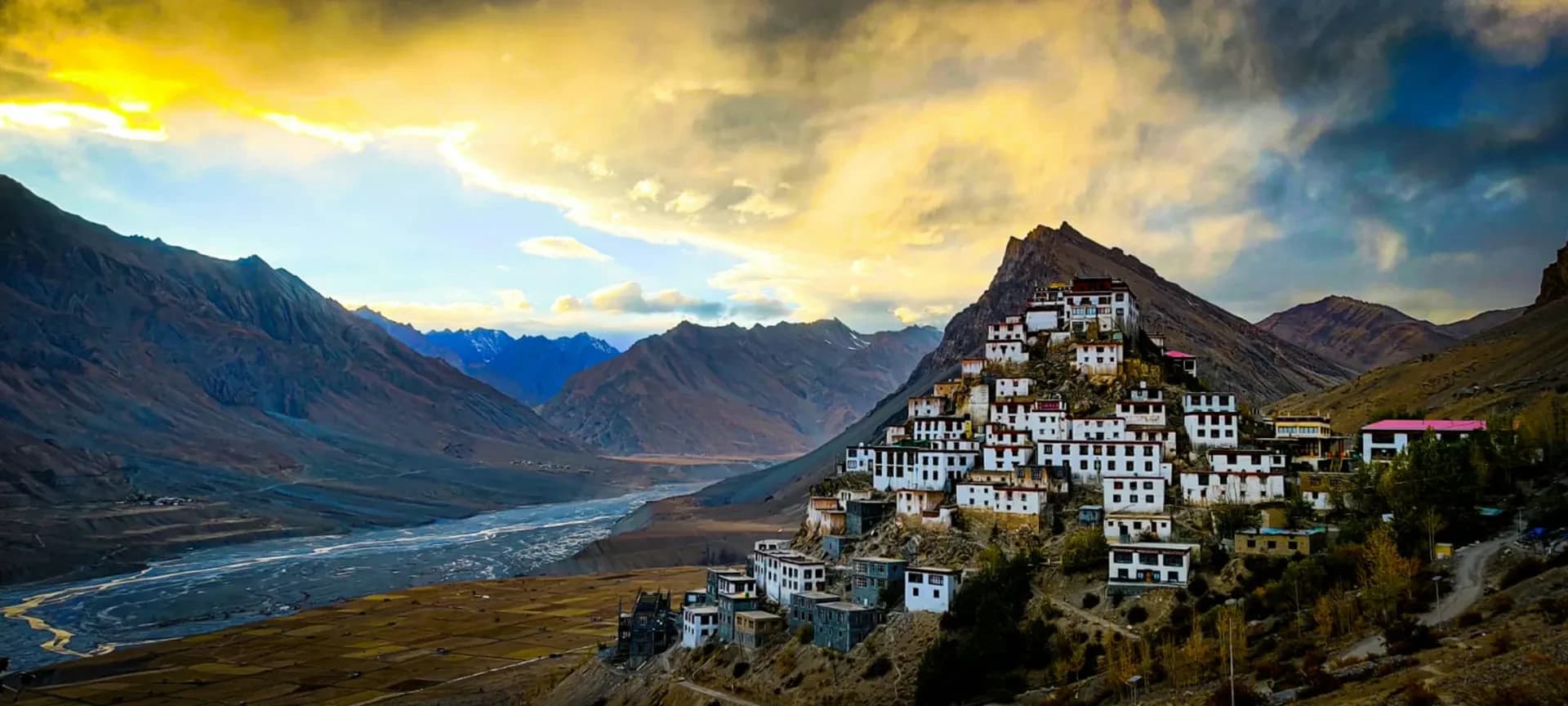
The Key Monastery at 6am on September 15: the approach from Kaza (14km, 1 hour by road) at dawn, the monastery appearing on its conical hill as the first light caught the whitewashed walls. I walked up the path from the road (15 minutes) and reached the monastery courtyard at 6:15am. The monastery was quiet — the morning prayer of the resident monks audible from inside the main prayer hall (the low, rhythmic chanting that has been performed in this building since the 11th century). From the monastery terrace: the Spiti Valley below, the river visible in its brown channel, the 6,000m peaks to the north, the harvest fields of Kibber and the valley villages visible in the early morning light. No other visitor on the hill at 6am. By 9am: the first tourist vehicles from Kaza.
Some snow on higher passes remaining
Both Manali and Shimla routes operational. Fewer tourists. Cold nights at altitude. Chandratal accessible. Kunzum Pass may still have snow patches. Fresh season feeling. Mid-tourist density at major monasteries. Excellent for first-time Spiti visitors avoiding peak crowds.
Clear skies in Spiti (monsoon doesn't cross Great Himalayan range). Rohtang/Manali side can be wet from monsoon spillover — Atal Tunnel mitigates but some delays possible. Maximum tourist density at Key Monastery. All roads open. Maximum daylight. Some weekend influx from Manali day-trippers. Hotel rates at peak.
Deep blue Spiti sky (post-monsoon cobalt clarity). Harvest season (barley, peas, potatoes in fields). All roads + passes open. All monasteries open. Minimal relative tourists vs peak. THE finest Spiti month — September gives clearest sky + harvest gold + accessibility + 20-30% cheaper than July-August peak. Optimal value + experience window.
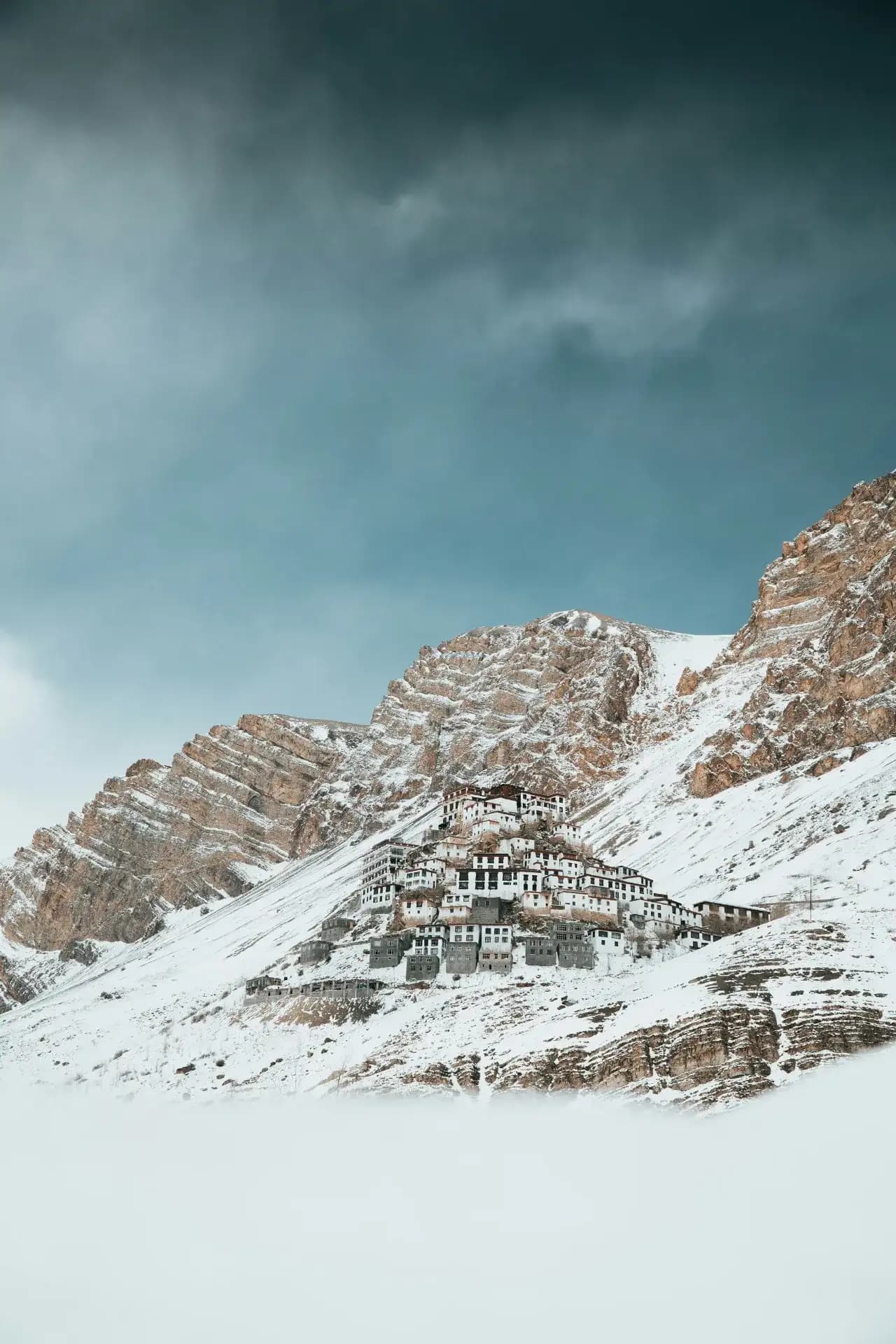
First snowfall possible on Kunzum Pass after October 10th. Mid-October onwards: high Kunzum closure risk. Confirm road status at himroad.nic.in before committing late October. By November: Kunzum closes, Shimla route becomes only access. Tourist infrastructure shutting down. Last viable Spiti window before winter isolation.
Spiti Valley operates entirely above 3,500m elevation, with major village stops between 3,800m and 4,587m. Altitude sickness (Acute Mountain Sickness, AMS) is the single most underestimated risk for Indian travellers to Spiti — approximately 30% of visitors experience some AMS symptoms, and approximately 5% experience symptoms severe enough to require descent. This guide covers prevention, symptoms, and emergency protocols.
| Location | Altitude | AMS Risk |
|---|---|---|
| Delhi (sea level reference) | 216m | None |
| Manali (acclimatisation stop) | 2,050m | Minimal |
| Nako (Kinnaur route gradual stop) | 3,625m | Low-moderate |
| Tabo (lowest Spiti stop) | 3,280m | Low |
| Kaza (district HQ, main base) | 3,800m | Moderate |
| Dhankar Monastery | 3,894m | Moderate |
| Chandratal Lake | 4,300m | High |
| Chandratal Lake | 4,300m | High |
| Key Monastery | 4,166m | High |
| Kibber Village | 4,270m | High |
| Langza Village | 4,400m | High |
| Hikkim Village | 4,440m | High |
| Komic Village | 4,587m | Very high |
| Kunzum Pass (transit only) | 4,551m | Transit OK |
Action: Rest, hydrate, avoid further ascent for 24 hours. Most mild AMS resolves with rest.
Action: Stop ascent immediately. Descend at least 500m. Consult medical facility (Kaza District Hospital).
Action: EMERGENCY — Descend IMMEDIATELY by at least 1,000m. Oxygen if available. Helicopter evacuation to Manali via Kaza District Hospital is protocol. This is life-threatening.
Vikas's Tip: The single most important Spiti decision is to spend the FULL FIRST DAY in Kaza resting at 3,800m before any village visits above 4,000m. The 30% AMS rate is almost entirely from visitors who skip this rest day and drive directly to Komic or Hikkim within 24 hours of arrival from Delhi. Add the Kaza rest day to your 10-day circuit — it is the difference between a complete Spiti experience and a possible hospital stay. Diamox + hydration + Kaza rest = the standard AMS prevention package.

Labyrinth at Dawn

Moon Lake Before Dawn

A Postcard from 4,440m

1,000-Year Murals


Heights on Heights

Fossil Village + Highest Motorable Point

Darkest Sky in India
Curated highlights — open any experience for the insider detail that makes it worth doing.
Overnight camp at Chandratal is ESSENTIAL Spiti experience for non-negotiable reasons: day-trip visitor (arriving at 10am from Kaza, 3 hours away) arrives after dawn, in wind, with 50 other visitors. Overnight camp visitor arrives previous afternoon, sees sunset, wakes at 5:30 am, reaches lake edge at 6am in -4°C pre-dawn with lake still and reflection complete.
Tabo Monastery guide strongly recommends visiting the Assembly Hall — the iconographic programme of the Rinchen Zangpo period (arrangement of 96 stucco figures and mural cycles in a specific theological sequence that the 11th-century master planned) is not readable without explanation. The guide explains which figure is which bodhisattva and why the arrangement has been unchanged for 1,000 years. HPTDC tourist coaches from Kaza arrive at Tabo at 10-11am. Arrive at 8am (Tabo is 45km from Kaza, 1.5 hours — early departure gives monastery before day tours). Assembly Hall interior: stucco figures, 1,000-year-old murals.
Wind at Chicham Bridge can be significant — in September, afternoon wind (after 2 pm) is consistently stronger than morning. Cross before 12 pm for the most comfortable experience. Bridge sways minimally at centre in strong wind — this is structural (suspension bridge design) and not a cause for concern. Specific vertiginous experience is gorge below through grating, not sway. Drive from Kibber (20km from Kaza, 45 minutes) to Chicham Bridge (5km from Kibber, 15 minutes). Walk across bridge (2 minutes, 150m span, gorge visible 150m below through metal grating).
Dhankar Lake gives only aerial view of Pin Valley in Spiti circuit accessible without trek of more than 1 hour. View from lake: Pin River entering Spiti Valley from south, Dhankar Monastery on cliff visible directly below, Spiti River visible at valley floor. September light at Dhankar Lake (11am, when sun is high enough to illuminate both lake and valley below): most complete single photographic composition in Spiti.
Specific September sky from Kaza at 10 pm: Milky Way rising from the southeast horizon (from the Sagittarius core area) and extending across the full sky to the northwest (Perseus arm). Andromeda Galaxy (Great Galaxy, M31) visible as a faint smudge in the Andromeda constellation in the northeast quadrant — the most distant object visible to the naked eye from anywhere on Earth, 2.537 million light-years distant. Specific instruction: look at Andromeda smudge and understand light you are seeing left that galaxy 2.537 million years ago.
Even as passenger (not driver), Kunzum Pass shrine circumambulation is specific beginning of Spiti Valley experience — act of crossing high mountain pass has been marked by ritual since Himalayan trade routes were established 2,000 years ago. Kunzum Mata is specific deity of Spiti people, NOT tourist performance. Participate respectfully.
Sakya Abode restaurant in Kaza (the best restaurant in Spiti for authentic Spitian food) serves all three in correct forms. The owner is a Spiti native who trained in Tibetan cooking in Dharamsala. Butter tea: served in a wooden bowl; the first sip is always a recalibration of what tea means. Ask specifically for 'churned butter tea' — the hand-churned version has a different texture from the machine-blended shortcut.
Snow leopard sightings are NEVER guaranteed — the animal is an apex predator of the Spiti ecosystem and is typically seen by 5- 10% of visitors who spend time specifically looking. Snow Leopard Conservation Centre at Kibber has a community-based sighting notification system — local herders report leopard locations to the centre, which then guides interested visitors. Spend 2 hours at the centre, ask for the sighting log, and decide whether the current day's conditions warrant a leopard walk.
See how each route grows as you add days — from a focused highlights trip to the full journey.
Choose the base before you choose the hotel — on a multi-region trip the area you pick shapes your days more than an extra star on the hotel does.
All types · Spiti base · First-timers
Adventure seekers · Photographers
Pilgrims · Budget · Spiritual seekers
Heritage lovers · Photographers · Village experience
Village experience seekers · Photographers · Authentic Spitian life
Estimate your daily spend across four travel styles — per person, in Indian rupees, covering accommodation, food, local transport and activities. International flights are not included.
₹1,200 – ₹2,500 (excl Delhi travel) / day
₹3,000 – ₹5,500 (excl Delhi travel) / day
₹7,000 – ₹15,000 (excl Delhi travel) / day
₹20,000 – ₹60,000+ (excl Delhi travel) / day
Spiti Valley has the most limited mobile and internet connectivity of any major Indian tourist destination. The single most important communication fact about Spiti: only BSNL has network coverage. Airtel, Jio, and Vodafone-Idea have NO signal in Spiti Valley. This guide covers all communication realities and how to plan for them.
Network | Coverage in Spiti | Notes |
|---|---|---|
BSNL | ✅ Limited 2G/3G in Kaza, Manali side, Shimla side | ONLY functional network. Adequate for calls. Slow internet. |
Airtel | ❌ No coverage | Some Manali-side patches near Atal Tunnel only |
Jio | ❌ No coverage | None in Spiti district |
Vi (Vodafone-Idea) | ❌ No coverage | None in Spiti district |
Vikas's Tip: The single most important Spiti communication preparation: buy a BSNL prepaid SIM in Delhi or Manali 3-4 days before your Spiti entry. Activate it. Test it for 24 hours before entering Spiti. Keep your primary Airtel/Jio for transit. The Spiti disconnect is real and surprising for first-time visitors — plan for it as part of the experience, not as an obstacle. Many travellers find the Spiti digital disconnect to be one of the most valuable aspects of the trip — 7-10 days spent completely offline at high altitude, among monasteries and mountains.
Flight connections from the major Indian hubs, then how to move around once you land — fares, journey times and what to book ahead.
Multiple operators (HRTC, ZingBus, RedBus) Most popular Spiti entry route preparation
Self-drive or hired with driver 570km via NH3 Multiple breaks recommended
NoteLimited daily flights Weather-dependent (seasonal cancellations)
NoteScenic but slow Alternative entry for Shimla-Spiti route
8-10 hours. 185km via Atal Tunnel + Kunzum Pass. Departs Manali Manu Temple 6am. Standard shared taxi
8-10 hours. Innova/Bolero with driver. Most flexible for stops at Chandratal, Kunzum
12-14 hours. 430km via NH5 + Hindustan Tibet Road. Best done 2 days with Nako overnight
Fixed departure times from Kaza market. Key, Kibber, Langza, Hikkim, Tabo all accessible
Innova or Bolero with driver. Most flexible for Key + Kibber + Langza + Komic + Hikkim in single day. Recommended for time-limited visitors
30 minutes each way. Arrange at Hikkim village. ONLY way to reach Komic (4,587m highest motorable village). Sedans cannot navigate rough track
Royal Enfield Himalayan or 350. For EXPERIENCED riders only — Spiti roads require skill. Carry 5L extra petrol. September best month for bike trips
Free. Kibber to Chicham Bridge 4km walk. Dhankar Monastery to Dhankar Lake 1 hour each way. Various village-to-village hiking paths through Spiti plateau
Practical local advice — money habits, safety rules and the small planning choices that materially change how the trip goes.
An unfiltered assessment of what delivers on its reputation, and what to skip or swap for better value.
Chandratal Lake overnight + 6am dawn
11th-century monastery in dawn light, morning prayer audible, valley below, 5 other visitors.
Hikkim Post Office postcard.
150m above gorge on highest suspension bridge in Asia, gorge visible through metal grating below your feet. Most vertiginous free experience in Spiti.
1,000-year-old murals and 96 clay stucco figures of Rinchen Zangpo programme. Only surviving complete early-11th-century Buddhist iconographic programme in Indian Himalaya.
Milky Way from darkest accessible sky in India. Andromeda Galaxy visible to naked eye. Most complete night sky in Indian domestic travel, from any guesthouse rooftop.
Komic Village -Highest village with motorable road in Spiti circuit at 4,587m. 20 households harvesting barley at this altitude in September. Most specifically high-altitude inhabited experience in India.
Tibetan tradition of salt-and-butter tea, specific flavour of high-altitude living. Correct Spiti beverage in cold.
Hanging monastery on crumbling cliff above Pin-Spiti rivers confluence. Old fort-monastery building, INTACH stabilisation visible. Dhankar Lake walk (1 hour up from old monastery): only Pin Valley aerial view accessible without major trek. Most photographically complete monastery composition in Spiti.
2,000-year ritual marking transition between worlds. Drivers and motorcyclists stop, circle shrine 3 times clockwise, offer prayer or ₹10 note. NOT tourist performance but living tradition. Specific Spiti entry ritual that connects you to Himalayan trade route history.
Chandratal is 3 hours from Kaza. Day-tripper arrives at 10am (lake in wind, with 30 other day visitors), spends 45 minutes, returns. Overnight camp visitor arrives at 3pm, sees sunset, wakes at 5:30am, has lake alone at -4°C in pre-dawn. Overnight is only correct Chandratal experience.
Kaza is at 3,800m. Arriving directly from Delhi by overnight bus and immediately driving to Komic (4,587m) on Day 2 is reliable way to experience severe altitude sickness (headache, nausea, vomiting, potentially life-threatening HAPE). Rest in Kaza for 1 full day before visiting villages above 4,000m.
Kunzum Pass (4,551m) can receive heavy snowfall from mid-October onward and may close without advance warning. If circuit ends in mid-to-late October and you plan to exit via Manali (Kunzum route), confirm road status at himroad.nic.in or with Kaza guesthouse before committing.
NO Airtel, Jio, or Vodafone-Idea network coverage in Spiti Valley. BSNL is the ONLY network. Either carry BSNL SIM (roaming charges apply for non-BSNL primary users), rent BSNL SIM in Kaza, or accept no mobile connectivity for Spiti circuit. Plan accordingly for emergencies and navigation.
Komic access track (Hikkim to Komic, 4km) is rocky, rutted mountain track with gradients exceeding ground clearance of all standard sedans. Only high-clearance 4WD vehicles (Bolero, Fortuner, Thar) can reach Komic. Arrange local Bolero from Hikkim (₹500-800 return).
Key Monastery is most dramatic monastery in Spiti for photography. Tabo is most significant monastery in Spiti for history, art, archaeology. BOTH necessary. Tabo is 45km from Kaza — build into Shimla-route exit day if time limited.
Spiti local food (thukpa, tsampa, butter tea, momos) available at every guesthouse and dhaba. Eating local food is both correct traveller's choice (local economy depends on tourist food spend) and most specifically Spitian experience. Packaged chips and instant noodles from Manali unnecessary.
SBI ATM in Kaza is ONLY reliable ATM in entire Spiti circuit. During September peak season, ATM can run out of cash for 24-48 hours. Withdraw full amount needed for circuit (₹5,000-10,000 per person minimum) in Kaza. No other ATM until you exit to Kinnaur or Manali.
Most travellers backtrack on same route, missing 50% of cultural geography. Manali IN + Shimla OUT (or vice versa) covers Chandratal/Kunzum dramatic mountain section + Tabo/Kinnaur cultural section in single circuit, NO backtracking. The correct Spiti circuit uses both routes.
Booking Spiti in July-August when September gives same routes 20-30% cheaper + harvest + clearer sky — Summer peak gives more crowds + monsoon spillover rain on Manali side + tourist density at Key Monastery. September gives same routes + Chandratal access + Key Monastery + Tabo PLUS clearest post-monsoon cobalt sky + harvest gold + 20-30% cheaper rates.
Tell us your travel window and what you care about. Vikas Rana builds the day-by-day plan — flights, stays and transfers included.
Ready-made trips our planners run most often — every one of them adjustable to your dates.
Visas, realistic budgets, seasonal weather and the logistics travellers ask us about most before they book Spiti Valley.
Tell us your dates, your pace and how you like to travel, and a destination planner builds the itinerary around them.
Field guides and ready-made itineraries for wherever you go next.
 trendingSwitzerlandJungfraujoch at sunrise, Matterhorn reflection in Riffelsee, Lucerne Chapel Bridge in autumn light. Real CHF costs, Schengen visa, what Indian tourists miss.Explore guide
 popularFranceEiffel Tower at dawn, Provence lavender in peak bloom, Nice seafront at sunset. Real EUR costs, Schengen visa steps, and what Indian travellers miss.Explore guide
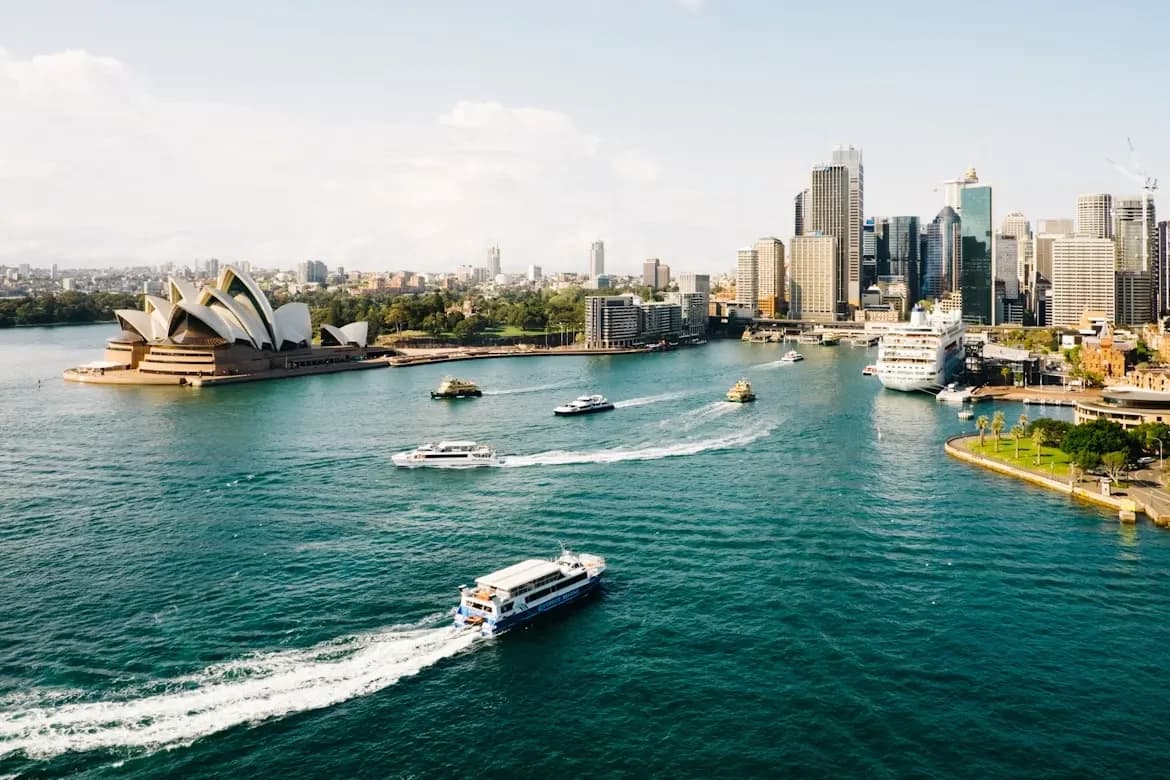 trendingAustraliaThe Great Barrier Reef, the Outback, Bondi Beach, and a Sydney Harbour sunrise — Australia is the one long-haul trip that consistently delivers more than it promises.Explore guide
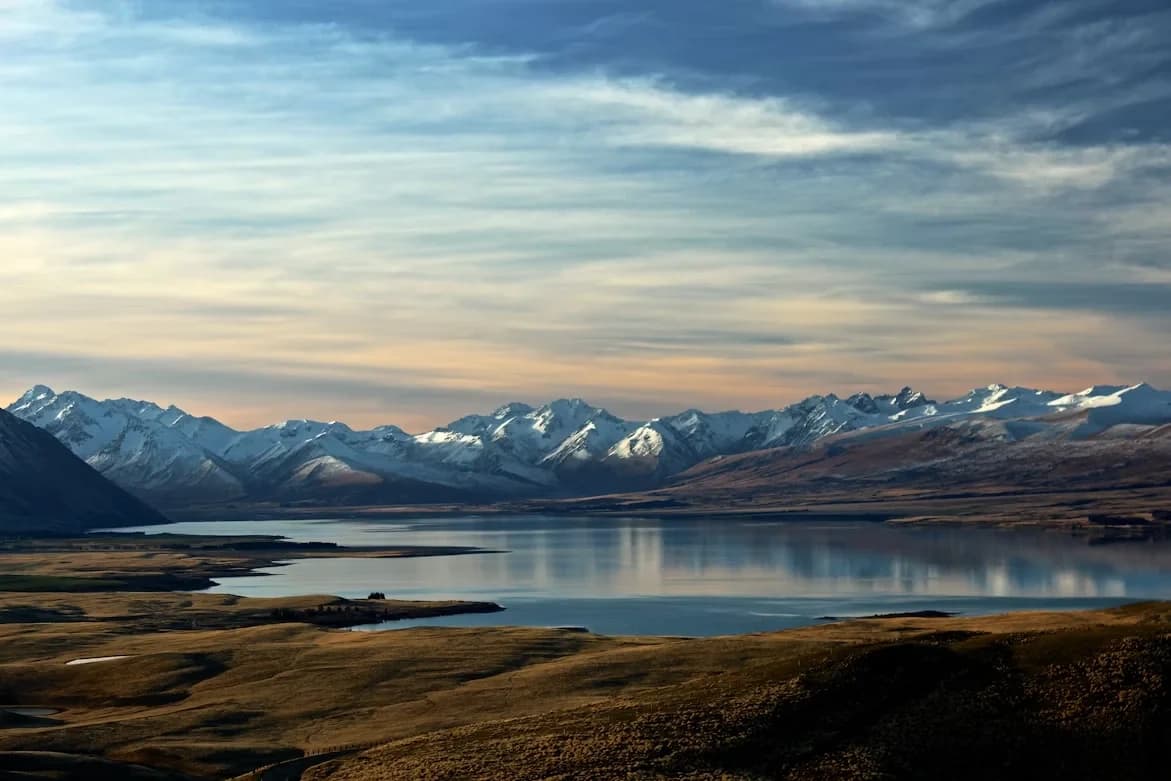 trendingNew ZealandHobbiton at peak green, Milford Sound at sunrise, Kaikoura whale watching. Real NZD costs, visa steps, and what Indian tourists miss.Explore guide
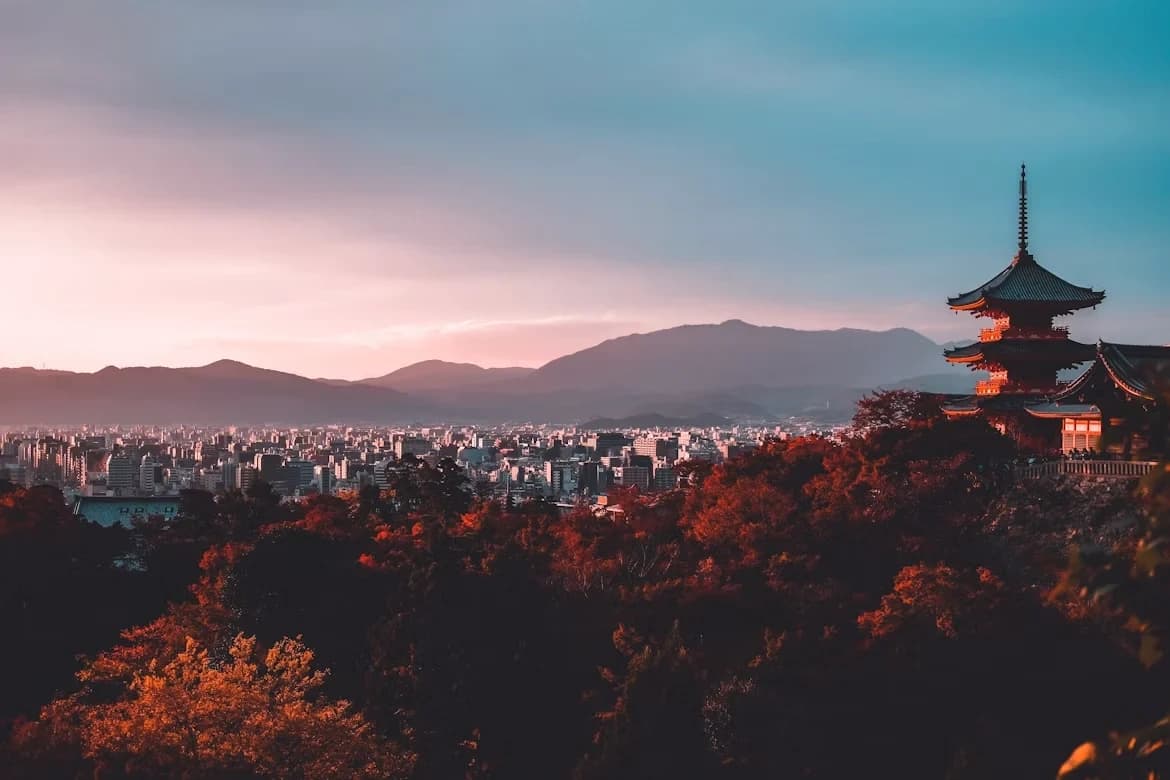 trendingJapanApril is the single most celebrated month in the Japanese calendar — Hanami (flower-viewing) season peaks late March to mid-April when sakura transform parks, temple grounds, riverbanks, and city blocks pink and white. Abhey visited Japan April 2024 covering Tokyo (Senso-ji 5am + Shibuya Crossing + Shinjuku Gyoen + Teamlab Borderless + Tsukiji Outer Market), Kyoto (Philosopher's Path peak bloom + Fushimi Inari 5am + Kinkaku-ji + Arashiyama bamboo + Gion geisha district), Osaka (Dotonbori + Osaka Castle + Kuromon Market + Universal Studios Nintendo World), Hiroshima + Miyajima, Nara deer par...Explore guide
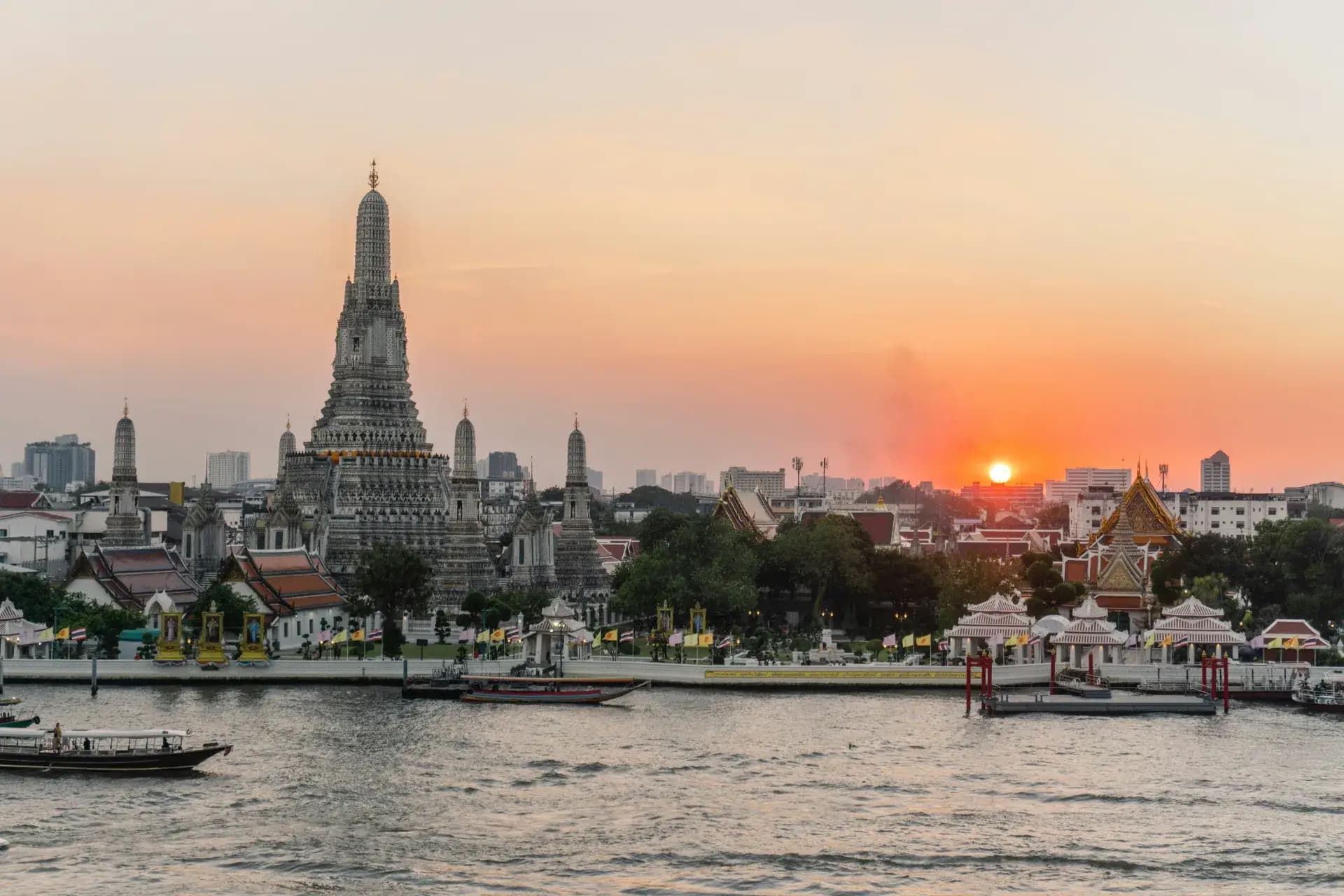 popularThailandBangkok temples at dawn, Phi Phi island by longtail, Chiang Mai night market. Real THB costs, visa-free entry for Indians, what tourists miss.Explore guide
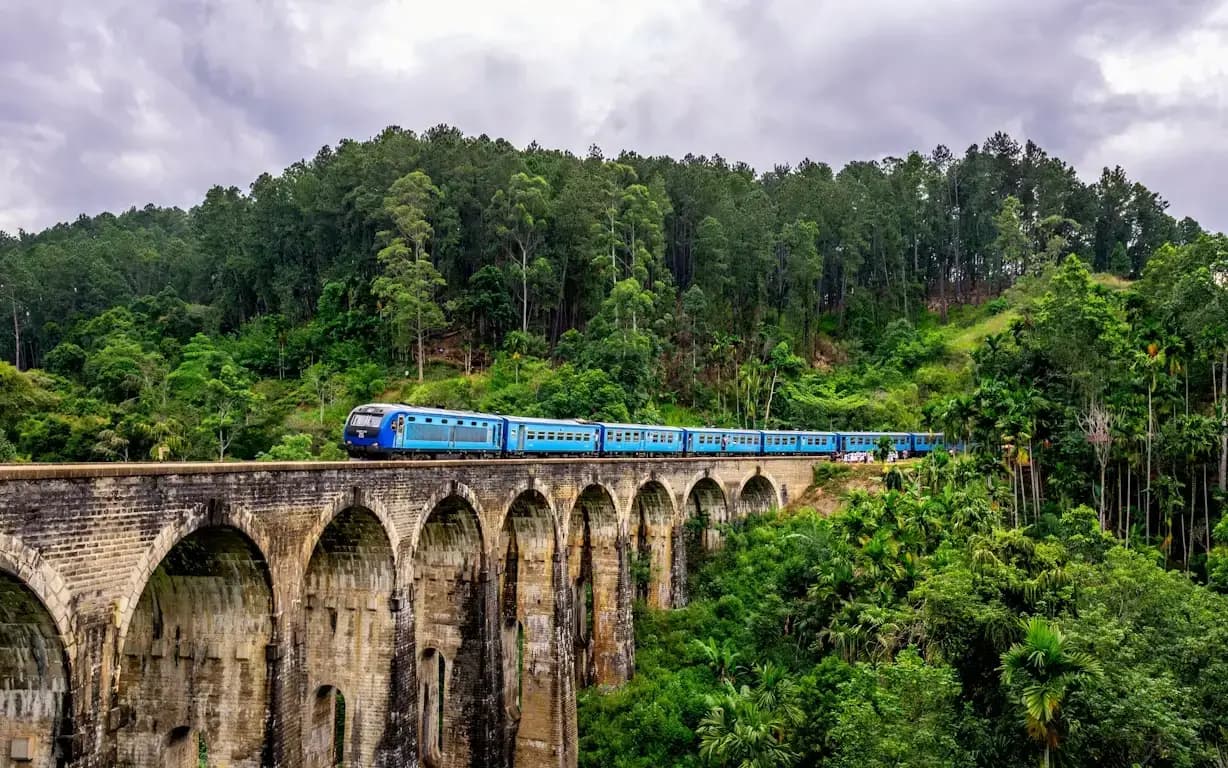 South AsiaSri LankaAfter 2 Sri Lanka trips, I'm sharing the Kandy–Ella train truth, real INR costs, and why November beats December every time. Free ETA for Indians.Explore guide
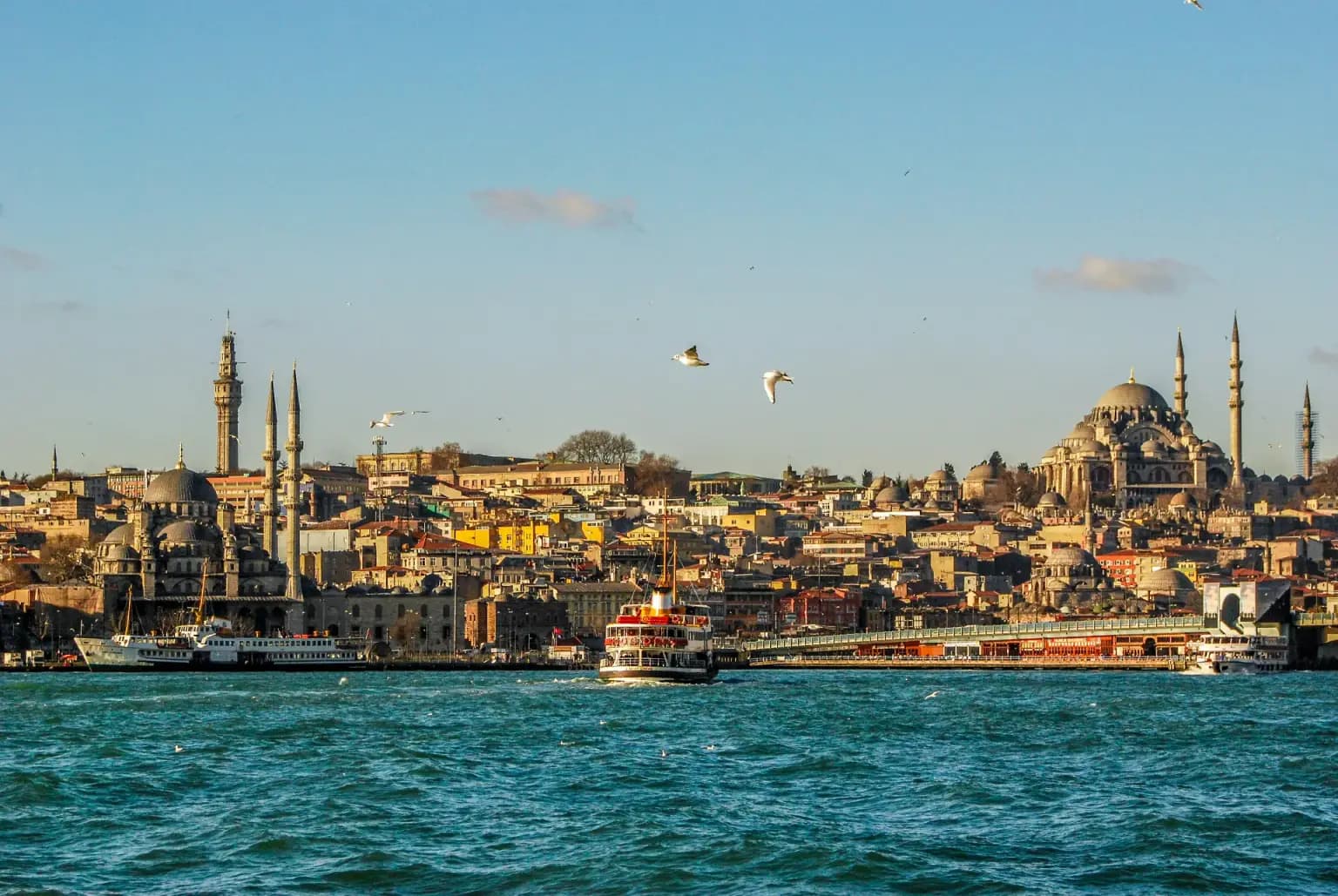 honeymoonTurkeyHot air balloons over fairy chimneys at dawn, a 1,500-year-old basilica turned mosque, and the world's most dramatic coastline — Turkey rewards every type of traveller.Explore guide
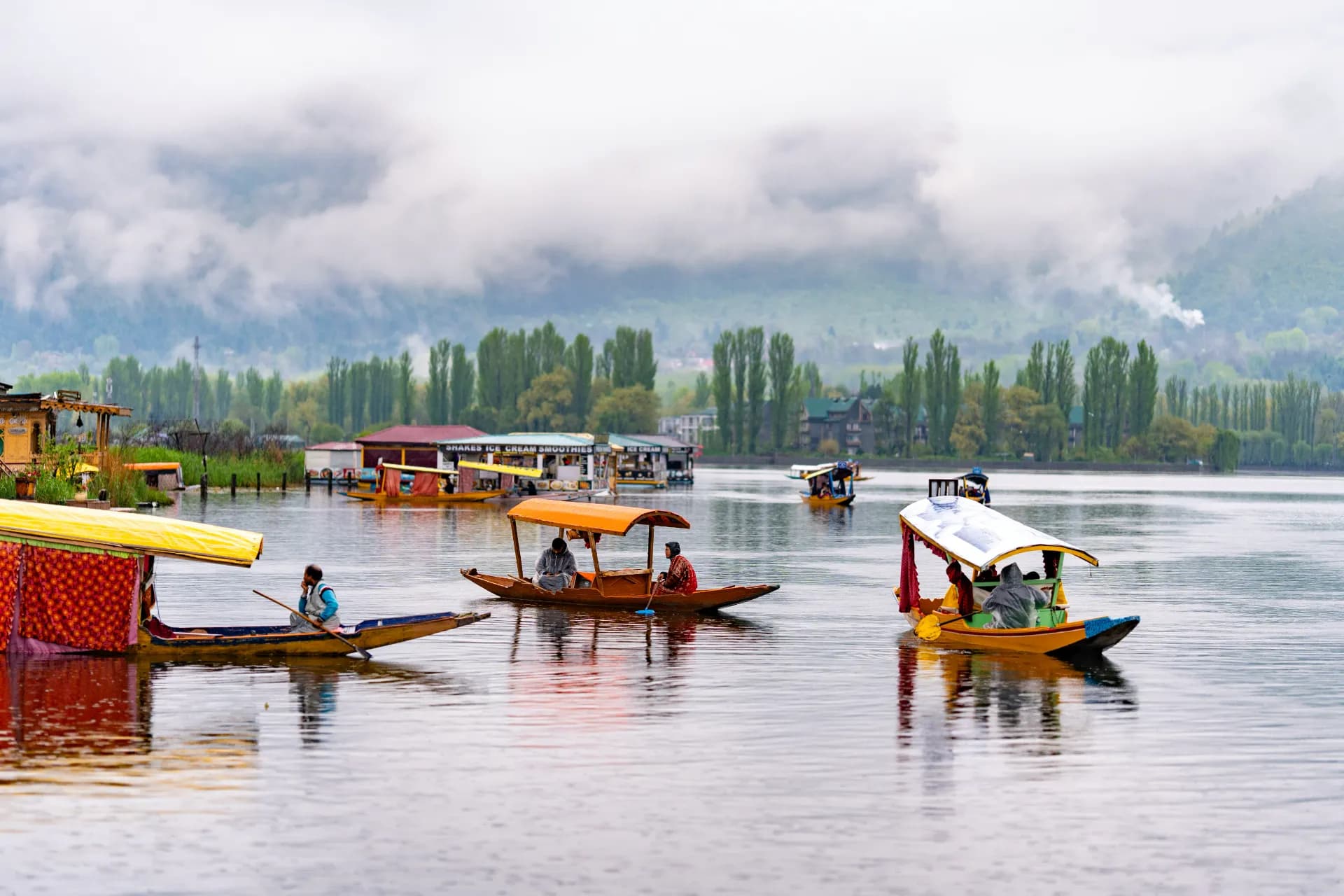 IndiaKashmirTwo Kashmir trips. This guide is honest — safety, actual costs, Gondola booking, and what travel blogs don't tell you. Plan smart.Explore guide
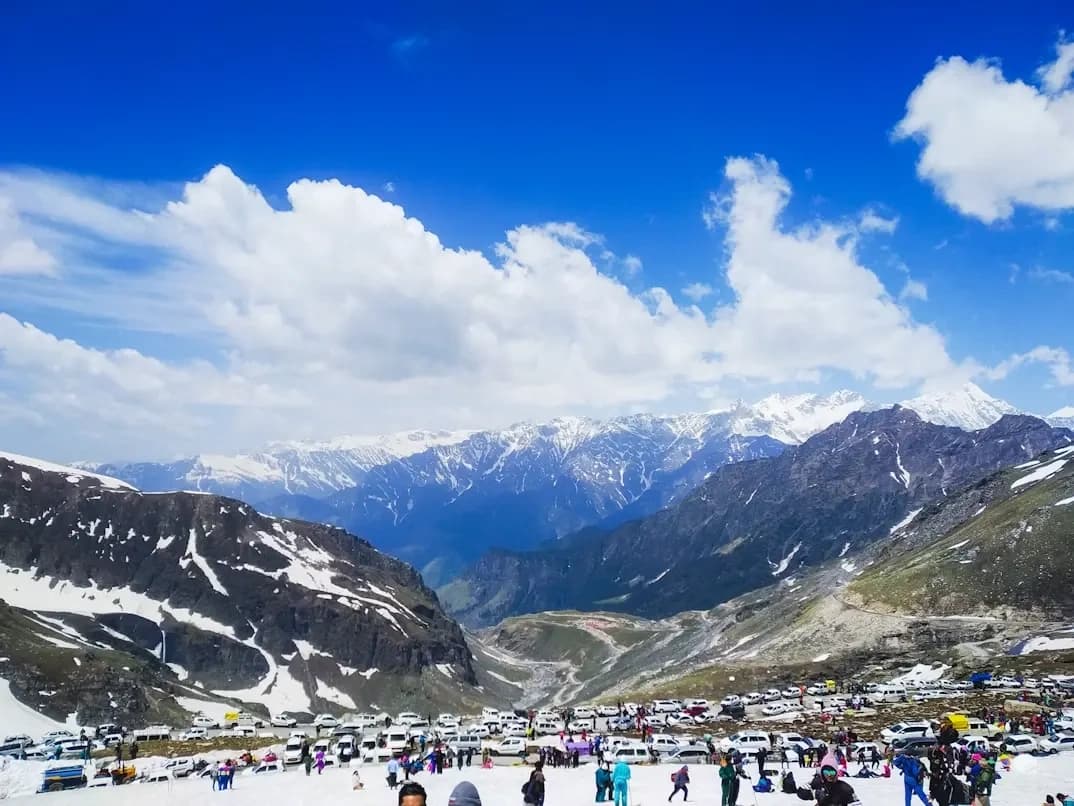 popularManali3 Manali trips across summer, autumn & winter. Real Rohtang permit steps, honest INR costs, Atal Tunnel truth, and what most blogs skip. Plan right.Explore guide
 trendingSingaporeI did a complete Singapore trip in 2021. Here's the honest visa picture, real SGD costs, hawker centre truth, and what Indian tourists consistently miss.Explore guide
 popularIcelandNorthern Lights, ice caves, Blue Lagoon in winter steam. Here's the real Schengen visa picture, honest INR costs, and what nobody tells you.Explore guide
 honeymoonNorwayNorthern Lights in Tromsø, Bergen in snow, Lofoten in winter. Real NOK costs, Schengen visa steps, and what Indian travellers miss.Explore guide
 honeymoonItalyRome in 40°C heat, Venice in a thunderstorm, Amalfi at sunrise. Real EUR costs, Schengen visa steps, and what Indian tourists miss.Explore guide
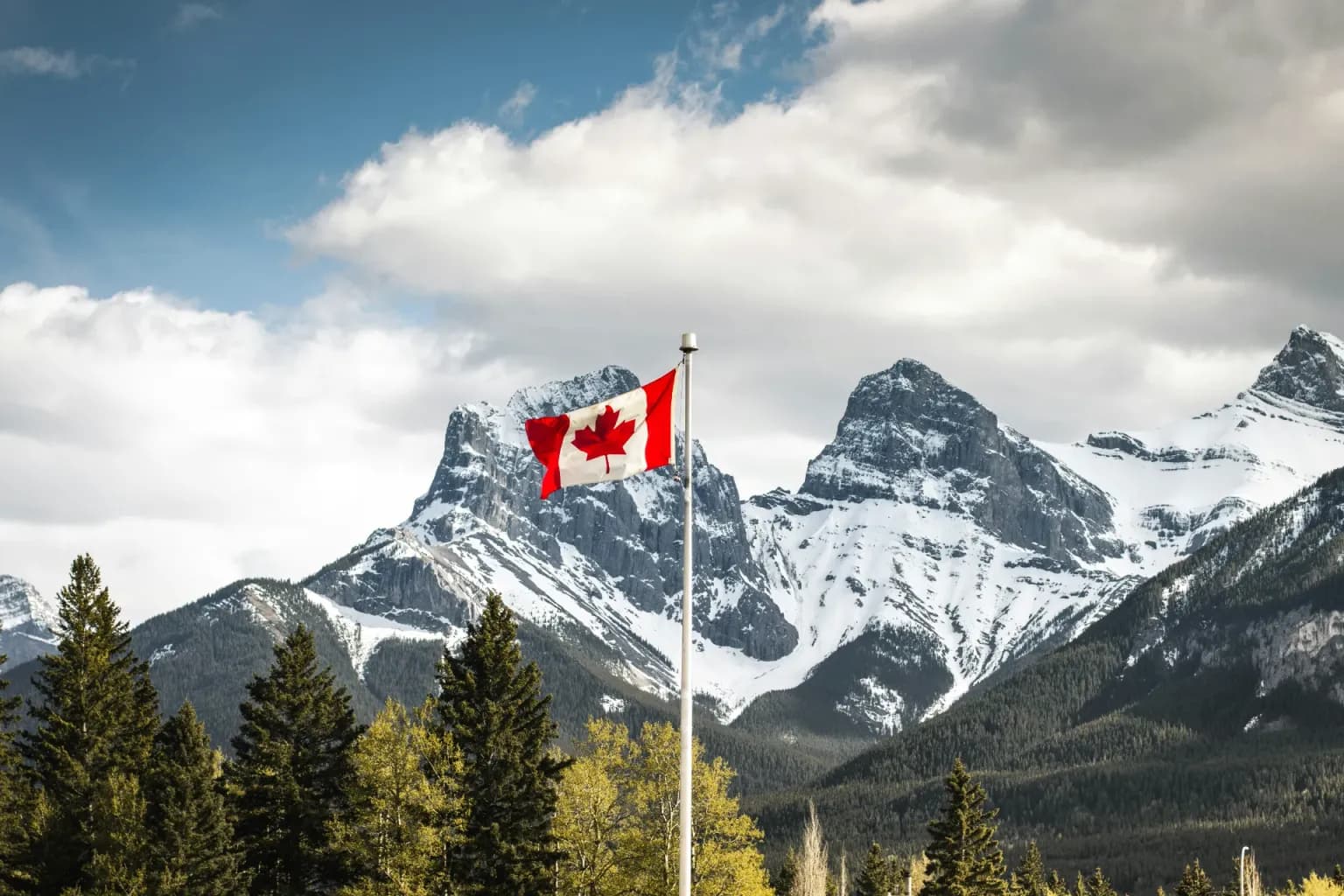 newCanadaNiagara at peak spring flow, Banff with snow still on the Rockies, Tulip Festival Ottawa. Real CAD costs, visa process, and what Indian tourists miss.Explore guide
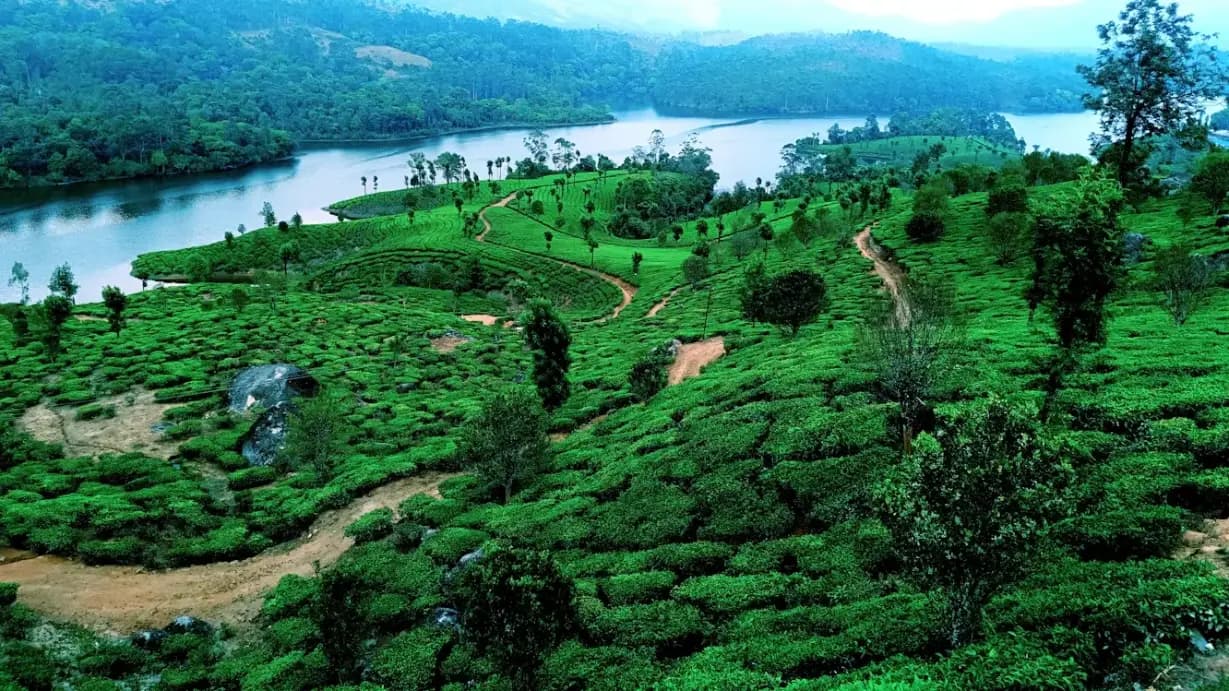 honeymoonKeralaMunnar misty mornings, Alleppey houseboat sunrise, Periyar tiger reserve, Varkala cliffs. Real INR costs and what tourists miss.Explore guide
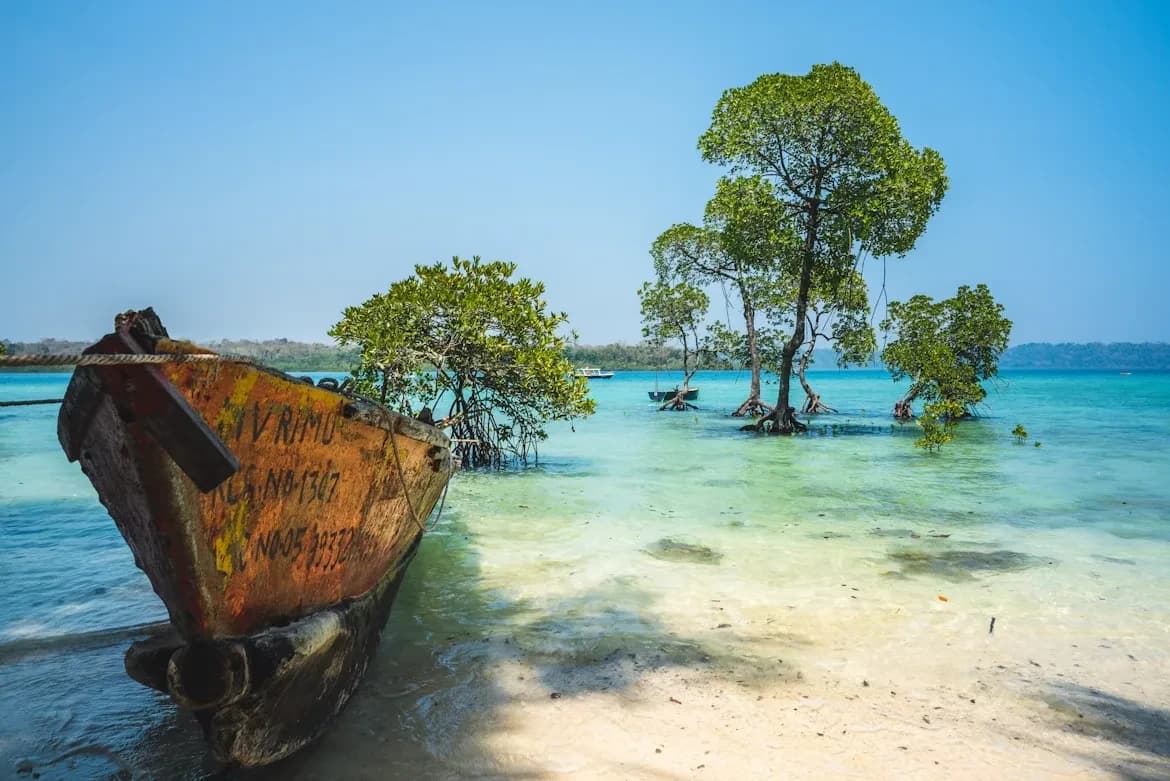 honeymoonAndaman IslandsVisited Andaman in August 2018 — Radhanagar Beach at dawn, Cellular Jail sound-and-light show, Neil Island in the monsoon quiet. Real INR costs and what tourists miss.Explore guide
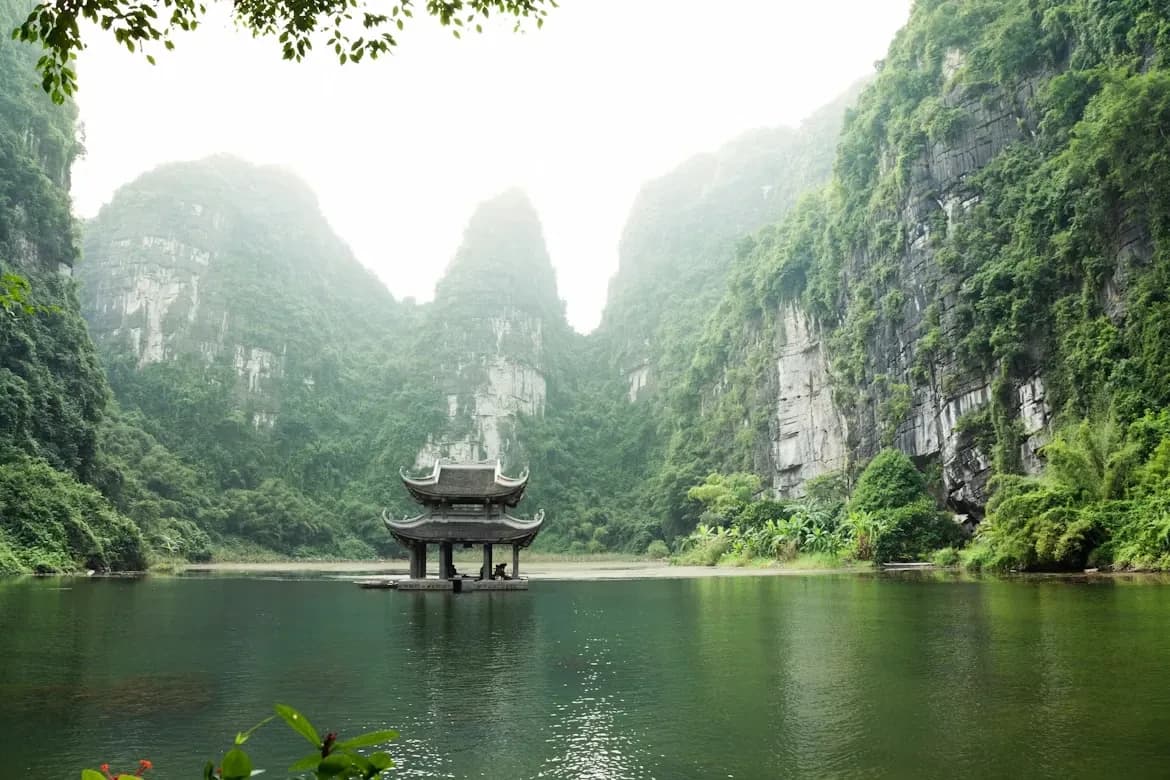 newVietnamVisited Vietnam in November 2024 — Ha Long Bay sunrise from the boat deck, Hoi An lanterns at dusk, Sapa rice terraces in morning mist. Real VND costs and what Indian tourists miss.Explore guide
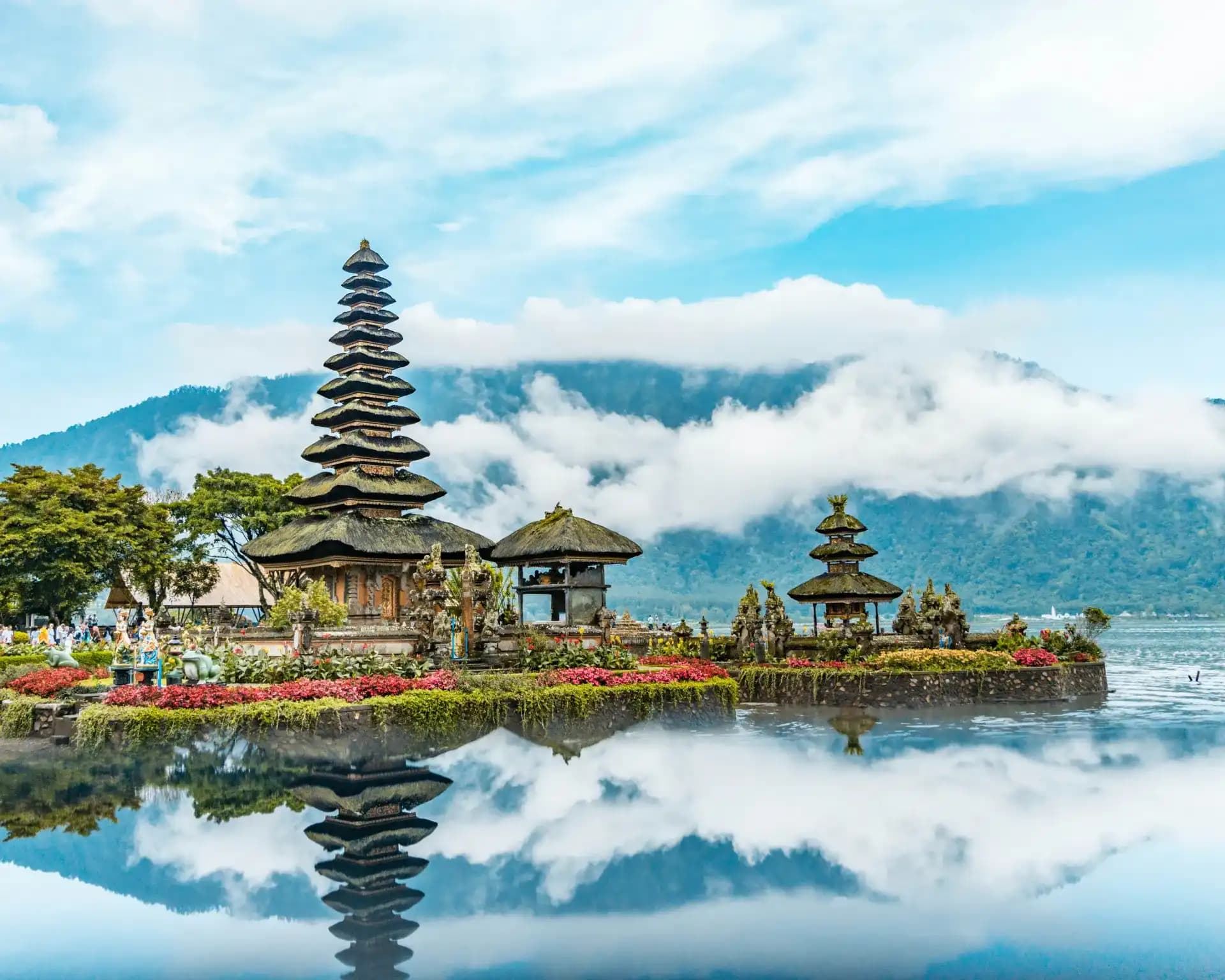 honeymoonBaliTegallalang rice terraces at sunrise, Uluwatu cliff temple at sunset, Nusa Penida crystal bay. Real IDR costs, visa on arrival process, what Indian tourists miss.Explore guide
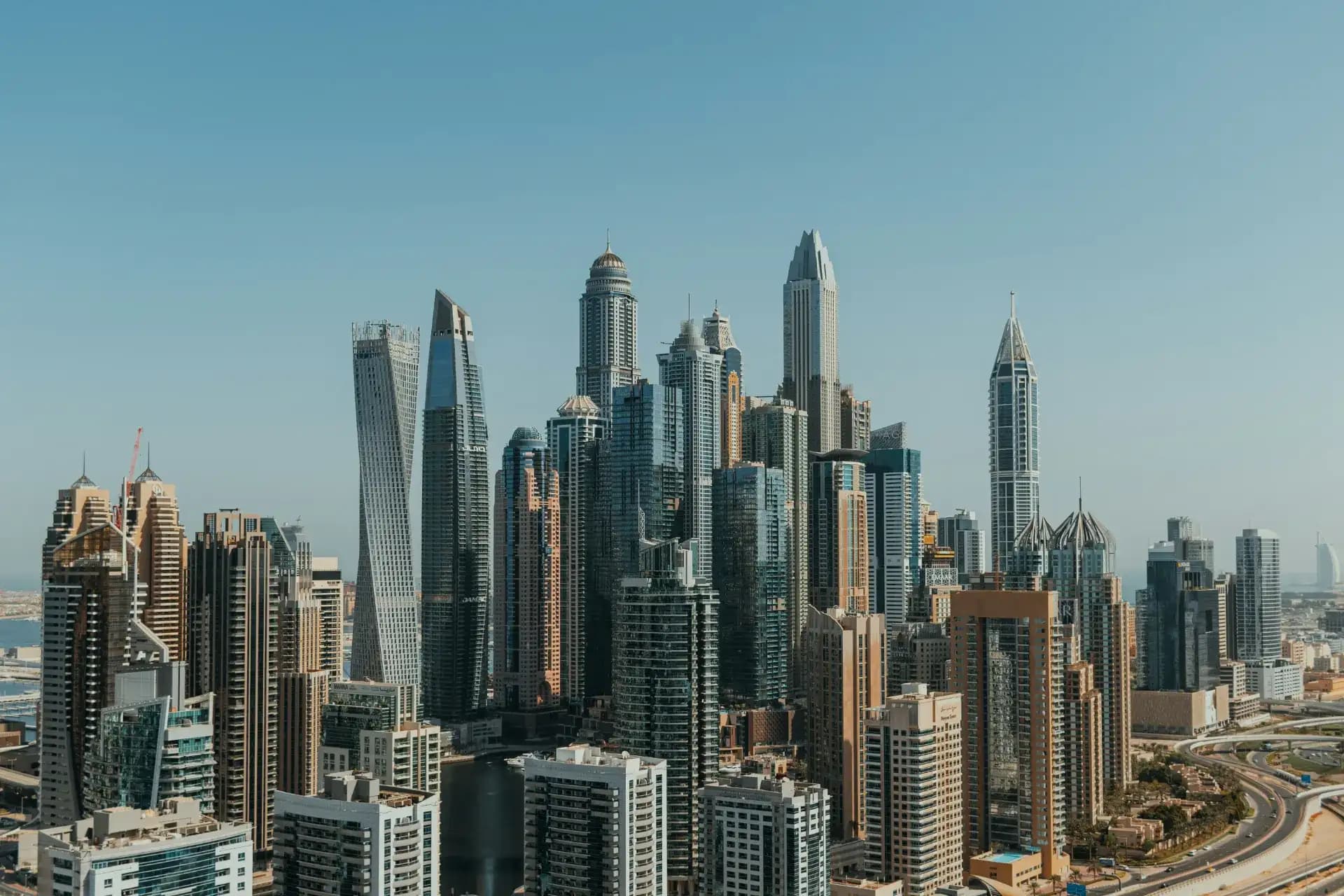 popularDubaiBurj Khalifa at sunset, Liwa desert at dawn, Gold Souk in the evening. Real AED costs, visa-free entry for Indians, what tourists miss.Explore guide
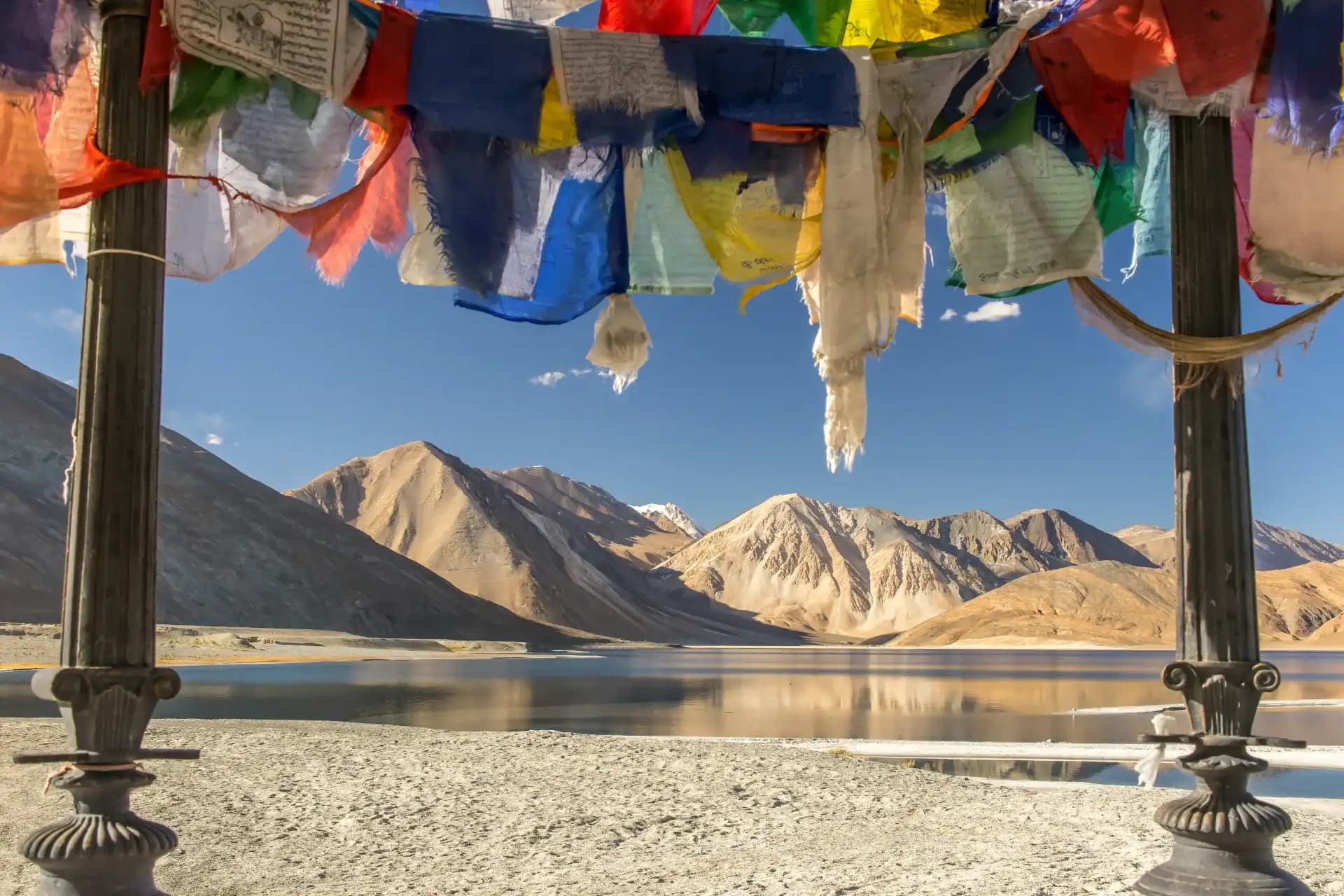 popularLeh & LadakhVisited Ladakh 4 times including Chadar Trek 2023 and July 2025 summer circuit. Pangong at sunrise, Nubra Valley dunes, Zanskar frozen river. Real INR costs and what tourists miss.Explore guide
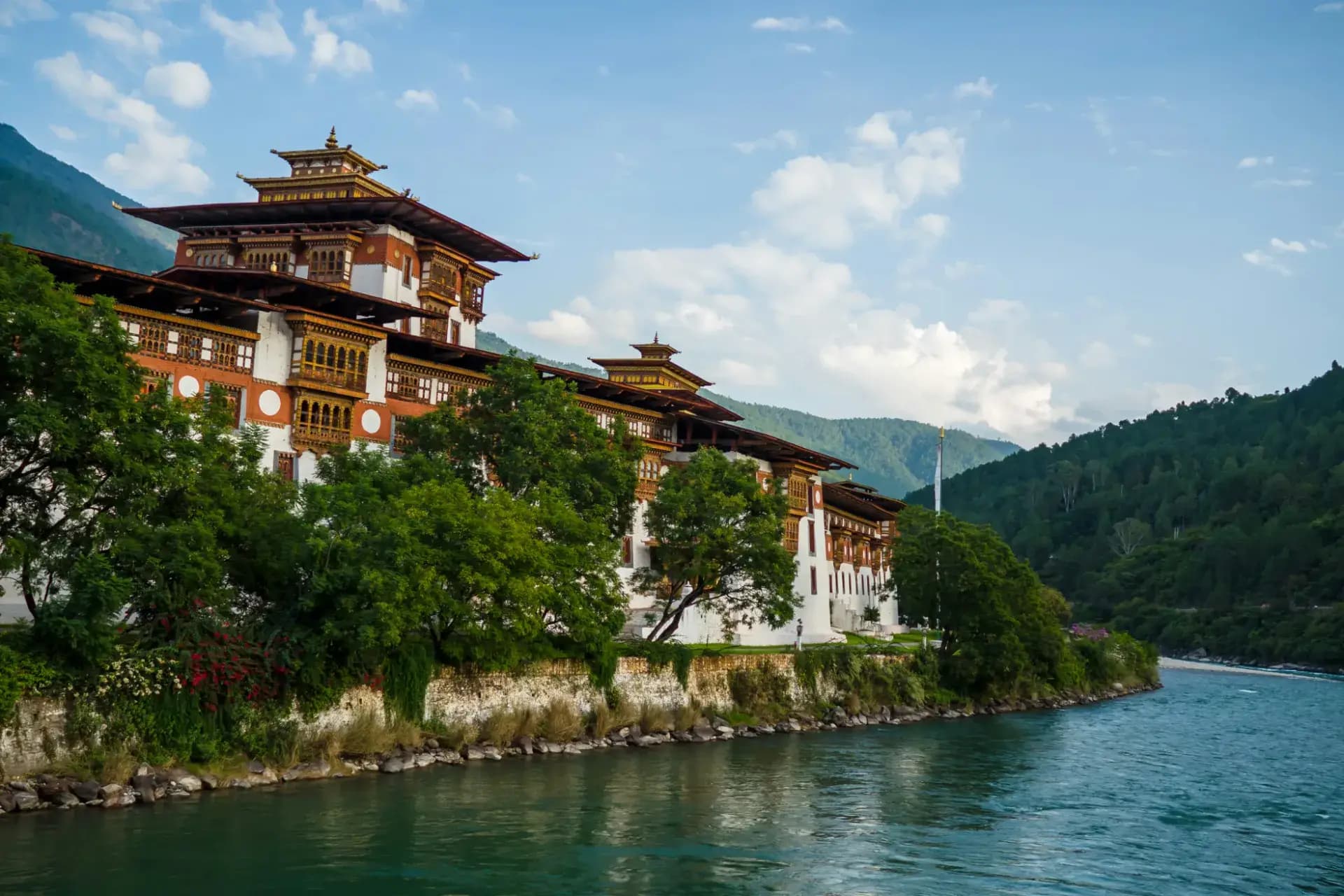 honeymoonBhutanVisited Bhutan in July 2023 — Tiger's Nest in morning mist, Punakha Dzong in monsoon flood season, Haa Valley with no other tourists. Real INR costs and what Indian tourists miss.Explore guide
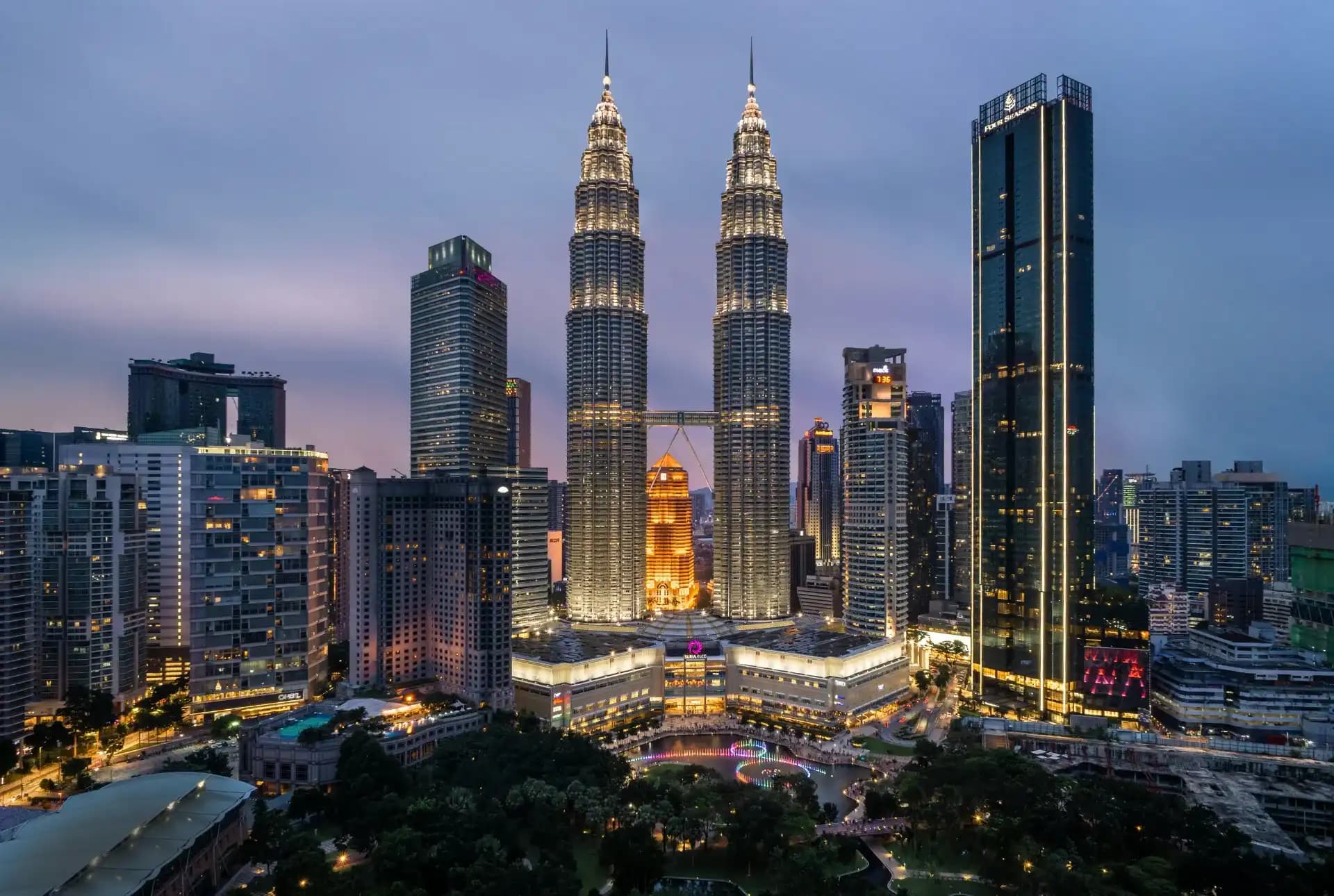 trendingMalaysiaPetronas Towers at blue hour, Penang street art at dawn, Langkawi sky bridge above the clouds. Real MYR costs, visa-free entry, what Indian tourists miss.Explore guide
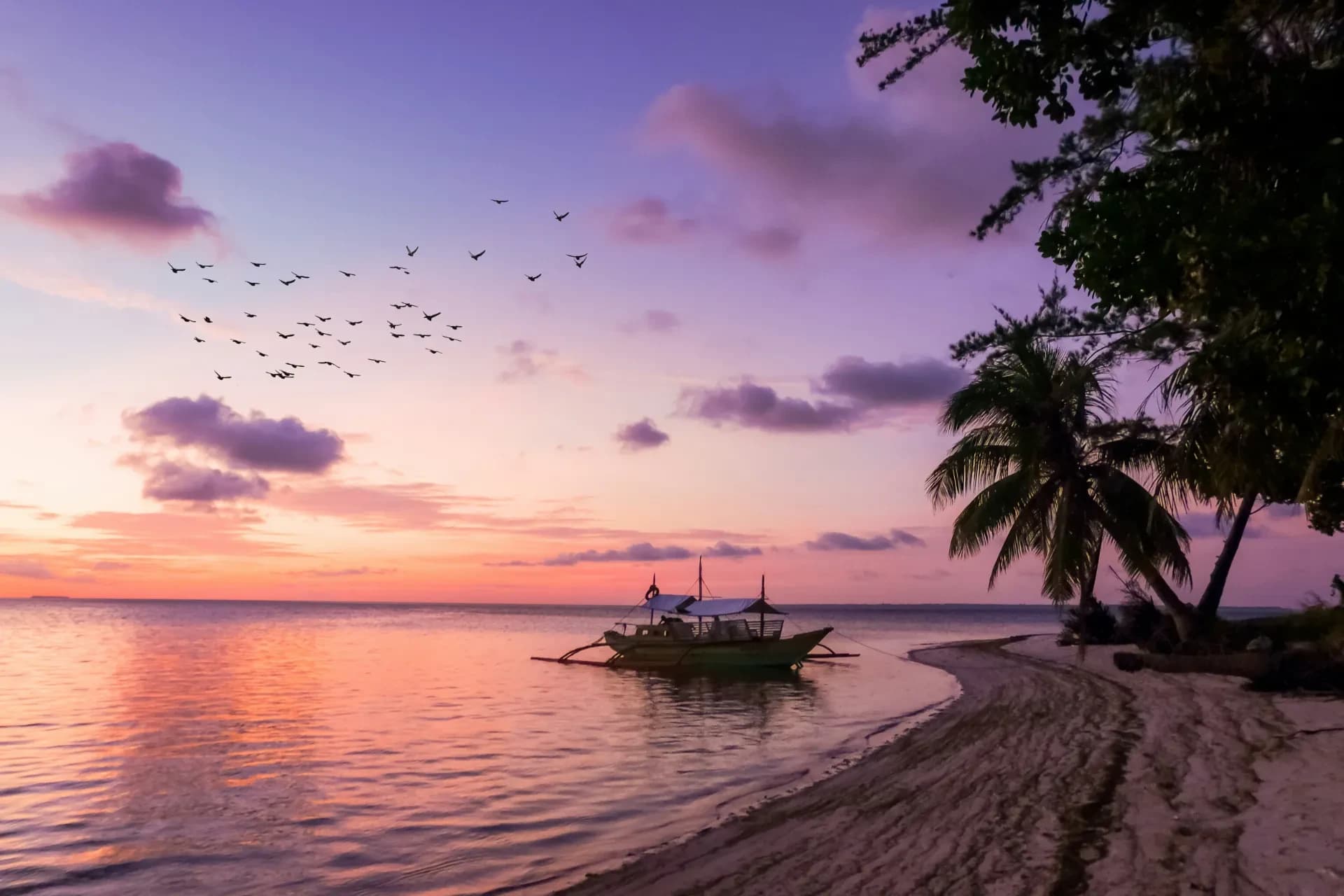 trendingPhilippinesEl Nido lagoons at sunrise, Boracay White Beach at golden hour, Chocolate Hills at dawn. Real PHP costs, visa-free entry, what Indian tourists miss.Explore guide
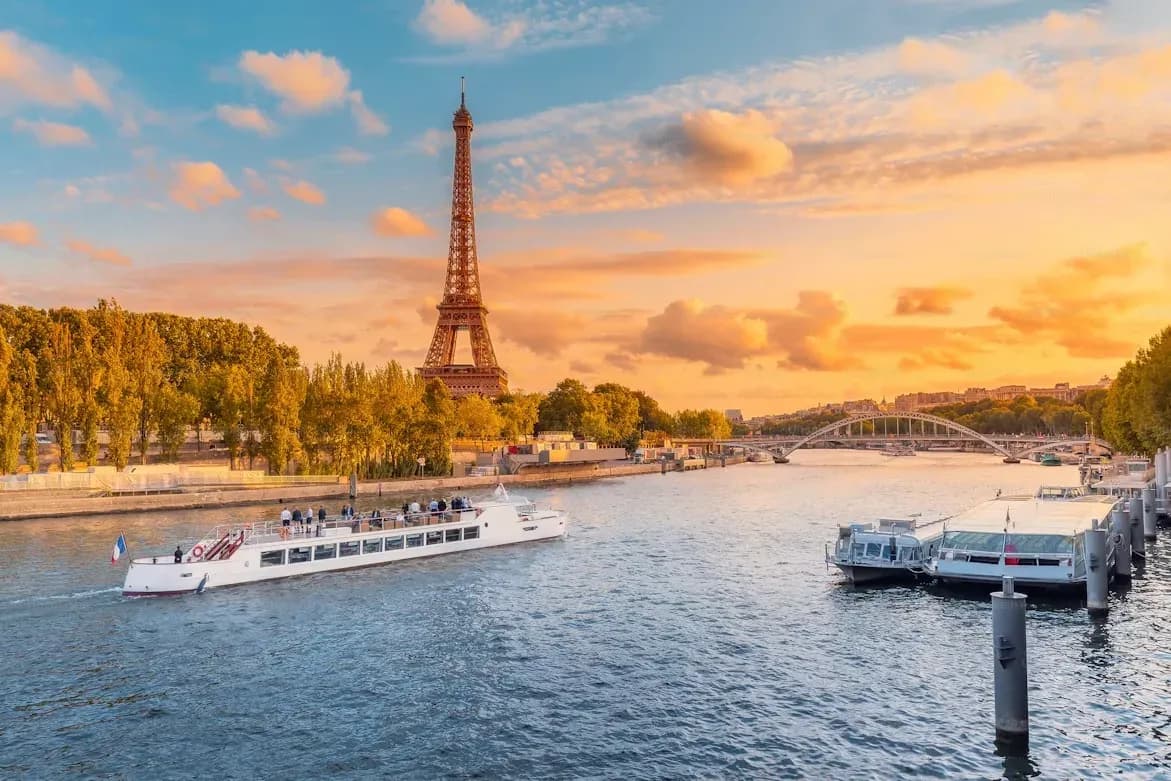 honeymoonParis & SwitzerlandFamily trip to Paris and Switzerland in March 2026 — Eiffel Tower summit with kids, snow at Jungfraujoch, Versailles gardens, Lucerne covered bridge. Real costs for families, Schengen visa guide, what works with children.Explore guide
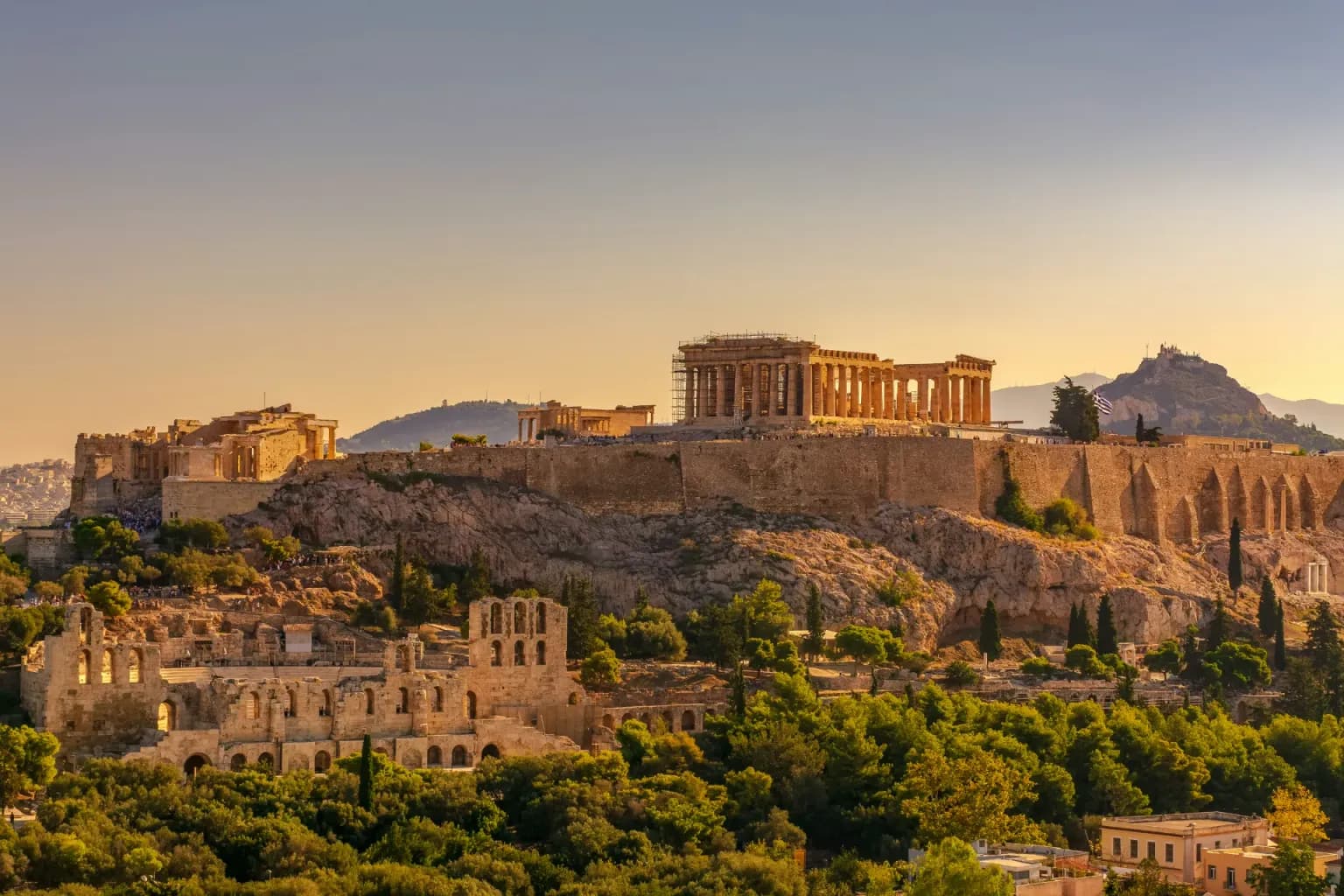 trendingGreeceAcropolis at 8am with 12 people, Santorini caldera in winter stillness, Meteora monasteries in frost. Real EUR costs, Schengen visa guide, what Indian tourists miss.Explore guide
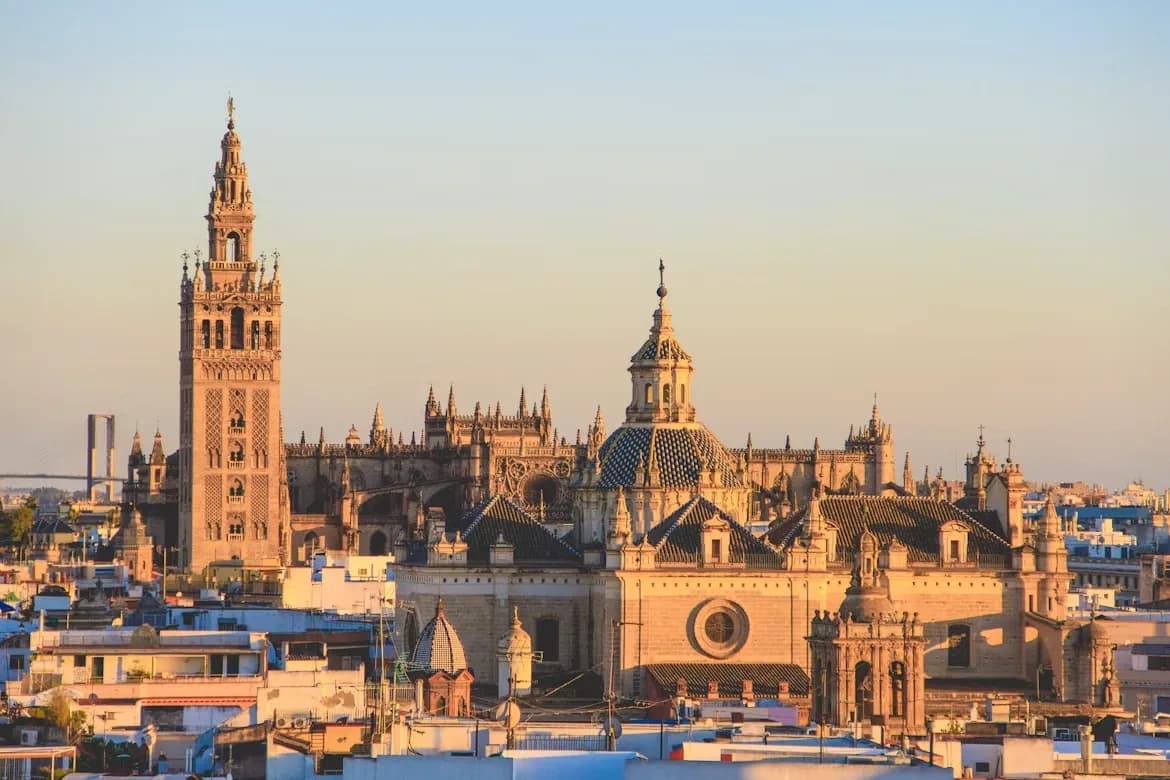 newSpainA Gaudí cathedral still under construction after 140 years, flamenco in a Granada cave bar, and the world's best ham in a Madrid market — Spain is Europe's most alive destination.Explore guide
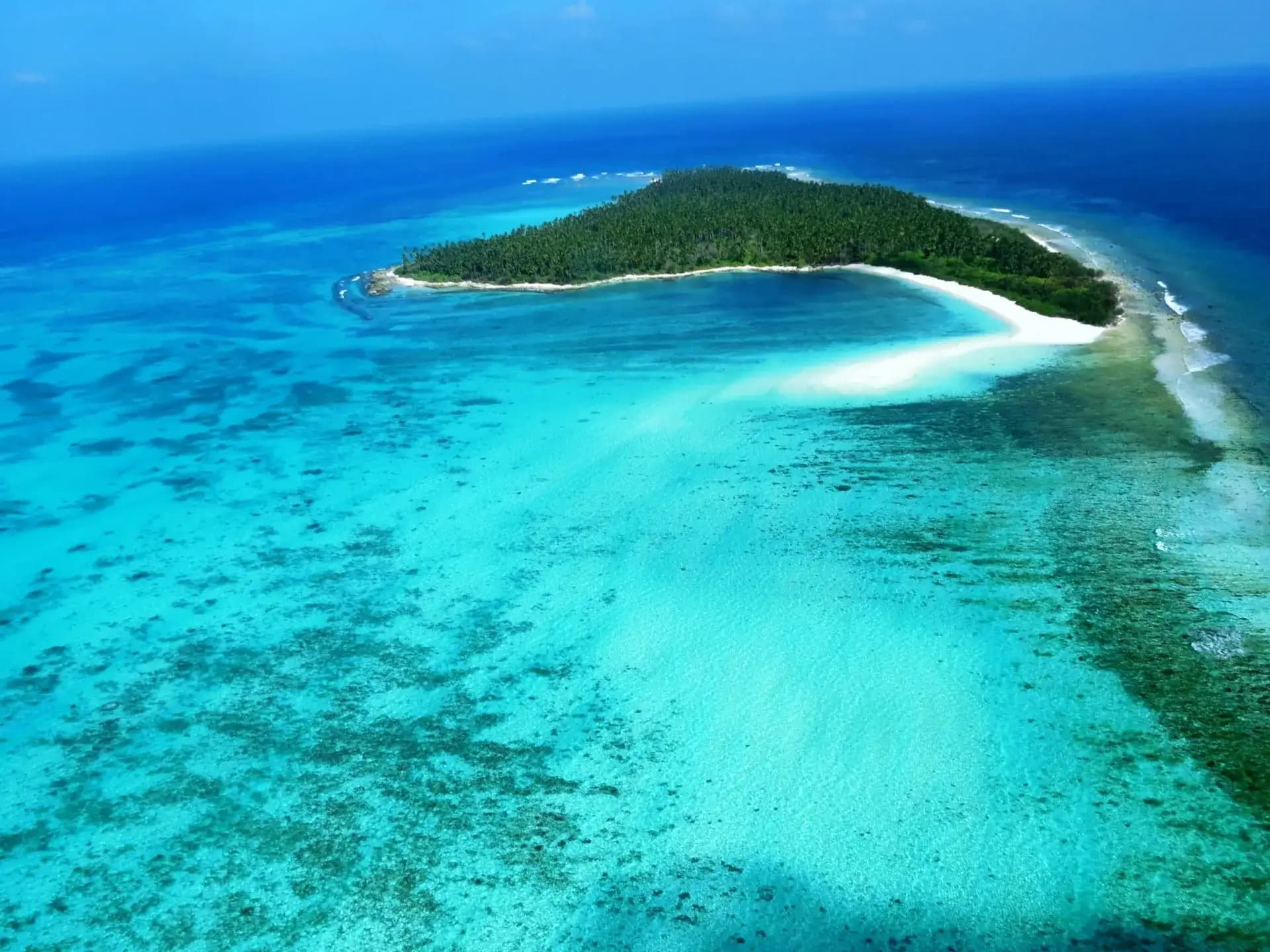 honeymoonLakshadweepBangaram Island lagoon at sunrise, coral reef snorkelling, the clearest water in India. Entry permit guide, costs, and what Indian tourists miss.Explore guide
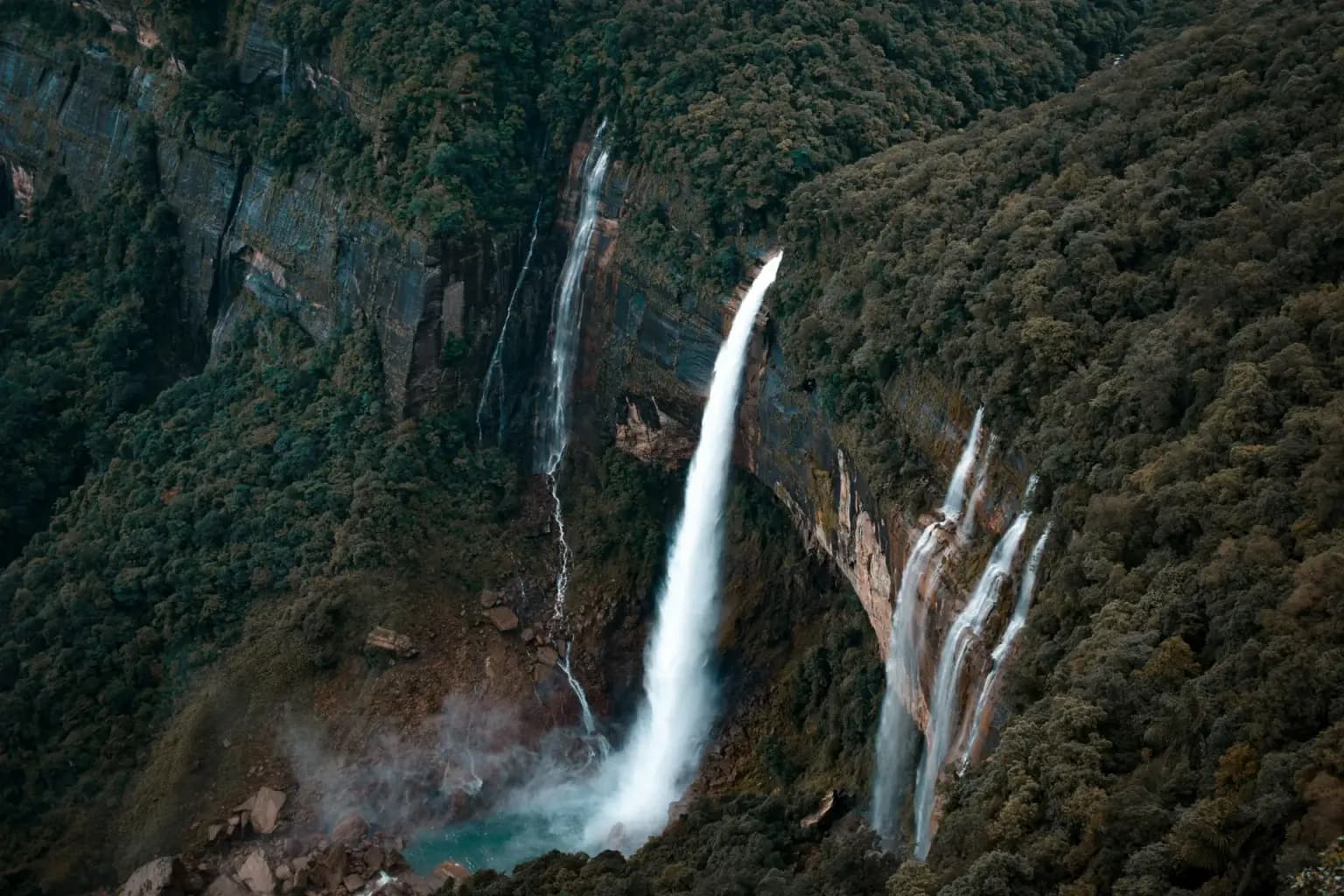 popularMeghalayaNohkalikai Falls in full monsoon roar, living root bridges in deep green, Dawki crystal-clear river. Plus Kaziranga safari season guide. Real INR costs.Explore guide
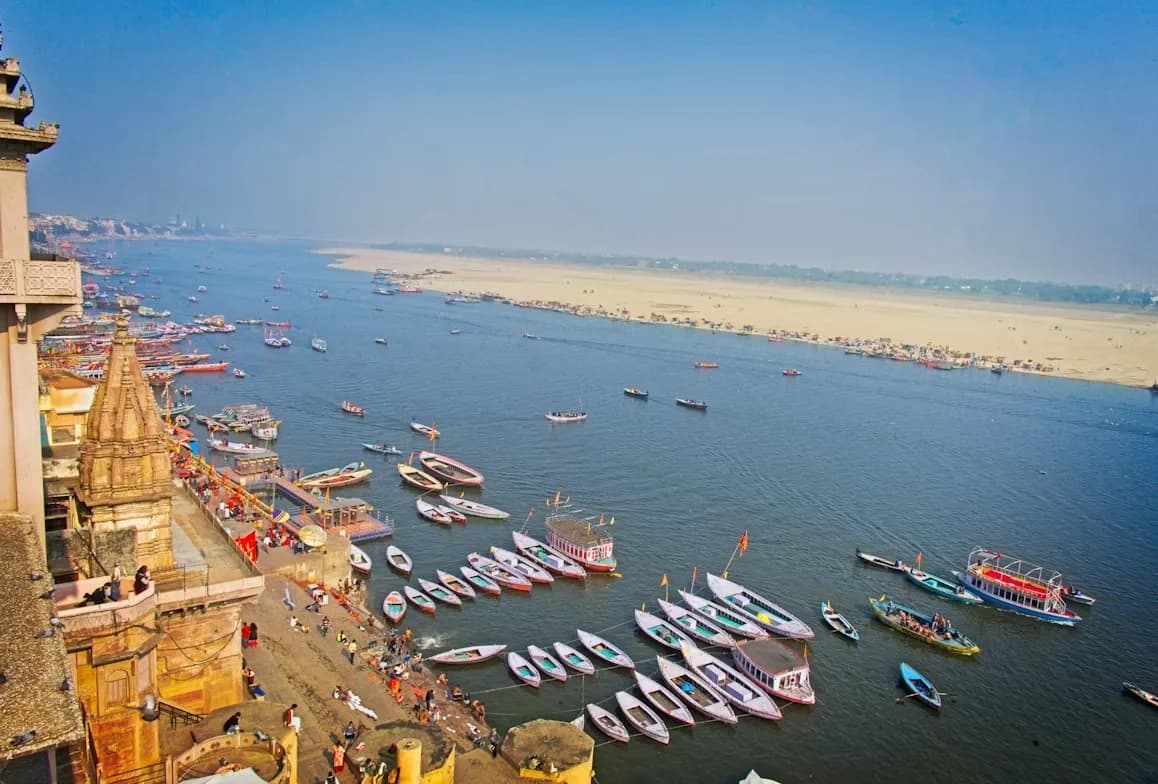 IndiaVaranasiGanga Aarti at dawn, Manikarnika at midnight, Sarnath at sunrise. Real INR costs and what tourists miss beyond the ghat photographs.Explore guide
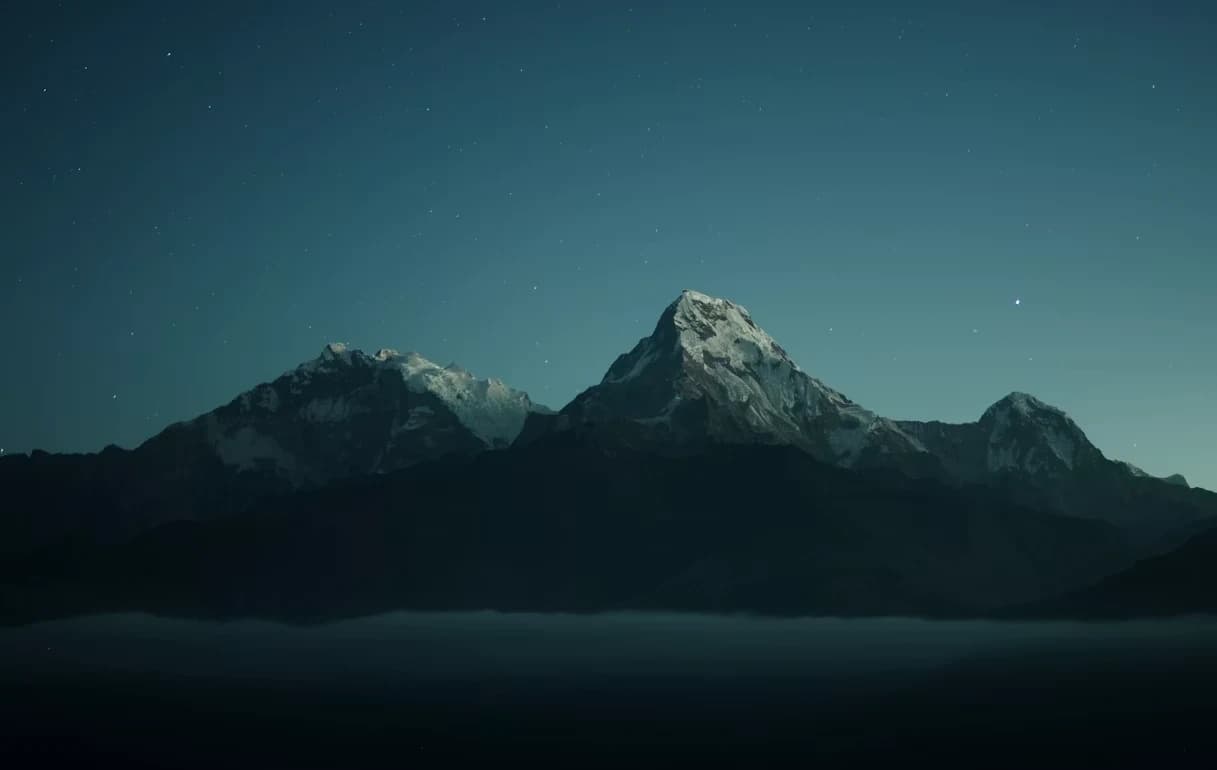 budgetNepalSarangkot sunrise above clouds, rhododendron forest at Poon Hill, Pashupatinath at dawn. Visa free for Indians, real INR costs, what tourists miss.Explore guide
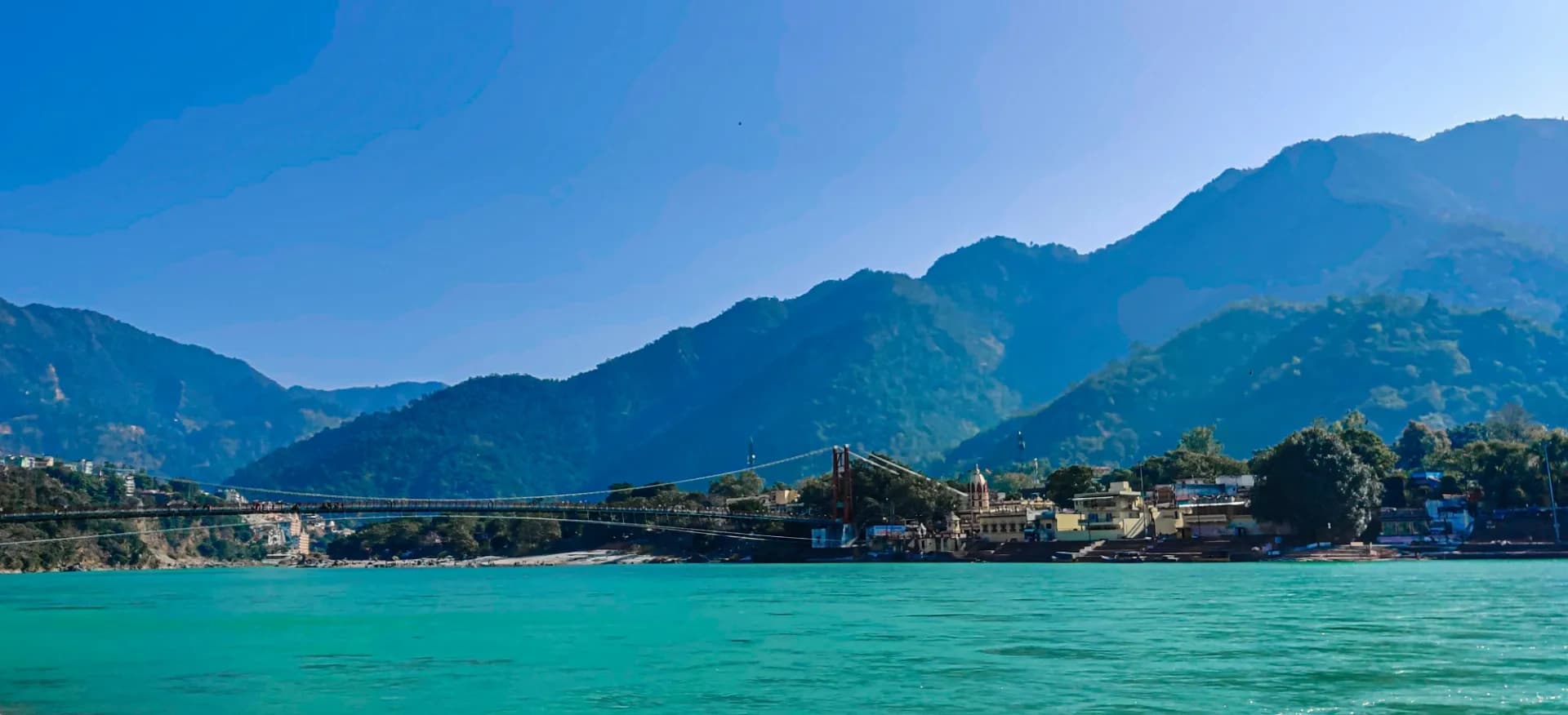 IndiaUttarakhandKedarnath trek costs, Chopta snow season, Auli skiing tips and Rishikesh rafting guide for Indians. Full itinerary and permit guide inside.Explore guide
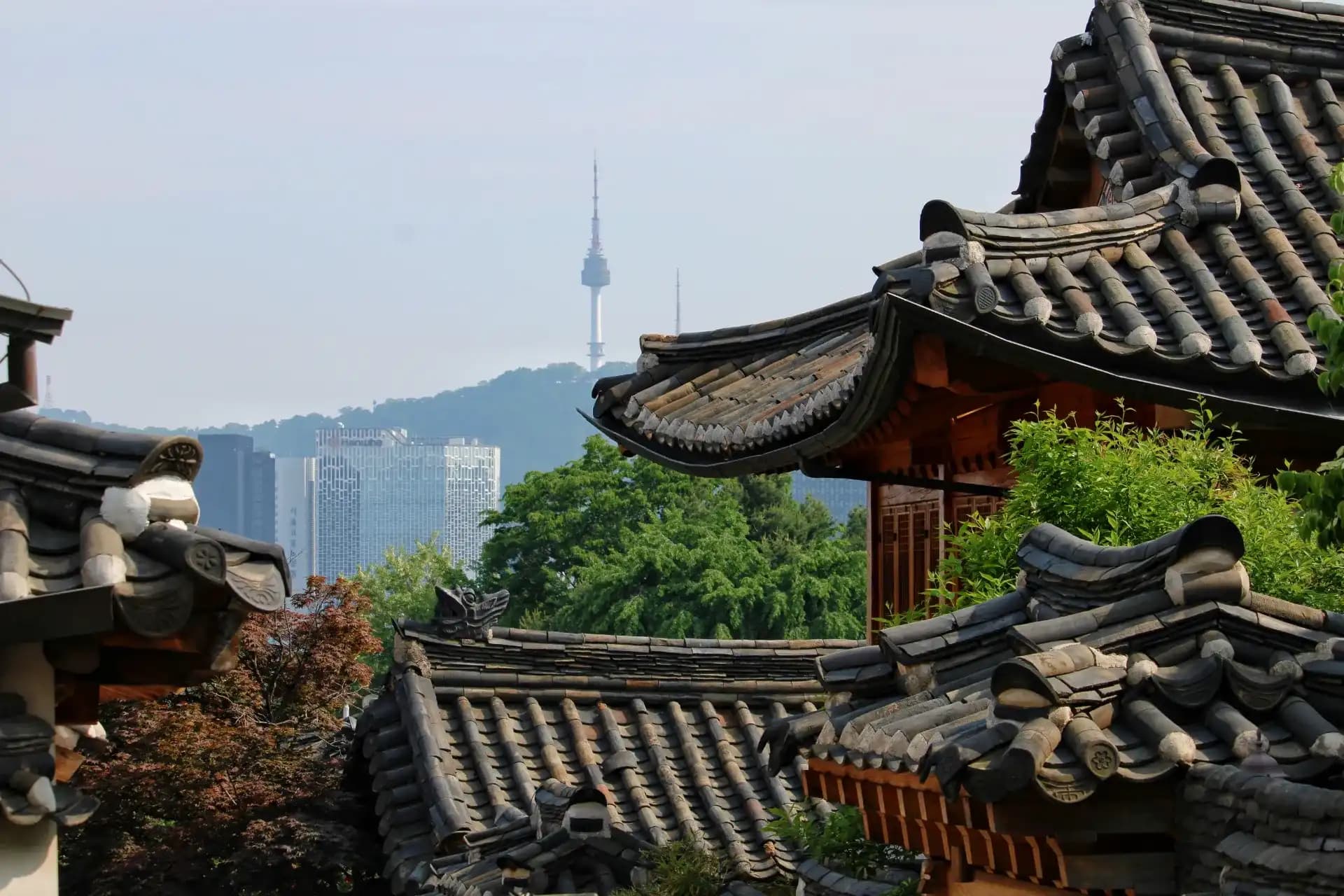 South East AsiaSouth KoreaSeoul Gyeongbokgung hanbok experience, Jeju cherry blossoms, Busan seaside temple and visa process. Full itinerary and KRW costs inside.Explore guide
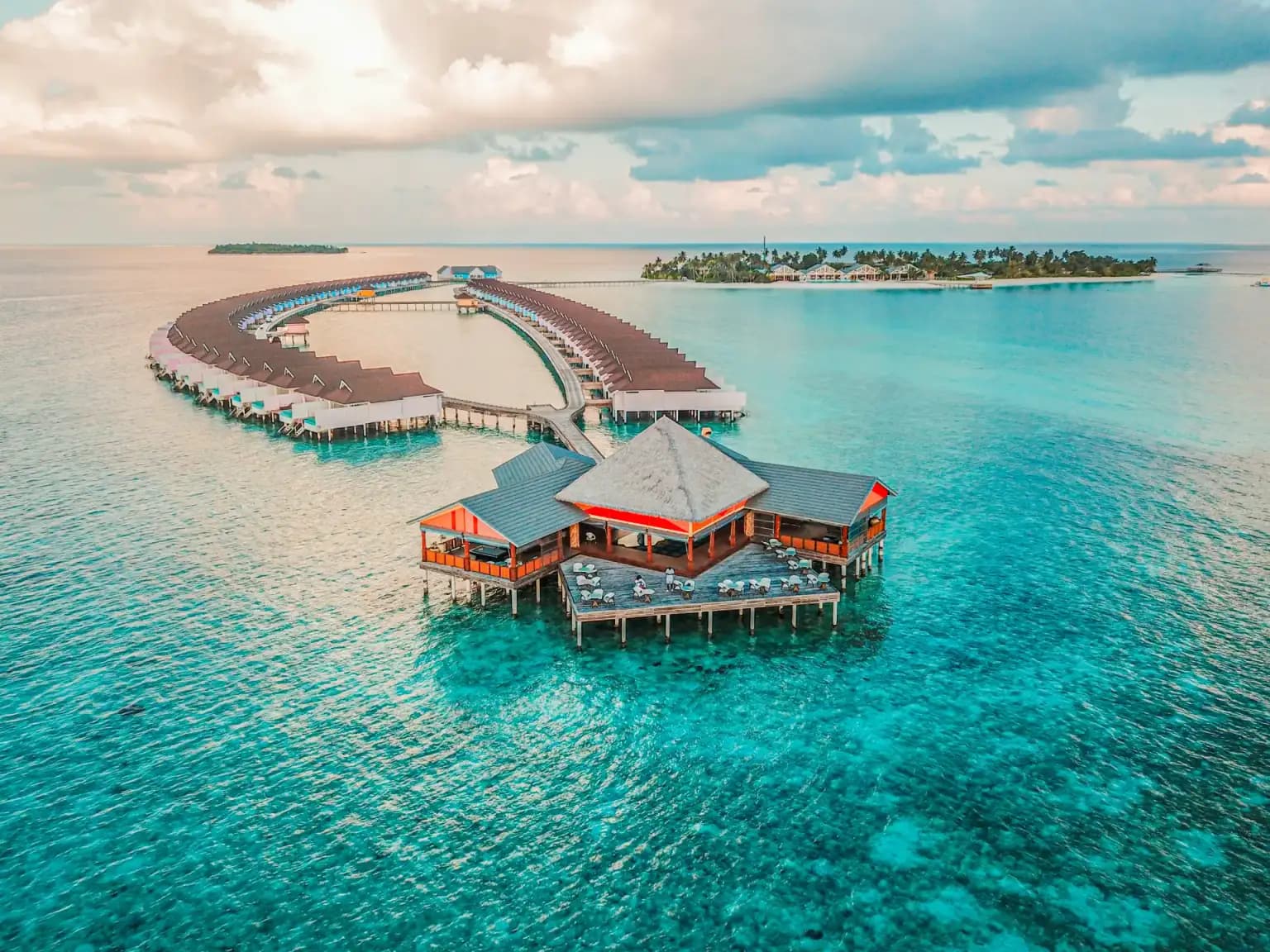 honeymoonMaldivesOverwater villa costs, whale shark snorkelling in Ari Atoll, budget Maafushi guesthouse option and visa-free entry guide. Full itinerary inside.Explore guide
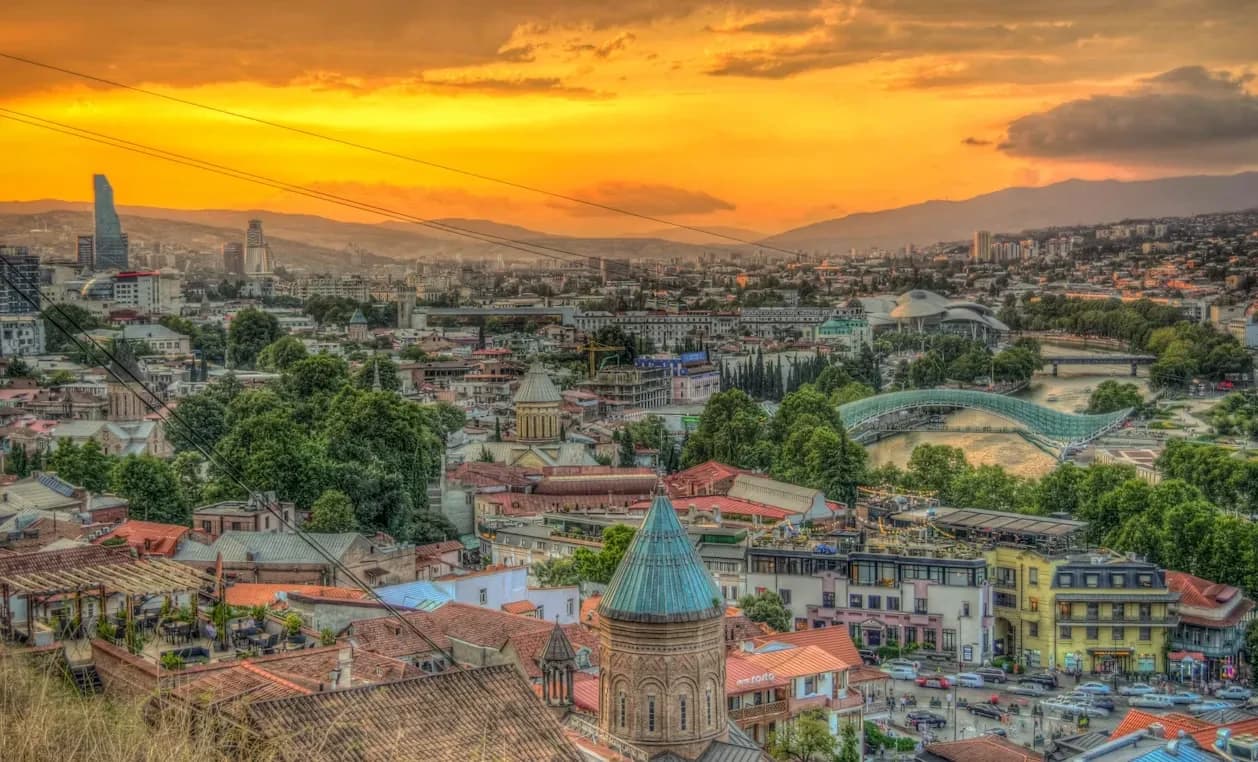 newGeorgiaGergeti Trinity Church in Kazbegi snow, Tbilisi sulfur baths, Kakheti wine caves and 365-day visa-free entry. Budget GEL costs and full Caucasus itinerary inside.Explore guide
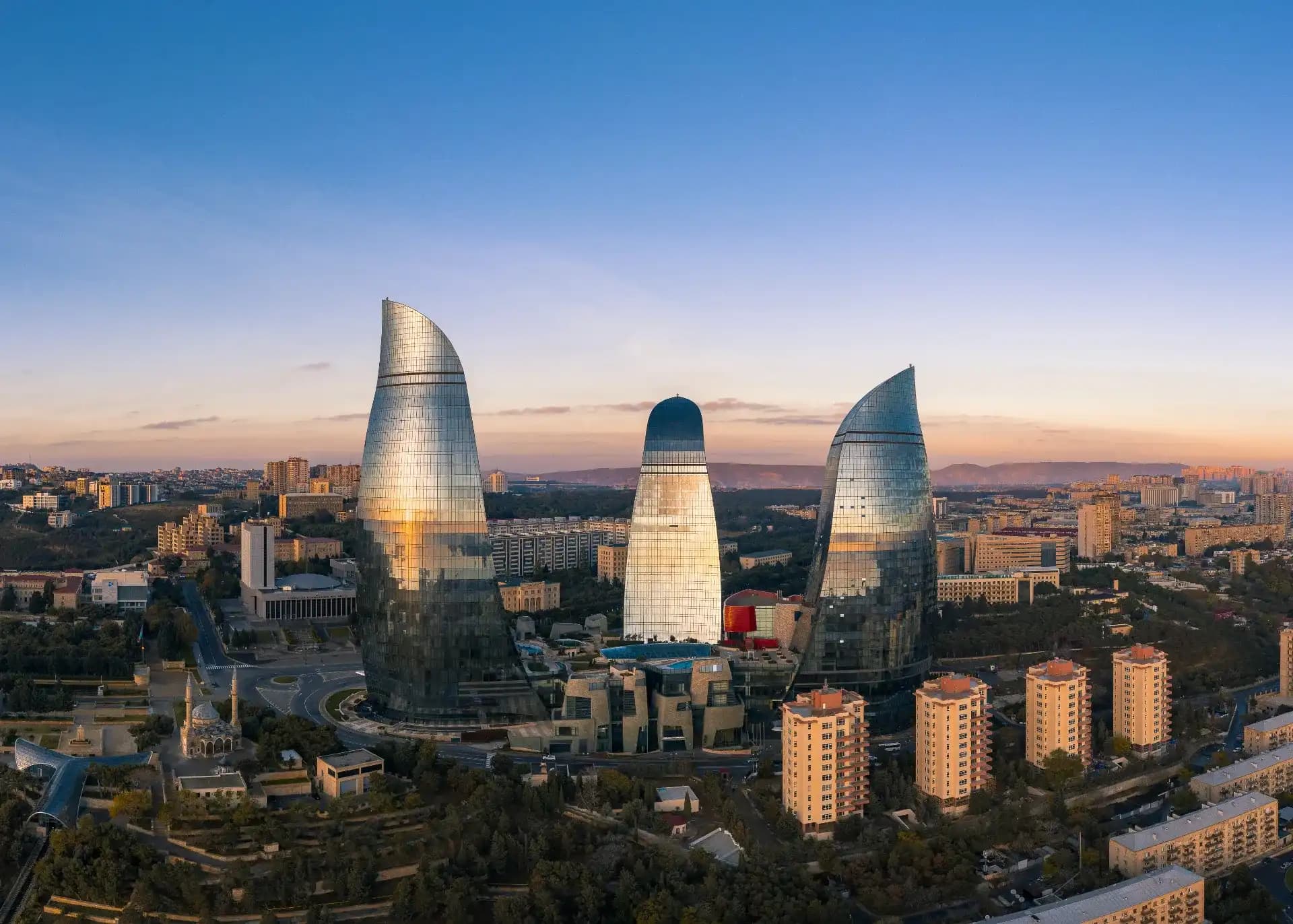 newAzerbaijanAzerbaijan travel guide 2026 for Indians — Baku Old City UNESCO, mud volcanoes at Gobustan, Sheki Khan's Palace stained glass and e-Visa USD 23 process. AZN costs and full itinerary inside.Explore guide
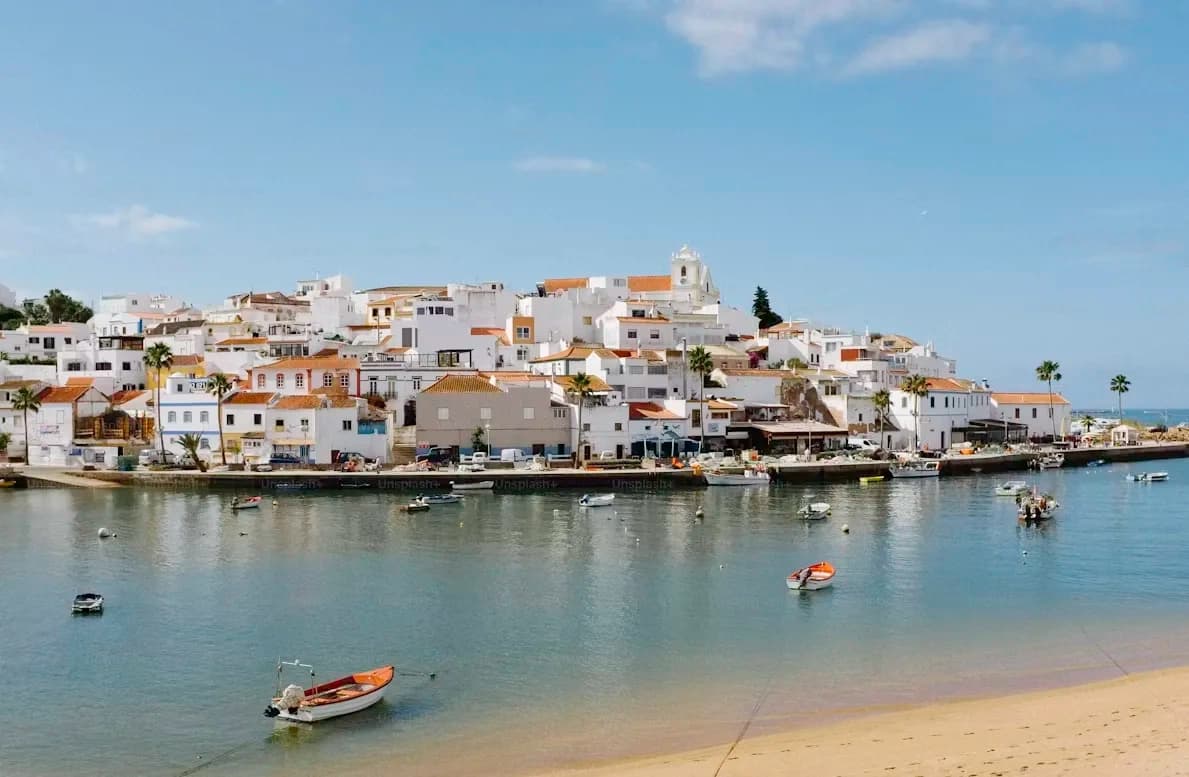 EuropePortugalSintra Pena Palace without summer crowds, Porto wine cellars, Lisbon Alfama Fado and Schengen visa steps. EUR costs and full itinerary inside.Explore guide
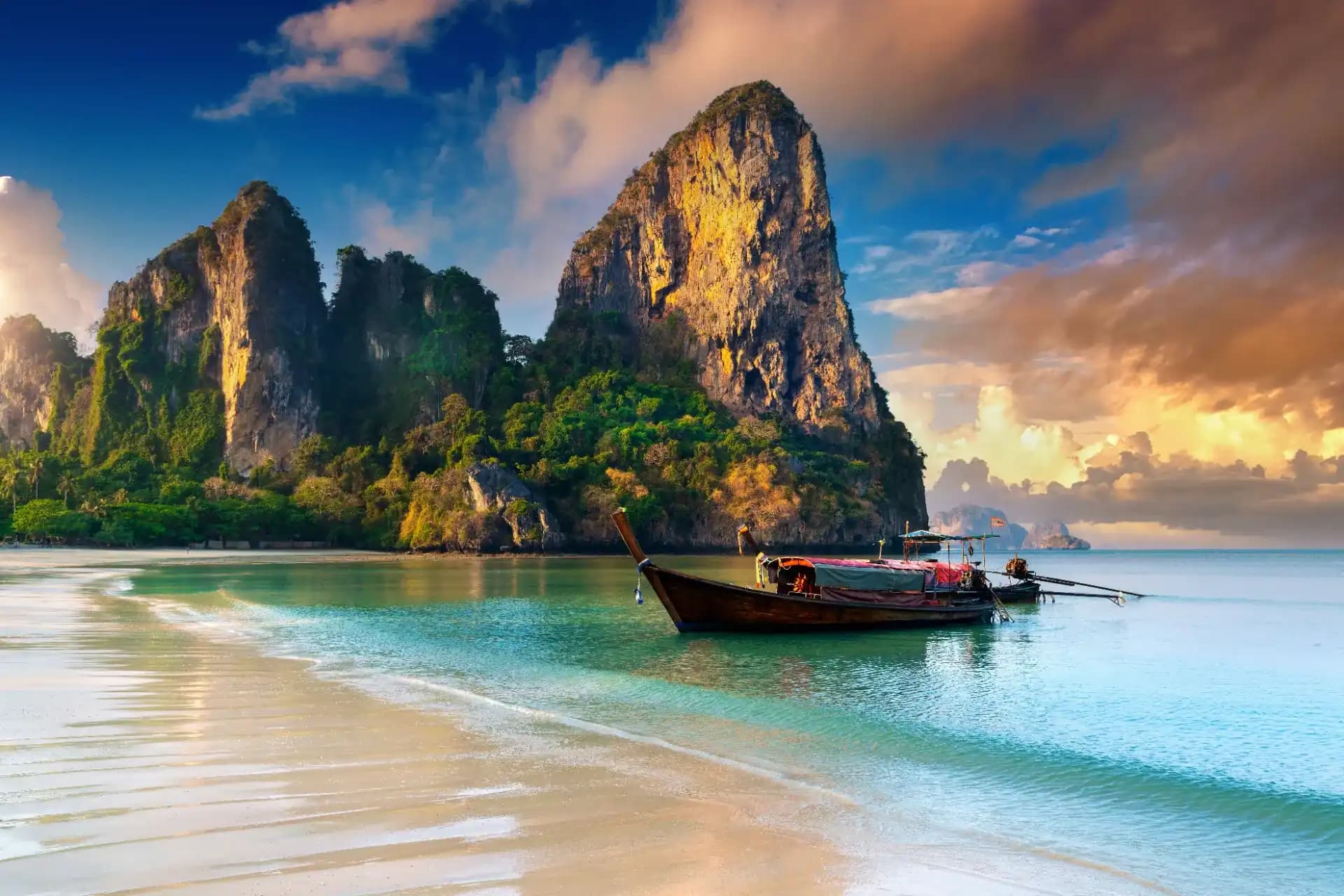 honeymoonMauritiusLe Morne UNESCO lagoon, Chamarel 7 Coloured Earth, Île aux Cerfs catamaran and free visa on arrival. July winter costs and complete itinerary inside.Explore guide
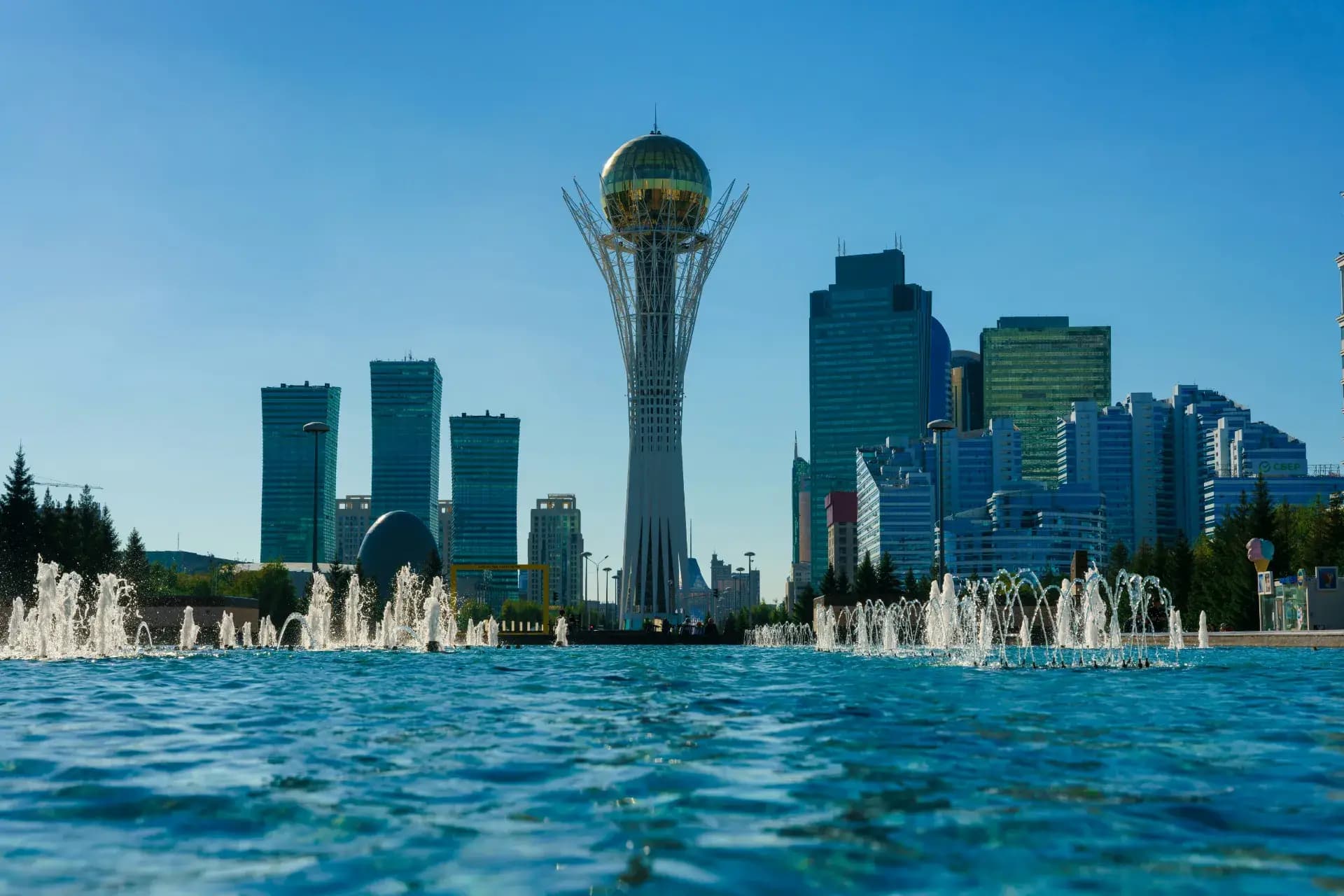 budgetKazakhstanCharyn Canyon at sunrise, Shymbulak skiing at 2,200m, Astana futuristic skyline and visa-free entry guide. March circuit costs and complete itinerary inside.Explore guide
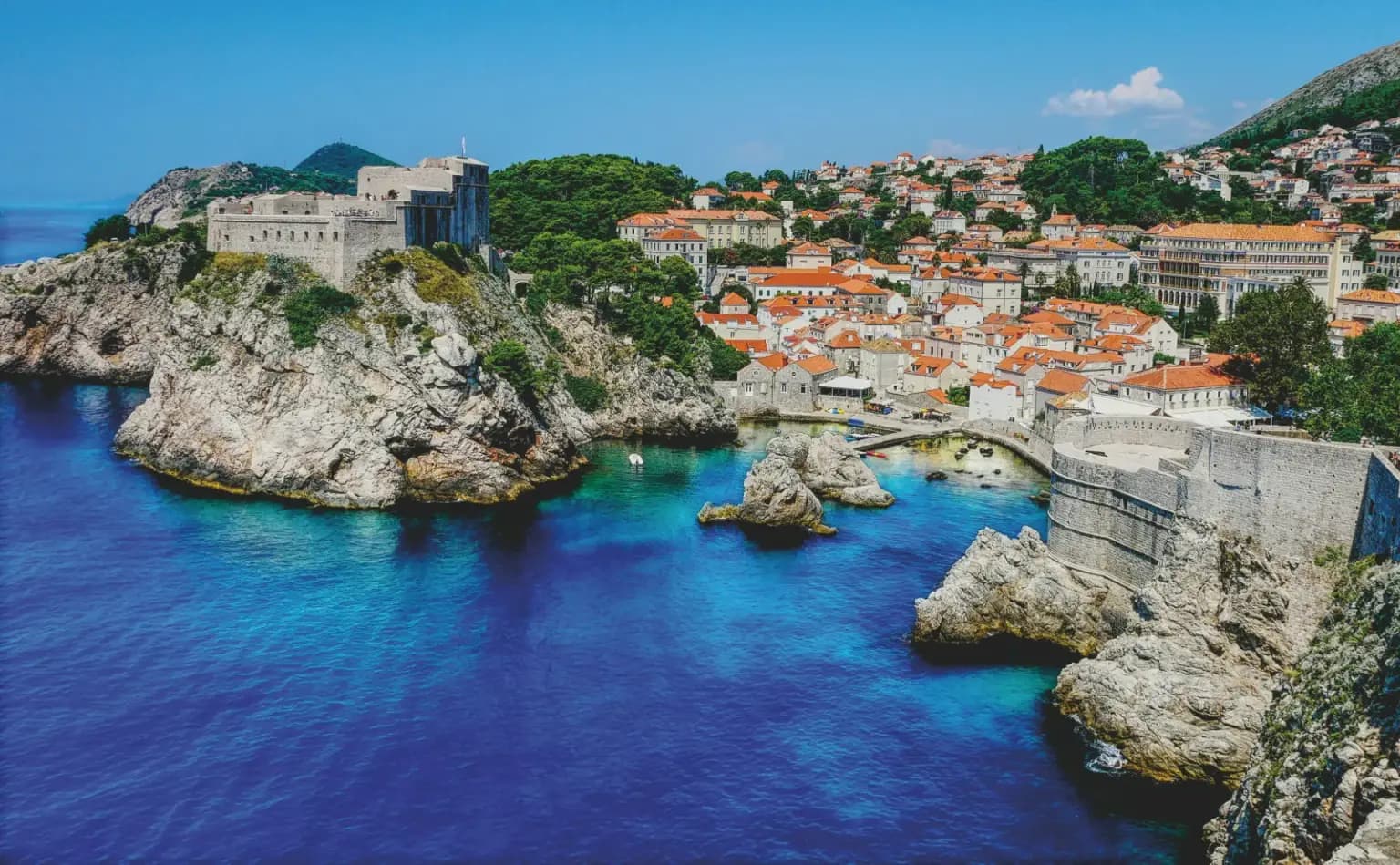 popularCroatiaDubrovnik Old City walls walk, Plitvice Lakes 16 waterfalls, Krka swimming and Schengen visa steps. EUR costs and complete Dalmatian Coast itinerary inside.Explore guide
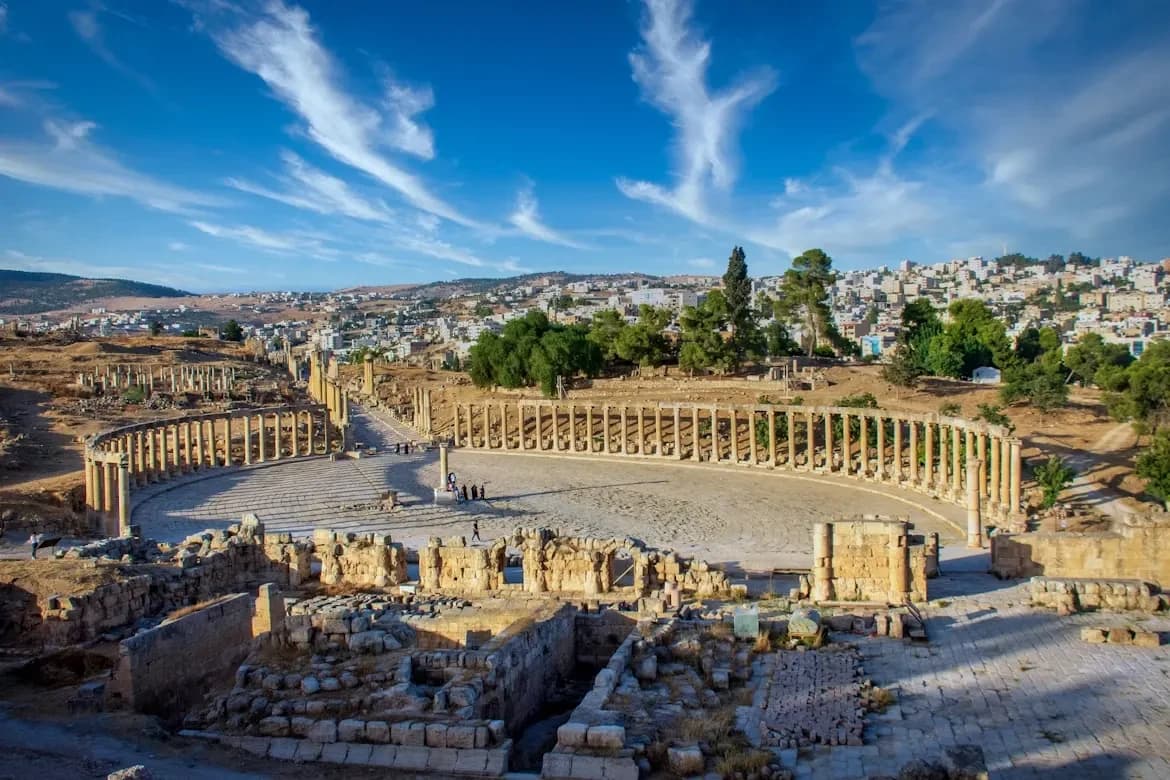 newJordanJordan has two experiences that exist nowhere else on Earth: the Petra Siq (1.2km narrow gorge approaching the Treasury — the building appearing as a framed vertical sliver at the gorge's end, growing wider until the full 40m facade reveals itself) and the Wadi Rum desert at night (the Milky Way from a Bedouin camp tent flap in the Valley of the Moon — the red desert floor, the sandstone monoliths in moonlight, the most complete night sky in the Middle East). Anmol Verma visited August 2024.Explore guide
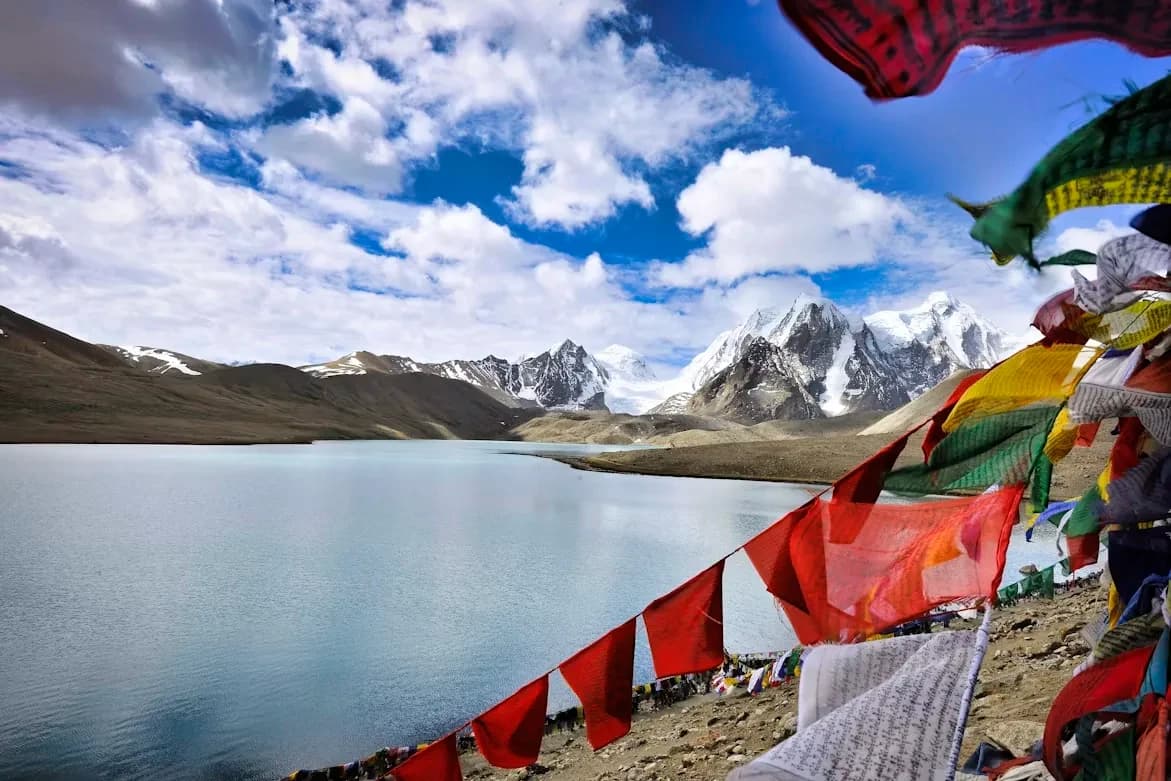 honeymoonSikkimSikkim gives the most geographically dramatic domestic Indian experience per kilometre — Gurudongmar Lake at , Nathula Pass at Yumthang Valley and Kangchenjunga visible from Pelling hotel window in the May morning clarity.Explore guide
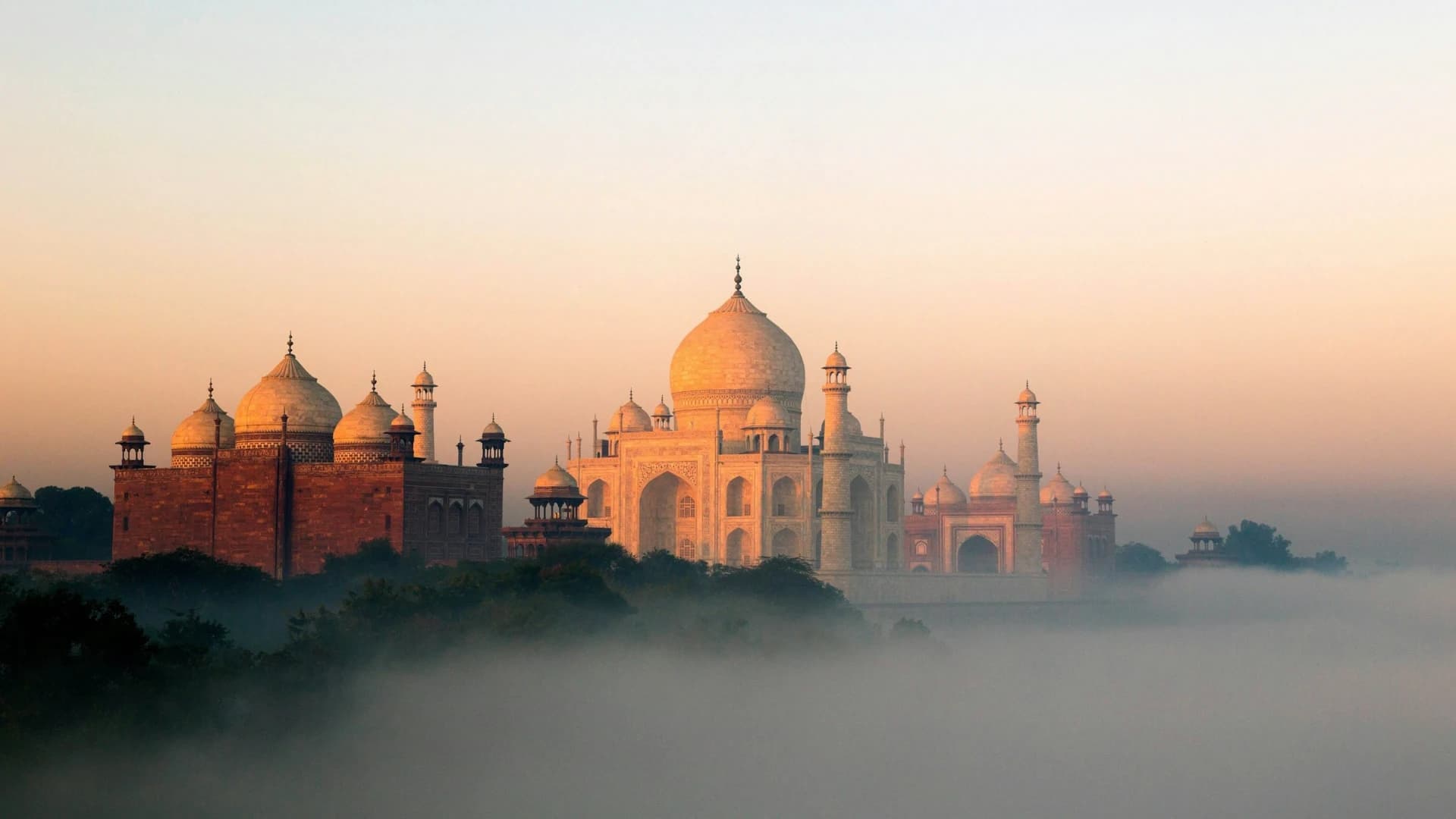
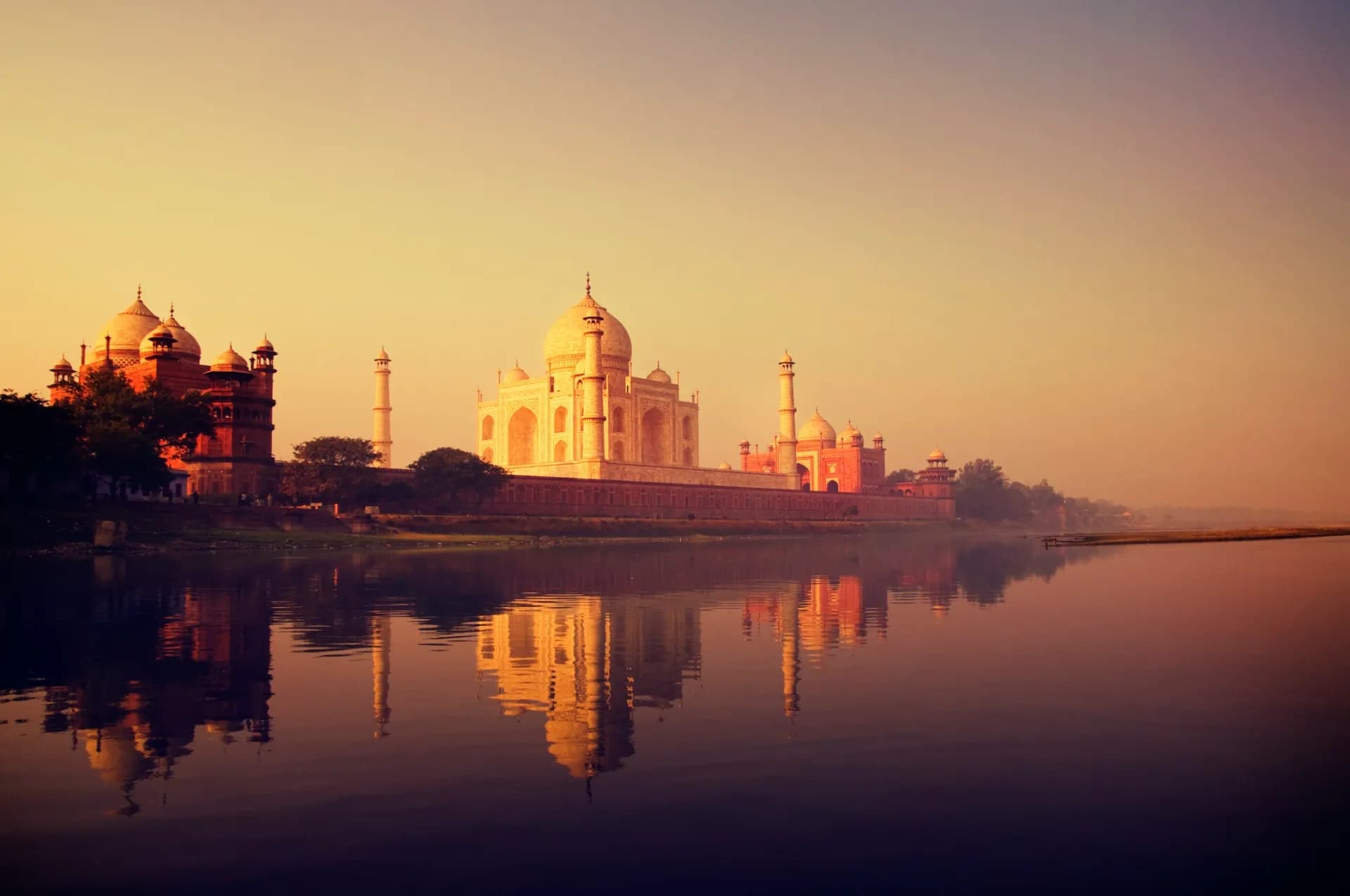 budgetAgraAgra & The Taj Mahal: A breathtaking journey to the heart of India's Mughal empire, crowned by the world’s ultimate monument to eternal love.Explore guide
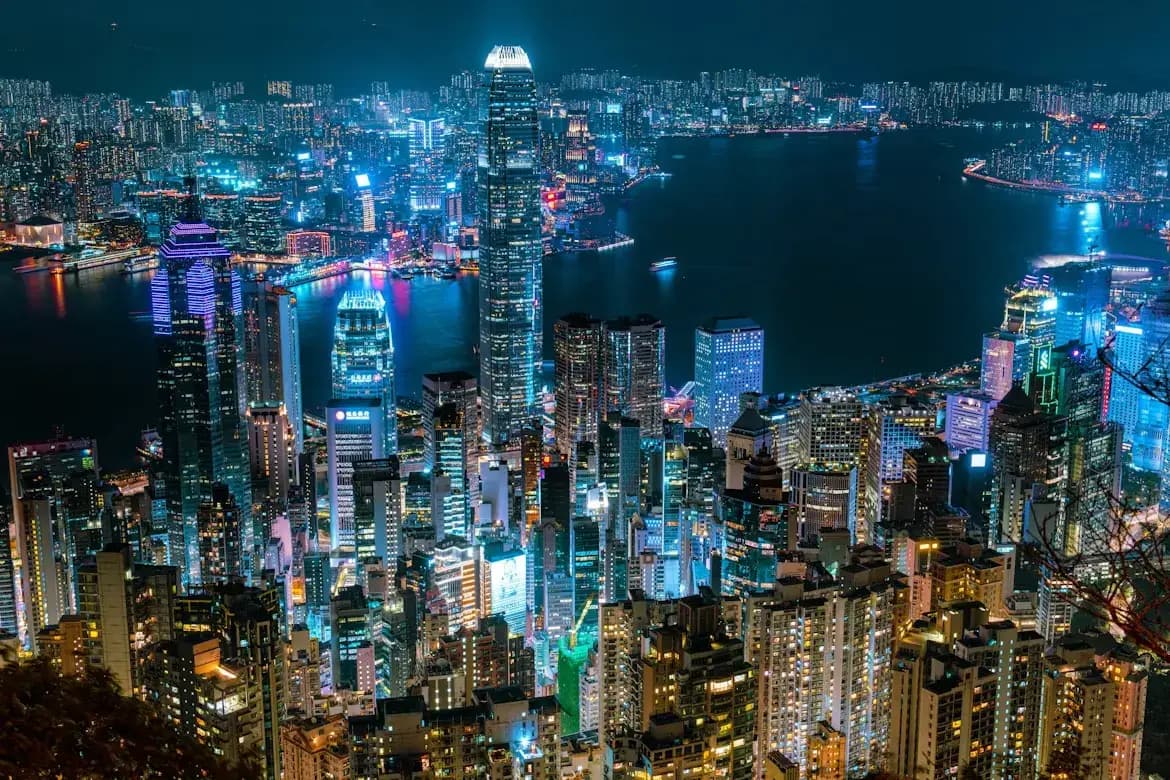 popularHong KongHong Kong is the most densely layered city in the world — a Chinese temple, a British colonial building, the most efficient modern metro system in Asia, and one of the most dramatic urban skylines on Earth simultaneously.Explore guide
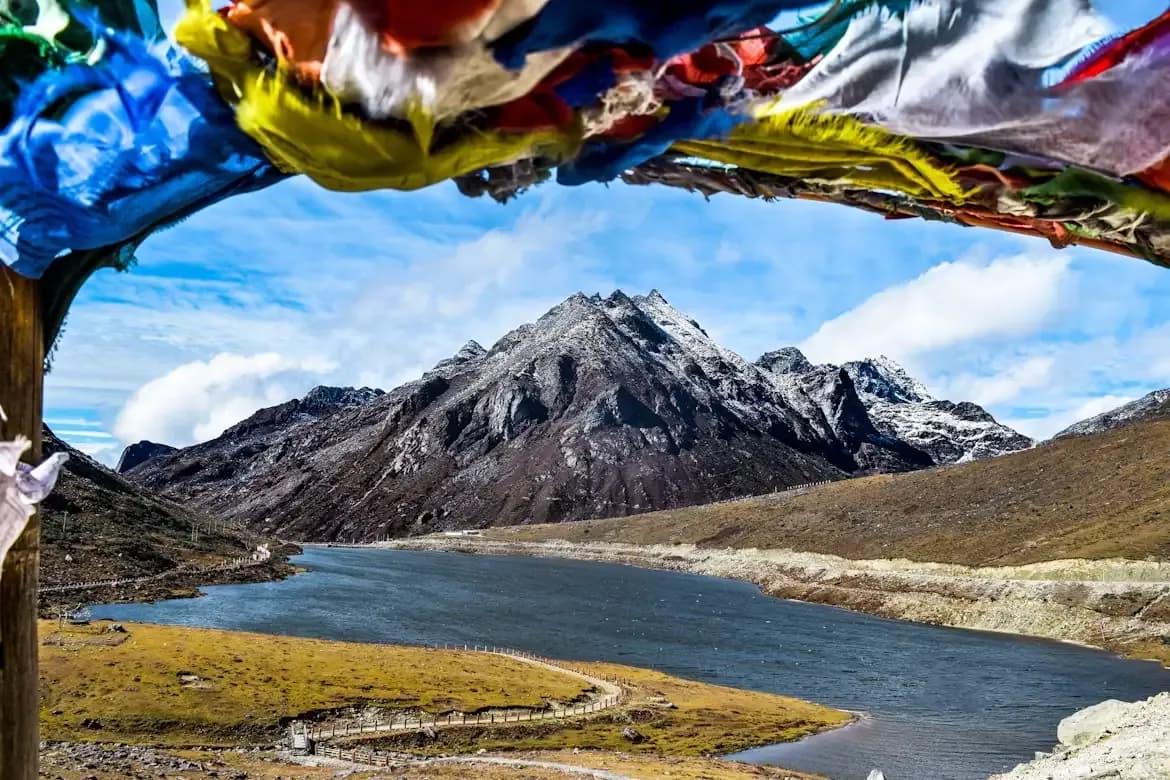 honeymoonArunachal PradeshArunachal Pradesh (the 'Land of the Dawn-Lit Mountains') is the most biodiverse and the least visited state of its geographic scale in India — 83,743 sq km (larger than Austria), 26 major tribes, the highest monastery in India, an active India-China border crossing, and Asia's most remarkable outdoor music festival in an Apatani tribal valley. Yeeshu Dhiman visited September 2023 — Tawang Monastery, Bum La Pass at 4,800m (India-China border), Sela Pass at 4,170m, Ziro Music Festival in the Apatani rice fields.Explore guide
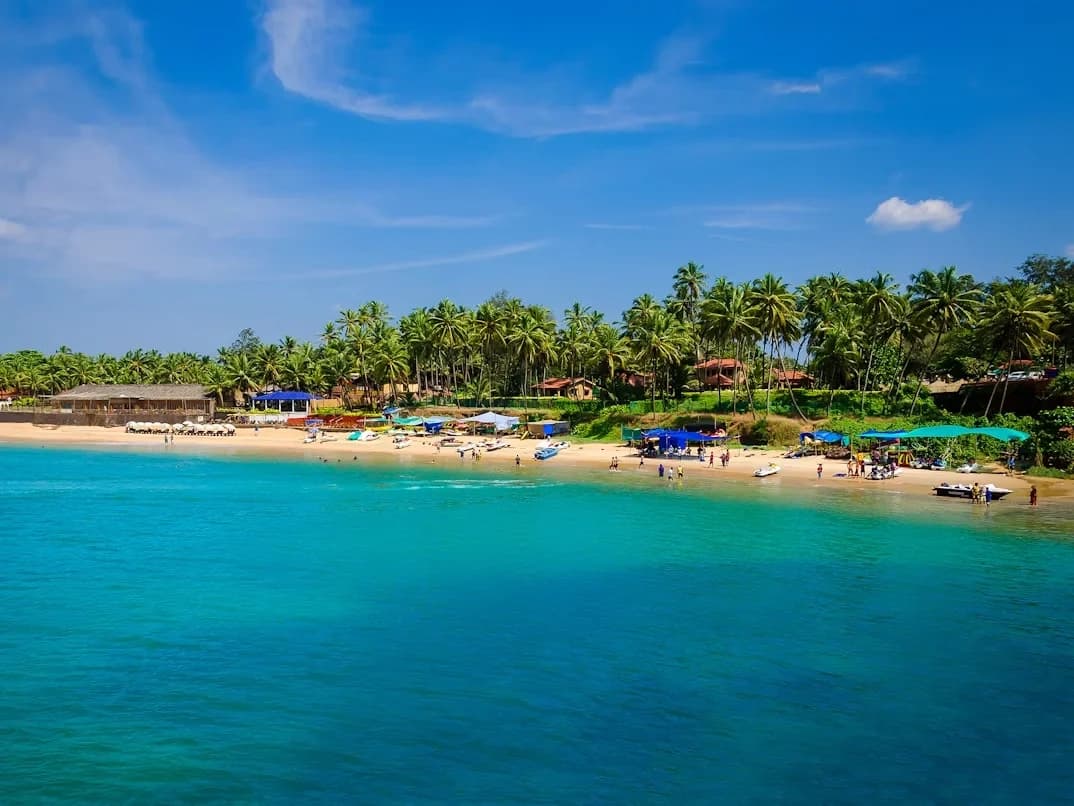 trendingGoaGoa is India's smallest state and its most distinctly layered — 450 years of Portuguese colonial rule left behind Latin Quarter streets, baroque churches, a coconut-vinegar seafood cuisine unlike anything else in India, and a cultural identity that sits comfortably between Indian and European. 105km of coastline. UNESCO Old Goa heritage precinct. Fontainhas Latin Quarter in Panjim. Dudhsagar Falls 310m. North Goa commercial + South Goa quiet. November-February is the definitive window — post-monsoon clarity, cooler air, and beaches that look exactly like the photographs.Explore guide
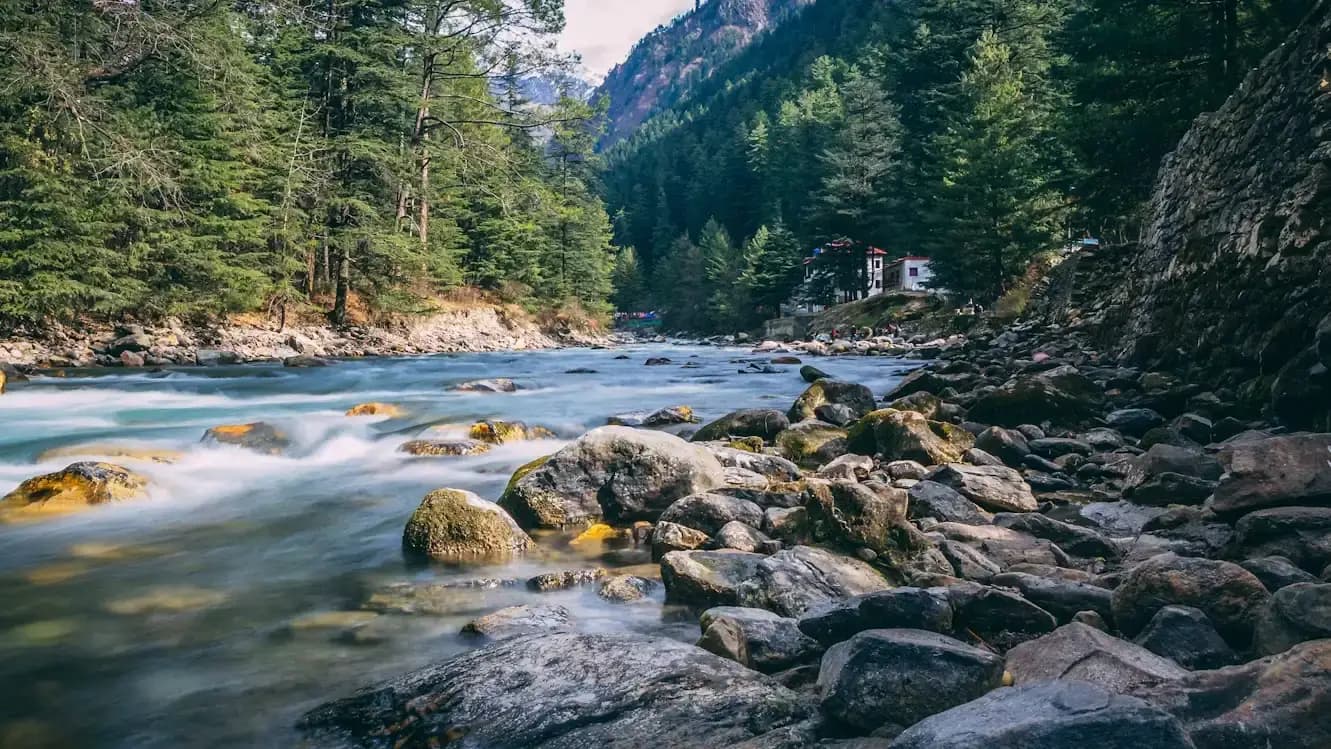 popularHimachal PradeshA toy train through 102 tunnels, paragliding over the Kangra Valley from Asia's finest launch site, and apple orchards at 2,500m turning the Himalayan slope red in October.Explore guide
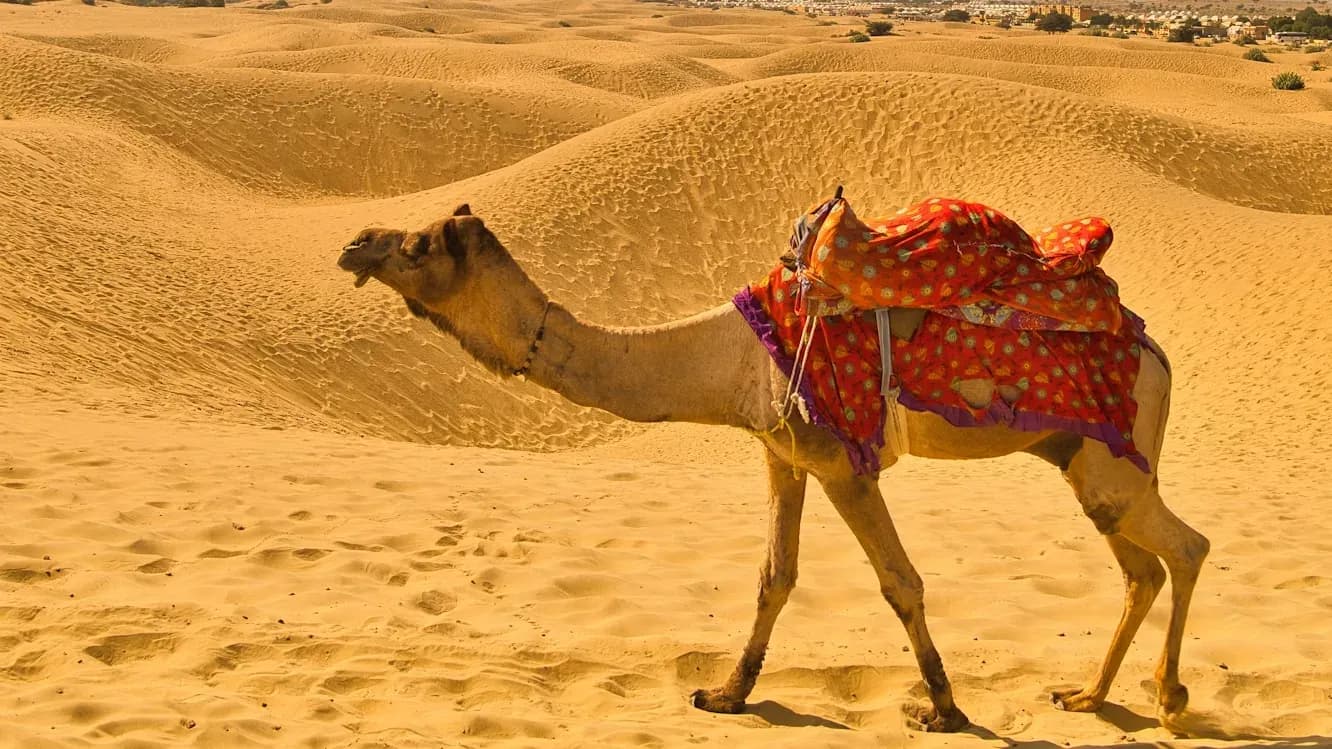 trendingRajasthanRajasthan Five forts, three lake palaces, and a camel on a sand dune at sunset — Rajasthan gives India's most cinematic single week of travel without leaving the country.Explore guide
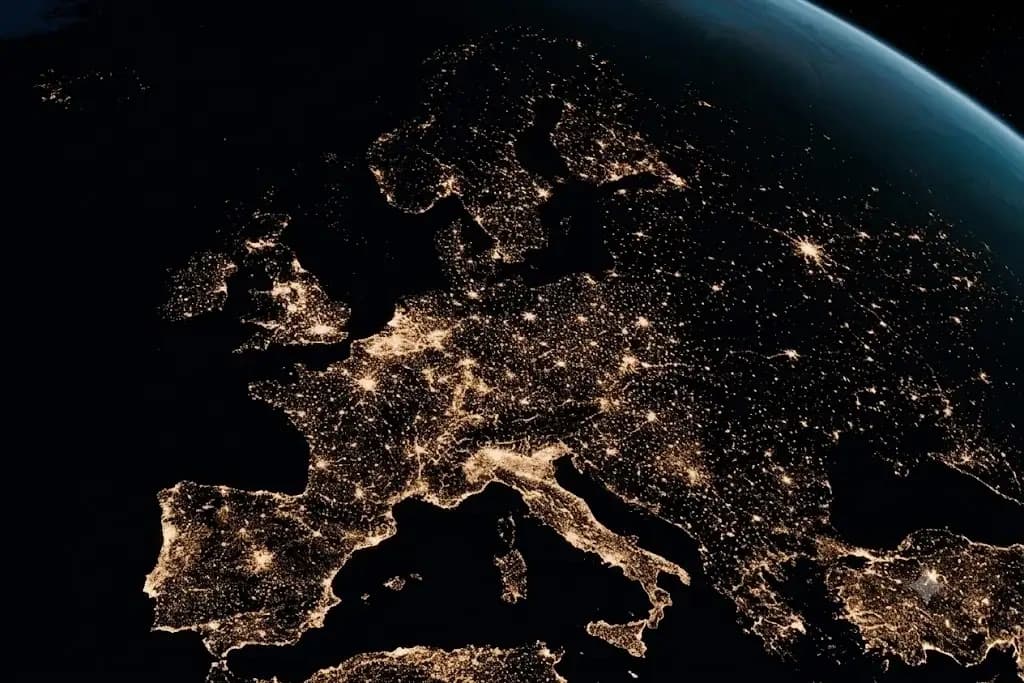 popularEuropeEurope is not one destination. It is 44 countries with 24 official languages, 50 UNESCO-listed cities, and a train network that takes you from the Eiffel Tower to the Colosseum without a single flight. The Atravelq CMS Editorial Team has routed over 200 client itineraries across Europe and the most consistent feedback is that Europe delivers more than expected and less than brochure fears suggest. For Indian travellers, ONE Schengen visa opens 27 countries. This guide covers every visa step, every exchange rate, and every planning decision.Explore guide
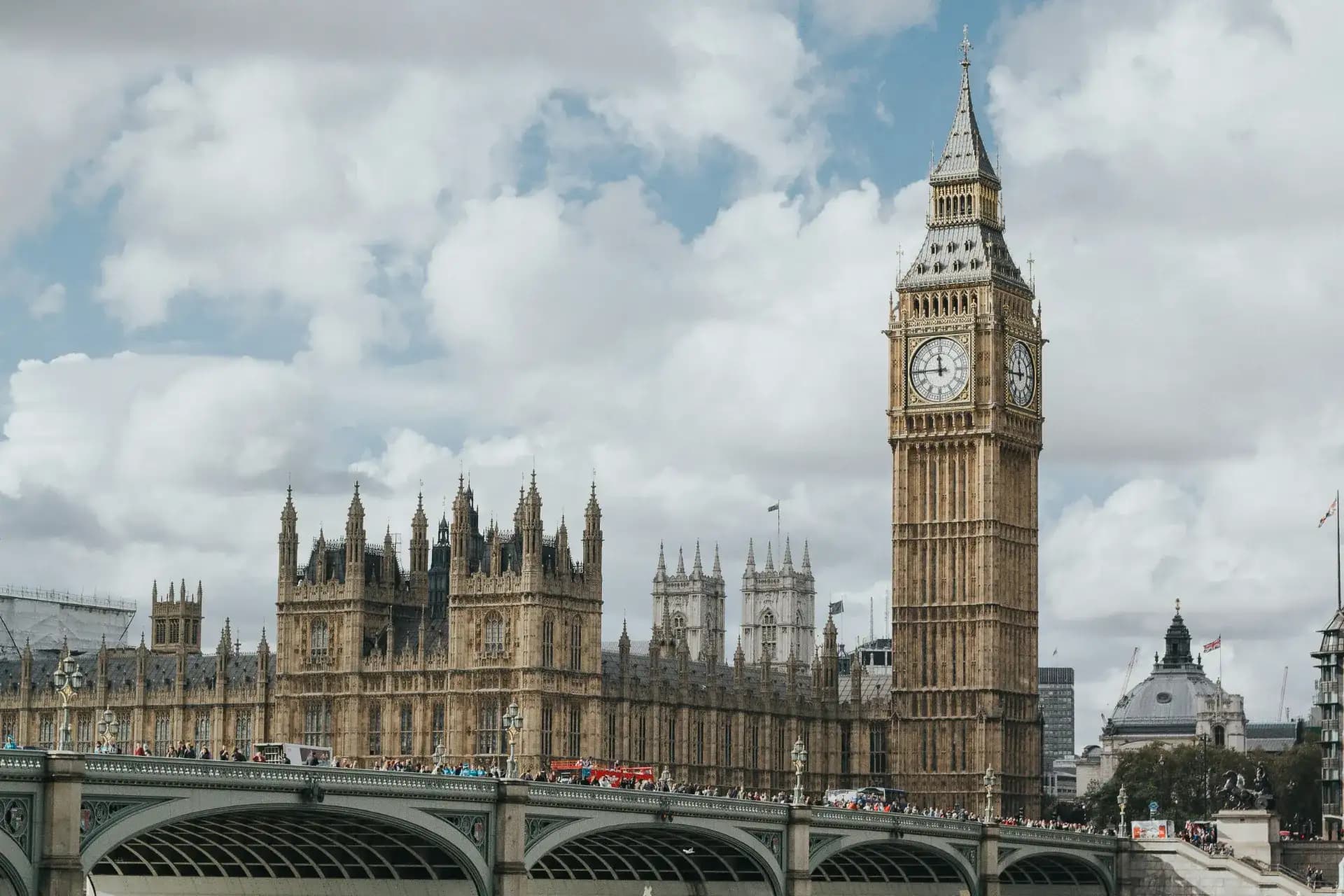 popularLondonVikas Rana is an Atravelq destination expert who visited London in March 2022 during early spring — daffodils in Hyde Park, the last cool grey days before shoulder-season prices lifted, and museums operating at their most accessible visitor density of the year. London layers 2,000 years of history — Roman walls, Tudor palaces, Victorian rail stations, and 21st-century glass towers — across 9 million people. It is the world's greatest free museum city, the most authentic Indian food outside Asia, and a theatre district unmatched anywhere on Earth.Explore guide
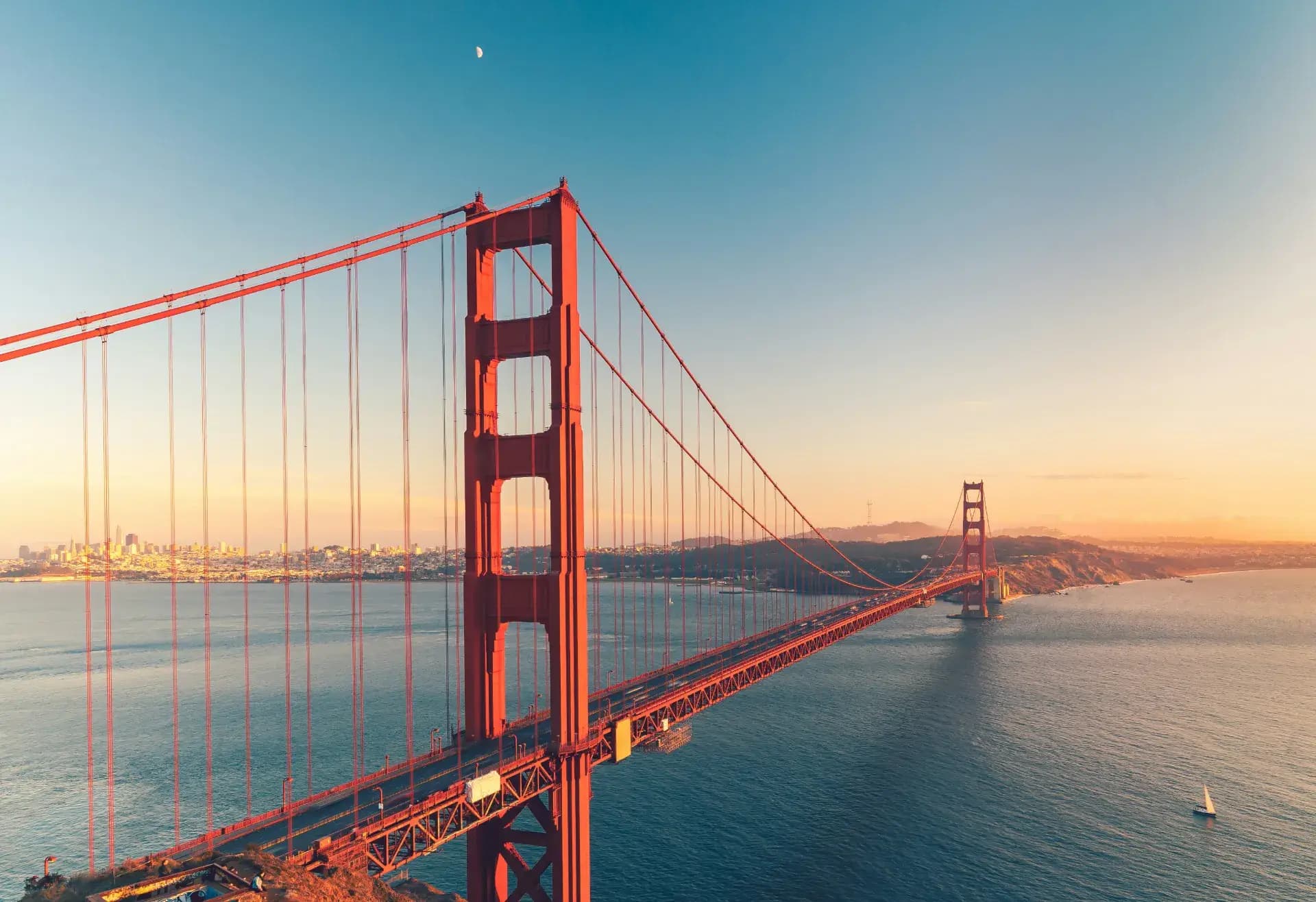 popularUSAThe United States is not one destination — it is a continent's worth of them, from the vertical energy of New York to the desert theatre of the Grand Canyon and the Pacific light of California. For Indian travellers it delivers the widest range of experiences a single visa unlocks: world cities, cinematic road trips, national parks, theme-park capitals, and some of the best Indian food outside India. Pick one coast per trip, and the 10-year B1/B2 visa turns a once-in-a-lifetime journey into a decade of returns.Explore guide
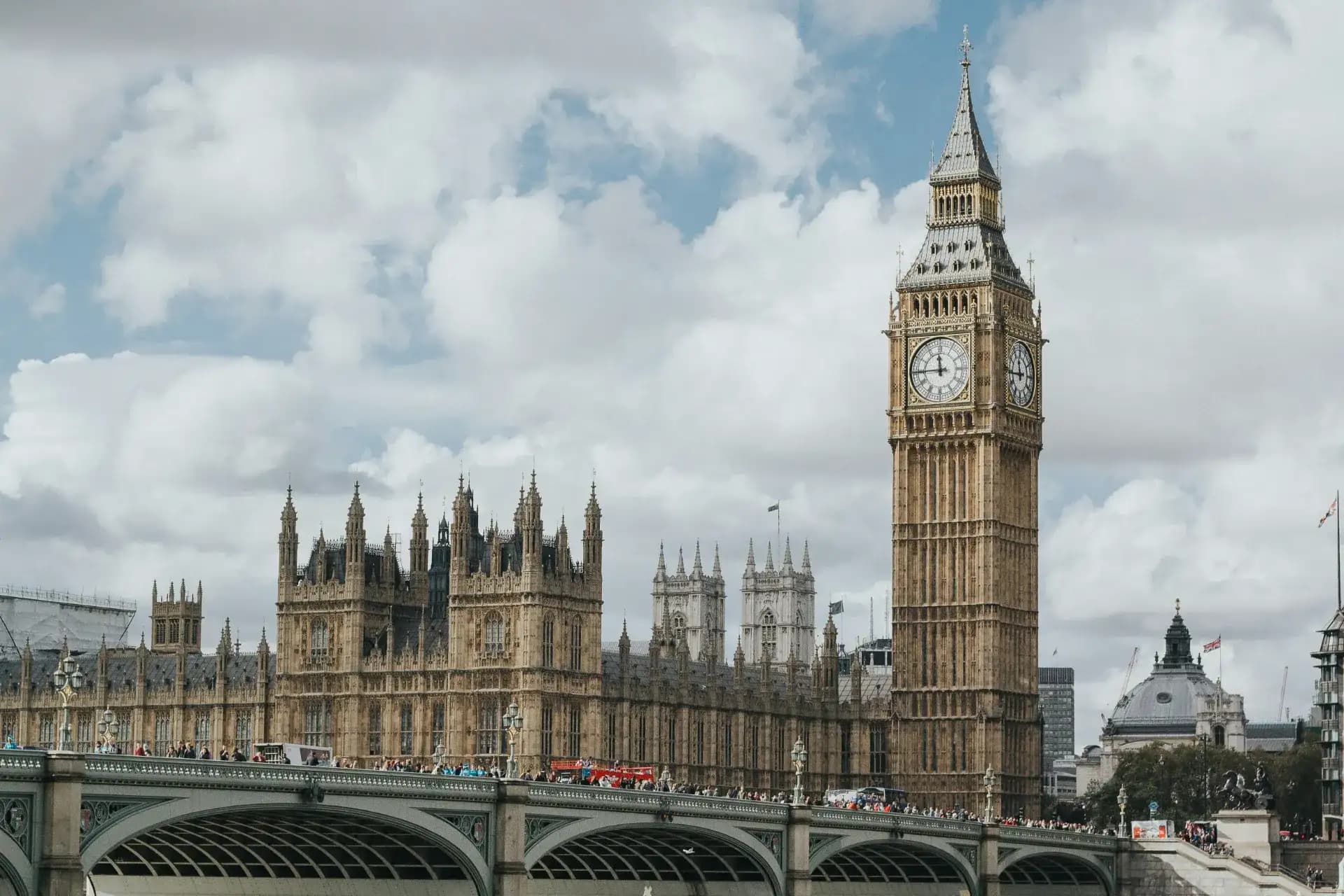 popularUnited KingdomThe United Kingdom packs four nations, 33 UNESCO World Heritage Sites, the world's greatest concentration of free museums, and a 1,000-year royal heritage into an island smaller than Madhya Pradesh. The Atravelq CMS Editorial Team has routed hundreds of client itineraries through Britain — from London-only honeymooners to three-generation Scotland circuits — and the consistent surprise is how much of the UK's best experience costs nothing at all. English everywhere, the largest Indian diaspora in Europe, and a rail network that connects London to Edinburgh faster than Delhi to Jaipur.Explore guide
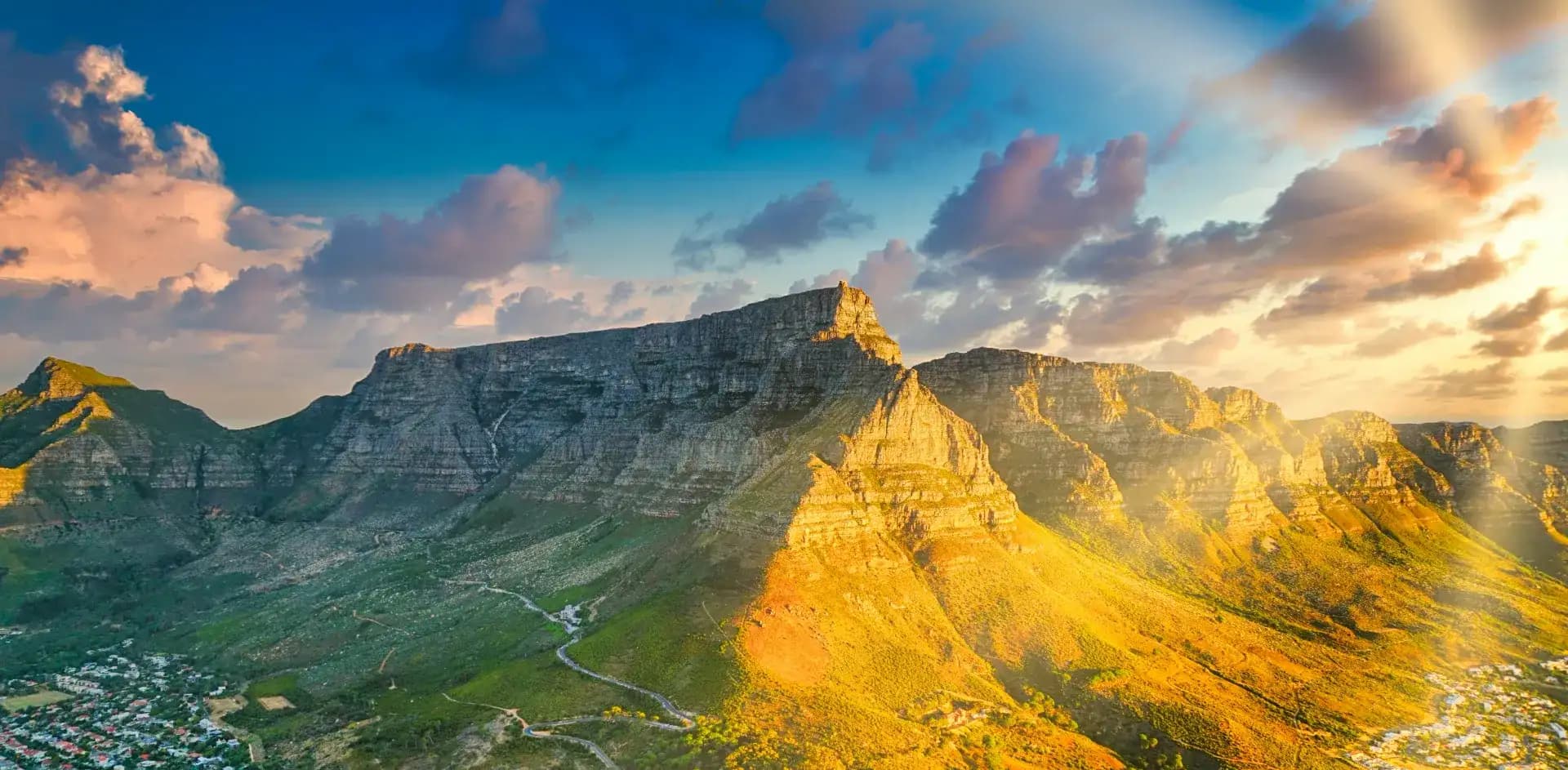 newSouth AfricaSouth Africa is where a single trip delivers the Big Five safari, a UNESCO-listed wine valley, one of the world's greatest coastal drives, a beach city under a flat-topped mountain, and a Soweto township history that changed the course of 20th-century politics. No African country packs more contrasting landscapes, no wildlife destination comes closer to guaranteeing the lion-and-elephant combination, and no Indian traveller leaves without the specific awareness that Mahatma Gandhi's political life began in Durban in 1893 — on this soil.Explore guide
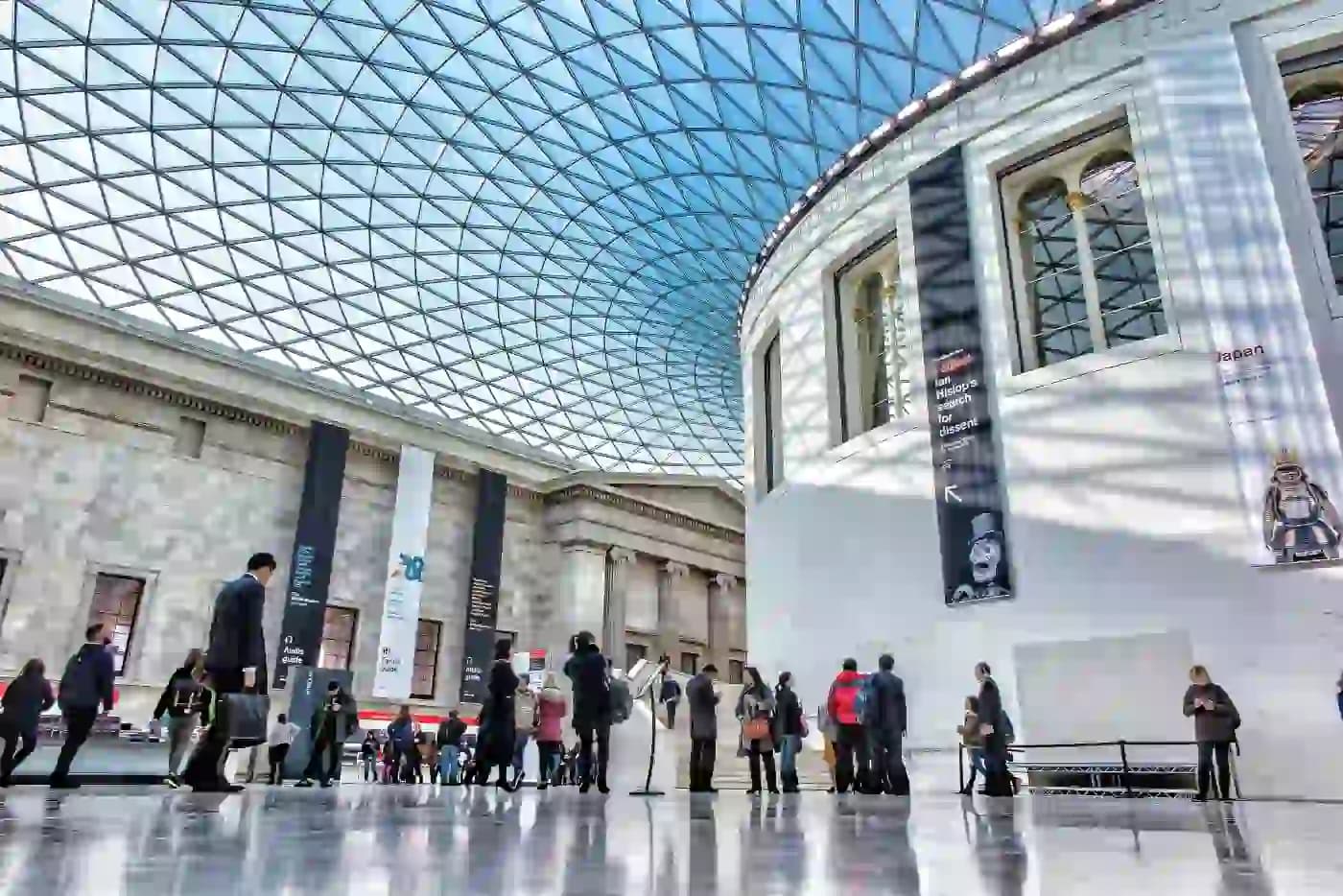 popularGreat BritainGreat Britain packs a startling amount into one compact island — the world-city buzz of London, the castles and lochs of Scotland, the storybook villages of the Cotswolds, and the peaks of Wales, all linked by one of the planet's best rail networks. For Indian travellers it's uniquely easy: everyone speaks English, they drive on the left just like home, and the food scene runs from Michelin stars to the best Indian restaurants outside India. Get the UK visitor visa sorted early, and a week or two here delivers history, royalty, film locations, and scenery in a single hassle-free trip.Explore guide
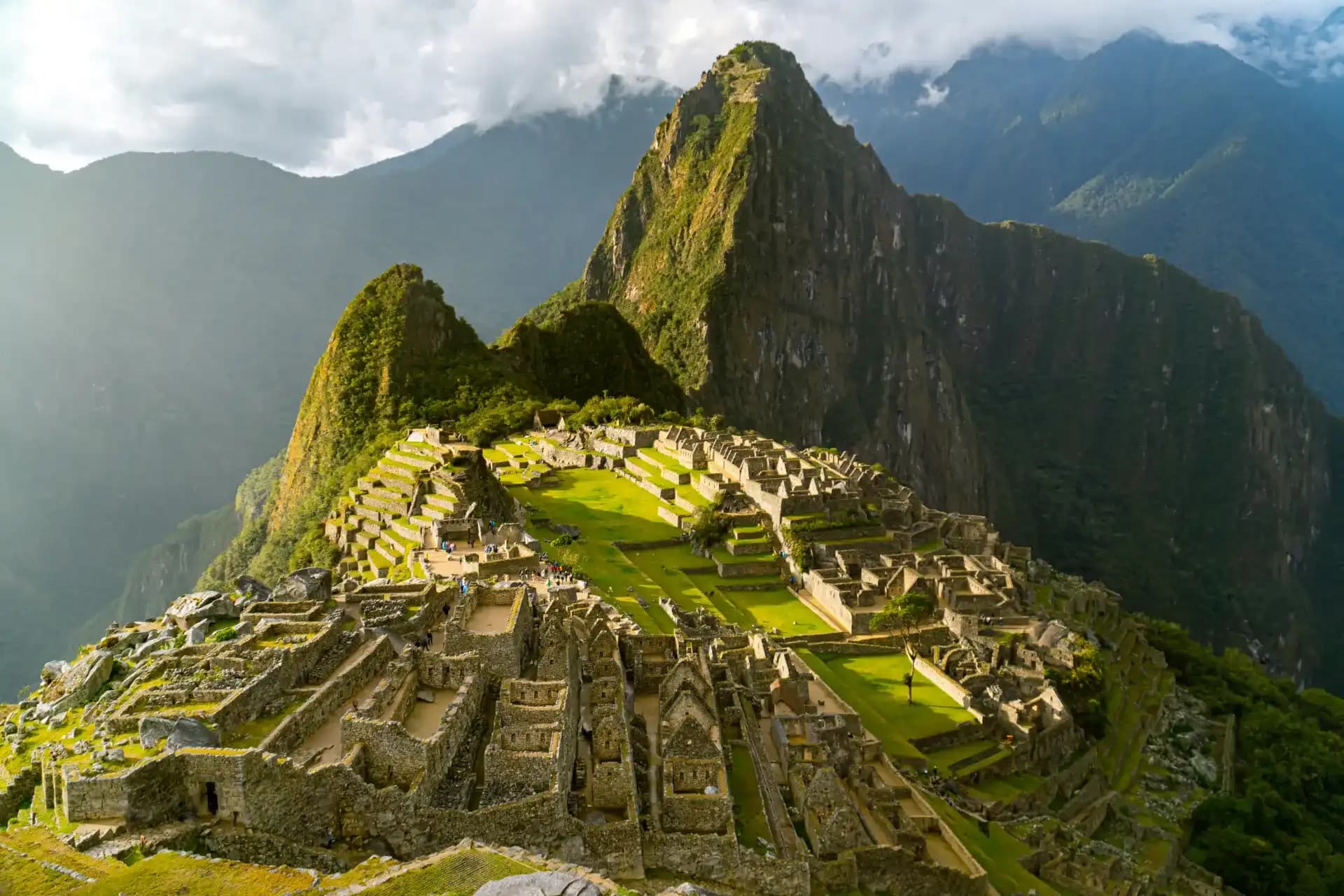 trendingPeruPeru is South America's headline act — the misty ruins of Machu Picchu, the Inca stonework of Cusco, the reed islands of Lake Titicaca, and a food scene that has made Lima one of the world's great eating cities. For Indian travellers it is a genuine bucket-list journey: far to reach, but astonishing in reward, and surprisingly accessible if you already hold a US, UK, or Schengen visa. Give yourself time to acclimatise to the Andes, plan around the dry season, and Peru delivers history, adventure, and flavour on a scale few countries can match.Explore guide
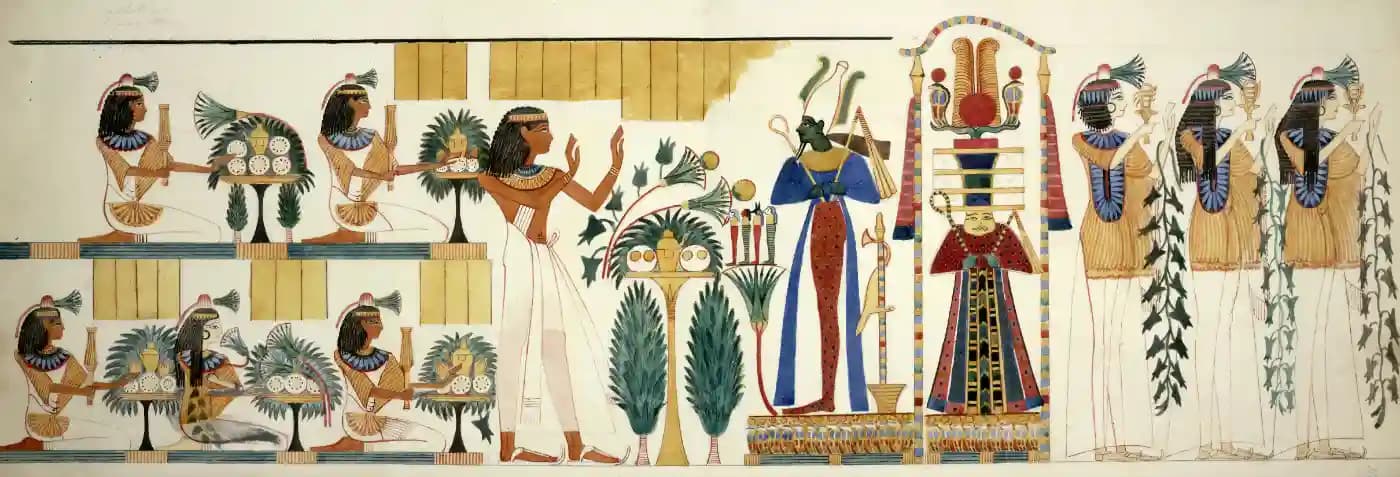 newEgyptEgypt is the only destination on Earth where you stand at 6am in front of a 4,500-year-old monument built by 100,000 workers over 20 years — and then drive 600km south to find 63 underground royal tombs, a temple complex larger than Vatican City, and a river that has sustained civilisation longer than any other geographic feature in human history. The e-Visa takes 3-5 days. The Pyramids have been waiting 4,500 years.Explore guide
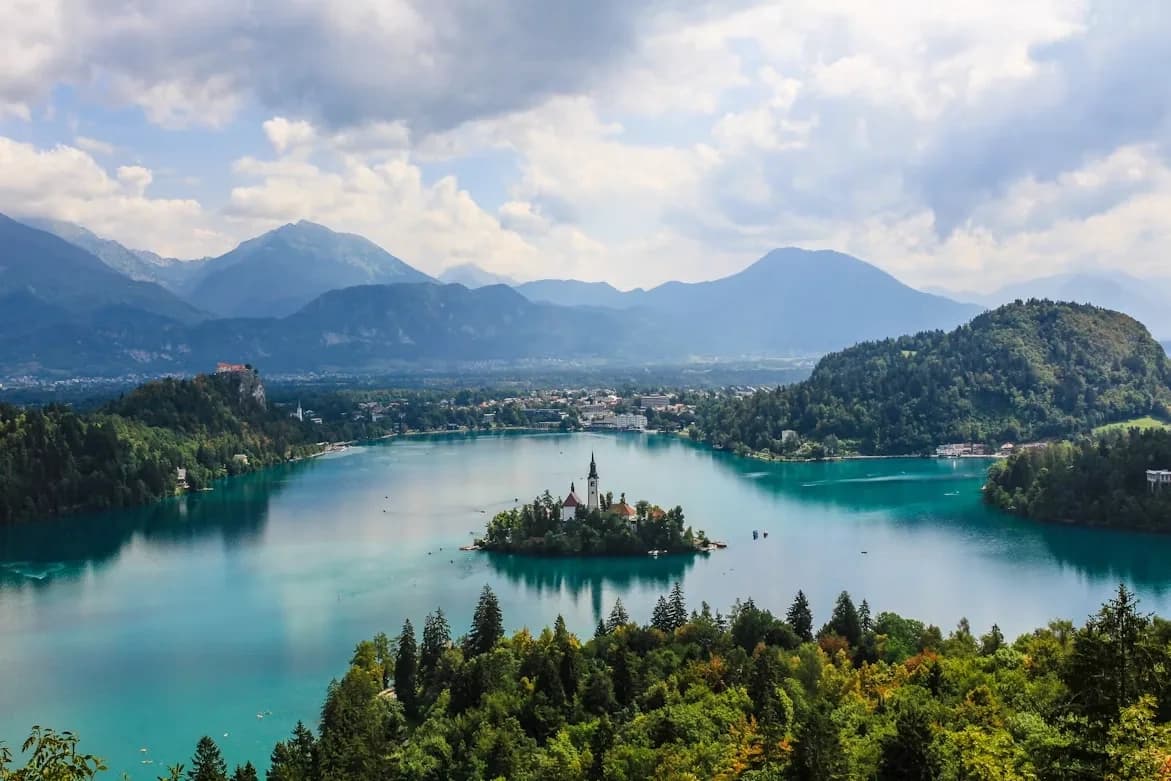 trendingCentral EuropeCentral Europe is where the continent keeps its best-value secrets — imperial capitals, medieval old towns, thermal baths, alpine lakes and the Adriatic coast, all inside one Schengen visa and at a fraction of Western Europe's daily costs. Six countries — Austria, Czech Republic, Hungary, Slovenia, Croatia and Poland — one visa, one connected rail network, and this guide covers every planning decision in between.Explore guide
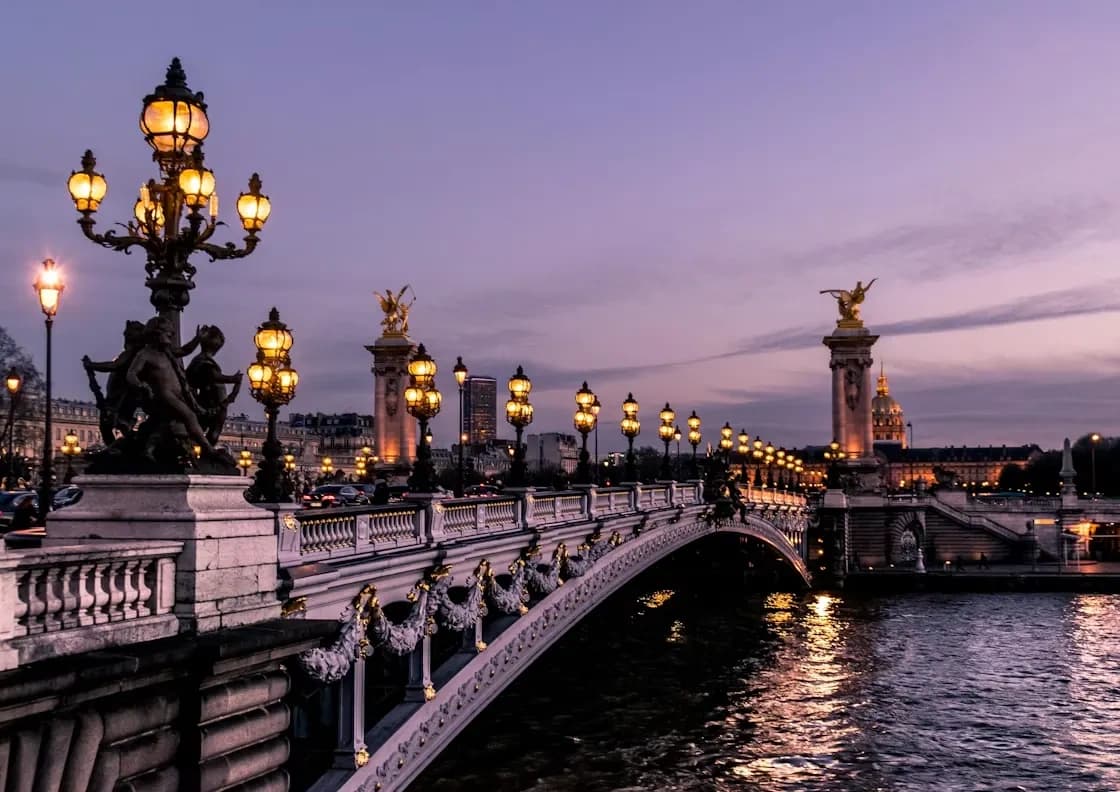 honeymoonParisParis is the most visited city on Earth and the most misunderstood — travellers arrive for the Eiffel Tower and leave having discovered that the real city lives in its morning bakeries, its riverbanks at dusk and its neighbourhood squares. I am Anmol Verma, and after planning hundreds of Paris itineraries for Indian travellers, my core advice has never changed: Paris rewards the traveller who walks, wakes early and sits down often.Explore guide
 trendingIndiaindiaExplore guide