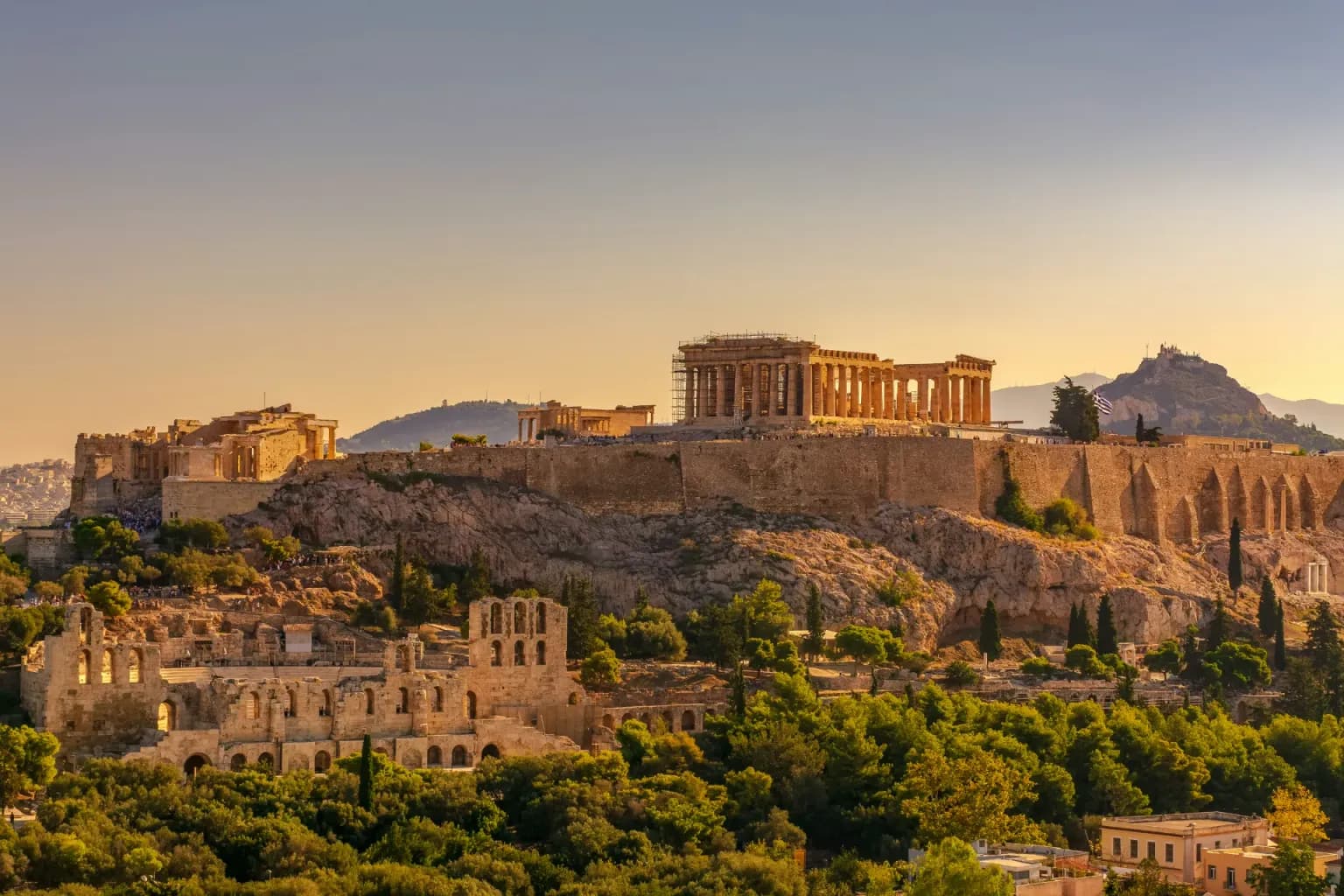
Greece is the geographic and philosophical origin of Western civilisation — the democracy, the Olympic Games, the Socratic method, the Hippocratic medical tradition, the Euclidean geometry, and the theatrical traditions of tragedy and comedy all emerged from Greek city-states between the 6th and 4th centuries BCE. The Acropolis of Athens (5th century BCE), the sanctuary at Delphi (the Oracle of Apollo consulted by rulers across the Mediterranean for 900 years), and the site of ancient Olympia (host of the original Olympic Games since 776 BCE) are the most directly relevant ancient Greek heritage sites accessible.
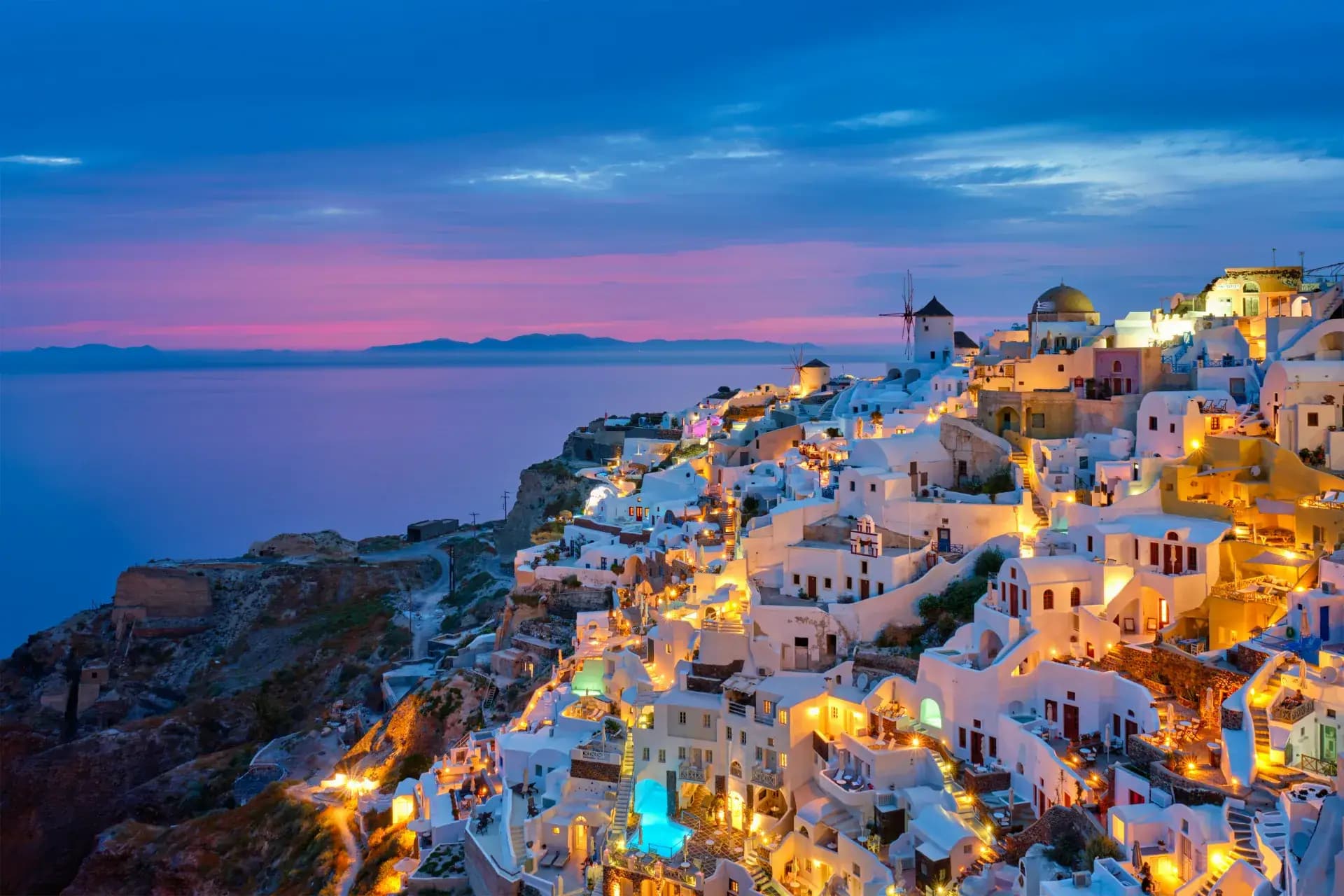
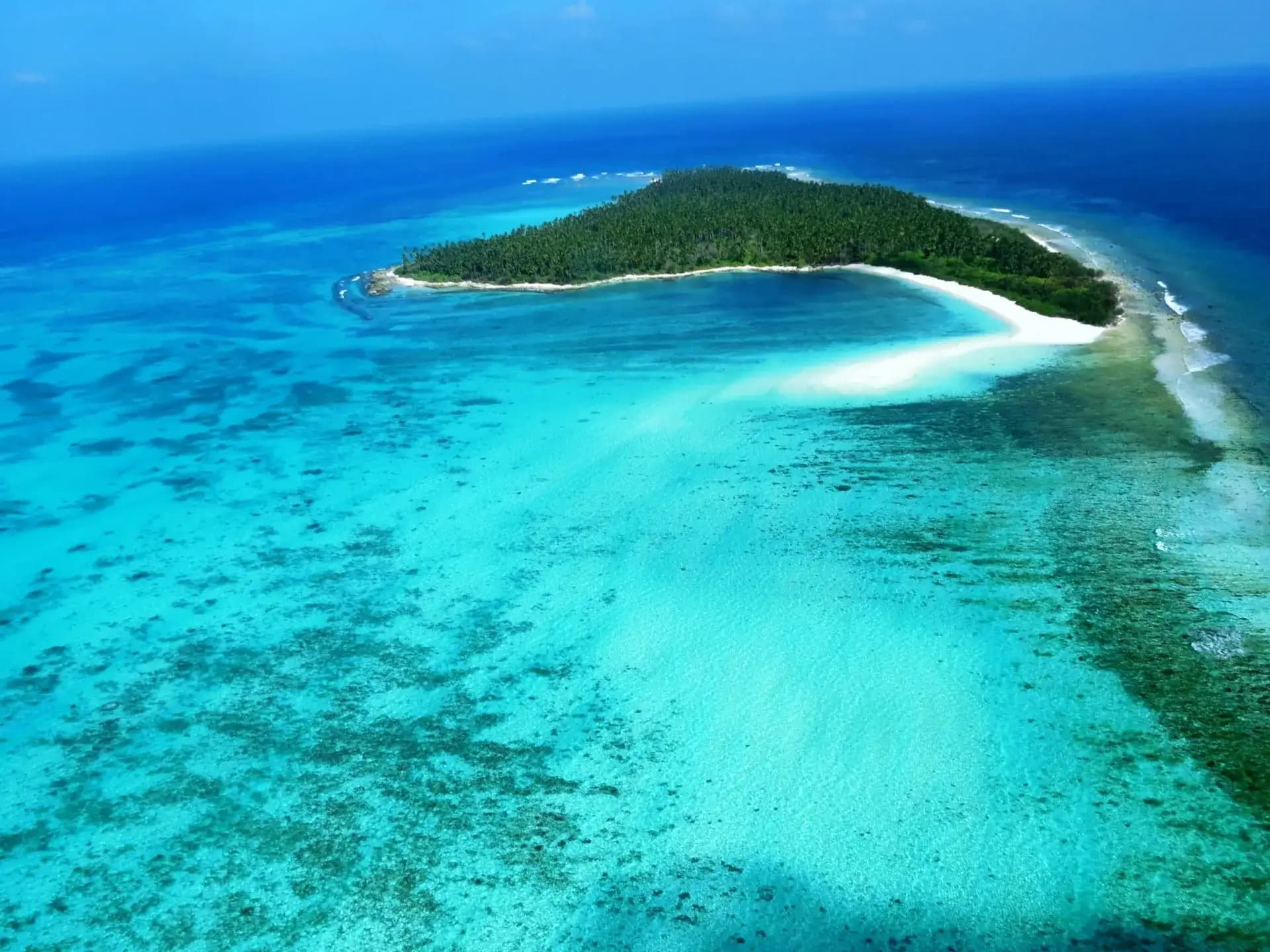
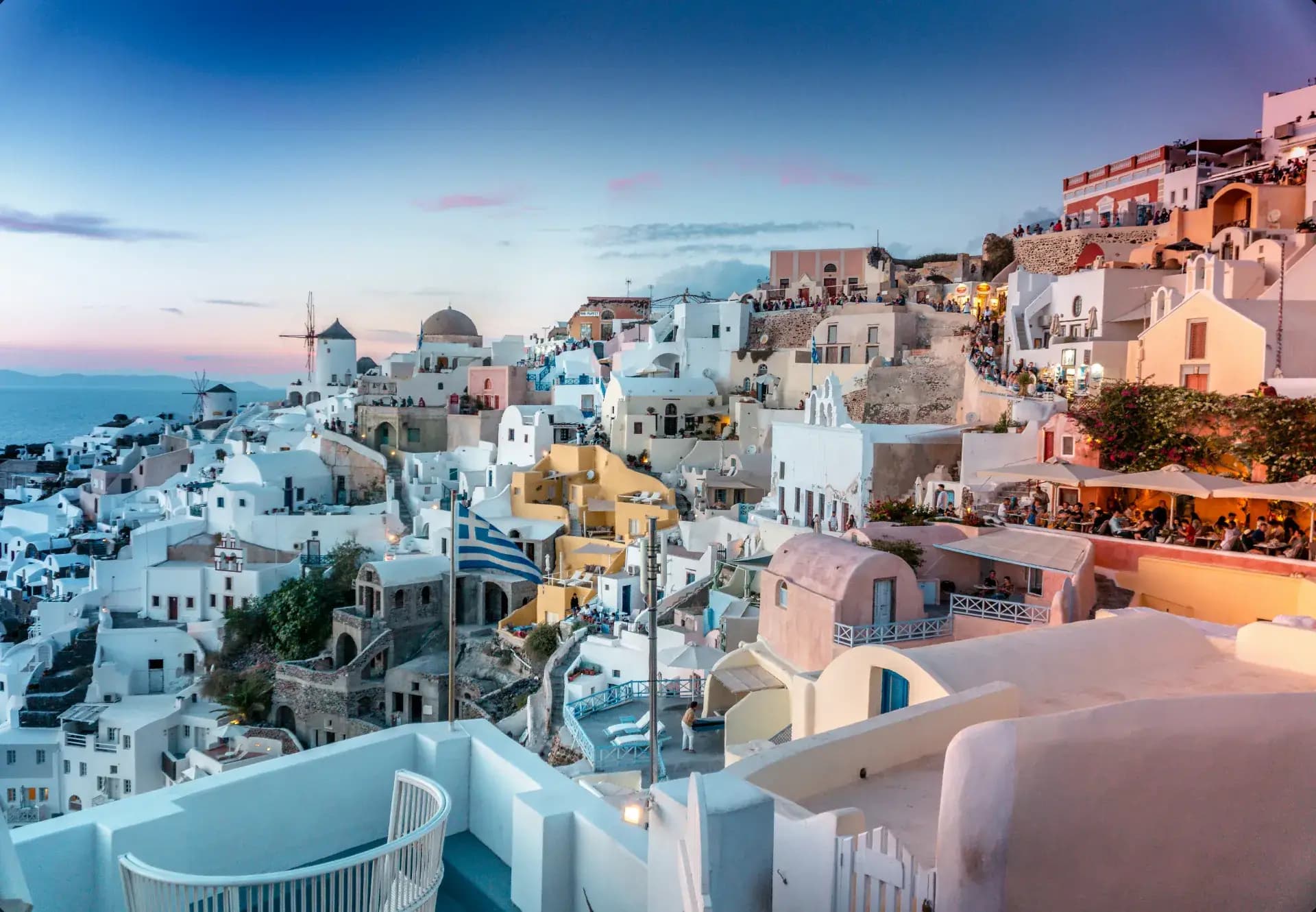
The Greek island geography — 6,000 islands, of which 227 are inhabited — creates the most diverse single-country island-hopping circuit in the Mediterranean. Santorini (the surviving arc of the 1630 BCE Minoan volcanic collapse, the most dramatically positioned inhabited caldera in the world), the Meteora monasteries (Byzantine religious buildings on 60-million-year-old sandstone pillars, UNESCO-listed), and the medieval walled city of Rhodes (the most completely intact medieval fortification in Greece) represent three entirely different architectural and geological categories in the same country.
 Best in AprGreeceAthens, Mykonos, Santorini