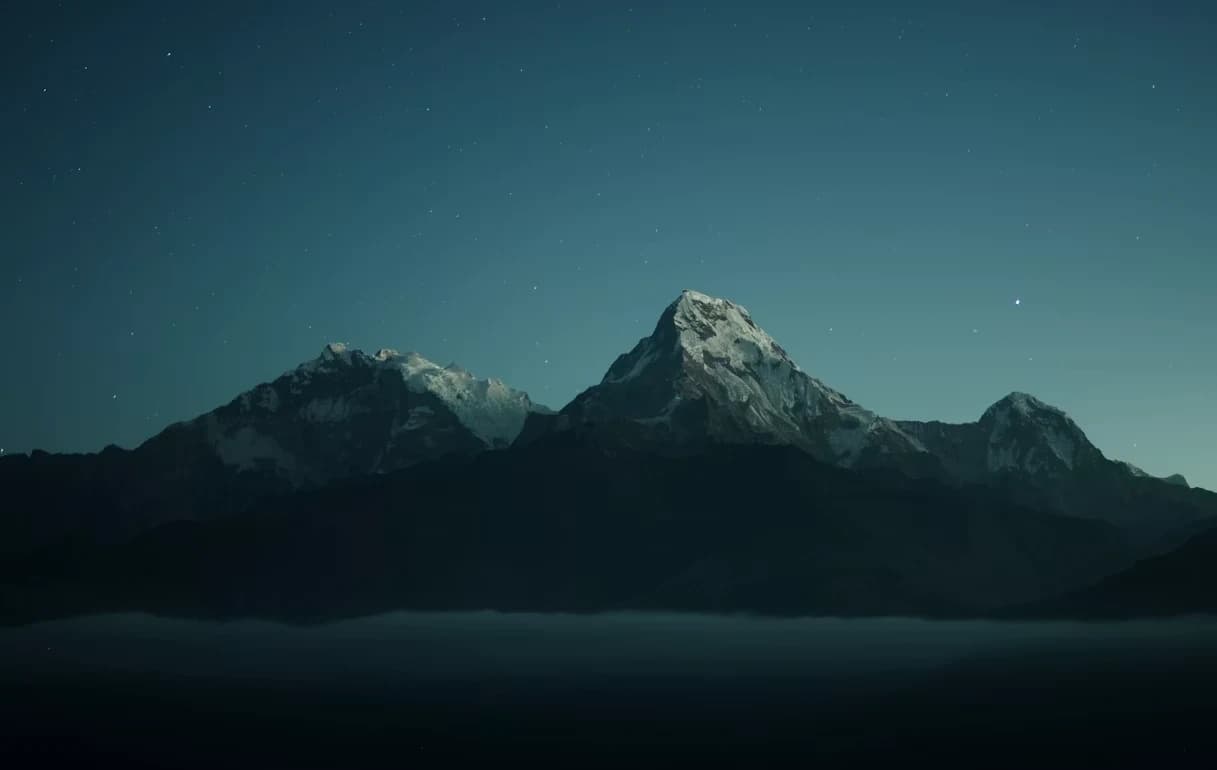
Eight of the world's ten highest mountains are in Nepal, including Everest at 8,849m. The Everest Base Camp trek is achievable by any fit adult with adequate preparation — no technical climbing skills needed. Annapurna Circuit crosses a 5,416m pass with views of 7,000m+ peaks on both sides. Kathmandu's Boudhanath is among the largest Buddhist stupas in the world; Pashupatinath is one of Hinduism's most sacred sites. Pokhara sits at 820m with Fishtail Mountain visible from the lakeside. Chitwan National Park offers one-horned rhinoceros and Bengal tiger safaris. No visa required for Indians. Direct flights from Delhi, Mumbai, Kolkata, Bengaluru to Kathmandu. Lumbini, in the Terai plains near the Indian border, is the verified birthplace of Siddhartha Gautama — a UNESCO World Heritage Site and one of the most significant pilgrimage destinations in Asia.
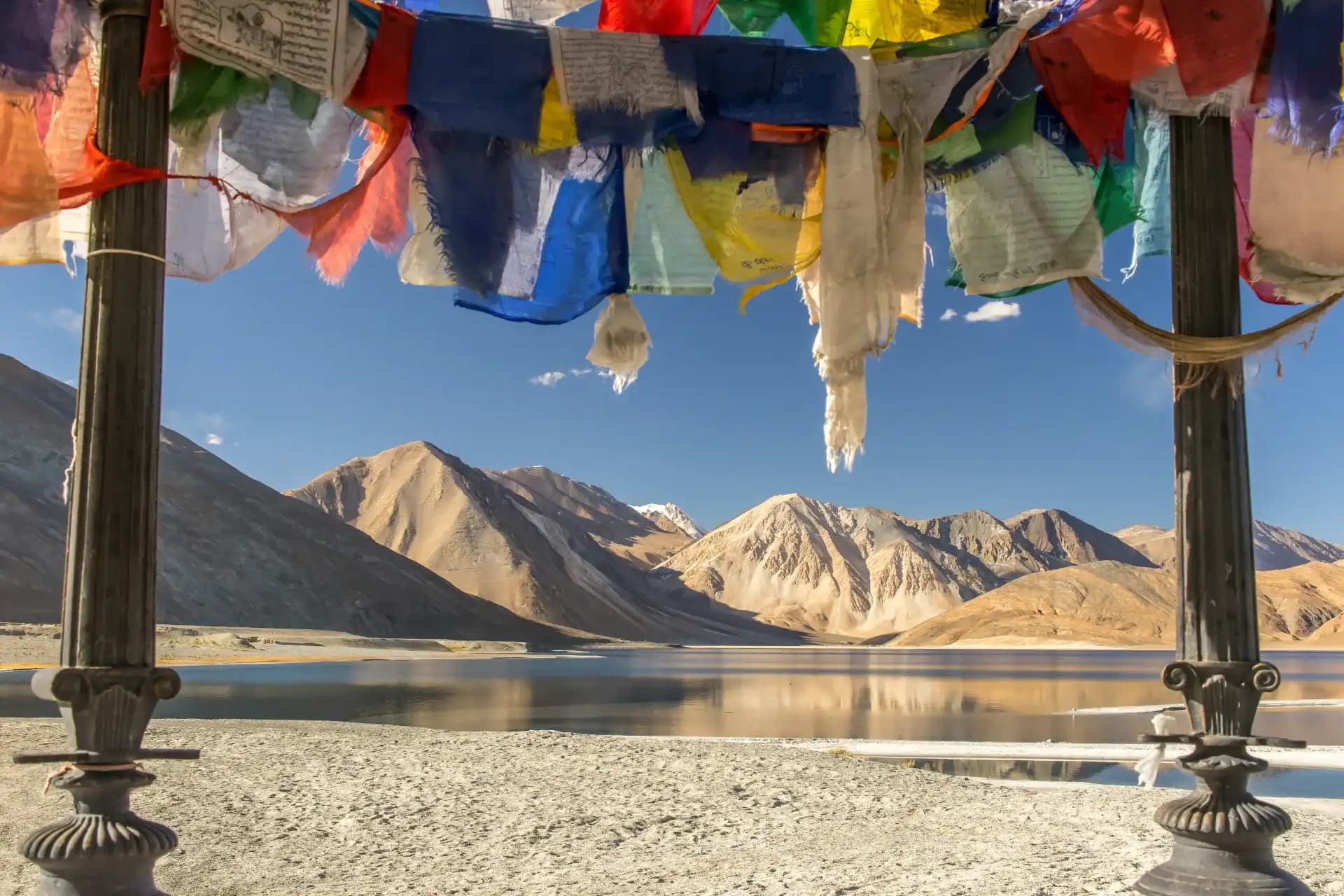
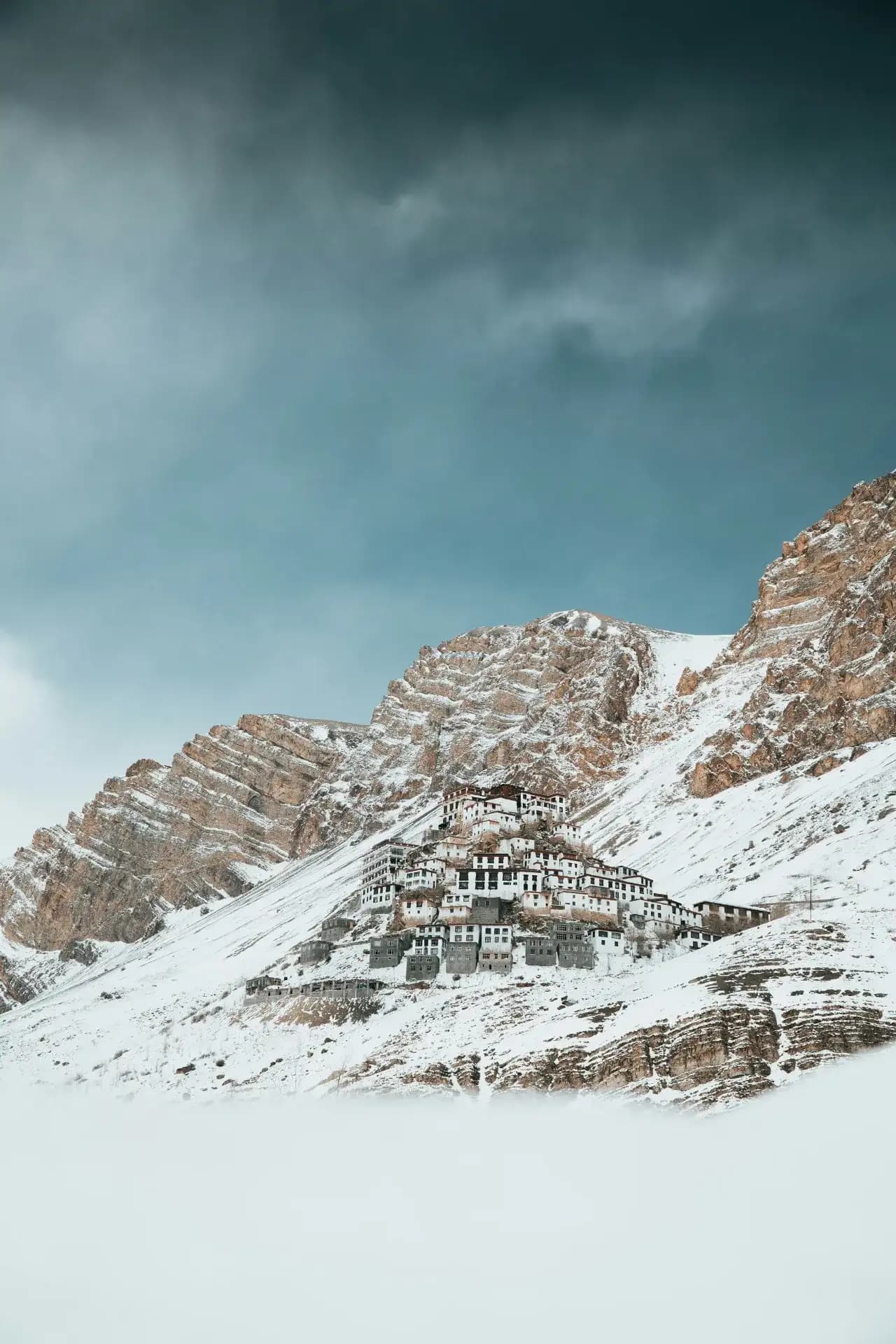
I have been to Leh Ladakh and Spiti Valley multiple times. The mountains there approach you from inside — you drive up, the altitude increases, the landscape empties and elevates simultaneously. Nepal approaches differently. The Poon Hill trek from Nayapul to Ghorepani follows a trail through sub-tropical forest that transitions to oak forest to rhododendron forest — the elevation gain happening through successive forest zones rather than through the empty altitude of the Ladakhi plateau. The April rhododendrons at 3,000m: the forest is red. Not the autumn red of the Shimla oaks, but the specific spring red of the Rhododendron arboreum in bloom — the large-leafed trees with their fist-sized flower clusters in every shade from white to pink to crimson. The trail from Ulleri to Ghorepani in April passes through 12km of this forest. I have not seen the equivalent anywhere in the Indian Himalaya.