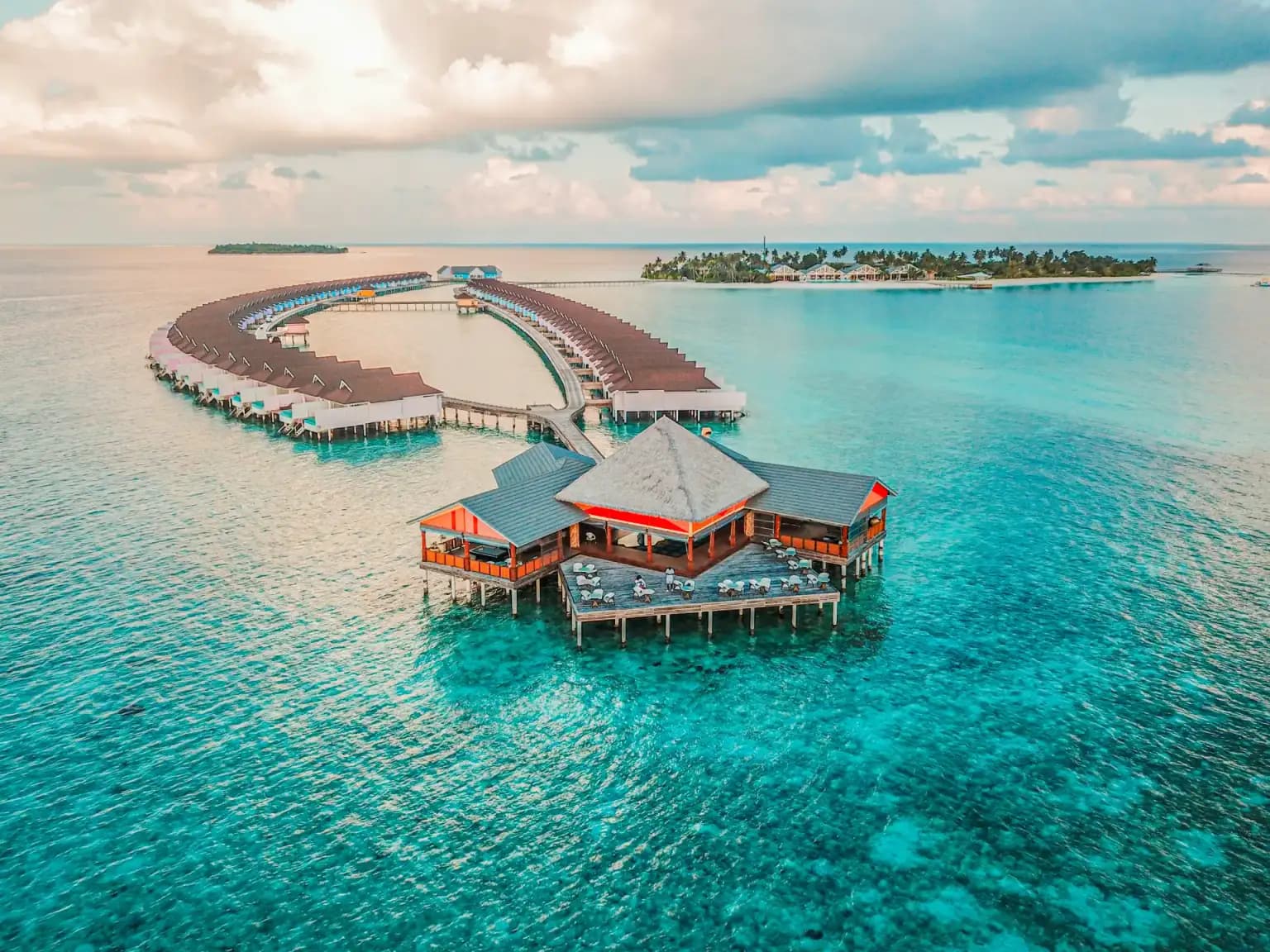
Why Mauritius in July 2026? July is the single finest month for Mauritius — the southern hemisphere winter brings 18-24°C temperatures, zero humidity, clear skies, and the calmest Indian Ocean of the year on the west coast (the Maldives comparison: Mauritius has Le Morne lagoon, an underwater waterfall illusion, a UNESCO mountain directly behind the beach, French Creole cuisine, and rum distilleries — for the same Indian Ocean price). For Indian travellers specifically: free visa on arrival for 60 days, a 4-hour direct flight from Mumbai, Hindi spoken throughout the island, and the Indian-Mauritian temple bells audible on the road between Grand Baie and Port Louis.
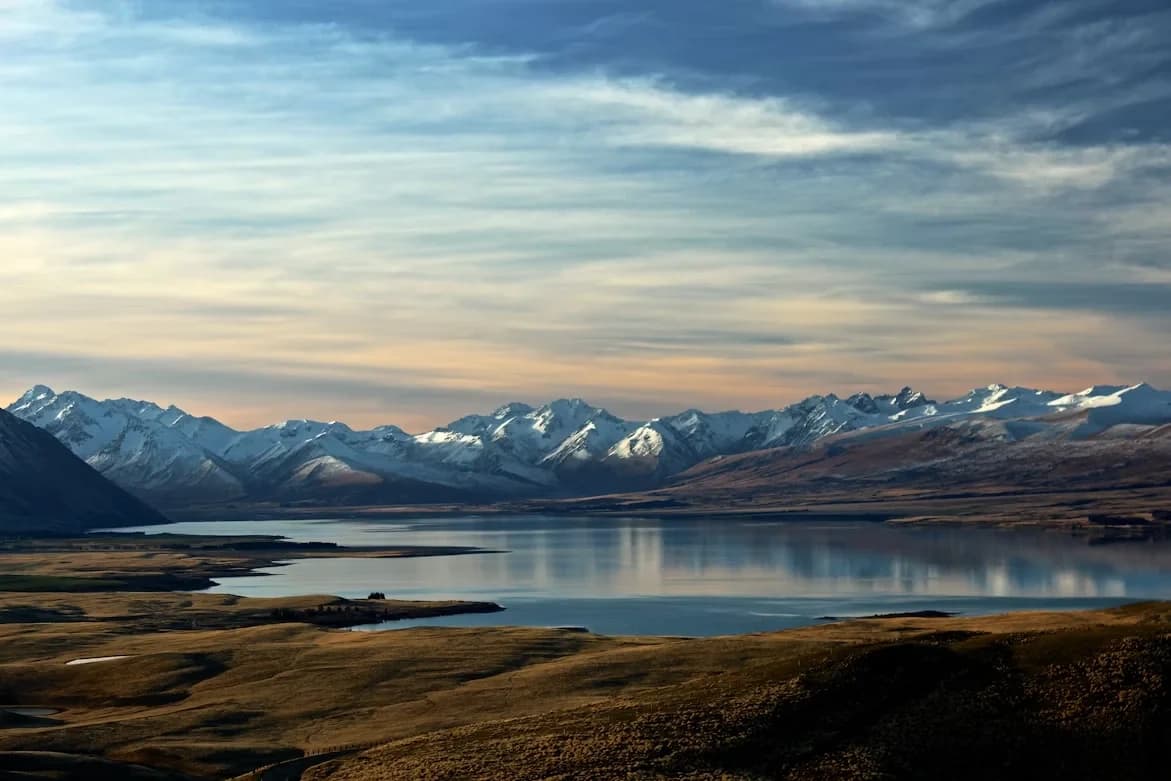
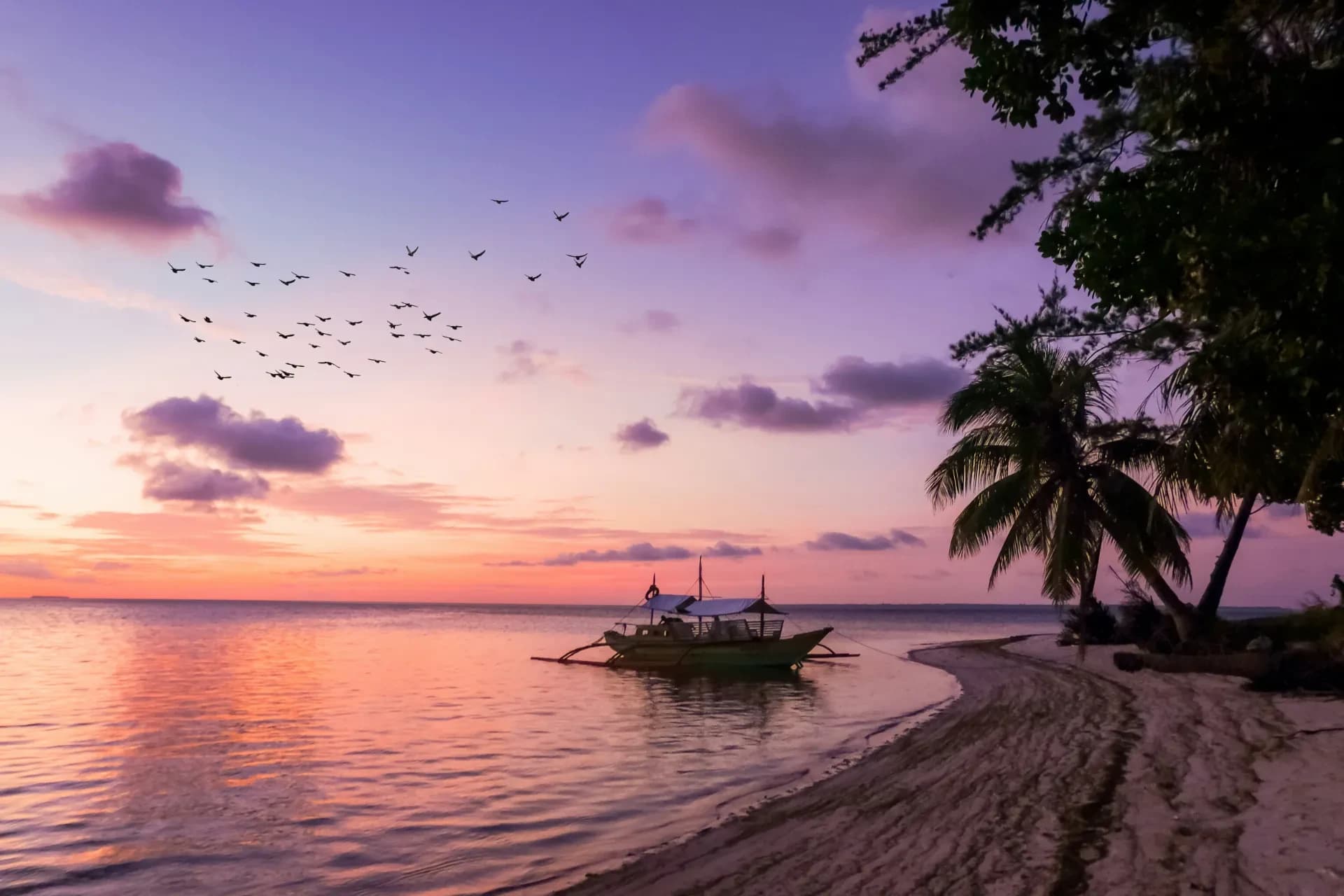
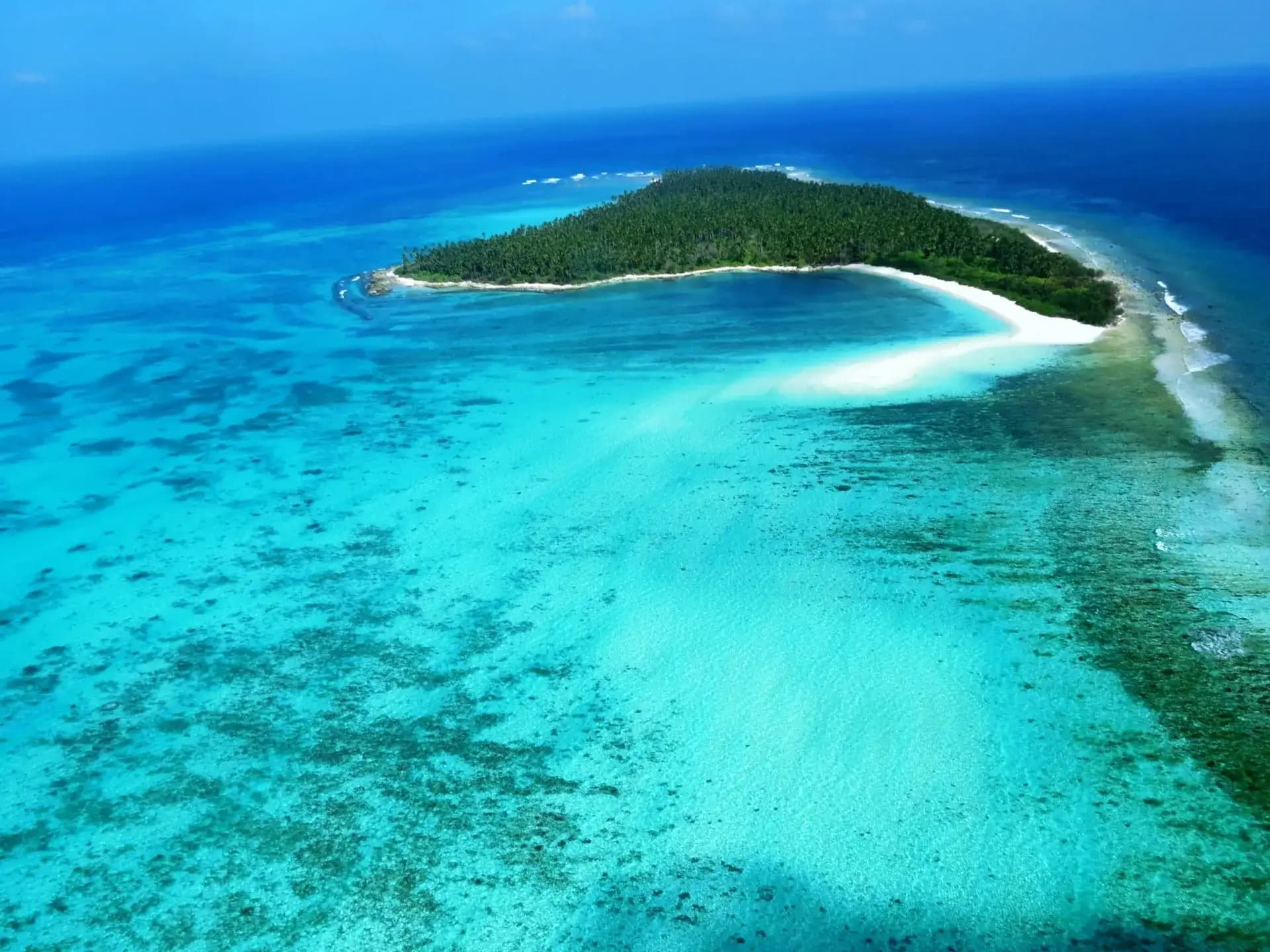
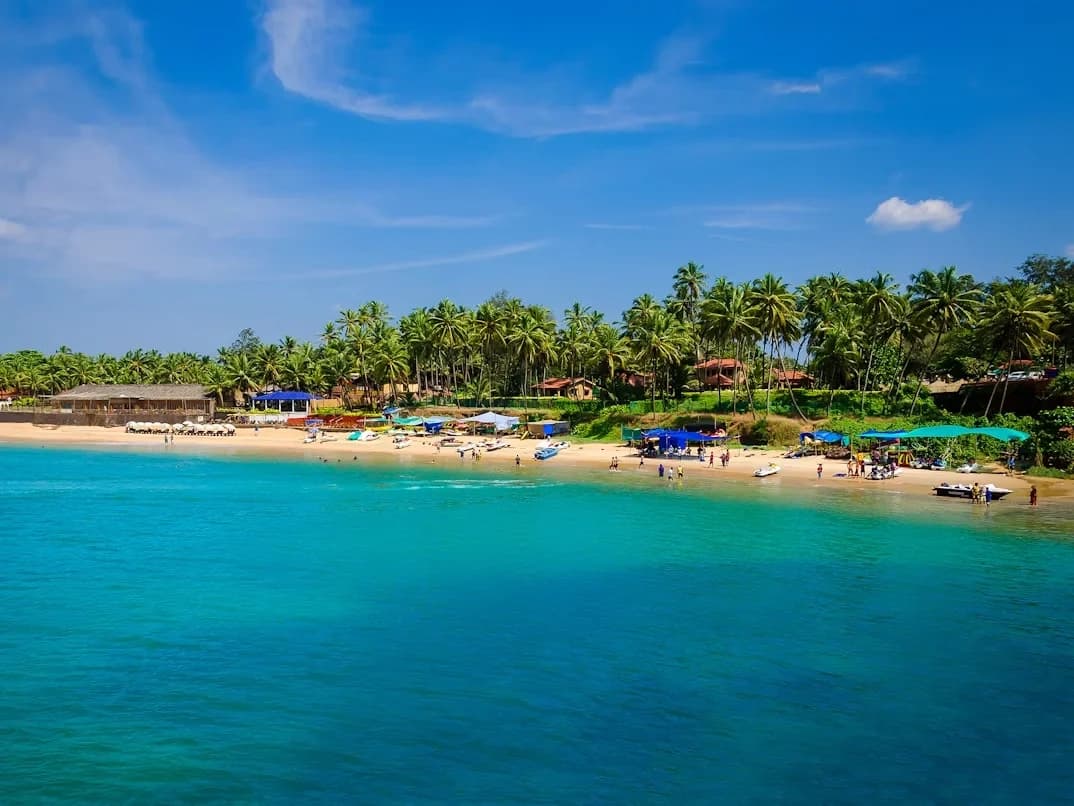
The Le Morne lagoon at 7am on July 9, 2021. I had walked from the Le Morne beach hotel to the water's edge before the sun was fully above the mountain. The lagoon at this hour in July: the water temperature 23°C (cold relative to the air), the colour a specific blue-green that comes from the combination of the coral sand below (the white reflecting up through 1-2m of water) and the sky above (the July sky a specific clear blue, no humidity haze). The mountain directly behind me — the 556m basalt monolith of Le Morne Brabant, the UNESCO heritage site — its reflection not visible in the lagoon (the lagoon is too shallow for a clear reflection) but its shadow visible across the beach at 7am, the mountain casting a 200m shadow west across the sand. The most specifically beautiful 7am I have had on a beach in the Indian Ocean.
The Chamarel 7 Coloured Earth at 9am on July 10: the July dry season gives the Chamarel colours their maximum saturation (rain blurs the boundaries between the colour zones, the dry season allows the boundaries to be sharp). At 9am in July: the morning light is at the correct angle for the colour — the iron oxides in the soil producing their most specific red-brown, the aluminium oxides their most specific grey-green. The geological explanation (the lava cooled at different rates) is interesting. The visual (7 distinct earth colours in dunes, in a 0.5-hectare area, in the Mauritian plateau landscape) is extraordinary.